

Have you ever wondered if your apple tree will bear fruit every year? If you’ve planted one or are thinking about it, you might be curious about its fruiting habits. It can be frustrating to wait for those delicious apples only to find your tree is taking a break.
Key Takeaways
- Apple trees do not produce fruit every year; their yield can vary significantly based on various factors.
- Young apple trees typically begin bearing fruit between 3 to 5 years, while established trees may exhibit biennial bearing (alternating heavy and light fruiting years).
- Effective pollination, requiring at least two compatible apple tree varieties nearby, is crucial for maximizing fruit production.
- Weather conditions, including frost during blooming and drought at critical growth stages, can adversely affect apple yields.
- Regular care, including pruning, proper fertilization, and consistent watering, is essential for maintaining tree health and enhancing fruit production.
Understanding Apple Tree Fruit Production
Apple trees don’t always produce fruit every year. Various factors influence their yield, and understanding these can help you manage expectations.
Recommended Products

These are ready to plant and should be put in the ground according to the included instructions upon arrival. All pictures are of fully grown plants. Sizes shipped are in the title and description. Deciduous plants do not have leaves in the winter.
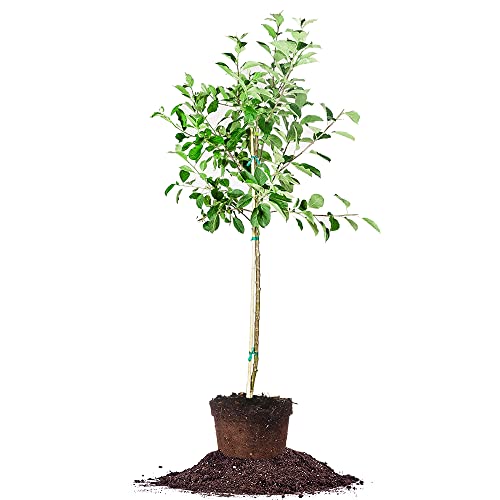
TREES READY FOR PLANTING — Root Ball in Tact for In Ground Growing & Establishes Quicker

Honey Crisp Apple 4-5ft tall
The Basics of Apple Tree Biology
Apple trees typically produce fruit in cycles. Younger trees may not bear fruit in their early years. Generally, an apple tree starts bearing fruit between 3 to 5 years old. Once established, apple trees can alternately produce fruit, meaning some years yield larger quantities while others yield less. Some species tend to enter a rest period after a heavy fruiting season.
- Tree Age: Young trees may not produce fruit, while mature trees bearing regular yields may skip a season.
- Pollination: Apple trees need cross-pollination from other varieties to produce fruit efficiently. Planting different apple varieties nearby enhances yield.
- Weather Conditions: Frost during blooming can damage flowers, while excessive heat or drought affects fruit set.
- Soil Quality: Nutrient-rich soil promotes healthier trees. Poor soil can hinder growth and fruiting.
- Watering: Consistent watering is crucial, particularly during the flowering and fruit-setting stages. Irregular watering can cause stress, leading to reduced yields.
- Pest and Disease Management: Pests and diseases can negatively impact fruit development. Regular monitoring and treatment keep trees healthy and productive.
Seasonal Patterns in Apple Trees
Apple trees follow distinct seasonal patterns that influence their fruit production. Understanding these patterns helps manage expectations as you nurture your apple trees.
Recommended Products


Package Includes -- 50 pcs 17.7" x 11.8" / (45 x 30 cm) individual fruit protection bags for fruit trees.

What Happens During the Growing Season?
During the growing season, which typically spans from spring to early fall, apple trees engage in various stages of development. In spring, as temperatures rise, buds swell and bloom, leading to flowering. This stage is crucial for setting the stage for fruit production.
After blooming, pollination occurs. If successful, you’ll see the formation of tiny apples over the next few weeks. As summer progresses, these apples grow larger, maturing until they’re ready for harvest in late summer or early fall. Factors like temperature and moisture levels significantly affect growth rates and overall yield.
Pollination and Its Role in Fruit Production
Pollination plays a critical role in fruit production for apple trees. Most apple varieties require cross-pollination from compatible apple trees to produce a good crop. Pollen transfer generally occurs through bees and other pollinators.
For optimal pollination, plant at least two apple tree varieties that bloom around the same time. This practice enhances fruit set and leads to larger harvests. Without proper cross-pollination, trees may produce fewer apples or none at all, resulting in the cyclical patterns of heavy and light harvests.
Focusing on these aspects helps ensure a bountiful apple harvest each year.
Annual Variability in Fruit Production
Apple trees often exhibit variability in their fruit production from year to year. This inconsistency is influenced by several factors, which can affect your harvest.
Why Some Years Have More Fruit
Apple trees tend to produce fruit in cycles. Younger trees typically take 3 to 5 years to start bearing fruit, while established trees can alternate between heavy and light yields. This phenomenon, known as biennial bearing, occurs because the tree may put more energy into growing foliage one year and fruiting the next. If your tree has a heavy yield in one season, expect a lighter harvest the following year. Regular pruning and good nutrition can help regulate this cycle and promote more consistent yields.
The Impact of Weather Conditions
Weather plays a crucial role in apple fruit production. Specific conditions during blooming and fruit set significantly influence yields. For instance, frost during bloom can damage blossoms, resulting in fewer apples. Adequate rainfall during the growing season also matters, as drought can stress the tree and reduce fruit size or quantity. A balanced approach to watering, along with protection from extreme weather fluctuations, helps stabilize your harvest. Monitoring long-term weather patterns in your area can also guide you in selecting the best apple tree varieties for consistent production.
Care and Maintenance for Consistent Fruit Production
To achieve consistent fruit production from your apple trees, proper care and maintenance play vital roles. Regular attention helps enhance fruit yields and overall tree health.
Recommended Products
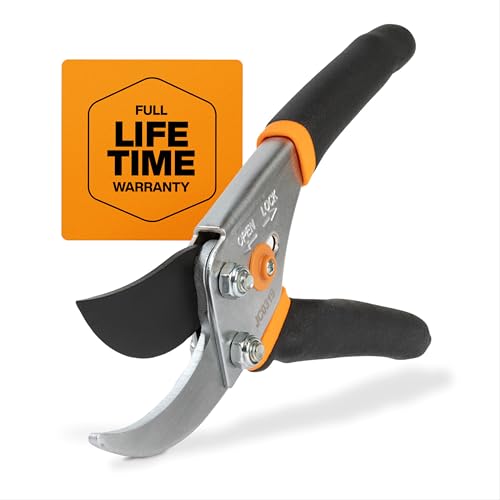
CLEAN CUTS FOR LIVE GROWTH: Bypass blade design is ideal for pruning delicate flower stems and green growth, helping reduce crushing and plant damage while cutting stems and small branches up to 5/8” in diameter

Unbreakable sharpness! Japanese SK5 steel blade with titanium coating endures 100,000 cuts. Built for lifelong clean cuts

Made for Apple Trees – Formulated to support healthy growth in apple and fruit-bearing trees.
Pruning Techniques
Pruning promotes better air circulation and sunlight exposure, essential for strong growth. Focus on these techniques:
- Timing: Prune apple trees during late winter or early spring before new growth starts. This timing encourages robust blooming.
- Cuts: Make clean cuts at a 45-degree angle to minimize damage. Remove dead or damaged branches to prevent disease.
- Shape: Aim for a central leader system. This structure allows sunlight to reach more branches, promoting even fruit distribution.
- Thinning: Thin out crowded branches to reduce competition for nutrients. Target areas where branches cross or are too close together.
Regular pruning not only increases yields but also maintains tree vigor.
Fertilization and Soil Health
Good soil health and appropriate fertilization are crucial for vibrant apple trees. Ensure your trees receive the following:
- Soil Testing: Conduct a soil test to measure nutrient levels and pH. Optimal pH for apple trees ranges from 6.0 to 7.0.
- Organic Matter: Incorporate compost or well-rotted manure into the soil annually to boost nutrient content and improve soil structure.
- Fertilizer Application: Apply balanced fertilizer in early spring. Look for a mix with high phosphorus. Follow label directions for application rates.
- Watering: Maintain consistent moisture, especially during dry spells. Established apple trees typically need about 1 inch of water per week.
Proper fertilization and soil care set the foundation for healthy apple trees with reliable fruit production.
Conclusion
Growing apple trees can be a rewarding experience but it comes with its ups and downs. You might not get fruit every single year due to various factors like tree age and environmental conditions. Understanding these cycles can help you manage your expectations and enjoy the journey.
By taking good care of your trees through proper pruning and soil management you can encourage healthier growth and potentially increase your harvest. Remember to consider cross-pollination and weather patterns as you plan your orchard. With patience and the right practices your apple trees can bring you delicious fruit for many seasons to come.
Frequently Asked Questions
Will my apple tree produce fruit every year?
Apple trees do not always produce fruit annually. They typically bear fruit in cycles, influenced by factors like tree age and biennial bearing, which alternates between heavy and light yields.
How long does it take for an apple tree to bear fruit?
Generally, apple trees start producing fruit between 3 to 5 years after planting. Younger trees may take longer, while established trees can have varying yields each year.
What causes biennial bearing in apple trees?
Biennial bearing occurs when an apple tree allocates its energy to either foliage or fruit in alternating years. This natural cycle can lead to uneven fruit production from year to year.
Do I need more than one apple tree for successful pollination?
Yes, most apple varieties need cross-pollination from another compatible apple tree to produce fruit. Planting at least two trees that bloom simultaneously is recommended for better yields.
How do weather conditions affect apple production?
Weather plays a significant role in apple yields. Factors like spring frost and rainfall during the growing season impact fruit quantity and size. Monitoring weather patterns can help in selecting resilient apple varieties.
What maintenance practices improve fruit production in apple trees?
Regular pruning, proper soil management, and consistent watering are essential maintenance practices. Pruning enhances airflow and light exposure, while soil health ensures trees receive necessary nutrients.
When is the best time to prune apple trees?
The best time to prune apple trees is in late winter or early spring before new growth begins. This helps to improve the tree’s shape, air circulation, and overall vigor.
How can soil health impact apple tree growth and fruiting?
Healthy soil is crucial for apple tree growth. Conducting soil tests to assess nutrients, using organic matter, and applying balanced fertilizers contribute to stronger trees and more abundant fruit yields.
