Close Menu
    Fruit Tree Hub
    • Home
    • Apple Trees
    • Lemon Trees
    • Mango Trees
    • Orange Trees
    • More Trees
      • Best Fruit Trees
      • Apricot Trees
      • Cherry Trees
      • Fig Trees
      • Lime Trees
      • Mulberry Trees
      • Peach Trees
      • Pear Trees
      • Plum Trees
      • Pomegranate Trees
    • Tips and Advice
      • Tools
    • About Us
      • Contact
      • Privacy Policy
    Fruit Tree Hub
    Home»Tips and Advice»How to Deter Squirrels from Fruit Trees: Effective Strategies for Protecting Your Harvest
    Tips and Advice

    How to Deter Squirrels from Fruit Trees: Effective Strategies for Protecting Your Harvest

    Martha JacksonBy Martha JacksonJanuary 28, 20257 Mins Read
    Share Facebook Twitter Pinterest WhatsApp Email
    Share
    Facebook Twitter LinkedIn Pinterest Telegram Email

    Are squirrels raiding your fruit trees and stealing your hard-earned harvest? You’re not alone. Many gardeners face this frustrating challenge, watching as these clever critters munch on their prized fruits.

    Contents show
    1 Key Takeaways
    2 Understanding Squirrel Behavior
    2.1 Why Squirrels Target Fruit Trees
    2.2 Common Signs of Squirrel Activity
    3 Effective Deterrent Methods
    3.1 Physical Barriers
    4 Natural Repellents
    4.1 Spices and Essential Oils
    4.2 Planting Companion Plants
    5 Using Technology to Deter Squirrels
    5.1 Motion-Activated Sprinklers
    5.2 Ultrasonic Repellents
    6 Conclusion
    7 Frequently Asked Questions
    7.1 Why do squirrels raid fruit trees?
    7.2 What are the signs of squirrel activity in fruit trees?
    7.3 How can I protect my fruit trees from squirrels?
    7.4 Are there natural repellents that can keep squirrels away?
    7.5 What technology can help deter squirrels from fruit trees?

    Key Takeaways

    • Understand Squirrel Behavior: Recognizing the foraging patterns and preferences of squirrels helps in designing effective deterrent strategies for fruit trees.
    • Identify Signs of Activity: Watch for nibbled fruit, droppings, damaged branches, and scattered debris to gauge squirrel presence and take proactive measures.
    • Implement Deterrent Methods: Utilize a combination of physical barriers (like tree guards and netting), spicy sprays, and commercial deterrents to protect your fruit harvest.
    • Utilize Natural Repellents: Common household items like cayenne pepper, garlic, and companion plants such as mint and marigolds can effectively deter squirrels without harming them.
    • Incorporate Technology: Motion-activated sprinklers and ultrasonic repellents can provide an innovative approach to keep squirrels away from your fruit trees.
    • Combine Strategies for Best Results: Using a multifaceted approach that integrates various deterrents enhances your chances of successfully protecting your fruit trees from squirrel raids.

    Understanding Squirrel Behavior

    Squirrels exhibit distinctive behaviors that lead them to fruit trees. Recognizing these patterns helps in effectively deterring them.

    Why Squirrels Target Fruit Trees

    Squirrels seek out fruit trees for their ripe, accessible food sources. They are attracted to soft fruits like apples, pears, and plums, which provide essential nutrients and energy. Often, they raid trees during late summer and early fall when fruits are plentiful. Their foraging behavior may also stem from the need to stockpile for winter. Fruiting trees serve as reliable food caches, making them prime targets for these cunning creatures.

    MUST READ
    What Fruit Tree Has Red Leaves That Brighten Your Garden and Provide Delicious Fruits

    Common Signs of Squirrel Activity

    Identifying signs of squirrel activity can inform your prevention strategies. Look for:

    • Nibbled fruits: Bite marks or chewed fruit indicate recent visits.
    • Squirrel droppings: Small, dark, and pellet-shaped feces scattered around the base of trees suggest frequent activity.
    • Damaged branches: Stripped bark or gnawed branches indicate squirrels are actively climbing the tree.
    • Scattered debris: Fallen fruit does not fall naturally; it may be a sign that squirrels are scavenging.

    Monitoring these signs will help you track squirrel behavior and take necessary steps to protect your fruit trees.

    Effective Deterrent Methods

    To protect your fruit trees from squirrel raids, employ strategies that combine multiple deterrent methods for the best results.

    Recommended Products

    VITI Large Fruit Trees Netting Zipper - 2Pcs 10X10 FT with Drawstring Bird-Proof,Durable Mesh Covers for Blueberry,Apple,Pear,Peach,Orange Trees&Tomato Plants Bug Insect Protection Cover (2,10X10 FT)
    VITI Large Fruit Trees Netting Zipper - 2Pcs 10X10 FT with Drawstring Bird-Proof,Durable Mesh Covers for Blueberry,Apple,Pear,Peach,Orange Trees&Tomato Plants Bug Insect Protection Cover (2,10X10 FT)

    ✅【Premium Heavy-Duty Material for Long-Lasting Protection】 VITI Fruit Trees Netting Crafted from reinforced polyethylene with UV-resistant coating, this netting is designed to withstand harsh weather conditions, including sun exposure, rain, and wind, without tearing or degrading over time. Unlike flimsy alternatives, its tear-resistant structure ensures multi-season use, saving you replacement costs.

    VIEW LATEST PRICE

    As an affiliate, we earn on qualifying purchases.

    10ftx10ft Large Fruit Tree Netting Cover with Zipper & Drawstring, Garden Mesh Netting for Protecting Plants from Birds,Squirrels &Bug,Ultra Fine Weather Resistant Tree Netting
    10ftx10ft Large Fruit Tree Netting Cover with Zipper & Drawstring, Garden Mesh Netting for Protecting Plants from Birds,Squirrels &Bug,Ultra Fine Weather Resistant Tree Netting

    Multiple Sizes to Fit Your Backyard Fruit Trees:We have a variety of practical sizes to choose from, which fits almost all the fruit trees in your backyard—cherry, fig, blueberry, peach, apple, you name it! No need to piece small nets together, one net covers the whole tree from top to bottom, perfect for us home gardeners who hate tedious work.

    MUST READ
    How Much Fertilizer Do Fruit Trees Need for Optimal Growth and Fruit Production?
    VIEW LATEST PRICE

    As an affiliate, we earn on qualifying purchases.

    Physical Barriers

    • Tree Guards: Install tree guards around the base of your fruit trees. These can include metal or plastic barriers that prevent squirrels from climbing up.
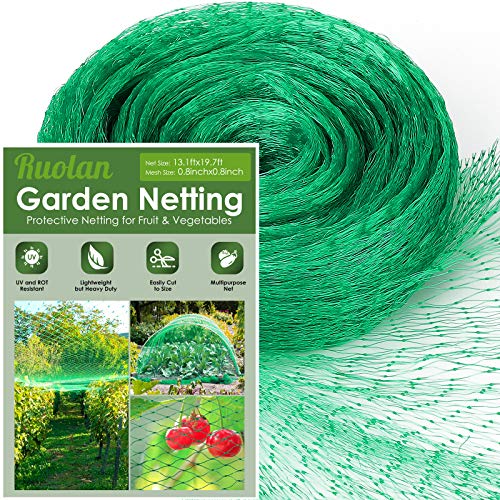
    • Netting: Use bird netting to cover your trees. Ensure it’s securely fastened to stop squirrels from gnawing through.
    • Fencing: Build a fence around your garden. Use wire mesh that’s at least 4 feet high, buried 1 foot underground to thwart digging.
    • Spicy Sprays: Mix water with cayenne pepper or hot sauce. Spray this concoction on your fruits and branches. Squirrels dislike spicy flavors, discouraging them from taking a bite.
    • Commercial Deterrents: Look for taste aversion sprays designed specifically for repelling animals. These can provide a more potent deterrent and are often safe for plant use.
    • Garlic Solutions: Blend garlic cloves with water and spray on fruits. The odor can repel squirrels while being harmless to your trees.

    Using a combination of these methods not only disrupts the squirrels’ behavior but also protects your hard-earned fruits effectively.

    Natural Repellents

    Natural repellents can effectively deter squirrels from your fruit trees. Using common household items and plants can help keep these critters at bay without harming them.

    Recommended Products

    Mighty Mint Peppermint Oil Rodent Repellent Spray – Natural Indoor & Outdoor Control for Mice and Rats – Plant-Based, Extra-Strong Formula - 16 oz
    Mighty Mint Peppermint Oil Rodent Repellent Spray – Natural Indoor & Outdoor Control for Mice and Rats – Plant-Based, Extra-Strong Formula - 16 oz

    PET-FRIENDLY & FAMILY-SAFE FORMULA – Mighty Mint is a top pick for pet parents looking for a natural pest control solution. Safe to use around dogs, cats, and kids when applied as directed—no harsh fumes or dangerous chemicals, just powerful peppermint protection you can trust.

    VIEW LATEST PRICE

    As an affiliate, we earn on qualifying purchases.

    Mighty Mint Peppermint Oil Insect Repellent Spray – Indoor & Outdoor Bug Control for Spiders, Ants, Roaches, and More – Plant-Based, Extra-Strong Formula - 16 oz
    Mighty Mint Peppermint Oil Insect Repellent Spray – Indoor & Outdoor Bug Control for Spiders, Ants, Roaches, and More – Plant-Based, Extra-Strong Formula - 16 oz

    PET-FRIENDLY & FAMILY-SAFE FORMULA – Mighty Mint is a top pick for pet parents looking for a natural pest control solution. Safe to use around dogs, cats, and kids when applied as directed—no harsh fumes or dangerous chemicals. Not recommended for use around birds or exotic pets.

    MUST READ
    How Long for a Mulberry Tree to Fruit: Essential Tips for Growing and Caring for Your Tree
    VIEW LATEST PRICE

    As an affiliate, we earn on qualifying purchases.

    Pest Rodent Repellent, 24 Pack Peppermint Oil Repellent for Mouse Rats Spider Roach Ant Squirrel Pest Control Indoor & Outdoor, Natural Mice Deterrent Replace Trap Poisoning Family & Pet Safe Green
    Pest Rodent Repellent, 24 Pack Peppermint Oil Repellent for Mouse Rats Spider Roach Ant Squirrel Pest Control Indoor & Outdoor, Natural Mice Deterrent Replace Trap Poisoning Family & Pet Safe Green

    【Humane Natural Rodent Repellent】Repel rodents without causing harm, the rat repellent works by emitting multiple strong minty scents, the strong stimulation makes rodents feel uncomfortable and forces them to run away. It is an ideal to replace mouse traps, single use sticky traps, rat poison or pest repellers

    VIEW LATEST PRICE

    As an affiliate, we earn on qualifying purchases.

    Spices and Essential Oils

    Spices and essential oils provide strong scents and tastes that squirrels find unpleasant.

    • Cayenne Pepper: Mix cayenne pepper with water and spray it directly on the fruits and branches. This method takes advantage of the spice’s heat, creating a deterrent.
    • Garlic Oil: Combine garlic oil with soap and water to create a potent spray. The strong aroma discourages squirrels from approaching.
    • Peppermint Oil: Soak cotton balls in peppermint oil and place them around your trees. The scent often repels squirrels, making them think twice about invading your garden.

    Planting Companion Plants

    Certain companion plants can help mask the scent of your fruit trees while also repelling squirrels.

    • Mint: Plant mint near your fruit trees. The strong scent deters squirrels and is easy to grow in various environments.
    • Marigolds: These bright flowers emit a smell that squirrels dislike. Plant them around your fruit trees to create a natural barrier.
    • Rosemary: This aromatic herb not only complements your garden but also serves as a deterrent to squirrels. Its robust scent can keep them from approaching fruit trees.

    Utilizing these natural repellents can significantly reduce squirrel disturbances and protect your precious fruit harvest.

    MUST READ
    Which Fertilizer for Fruit Trees: A Complete Guide to Boosting Health and Yield

    Using Technology to Deter Squirrels

    Using technology can enhance your efforts to keep squirrels away from fruit trees. Two effective tools include motion-activated sprinklers and ultrasonic repellents.

    Recommended Products

    Orbit Yard Enforcer Motion-Activated Sprinkler - Outdoor Animal Repeller & Lawn Protector - Motion Sensor - Multi-Angle Detection - Weatherproof Dual-Purpose Sprinkler - 62100
    Orbit Yard Enforcer Motion-Activated Sprinkler - Outdoor Animal Repeller & Lawn Protector - Motion Sensor - Multi-Angle Detection - Weatherproof Dual-Purpose Sprinkler - 62100

    Humane Lawn Protection: The Orbit Yard Enforcer Motion-Activated Sprinkler helps guard gardens and lawns from unwanted animals using a motion-activated sprinkler system

    VIEW LATEST PRICE

    As an affiliate, we earn on qualifying purchases.

    Motion Sensor Sprinkler, Garden Water Sprayer with Stake, Automatic Animal Sprinkler Color Green
    Motion Sensor Sprinkler, Garden Water Sprayer with Stake, Automatic Animal Sprinkler Color Green

    MOTION DETECTION: Advanced sensor detects movement and triggers targeted water spray to deter unwanted animals from your garden or yard

    VIEW LATEST PRICE

    As an affiliate, we earn on qualifying purchases.

    Motion Activated Sprinklers for Yard - Effective Deer & Cat Repellent, Skunk Deterrent, Raccoon & Dog Repellent, Lawn Sprinkler System, Water Sprinkler for Lawn Protection
    Motion Activated Sprinklers for Yard - Effective Deer & Cat Repellent, Skunk Deterrent, Raccoon & Dog Repellent, Lawn Sprinkler System, Water Sprinkler for Lawn Protection

    Motion Activated Sprinkler: Our motion activated sprinkler serves as an effective deer repellent device and cat deterrent, providing an efficient solution for keeping cats out of yard permanently. Ideal for yards, this device offers peace of mind.

    VIEW LATEST PRICE

    As an affiliate, we earn on qualifying purchases.

    Motion-Activated Sprinklers

    Motion-activated sprinklers provide a surprising deterrent. When squirrels approach, sensors trigger a burst of water, startling them and sending them fleeing. For best results, place the sprinkler near the base of the tree, ensuring it’s covered from multiple angles. Most models are easily adjustable, allowing you to customize the sensitivity and spray distance. This setup works well during peak squirrel activity, particularly in late summer and early fall.

    Ultrasonic Repellents

    Ultrasonic repellents emit high-frequency sounds that irritate squirrels without bothering humans or pets. These devices are usually portable and can be strategically placed around your fruit trees. Look for models with adjustable frequency settings to optimize effectiveness. It’s essential to check the battery life regularly, as these devices require consistent power to operate. For enhanced impact, consider combining ultrasonic repellents with other deterrent methods for a multi-faceted approach.

    MUST READ
    How Long Before a Tangerine Tree Produces Fruit: Factors Affecting Your Harvest Time

    Conclusion

    Protecting your fruit trees from squirrels doesn’t have to be a daunting task. By understanding their behavior and employing a mix of physical barriers and natural repellents, you can keep these pesky critters at bay.

    Don’t forget to incorporate technology like motion-activated sprinklers for an added layer of defense. With a little creativity and persistence, you can enjoy the fruits of your labor without sharing them with squirrels. Happy gardening and may your trees thrive!

    Frequently Asked Questions

    Why do squirrels raid fruit trees?

    Squirrels are attracted to fruit trees for their ripe and soft fruits, such as apples, pears, and plums. They often raid trees during late summer and early fall, motivated by their instinct to gather food for winter storage.

    What are the signs of squirrel activity in fruit trees?

    Common signs of squirrel activity include nibbled fruits, squirrel droppings, visible damage to tree branches, and debris left under the trees. Monitoring these signs can help you determine if squirrels are causing issues in your garden.

    How can I protect my fruit trees from squirrels?

    To protect your fruit trees, you can use physical barriers like tree guards, nets, or fencing. Additionally, applying spicy sprays, commercial repellents, or natural solutions like garlic and peppermint oils can also deter squirrels from raiding your harvest.

    Are there natural repellents that can keep squirrels away?

    Yes, natural repellents include spices like cayenne pepper and essential oils such as garlic and peppermint. These substances create strong odors and tastes that squirrels find unpleasant, making them less likely to approach your fruit trees.

    What technology can help deter squirrels from fruit trees?

    Consider using motion-activated sprinklers, which spray water to startle squirrels when they approach. Ultrasonic repellents that emit high-frequency sounds can also irritate squirrels while being safe for humans and pets. Combining these with other methods is most effective.

    Share. Facebook Twitter Pinterest LinkedIn Tumblr Email
    martha jackson
    Martha Jackson

      Martha Jackson is an accomplished freelance writer and editor with a strong interest in gardening. With a degree in English from the University of California, Berkeley, Martha has over 15 years of experience writing for a variety of publications. She is passionate about making gardening accessible to all and is always seeking out new techniques and innovations.

      Related Posts

      How Long Until Avocado Trees Bear Fruit and Tips for Faster Growth at Home

      February 20, 2025

      What Yellow Fruit Grows on Trees and Their Delicious Health Benefits

      February 20, 2025

      How to Air Layer Fruit Trees: A Step-by-Step Guide for Successful Propagation

      February 20, 2025

      When Do Grapefruit Trees Produce Fruit and How to Maximize Your Harvest

      February 20, 2025

      What Is a Fast Growing Fruit Tree: Discover Quick-Yield Options for Your Garden

      February 20, 2025

      Do Cherry Blossom Trees Have Fruit? Discover the Truth About Their Edibility and Benefits

      February 20, 2025
      Leave A Reply Cancel Reply

      Affiliate Disclosure

      As an Amazon Associate I earn from qualifying purchases.

      Recommended Reading

      Growing Kiwi in Southern California: Tips for Successful Cultivation

      How Many Times Does Banana Tree Bear Fruit and What You Need to Know to Maximize Production

      Growing Banana Trees in Nevada (Desert Success and Irrigation)

      Growing Avocado Trees in Nevada (Desert Success and Irrigation)

      Growing the Best Fruit Trees for Charleston SC: A Guide to Year-Round Produce & Maintenance

      How Long for Macadamia Trees to Fruit: A Complete Guide to Growing and Care Tips

      What Fruit Trees Grow Well in Wisconsin: Top Varieties for a Thriving Backyard Orchard

      When to Prune Fruit Trees in Ohio: Tips for Healthy Growth and Maximum Yield

      Growing Kiwi in a Pot: From Planting to Harvesting and Enjoying Fresh Fruits

      How to Keep Raccoons Out of Fruit Trees: Effective Strategies for Protecting Your Harvest

      Fruit Tree Hub

      Fruit Tree Hub is a website dedicated to providing you everything you need to grow fruit trees successfully at in your own yard.

      Contact us at: [email protected]

      - AFFILIATE DISCLOSURE: As an Amazon Associate I earn from qualifying purchases.

      Latest Posts

      Can Olive Trees Grow in New Jersey? Garden State Growth Tips

      Can Star Fruit Trees Grow in Missouri? Expert Variety Guide

      How to Grow Jujube Trees in Las Vegas, NV: Desert Growth

      Mango Trees in Illinois: Indoor and Greenhouse Growth Secrets

      Growing Papaya Trees in Oklahoma: High Heat Resilience

      Tamarind Trees in a Pot in Ohio (Complete Maintenance Manual)

      Can Fig Trees Grow in Long Beach, CA? Coastal Salt Tips

      Plum Trees in District of Columbia (Urban Microclimate Tips)

      Categories
      • Almond Trees
      • Apple Trees
      • Apricot Trees
      • Best Fruit Trees
      • Blackberry
      • Cantaloupe
      • Cherry Trees
      • Crochet Ideas
      • Crochet Ideas for Beginners
      • Cucamelon
      • Easy Crochet Ideas
      • Easy Knitting Projects
      • Fig Trees
      • Grapefruit Trees
      • Grapes
      • Guava Trees
      • Honeydew
      • Jujube Trees
      • Kiwi
      • Knitting For Beginners
      • Knitting Ideas
      • Knitting Inspiration
      • Lemon Trees
      • Lime Trees
      • Loquat Trees
      • Mango Trees
      • Mulberry Trees
      • Nectarine Trees
      • Olive Trees
      • Orange Trees
      • Papaya Trees
      • Peach Trees
      • Pear Trees
      • Persimmon Trees
      • Planting
      • Plum Trees
      • Pomegranate Trees
      • Quince Trees
      • Raspberry
      • Reviews
      • Small Crochet Ideas
      • Star Fruit Trees
      • Summer Crochet Ideas
      • Tamarind Trees
      • Tangerine Trees
      • Tips and Advice
      • Tools
      • Uncategorized
      • Walnut Trees
      © 2026 Fruit Tree Hub
      • Home
      • About Us
      • Contact
      • Privacy Policy
      • Terms and Conditions
      • Disclaimer
      • Editorial Policy
      • Affiliate Disclosure

      Type above and press Enter to search. Press Esc to cancel.