
Close Menu
    Fruit Tree Hub
    • Home
    • Apple Trees
    • Lemon Trees
    • Mango Trees
    • Orange Trees
    • More Trees
      • Best Fruit Trees
      • Apricot Trees
      • Cherry Trees
      • Fig Trees
      • Lime Trees
      • Mulberry Trees
      • Peach Trees
      • Pear Trees
      • Plum Trees
      • Pomegranate Trees
    • Tips and Advice
      • Tools
    • About Us
      • Contact
      • Privacy Policy
    Fruit Tree Hub
    Home»Climbing Fruit»Raspberry»When to Prune Black Raspberries for Juicier Berries: A Complete Guide
    Raspberry

    When to Prune Black Raspberries for Juicier Berries: A Complete Guide

    Lucy SmithBy Lucy SmithSeptember 5, 20246 Mins Read
    Share Facebook Twitter Pinterest WhatsApp Email
    Share
    Facebook Twitter LinkedIn Pinterest Telegram Email

    Wondering when the best time is to prune your black raspberries? Picture this: it’s a sunny day, and you’re in your garden, eyeing those unruly raspberry bushes. You know they need some attention, but you’re not quite sure when or how to do it. That’s where we come in to help.

    Contents show
    1 Key Takeaways
    2 The Importance of Pruning Black Raspberries
    2.1 Why It’s Essential for Plant Health
    2.2 Benefits for Fruit Production
    3 Identifying the Right Time to Prune Black Raspberries
    4 Steps to Effective Pruning
    4.1 Tools You Will Need
    5 Common Pruning Mistakes to Avoid
    5.1 Over-Pruning Concerns
    5.2 Timing Errors
    6 Conclusion
    7 Frequently Asked Questions
    7.1 How often should black raspberries be pruned?
    7.2 What canes should be removed during pruning?
    7.3 Why is understanding the growth cycle important for pruning black raspberries?
    7.4 What are some common pruning mistakes to avoid?

    In this article, we’ll guide you through the process of pruning black raspberries with simple and practical tips. By understanding the right timing for pruning, you can ensure healthy growth and a bountiful harvest of delicious berries. Stay tuned to learn how a little trimming at the right moment can make all the difference in your black raspberry patch.

    Key Takeaways

    • Pruning black raspberries is essential for plant health and fruit production.
    • Understanding the growth cycle of black raspberries helps in identifying the right time to prune.
    • Use sharp pruning shears, gloves, safety glasses, and loppers for effective pruning.
    • Avoid over-pruning and timing errors to ensure optimal growth and fruit production.

    The Importance of Pruning Black Raspberries

    Pruning black raspberries is crucial for their overall health and productivity. Here’s why it’s essential for your plant and the benefits it brings:

    MUST READ
    Planting Raspberries and Strawberries Together: A Guide to Successful Companion Planting

    Why It’s Essential for Plant Health

    Regular pruning promotes air circulation around the plant, reducing the risk of diseases such as mold or mildew. It also helps in maintaining the plant’s vigor by removing dead or diseased canes. By cutting back older canes, you encourage new growth that leads to healthier and more robust plants.

    Benefits for Fruit Production

    Pruning plays a significant role in enhancing fruit production. By trimming excess canes, you direct the plant’s energy towards developing quality fruits rather than spreading it across numerous canes. This results in larger, juicier berries that are easier to harvest. Additionally, proper pruning ensures that sunlight reaches all parts of the plant evenly, promoting uniform ripening of fruits throughout the bush.

    Identifying the Right Time to Prune Black Raspberries

    Understanding the Growth Cycle
    To identify the right time to prune your black raspberries, it’s crucial to understand their growth cycle. Black raspberries are typically pruned twice a year: once in late winter or early spring and again after fruiting in summer. During late winter or early spring pruning, focus on removing dead, damaged, or weak canes to promote new growth. Summer pruning involves cutting back fruited canes that won’t produce berries next season.

    Seasonal Guidelines for Pruning
    In late winter or early spring, when your black raspberry plants are dormant, grab your pruning shears and start by removing any canes that look unhealthy or dead. Trim back lateral branches to about 12-18 inches long, leaving behind strong, healthy canes for the upcoming growing season. After harvesting fruits in summer, trim out the old fruited canes at ground level to make room for new ones. Remember not to prune too late in summer as it may affect next year’s fruit production.

    MUST READ
    Debunking the Myth: Blackberries and Raspberries - Not From the Same Bush

    By following these seasonal guidelines and understanding the growth cycle of black raspberries, you’ll ensure optimal health and fruit production from your plants throughout the year.

    Recommended Products
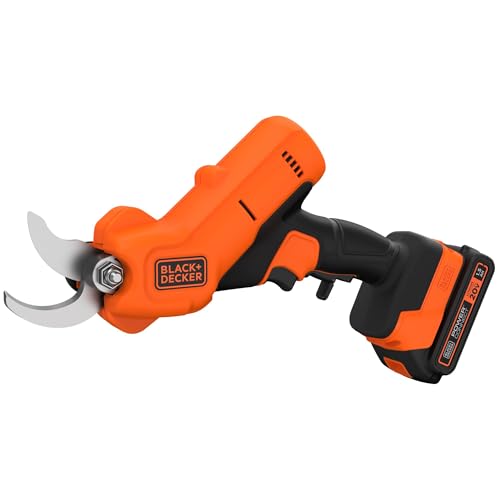
    BLACK+DECKER 20V MAX* Cordless Pruner Electric Pruning Shears, Battery and Charger Included, 900 Cuts Per Charge, Electric Pruner, Tool Free Blade Change (BCPR320C1)
    BLACK+DECKER 20V MAX* Cordless Pruner Electric Pruning Shears, Battery and Charger Included, 900 Cuts Per Charge, Electric Pruner, Tool Free Blade Change (BCPR320C1)

    1" cut capacity: designed to cut through wet and dry wood with ease

    VIEW LATEST PRICE

    As an affiliate, we earn on qualifying purchases.

    DECERK® 8.5" Professional Pruning Shears, Effortlessly Prunes 3/4" Branches
    DECERK® 8.5" Professional Pruning Shears, Effortlessly Prunes 3/4" Branches

    LONG-LASTING SHARPNESS: Japanese SK5 bypass blade with titanium coating is tested through 5,000 cuts to maintain a sharp edge and deliver clean, consistent cuts on live stems and branches

    VIEW LATEST PRICE

    As an affiliate, we earn on qualifying purchases.

    Fiskars Bypass Pruning Shears, 5/8" Cut Capacity Garden Clippers
    Fiskars Bypass Pruning Shears, 5/8" Cut Capacity Garden Clippers

    CLEAN CUTS FOR LIVE GROWTH: Bypass blade design is ideal for pruning delicate flower stems and green growth, helping reduce crushing and plant damage while cutting stems and small branches up to 5/8” in diameter

    VIEW LATEST PRICE

    As an affiliate, we earn on qualifying purchases.

    Steps to Effective Pruning

    To ensure the optimal health and productivity of your black raspberries, follow these steps for effective pruning.

    Recommended Products

    3 Pack Garden Pruning Shears, Stainless Steel Shears, Gardening Shears Scissors Pruning Shears for Gardening Tools (3PCS Pink and Black)
    3 Pack Garden Pruning Shears, Stainless Steel Shears, Gardening Shears Scissors Pruning Shears for Gardening Tools (3PCS Pink and Black)

    【WIDELY USED】: Our pruning shears set include 3 different blades for a variety of general pruning work. Great for trimming flowers, plants, bonsai, hydroponics, herbs, light branches and so on. Garden shears are ideal for pruning needs and perfect gift for gardening friends.

    MUST READ
    How Often Do You Water Raspberries for Optimal Growth and Fruit Production
    VIEW LATEST PRICE

    As an affiliate, we earn on qualifying purchases.

    VIVOSUN 6.5 Inch Gardening Scissors Hand Pruner Pruning Shear with Straight Stainless Steel Blades Orange 1-Pack
    VIVOSUN 6.5 Inch Gardening Scissors Hand Pruner Pruning Shear with Straight Stainless Steel Blades Orange 1-Pack

    Reduce Hand Strain: These micro tip snips are made to reduces hand fatigue which makes them great for those with arthritis, carpal tunnel, hand or wrist issues; Comfortable “grip” handles will make it easy to work for long-time use without making you feel hand pain

    VIEW LATEST PRICE

    As an affiliate, we earn on qualifying purchases.

    2-Pack Stainless Steel Gardening Scissors, Pruning Shears and Clippers for Gardening
    2-Pack Stainless Steel Gardening Scissors, Pruning Shears and Clippers for Gardening

    DUAL CUTTING POWER: VERSATILE PRUNING COMBO --- With both Pruning Shears and Pruning Snip, this combo delivers unmatched versatility. Whether you're delicately trimming flowers and shrubs, tackling thicker tree branches, or tending to your vegetable and fruit garden, our combo pack excels in all areas. They're also perfect for landscaping projects and maintaining the health and appearance of indoor plants. With this pack, you have a versatile tool that simplifies your gardening tasks.

    VIEW LATEST PRICE

    As an affiliate, we earn on qualifying purchases.

    Tools You Will Need

    1. Pruning Shears: Use sharp, clean pruning shears to make precise cuts without causing damage to the plant.
    2. Gloves: Protect your hands with sturdy gloves to avoid scratches from thorns while handling the canes.
    3. Safety Glasses: Wear safety glasses to shield your eyes from any debris that may fly up during pruning.
    4. Loppers (Optional): For thicker canes, loppers can be useful in making clean cuts without straining your hands.
    MUST READ
    Growing Raspberries from Seeds: Tips for Success and Care Guide
    1. Identify Dead Canes: Start by identifying dead, damaged, or weak canes that need removal. They are usually discolored or brittle.
    2. Cut at Ground Level: Using your pruning shears, cut the identified canes at ground level to promote new growth.
    3. Thin Out Crowded Areas: Remove excess canes in dense areas to improve air circulation and sunlight exposure for healthy growth.
    4. Prune After Fruiting: In summer, focus on cutting back fruited canes that have already borne fruit as they won’t produce berries next season.
    5. Dispose Properly: Gather all pruned material and dispose of it away from the garden area to prevent diseases from spreading.

    Common Pruning Mistakes to Avoid

    When it comes to pruning black raspberries, there are a few common mistakes you should steer clear of to ensure the health and productivity of your plants. Here’s what you need to know:

    Over-Pruning Concerns

    Over-pruning can harm your black raspberry plants more than help them. It’s crucial not to get carried away with cutting as this can lead to stunted growth and reduced fruit production. Remember, moderation is key when it comes to pruning these delicate plants.

    Timing Errors

    Timing is everything when it comes to pruning black raspberries. Pruning at the wrong time can disrupt the plant’s growth cycle and impact next season’s harvest. Make sure you prune in late winter or after fruiting in summer as advised, avoiding any other times of the year for optimal results.

    By being mindful of these common pruning mistakes and avoiding them, you’ll set your black raspberry plants up for success, ensuring they thrive year after year.

    MUST READ
    What Can You Plant with Raspberries for a Thriving Garden Ecosystem

    Conclusion

    You now have a solid understanding of the importance of pruning black raspberries for their overall health and productivity. Remember, proper pruning involves removing specific canes at the right times to ensure robust growth and flavorful berries. By following the suggested pruning techniques and avoiding common mistakes like over-pruning or incorrect timing, you can set your black raspberry plants up for success season after season. Happy gardening!

    Frequently Asked Questions

    How often should black raspberries be pruned?

    Black raspberries should be pruned twice a year – in late winter before new growth starts and after fruiting in the summer.

    What canes should be removed during pruning?

    During pruning, remove dead, damaged, or weak canes to encourage healthy growth and larger berries.

    Why is understanding the growth cycle important for pruning black raspberries?

    Understanding the growth cycle helps in timing the pruning correctly for optimal results and promoting plant health.

    What are some common pruning mistakes to avoid?

    Avoid over-pruning, as it can stunt growth and reduce fruit production. Also, ensure proper timing to prevent disrupting the plant’s growth cycle.

    Share. Facebook Twitter Pinterest LinkedIn Tumblr Email
    lucy smith
    Lucy Smith
    • Website

    Lucy Smith is a highly experienced horticulturist with a passion for fruit tree cultivation. She holds a degree in Horticulture from the University of California, Davis, and has worked in various roles in the industry. With over 10 years of experience, Lucy is dedicated to using eco-friendly methods for sustainable gardening practices.

    Related Posts

    Discovering Raspberry Growth Maps: Unveiling Ideal Cultivation Regions Worldwide

    September 7, 2024

    Companion Planting Blackberries and Raspberries: Tips for Successful Growth

    September 7, 2024

    When to Transplant Black Raspberries for Healthy Growth and Fruit Production

    September 7, 2024

    How to Grow Raspberries in Ohio: A Complete Guide for Successful Harvests

    September 7, 2024

    What Type of Soil Do Raspberries Need? Tips for Healthy Growth and Bountiful Harvests

    September 7, 2024

    Companion Planting Strawberries, Blueberries, and Raspberries: Tips for a Thriving Berry Garden

    September 7, 2024
    Leave A Reply Cancel Reply

    Affiliate Disclosure

    As an Amazon Associate I earn from qualifying purchases.

    Recommended Reading

    What Time of Year Do Peach Trees Bear Fruit and How to Maximize Your Harvest

    How to Keep Birds and Squirrels Out of Fruit Trees: Proven Strategies for a Successful Harvest

    How Much Fruit Does an Apple Tree Produce: Tips to Maximize Your Apple Harvest

    Creating a Wildlife Habitat With Olive Trees

    When Do Honeycrisp Apple Trees Bear Fruit and How to Ensure a Bountiful Harvest

    What Scares Squirrels Away from Fruit Trees: Effective Strategies for Gardeners to Protect Harvests

    How to Prune a Pear Tree for Fruit: Essential Tips for Maximizing Your Harvest

    Is Olive Oil Production Sustainable

    How Do You Get Fruit Trees in Animal Crossing to Maximize Your Island’s Charm and Harvests

    Apple Trees in Oakland, CA: Bay Area Microclimate Success

    Fruit Tree Hub

    Fruit Tree Hub is a website dedicated to providing you everything you need to grow fruit trees successfully at in your own yard.

    Contact us at: [email protected]

    - AFFILIATE DISCLOSURE: As an Amazon Associate I earn from qualifying purchases.

    Latest Posts

    18 Halloween Crochet Blanket Ideas Featuring Pumpkins, Ghosts, and Seasonal Motifs

    20 Festive Fall Crochet Blanket Ideas in Rust, Mustard, and Earthy Tones

    25 Chunky Crochet Blanket Ideas Using Bulky Yarn for Thick Texture

    24 Filet Crochet Blanket Ideas Featuring Openwork Motifs

    19 Simple One-Color Crochet Blanket Ideas for Minimalist Designs

    22 Dreamy Crochet Temperature Blanket Ideas for Year-Long Color Tracking

    18 Lightweight Crochet Picnic Blanket Ideas for Outdoor Use

    20 Practical Crochet Pet Blanket Ideas for Dogs and Cats

    Categories
    • Almond Trees
    • Apple Trees
    • Apricot Trees
    • Best Fruit Trees
    • Blackberry
    • Cantaloupe
    • Cherry Trees
    • Christmas Crochet Ideas
    • Crochet Bag Ideas
    • Crochet Blanket Ideas
    • Crochet Ideas
    • Crochet Ideas for Beginners
    • Cucamelon
    • Easy Crochet Ideas
    • Easy Knitting Projects
    • Fall Crochet Ideas
    • Fig Trees
    • Grapefruit Trees
    • Grapes
    • Guava Trees
    • Halloween Crochet Ideas
    • Honeydew
    • Jujube Trees
    • Kiwi
    • Knitting For Beginners
    • Knitting Ideas
    • Knitting Inspiration
    • Lemon Trees
    • Lime Trees
    • Loquat Trees
    • Mango Trees
    • Mulberry Trees
    • Nectarine Trees
    • Olive Trees
    • Orange Trees
    • Papaya Trees
    • Peach Trees
    • Pear Trees
    • Persimmon Trees
    • Planting
    • Plum Trees
    • Pomegranate Trees
    • Quince Trees
    • Raspberry
    • Reviews
    • Small Crochet Ideas
    • Star Fruit Trees
    • Summer Crochet Ideas
    • Tamarind Trees
    • Tangerine Trees
    • Tips and Advice
    • Tools
    • Uncategorized
    • Walnut Trees
    • Winter Crochet Ideas
    © 2026 Fruit Tree Hub
    • Home
    • About Us
    • Contact
    • Privacy Policy
    • Terms and Conditions
    • Disclaimer
    • Editorial Policy
    • Affiliate Disclosure

    Type above and press Enter to search. Press Esc to cancel.