

Have you ever wondered why your plum tree isn’t producing as much fruit as you’d like? You’re not alone. Many gardeners face the challenge of encouraging their trees to bear more fruit, and the solution often lies in proper pruning techniques.
Key Takeaways
- Pruning plum trees significantly enhances fruit production, with well-pruned trees yielding up to 50% more fruit than unpruned ones.
- The best time to prune is during late winter or early spring, as this minimizes stress and risks of disease for the tree.
- Essential tools for pruning include pruning shears, loppers, a pruning saw, gloves, safety glasses, and sturdy shoes, ensuring efficient and safe practices.
- Effective pruning techniques involve heading cuts for bushier growth, thinning cuts for better light and airflow, and maintaining an open center for sunlight access.
- Avoid over-pruning by limiting foliage removal to no more than 20% per season to ensure the tree retains enough energy for healthy fruiting.
- Be mindful of timing errors; pruning in the wrong season can stress the tree and increase disease susceptibility. Adjust your pruning schedule based on local climate conditions.
Understanding Plum Tree Pruning
Pruning plum trees significantly boosts fruit production. You’ll notice healthier trees and larger yields when you apply the right techniques.
Importance of Pruning for Fruit Production
Pruning shapes the tree, removes dead or diseased branches, and encourages airflow. Improved sunlight exposure helps blossoms develop. Regular pruning prevents overcrowding, allowing more energy for fruit growth. For instance, a well-pruned tree produces up to 50% more fruit compared to an unpruned tree.
Best Time to Prune Plum Trees
Prune plum trees during late winter or early spring before new growth begins. This timing minimizes stress on the tree and reduces the risk of disease. If you’re in a warmer climate, pruning in late summer helps promote better fruiting. Monitor local weather patterns; timing can vary based on your region, ensuring optimal results for your plum production.
Tools Needed for Pruning
To effectively prune plum trees, gather the right tools. Using the proper equipment ensures efficient and safe pruning practices.
Recommended Products

PROFESSIONAL GARDENING GRAFTING TOOLS: Including 2 in 1 grafting pruning tools, 3 replaceable blades, a grafting knife, a screwdriver, a wrench, 2 grafting films, 160 rubber bands, 40 wide rubber bands, and 50 colorful tag cards
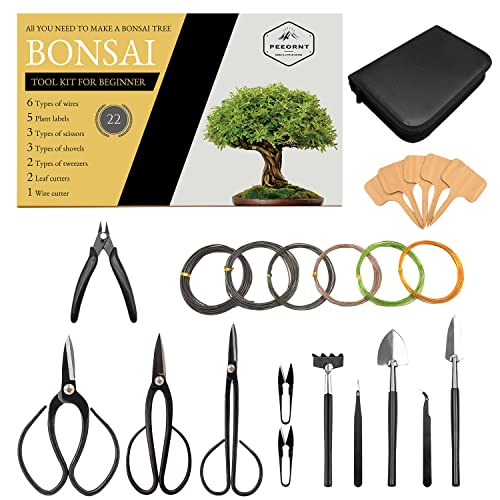
EVERYTHING YOU NEED TO START BONSAI - The bonsai tree kit includes 3 x bonsai scissor, 2 x leaf cutters, 2 x tweezers, 3 x soil shovels/rakes, 6 x bonsai training wires, 1 x wire cutter, 5 x bamboo plant markers. Start your bonsai journey with our bonsai kit.

Various Bonsai Tools: This bonsai helper set including 3 bonsai pruning scissors, 1 folding scissors, 1 rake, 2 spades and 1 pair of tweezers. The combination of various tools allows you to take better care of plants.
Essential Pruning Tools
- Pruning Shears: These handheld scissors cut branches up to ¾ inch thick. Choose a high-quality pair with a sharp blade for clean cuts.
- Loppers: Use loppers for branches thicker than ¾ inch. They provide extra leverage and help reach higher limbs.
- Pruning Saw: This tool works well for larger branches. A curved blade offers more cutting power and efficiency.
- Hand Saw: A smaller, portable saw is useful for tight spaces and precise cuts.
- Rake: Clear away cut branches and debris with a rake. Keeping the area tidy eliminates hazards.
- Safety Glasses: Protect your eyes from falling debris when cutting branches.
- Gloves: Wear sturdy gloves to prevent cuts and blisters, ensuring a better grip on tools.
- Hearing Protection: If using power tools, consider wearing ear protection. It helps shield your ears from loud sounds.
- Long Pants: Dress in long pants to guard against scratches and insect bites while moving through the trees.
- Sturdy Shoes: Use closed-toe shoes with good traction. They offer stability and help prevent slips while working.
Having the right tools and safety gear can make your pruning experience smoother and more effective. Prepare your equipment beforehand to ensure a successful pruning session for your plum trees.
Pruning Techniques for Plum Trees
Effective pruning techniques transform your plum tree’s health and productivity. Use precise methods to maximize fruit yields and maintain structure.
Types of Pruning Cuts
- Heading Cuts: Shorten branches to encourage bushier growth. Cut just above a bud to stimulate upward growth.
- Thinning Cuts: Remove entire branches at the point of origin. This increases light penetration and airflow, benefiting overall tree health.
- Crown Reductions: Reduce the height and spread of the tree. Cut back to a lateral branch to maintain balance and prevent overgrowth.
- Suckering: Remove suckers from the base of the tree. Cutting these assists in redirecting energy towards fruit production rather than excessive foliage.
- Open Center: Aim for a vase shape. Prune to create an open center that allows sunlight to reach the inner branches, enhancing fruiting.
- Central Leader: Maintain a single main trunk. Prune lower branches to promote upward growth and minimize overcrowding.
- Spacing: Space branches adequately. Ensure branches are 6-12 inches apart to prevent competition for resources.
- Seasonal Adjustments: Adjust techniques based on the tree’s age. Young trees need more shaping, while mature ones require maintenance pruning.
By following these techniques, you’ll create a healthy and productive plum tree. Effective pruning leads to better sun exposure and airflow, both vital for a fruitful harvest.
Common Mistakes to Avoid
Avoiding common pruning mistakes is essential for maintaining healthy plum trees and ensuring bountiful fruit production. Pay attention to these areas for better results.
Over-Pruning Concerns
Over-pruning can damage your plum trees and hinder fruit production. Excessive cutting reduces the tree’s natural canopy, which leads to decreased photosynthesis and slower growth. Aim to remove no more than 20% of a tree’s foliage in a single season. Leaving sufficient foliage ensures the tree has enough energy for healthy fruiting. Regularly assess the tree’s development and prune judiciously instead of removing large sections at once.
Timing Errors
Timing plays a crucial role in the success of your pruning efforts. Pruning at the wrong time can lead to stress and increased vulnerability to diseases. Aim to prune during late winter or early spring when trees are still dormant. Avoid pruning in late fall or winter in regions with harsh winters, as this can expose fresh cuts to cold damage. If you live in a warmer climate, late summer pruning can help manage growth and enhance fruit quality. Always consider your local climate and adjust your pruning schedule accordingly.
Conclusion
Pruning your plum trees is a rewarding task that pays off with bountiful fruit. By following the right techniques and timing you can create a healthy tree that thrives and produces more fruit. Remember to use the proper tools and safety gear to make the process smoother and more enjoyable.
Keep an eye on your trees and adjust your pruning methods as needed based on their age and growth patterns. With a little patience and care you’ll be well on your way to enjoying a fruitful harvest from your plum trees. Happy gardening!
Frequently Asked Questions
Why are my plum trees not producing enough fruit?
Many factors can affect fruit production, including insufficient sunlight, poor soil quality, and lack of proper pruning. Regularly pruning your plum trees can significantly enhance their health and boost fruit yields.
When is the best time to prune plum trees?
The ideal time to prune plum trees is in late winter or early spring before new growth starts. This timing minimizes stress on the tree and reduces the risk of diseases. In warmer climates, late summer pruning can be beneficial.
What tools do I need for pruning plum trees?
Essential pruning tools include pruning shears for small branches, loppers for thicker limbs, and pruning saws for larger branches. Don’t forget to use safety gear like gloves, safety glasses, and sturdy shoes to protect yourself while pruning.
What are the key pruning techniques for plum trees?
Key pruning techniques include heading cuts to promote bushier growth, thinning cuts to improve airflow, and crown reductions for balance. Removing suckers is also vital for directing energy towards fruit production and ensuring good branch spacing.
What mistakes should I avoid when pruning plum trees?
Avoid over-pruning, which can damage the tree by removing too much foliage. It’s best to prune no more than 20% of a tree’s foliage in a season. Also, ensure to prune at the right time to prevent stress and disease susceptibility.
