

Have you ever wondered when the best time is to plant new fruit trees? Timing can make all the difference between a thriving tree and one that struggles to grow. If you’ve ever faced the disappointment of a failed planting, you’re not alone. Many gardeners share this frustration, but the good news is that with a little guidance, you can set your trees up for success.
Key Takeaways
- Timing is Crucial: The best time to plant new fruit trees is during their dormant phase, typically in late winter to early spring, to reduce stress and promote successful establishment.
- Climate Matters: Local climate greatly influences planting times; warmer regions may require earlier planting compared to colder areas, which have extended dormant periods.
- Spring vs. Fall Planting: Spring offers warmer soil temperatures for rapid root growth, while fall allows trees to develop strong roots before winter dormancy, with the added benefit of consistent rainfall.
- Soil Preparation is Key: Proper soil conditions, including pH, drainage, and nutrient levels, are essential for healthy root development and long-term success.
- Choose the Right Location: Ensure ample sunlight, proper drainage, and space for growth; proximity to pollination partners also enhances fruit production.
- Monitor Frost Dates: Always consider local frost dates to avoid planting too early and risking damage to young trees.
Understanding Fruit Tree Growth Cycles
Understanding the growth cycles of fruit trees helps you determine the best times for planting. Aligning your planting schedule with these cycles ensures your trees thrive.
Dormant vs. Active Growth Periods
Fruit trees experience distinct growth phases: dormant and active. In the dormant phase, which usually occurs during winter, trees conserve energy and prepare for the next cycle. This phase is ideal for planting because trees undergo less stress during establishment.
In contrast, active growth periods, typically in spring and summer, involve increased nutrient uptake and energy use. Planting during this time can lead to faster growth, but it also exposes young trees to stress from heat and pests. For optimal planting, aim for late winter to early spring, before the buds swell.
Climate Considerations
Climate significantly influences fruit tree growth cycles. In warmer regions, trees may enter dormancy later, while in colder areas, the dormancy period is often extended.
Local temperature averages help you determine the right planting time. For example, if your area has a mild winter, you can plant earlier than in regions with harsh winters. Additionally, consider rainfall patterns. Sufficient moisture supports root establishment, so aim for early spring when soil is moist but not overly saturated. Pay attention to frost dates too; avoid planting until after the last expected frost to protect young trees from damage.
Best Times to Plant New Fruit Trees
Timing plays a crucial role in fruit tree success. The right season can enhance growth and health, leading to fruitful harvests.
Recommended Products

4 kinds of the most popular fruits, individually packaged, 50pcs Lemon seeds 50pcs Cherry seeds 50pcs Orange seeds 50pcs Apple seeds Fresh seeds, all fruit seeds are packed in tear and moisture resistant zipper sealed bags for your long term storage.
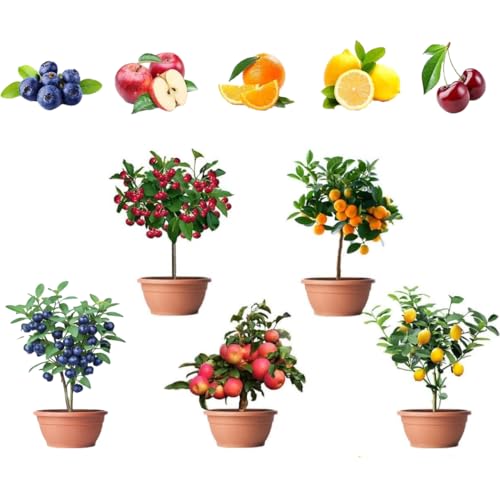
Variety Pack of 5 Fruits: Includes 40 Lemon seeds, 40 Orange seeds, 40 Apple seeds, 20 Cherry seeds, and 20 Blueberry seeds for a colorful and diverse home garden

🌱 4 Unique Fruit Bonsai Varieties: Includes 40 total seeds: 10 Papaya, 10 Peach, 10 Cherry, and 10 Banana seeds. A fun and unique collection for growing miniature fruit trees and experimenting with bonsai growing techniques.
Spring Planting Benefits
Spring provides an ideal window for planting new fruit trees. During this season, soil temperatures warm up, encouraging root activity and promoting growth. Trees planted in early spring benefit from the increased sunlight and rainfall, leading to quicker establishment. For example, apple trees thrive when planted in March or April, as they can push out new leaves and flowers as the weather becomes favorable.
Consider planting varieties that suit your climate. If you’re in a warmer region, peach trees can perform exceptionally well when planted in late February or early March. This timing allows them to settle before the summer heat sets in and ensures they can thrive during their active growth phase.
Fall Planting Advantages
Fall offers its own unique benefits for planting fruit trees. The cooler temperatures allow trees to establish roots without the stress of summer heat. Planting in early fall, like September or October, lets trees focus on root development before winter dormancy. For instance, pear trees planted in this timeframe develop stronger root systems, leading to healthier growth in the following spring.
Fall also typically brings more consistent rainfall, providing essential moisture. If the winter is mild in your area, trees can take advantage of warmer soil temperatures, promoting early growth when spring arrives. Incorporating mulch around the base keeps roots insulated and retains soil moisture during this period.
Factors Influencing Planting Timing
Several key factors influence the optimal timing for planting new fruit trees. Understanding these elements helps ensure successful growth and development.
Recommended Products
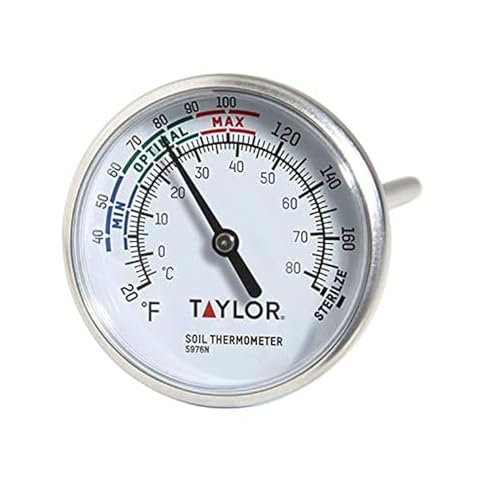
PRECISE SOIL TEMPERATURE READINGS: Measures soil temperatures from 20 degrees F to 180 degrees F (0 degrees C to 80 degrees C) with a large, easy-to-read analog dial face - no batteries or digital screens needed for reliable results every time
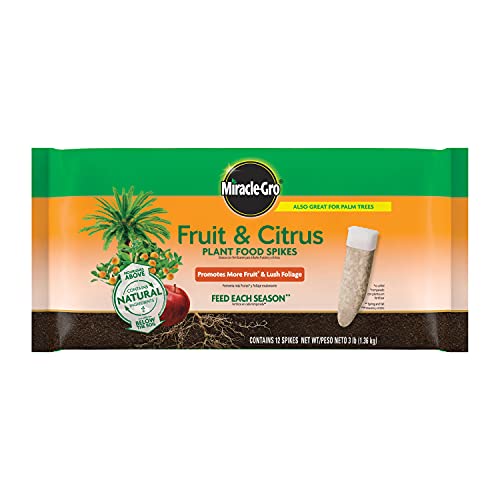
FORMULATED FOR CITRUS AND FRUIT TREES: Use these citrus fertilizer spikes on apple, orange, lemon, lime, and avocado trees; this formula is also great for feeding palm trees

Easy-to-read green, yellow, and red tick marks for easy monitoring
Local Climate and Weather Patterns
Local climate significantly affects fruit tree planting. You should consider average temperatures, heat intensity, and rainfall patterns in your area. For example:
- Cold Climates: In regions with harsh winters, focus on planting during late winter or early spring. This timing enables trees to establish roots before summer heat.
- Temperate Climates: In areas with mild winters, planting can occur in both spring and early fall. Trees benefit from steady moisture and cooler temperatures.
- Warm Climates: In warmer regions, aim to plant during cooler months, like late winter or early spring, to avoid summer stress. For instance, peach trees thrive when planted in late February or early March.
Keep track of local frost dates. Planting too early risks frost damage to young trees.
Soil Conditions and Preparation
Soil health plays a critical role in the success of fruit tree growth. You should assess soil conditions before planting. Follow these guidelines:
- Soil Temperature: Soil temperatures should reach at least 50°F for optimal root development. Test soil temperature before planting.
- Soil Drainage: Ensure good drainage. Well-drained soil prevents root rot. Consider planting on raised beds if your soil retains too much water.
- Soil pH Levels: Check soil pH, aiming for a range between 6.0 and 7.0 for most fruit trees. Amend the soil with lime or sulfur as needed to adjust pH.
- Nutrient Levels: Test soil for nutrient content. Enrich soil with compost or organic matter to promote healthy growth.
Preparing the soil in advance helps trees establish strong root systems, setting them up for long-term success.
Tips for Successful Planting
Successful planting of fruit trees hinges on a few key practices. Focus on location, soil preparation, and proper care post-planting to ensure healthy tree growth.
Choosing the Right Location
Choosing the right location for your fruit trees impacts their growth. Look for areas with ample sunlight, aiming for at least six to eight hours of direct sunlight each day. Assess the drainage of the site; avoid low spots that collect water. Test the wind exposure, as trees benefit from windbreaks to prevent damage. Consider proximity to other plants; some trees pollinate better when planted near compatible varieties. Lastly, verify the distance from structures or other trees to allow room for growth and airflow.
Preparing the Soil
Preparing the soil properly sets the foundation for your trees’ success. Start by testing the soil for pH and nutrient levels, aiming for a pH of 6.0 to 7.0. Amend the soil with organic matter, such as compost, to improve texture and fertility. Clear the planting area of weeds, grass, and debris to reduce competition for nutrients. Dig a hole that’s twice the width and the same depth as the root ball of the tree. Loosen the soil at the bottom of the hole to encourage root penetration. Water the soil before planting to ensure it retains moisture. Proper preparation leads to robust root development, promoting healthy growth.
Conclusion
Timing is everything when it comes to planting new fruit trees. By choosing the right season and preparing your soil well, you can set your trees up for success. Whether you opt for spring or fall planting, remember to consider your local climate and soil conditions.
Pay attention to the specific needs of each tree type and give them the care they deserve. With a little patience and the right approach, you’ll be rewarded with a bountiful harvest in the years to come. Happy planting!
Frequently Asked Questions
What is the best time to plant fruit trees?
The best time to plant fruit trees is during their dormant phase, typically in late winter to early spring. This timing reduces stress on the trees and encourages strong root establishment. In warmer regions, some trees may be planted as early as late February.
Can I plant fruit trees in the fall?
Yes, fall is also a great time for planting fruit trees. Cooler temperatures allow roots to establish without the stress of summer heat. Early fall is especially beneficial for trees like pears, as they can develop strong root systems before winter.
How does climate affect the planting of fruit trees?
Climate plays a crucial role in determining the best time to plant fruit trees. Local temperature averages, rainfall patterns, and frost dates can influence the growth cycles, so it’s important to consider these factors when planning your planting schedule.
Why is soil preparation important for planting fruit trees?
Proper soil preparation ensures healthy root development and tree growth. Assessing soil temperature, drainage, pH, and nutrient levels is critical to create the right conditions for your fruit trees, setting them up for long-term success.
How can I ensure my fruit trees grow successfully?
To ensure successful growth, choose a location with at least six to eight hours of sunlight daily, prepare the soil adequately, and provide post-planting care. Use organic matter to improve soil fertility and mulch to retain moisture.
