

Wondering how often you should water your fruit trees? It’s a common question for anyone looking to grow a fruitful garden. Too much or too little water can make a big difference in the health of your trees and the quality of the fruit they produce.
Key Takeaways
- Watering Frequency Depends on Multiple Factors: Adjust watering schedules based on soil type, tree age, weather conditions, and specific tree species for optimal growth.
- Soil Type Matters: Sandy soils require more frequent watering (every 1-2 weeks), while clay soils need less (every 2-4 weeks); loamy soils offer a balanced approach.
- Monitor Tree Health: Look for signs like wilting leaves (underwatering) or yellowing leaves (overwatering) to gauge the tree’s watering needs effectively.
- Best Watering Practices: Water deeply, use soaker hoses for efficiency, and apply mulch to help retain soil moisture and regulate temperature.
- Adjust for Seasonal Changes: Increase watering frequency in hot summer months and reduce it during the cooler fall and winter seasons to match the trees’ growth cycles.
Understanding Fruit Tree Watering Needs
Watering frequency for fruit trees varies based on several factors. Understanding these variables helps ensure healthy growth and optimal fruit production.
Soil Type
Soil affects water retention. Sandy soil drains quickly, requiring more frequent watering. Clay soil retains moisture longer, needing less frequent watering. Consider testing your soil’s texture to determine its water-holding capacity.
Tree Age
Younger trees require more regular watering as they establish their root systems. Mature trees need less frequent watering once their roots grow deeply. For young trees, aim for watering every 1 to 2 weeks, adjusting for weather conditions.
Weather Conditions
Hot, dry weather increases water demand. During peak summer, you might need to water your trees once a week. In cooler months or during rainy seasons, reduce watering frequency to every 2 to 4 weeks.
Tree Species
Different fruit tree species have unique needs. For instance, apple trees thrive with less water than citrus trees. Research specific watering requirements for the particular types of fruit trees in your garden.
Signs of Watering Needs
Monitor your trees for signs of distress. Wilting leaves or cracked soil indicates a need for water. Conversely, yellowing leaves may signal overwatering. Adjust your watering schedule accordingly.
- Water Slowly: Water fruit trees slowly to allow deep root absorption.
- Mulch: Apply mulch around the base to retain moisture and reduce evaporation.
- Test Soil Moisture: Use a soil meter or stick your finger into the soil to check moisture levels before watering.
By keeping these factors and practices in mind, you can ensure your fruit trees receive the right amount of water to thrive.
Factors Affecting Watering Frequency
Several key factors influence how often you water your fruit trees. Understanding these aspects helps ensure your trees thrive.
Recommended Products

Accurate Soil Moisture Detection: The XLUX Soil Moisture Meter can tell you if the soil deep inside your pot or garden is dry, moist or wet; whereas your eyes and fingers can only determine the moisture level of the soil surface. The probe is 5.5 inches (14 cm) longer than regular styles, allowing it to measure the soil moisture at the bottom of larger and deeper flower pots.

Trusted Since 2015: Become one of the many plant lovers who rely on the proven accuracy of XLUX. Established in 2015, our soil moisture meter has earned over 60,000+ verified ratings for its consistent performance. While many many newer brands come and go, we provide the long-term reliability and quality that American households have trusted for over a decade.

✔️Accurate - A helpful tool of water meter for indoor plants which senses the moisture in the soil around plants. No more guess if the plant needs more or less water
Soil Type
Soil type plays a crucial role in watering frequency. Sandy soil drains quickly, requiring more frequent watering—typically every 1 to 2 weeks. Clay soil retains moisture longer, often needing water only every 2 to 4 weeks. Loamy soil, a mix of both, usually strikes a balance, requiring moderate watering. Test your soil texture to determine its drainage capacity, which helps you adjust watering schedules effectively.
Climate Conditions
Climate conditions significantly affect water needs. Hot, dry weather increases evaporation, leading to higher water demands. During peak summer, you might need to water your fruit trees weekly. Conversely, cooler, wetter conditions reduce the need for watering, allowing you to space it out to every 2 to 4 weeks. Regularly monitor local weather forecasts and adjust your watering routine based on temperature and rainfall patterns.
Tree Age and Size
Tree age and size also determine watering frequency. Younger trees, with shallow root systems, need consistent moisture and often require watering every 1 to 2 weeks. Mature trees, having established deeper roots, typically require less frequent watering—every 2 to 4 weeks. Observe your trees for signs, like wilting leaves, to gauge if they’ve received enough water.
Signs of Underwatering or Overwatering
Monitoring your fruit trees for distress signals is vital. Both underwatering and overwatering can adversely affect your trees. Identify these signs early to ensure healthy growth.
Recommended Products

Accurate Soil Moisture Detection: The XLUX Soil Moisture Meter can tell you if the soil deep inside your pot or garden is dry, moist or wet; whereas your eyes and fingers can only determine the moisture level of the soil surface. The probe is 5.5 inches (14 cm) longer than regular styles, allowing it to measure the soil moisture at the bottom of larger and deeper flower pots.
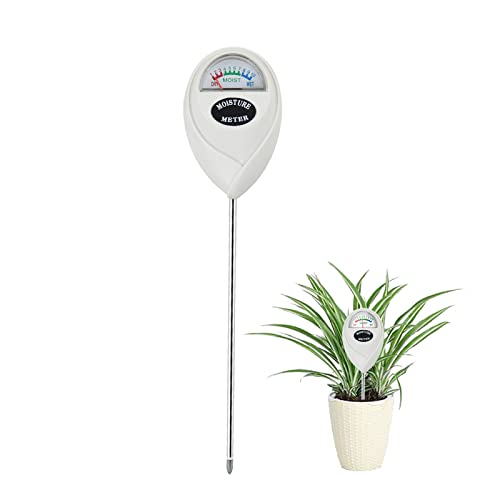
【SAVE YOUR PLANTS】: Over watering can cause problems with your plants or even kill them. This soil moisture meter helps you know the soil is dry, moist or wet.No more over watering!
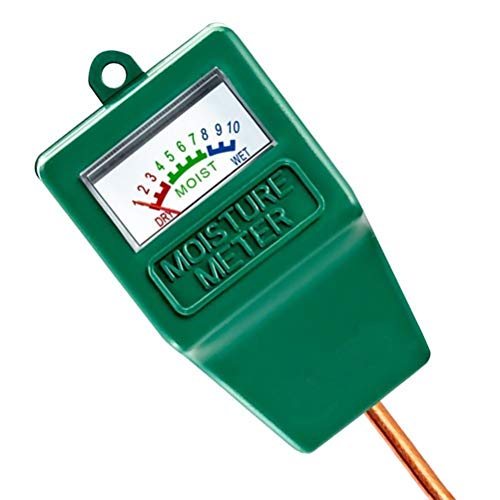
Soil Moisture Meter: This single probe soil moisture meter is specially designed for testing the moisture level in the soil, helps you decide whether the plants need water or not, helps to keep plants alive.
Leaf Discoloration
Leaf discoloration serves as a primary indicator of watering issues. Yellowing leaves often point to overwatering, as roots suffocate in saturated soil. Conversely, browning leaf edges usually indicate underwatering. Inspect both mature and young leaves for these changes. Look for wilting or curling leaves, which also suggest stress. Address the issue promptly by adjusting your watering schedule.
Root Health
Root health is crucial for the overall vitality of your fruit trees. Overwatered roots may become mushy and black, signaling rot. Healthy roots should be firm and white. If you suspect root rot, gently remove the tree and inspect the roots. In contrast, underwatered roots might show signs of stunted growth or dryness. A lack of robust roots impacts fruit production. Maintain a consistent watering routine to support strong root development. Use mulch around the base of the tree to help regulate soil moisture levels effectively.
Best Practices for Watering Fruit Trees
Proper watering techniques ensure healthy fruit trees and optimal fruit quality. Incorporating practical methods and seasonal adjustments can make a significant difference.
Recommended Products
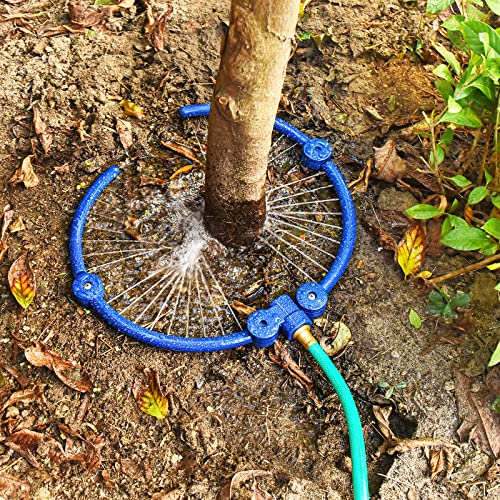
【Specially Designed for Trees and Shrubs】 The Watering Ring is a multi-purpose irrigation ring that attaches to a garden hose to efficiently water young trees shrubs vegetables or flower beds using drip or trickle irrigation.It directs water to the root perimeter of the plant to give them a good start during the first two growing seasons or through periods of drought.
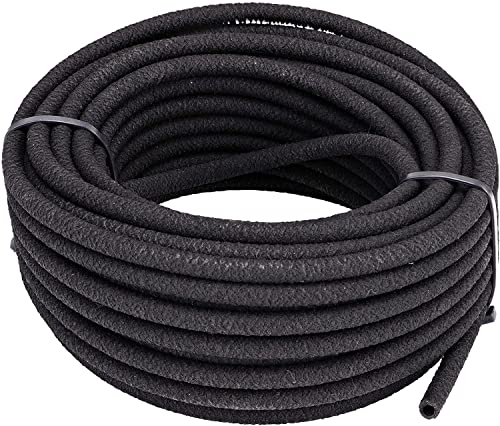
Slowly waters the soil around your plants for complete root zone hydration; Ideal for short runs on flat surfaces, such as vegetable gardens, borders, and around small plants

【Even & Consistent Root Watering】Features micro-pore seepage technology that distributes water evenly along the entire hose, transforming spot watering into uniform line watering directly to plant roots. Unlike traditional drip irrigation systems with clog-prone emitters, this soaker hose creates a continuous moisture band for healthier, deeper-rooted plants
Watering Techniques
- Water Deeply: Water your trees slowly to allow moisture to penetrate deep into the soil. This encourages strong root growth. Aim for about 1 to 2 inches of water per week, depending on soil type and weather conditions.
- Use Soaker Hoses: Soaker hoses deliver water directly to the base of the tree. This method minimizes evaporation and reduces water runoff. Lay the hose in a spiral around the tree base and turn it on for 1 to 2 hours.
- Apply Mulch: Add a layer of mulch around the base of your trees. Organic materials like wood chips or straw help retain moisture and regulate soil temperature. Maintain a 2- to 4-inch layer of mulch, avoiding direct contact with the trunk.
- Check Soil Moisture: Test the soil moisture 2 inches below the surface. If the soil feels dry, it’s time to water. Using a moisture meter can also help you monitor hydration levels accurately.
- Spring Watering: In spring, as trees awaken from dormancy, consistent watering supports new growth. Water young trees every 1 to 2 weeks and mature trees every 2 to 4 weeks.
- Summer Watering: Hot, dry weather requires increased attention. During peak summer, weekly watering becomes essential for all trees. Keep an eye on soil moisture; adjust based on rainfall.
- Fall Preparation: As temperatures cool, reduce watering frequency. Young trees still need regular moisture, while mature trees may only require watering every 2 to 4 weeks.
- Winter Care: In regions with colder climates, dormant trees do not need much water. Water infrequently, only if the soil is dry. Ensure tree protection against frost, but avoid overwatering, which can promote root rot.
By following these best practices, you can maintain healthy fruit trees and maximize your harvest.
Conclusion
Caring for your fruit trees means paying close attention to their watering needs. By understanding the factors that influence how often to water and adjusting your routine accordingly, you’ll help your trees thrive. Remember to monitor their condition and look for any signs of distress.
With the right techniques like deep watering and using mulch, you’re setting your trees up for success. So whether you’re nurturing young saplings or established trees, a little extra care goes a long way in ensuring a bountiful harvest. Happy gardening!
Frequently Asked Questions
How often should I water my fruit trees?
Watering frequency varies by tree age, soil type, and weather. Typically, younger trees need water every 1 to 2 weeks, while mature trees require watering every 2 to 4 weeks. During hot summers, you may need to water weekly, depending on conditions.
What factors influence how often I should water?
Key factors include soil type (sandy, clay, or loamy), tree age, weather conditions, and tree species. Each of these can significantly affect how quickly soil drains and how much moisture your trees need.
What are the signs of underwatering fruit trees?
Signs of underwatering include wilting leaves, browning leaf edges, and stunted growth. The soil may also feel dry and cracked. Monitoring these signs will help you adjust your watering schedule effectively.
What are the signs of overwatering fruit trees?
Overwatering can cause yellowing leaves, mushy roots, and poor root health. If your trees show signs of distress, such as wilting leaves or a foul smell from the roots, they may be receiving too much water.
How can I improve soil moisture retention for my fruit trees?
Applying a 2- to 4-inch layer of mulch around the base of your trees can help retain soil moisture. Additionally, watering slowly allows for deep root absorption, reducing evaporation and promoting healthy root growth.
What are the best watering techniques for fruit trees?
Best practices include watering deeply to encourage strong roots, using soaker hoses to minimize evaporation, and testing soil moisture before watering. Always adjust your watering based on the season to meet your tree’s needs.
How should I adjust my watering schedule through the seasons?
In spring, water consistently; during summer, increase frequency due to heat; reduce watering in fall as temperatures drop; and in winter, water infrequently for dormant trees. Adjust your schedule based on current weather and tree health.
