

Are you wondering when the perfect time is to plant kiwi seeds in your garden? Picture this: you’re eager to cultivate your own kiwi vines, but unsure about the ideal timing for sowing those tiny seeds. In this article, you’ll discover the simple yet crucial factors that determine the best moment to start your kiwi-growing journey.
By exploring the optimal planting window for kiwi seeds, you’ll gain the knowledge needed to kickstart a successful gardening endeavor. Imagine the satisfaction of nurturing your kiwi plants from seed to fruit-bearing vines with confidence and expertise. Let’s delve into the timing secrets that will empower you to cultivate thriving kiwi plants in your own backyard.
Key Takeaways
- Climate suitability is crucial for growing kiwi plants, as they thrive in temperate to subtropical climates.
- Prioritize soil quality by ensuring it is well-draining, fertile, and within the pH range of 5.5-7.0 for optimal kiwi growth.
- Adequate sunlight exposure is essential for kiwi plants, so choose a planting location that receives full sun for most of the day.
- Establish sturdy support structures like trellises for the vigorous climbing nature of kiwi vines.
- To ensure successful pollination and fruit set, plant both male and female kiwi plants.
- Plant kiwi seeds in spring for the best start, ensuring soil temperatures are around 65-75°F (18-24°C) and providing consistent moisture for germination.
Factors to Consider Before Planting Kiwi Seeds
When deciding to plant kiwi seeds in your garden, there are several key factors you should consider to increase your chances of successfully growing vibrant and fruit-bearing kiwi vines. Here are essential elements to keep in mind before sowing those kiwi seeds:
Recommended Products

Support for Tall Plant: This trellis kit provides 7.87” support for your tomatoes, peppers and more

🌑[Plant Growth Support]:Garden plant trellis are committed to helping your indoor for potted plants and adds to the natural beauty. As plants grow, the houseplant trellis takes the form of a ladder to help your plant climbing and growing.

Enhance Your Garden Setup: The Trim Daddy Trellis System Support Kit is the ideal solution for maximizing the potential of your raised garden bed. Designed to work seamlessly with industry-grade growing trays, our customizable kits provide essential support for your plants as they thrive.
1. Climate Suitability
Ensure that your region’s climate is conducive to growing kiwi plants. Kiwis thrive in temperate to subtropical climates. They require a certain amount of chilling hours to set fruit properly. Check that your location provides the necessary conditions for successful kiwi cultivation.
2. Soil Quality
Kiwi plants prefer well-draining, fertile soil with a pH level between 5.5 and 7.0. Before planting kiwi seeds, test your soil to determine its pH and fertility. Amend the soil if needed to create an optimal growing environment for the seeds.
3. Sunlight Exposure
Kiwi plants need plenty of sunlight to grow and produce fruit. Choose a planting location that receives full sun for most of the day. Ensure that there are no obstructions that might shade the plants as they mature.
4. Support Structure
Kiwi vines are vigorous climbers and require sturdy support structures to grow successfully. Before planting the seeds, set up a trellis or arbor for the vines to climb. Ensure that the structure is strong enough to support the weight of mature kiwi plants laden with fruit.
5. Pollination Requirements
Kiwi plants are dioecious, meaning they have separate male and female plants. To ensure proper pollination and fruit set, you’ll need both male and female kiwi plants. Be mindful of this when planting your seeds to guarantee a good yield.
By considering these essential factors before planting kiwi seeds, you set the foundation for a successful kiwi cultivation journey. Make sure to address each aspect carefully to provide your kiwi plants with the best possible growing conditions for optimal growth and fruit production.
Best Time of Year to Plant Kiwi Seeds
When selecting the best time of year to plant kiwi seeds, you need to consider various factors that can influence the success of your kiwi cultivation. Here are key points to keep in mind:
Optimal Season for Planting Kiwi Seeds
To give your kiwi seeds the best start, it’s recommended to plant them in the spring. Spring provides the ideal conditions for kiwi seeds to germinate and establish healthy roots before the harsh conditions of winter. By planting in spring, you take advantage of the warmer temperatures and longer daylight hours, which are crucial for seedling growth.
Importance of Soil Temperature
Before planting your kiwi seeds, ensure that the soil temperature is around 65-75°F (18-24°C). Kiwi seeds require warm soil to germinate successfully. Using a soil thermometer can help you determine if the conditions are suitable for planting. If the soil is too cold, consider using a warming mat to provide the necessary heat for germination.
Sunlight Exposure for Kiwi Seedlings
Kiwi plants thrive in full sun. When planting kiwi seeds, choose a location in your garden that receives ample sunlight throughout the day. Adequate sunlight is essential for the growth and development of kiwi seedlings. Ensure that your planting spot offers at least 6-8 hours of sunlight to promote healthy growth.
Monitoring Moisture Levels
Kiwi seeds need consistent moisture to germinate and grow successfully. Make sure to keep the soil consistently moist but not waterlogged. Regularly check the moisture levels in the soil, especially during hot periods or dry spells. Using a mulch layer can help retain moisture and protect the seeds from drying out.
Conclusion
- Climate Suitability for Kiwi Plants: Explore the ideal climate conditions for growing kiwi plants successfully in your garden.
- Support Structures for Kiwi Vines: Learn about the importance of sturdy support structures for kiwi vines and how to set them up effectively.
Steps to Plant Kiwi Seeds Successfully
Prepare the Soil for Planting
To ensure successful germination, it’s important to prepare the soil adequately. Start by selecting well-draining soil rich in organic matter. You can mix compost or aged manure into the soil to improve its fertility.
Sow the Kiwi Seeds
When sowing the kiwi seeds, create furrows in the soil about 1 inch deep. Space the seeds approximately 1 inch apart within the furrows. Cover the seeds with a thin layer of soil, gently patting it down.
Provide Proper Watering
After sowing the seeds, water the soil thoroughly but gently. Ensure the soil remains consistently moist but not waterlogged. Kiwi seeds require adequate moisture for germination, so monitor the soil moisture levels regularly.
Maintain Optimal Temperature
Kiwi seeds germinate best in warm soil. Aim to keep the soil temperature consistently around 70-75°F (21-24°C). You can use a heat mat to regulate the temperature if needed, especially if planting kiwi seeds indoors.
Ensure Sunlight Exposure
Place the planting container in a location that receives ample sunlight. Kiwi plants thrive in full sun, so ensure they receive at least 6-8 hours of sunlight daily. If planting indoors, use grow lights to provide sufficient light.
Support the Growing Vines
As the kiwi seedlings grow, provide a sturdy support structure for the vines to climb. You can use trellises, arbors, or wire mesh for support. Proper support helps the vines grow upright and prevents them from sprawling.
Monitor Growth Progress
Regularly check the growth progress of the kiwi seedlings. Look out for signs of healthy growth, such as the emergence of leaves and stems. If needed, adjust watering, temperature, or sunlight exposure to support optimal growth.
Transplanting Seedlings
Once the kiwi seedlings have developed strong roots and several sets of leaves, they are ready for transplanting into larger containers or outdoors. Handle the seedlings carefully during transplanting to avoid damaging the roots.
Recommended Products

Reliable Results: The VIVOSUN professional heat mat maintains optimal temperatures around 68-86℉ (20-30℃), perfect for Seedling start and cutting propagation; Made from durable PVC material, it's designed to last
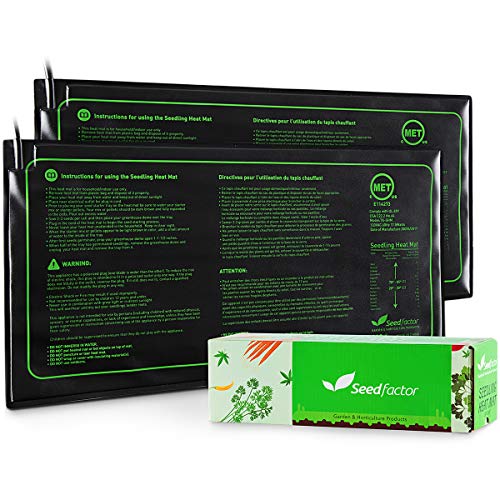
MET safety certified;Comply with UL 499;CSA C22.2 No.64
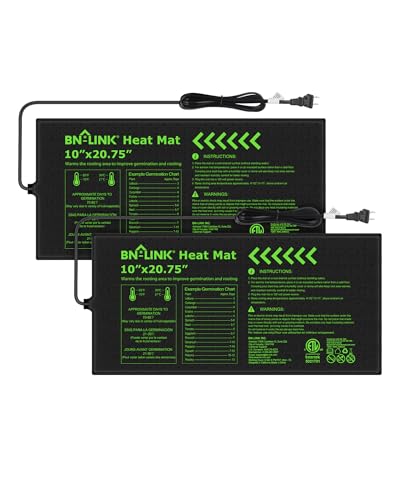
IDEAL GERMINATION TEMPERATURE: The BN-LINK seedling heat mats for seed starting helps maintain temperatures around 70°F to 85°F, the optimal range for seed germination, cutting propagation, and healthy seedling growth. Achieve faster germination and higher growth rates with seed heating mat.
Monitoring and Troubleshooting the Growth of Kiwi Seedlings
To ensure the successful growth of your kiwi seedlings, proper monitoring and troubleshooting are essential steps in the cultivation process. By staying vigilant and addressing any issues promptly, you can help your seedlings thrive and develop into healthy vines. Here’s how you can effectively monitor and troubleshoot the growth of your kiwi seedlings:
Monitoring Growth Progress
- Daily Observation: Check your seedlings daily to monitor their growth progress. Look for signs of new growth, such as emerging leaves and tendrils.
- Height Tracking: Measure the height of your seedlings regularly to track their growth rate. This will help you gauge their development and ensure they are growing steadily.
- Leaf Health: Examine the leaves of your seedlings for any discoloration, spots, or wilting. Healthy leaves are crucial for photosynthesis and overall plant vigor.
- Watering Needs: Keep track of the moisture levels in the soil. Ensure that your seedlings are receiving adequate water without being waterlogged, as both underwatering and overwatering can hinder growth.
- Support Structure: Monitor the support structure you’ve provided for your seedlings. Check that it is sturdy enough to hold the growing vines as they mature.
- Yellowing Leaves: If you notice yellowing leaves, it could indicate nutrient deficiencies or overwatering. Adjust your watering schedule and consider adding a balanced fertilizer as needed.
- Stunted Growth: Slow or stunted growth may be a sign of insufficient sunlight or poor soil quality. Ensure your seedlings are receiving enough sunlight each day and consider enriching the soil with compost.
- Pests and Diseases: Keep an eye out for pests like aphids or diseases such as powdery mildew. Address these issues promptly with organic pest control methods or fungicides to protect your seedlings.
- Temperature Fluctuations: Extreme temperatures can stress kiwi seedlings. Protect them from sudden temperature changes or frost by providing appropriate shelter or insulation.
Conclusion
You now have a comprehensive understanding of when to plant kiwi seeds for successful growth. Remember, spring is the prime time to kickstart your kiwi vine journey. By following the steps outlined in this article, from soil preparation to growth monitoring, you’re on the right path to nurturing healthy kiwi seedlings. Keep a close eye on your plants, addressing any issues promptly to ensure they thrive. With daily observation and proper care, you’ll soon witness your kiwi vines flourishing. Happy planting!
Frequently Asked Questions
When is the best time to plant kiwi seeds?
Spring is the ideal time for planting kiwi seeds to promote optimal growth due to the warmer temperatures and longer daylight hours.
What are the essential factors to consider when planting kiwi seeds?
Factors include soil preparation, adequate watering, maintaining consistent temperatures, providing sufficient sunlight exposure, securing vine support, and regular monitoring of growth.
How can I monitor the growth of kiwi seedlings effectively?
Monitor growth by observing daily progress, tracking plant height, assessing leaf health, meeting watering requirements, ensuring sturdy support for vines, and addressing any issues promptly for healthy development.
What are some common issues to watch out for when growing kiwi plants?
Common issues include yellowing leaves, stunted growth, pest infestations, diseases, and fluctuations in temperature that can impact the development of kiwi vines.
