

Have you ever wondered where that delicious kiwi fruit comes from? Picture this: you’re at the grocery store, holding a fuzzy brown kiwi in your hand, but do you know the plant it grows on? Understanding the origins of the kiwi fruit can add a whole new level of appreciation to your next snack.
In this article, you’ll uncover the secrets of the kiwi plant and learn all about its fascinating journey from vine to table. Exploring the world of kiwi cultivation can not only satisfy your curiosity but also help you make more informed choices when selecting these nutritious fruits. Get ready to delve into the world of the kiwi plant and discover a whole new perspective on this beloved fruit.
Key Takeaways
- Kiwi plants, also known as Actinidia Deliciosa, require specific growing conditions like well-draining soil and ample sunlight to thrive successfully.
- Proper pruning and maintenance are essential for the health and productivity of kiwi plants, including monitoring and addressing pests and diseases promptly.
- Kiwi plants typically need both male and female plants for successful pollination and fruit production, so understanding their pollination requirements is crucial.
- Kiwi fruits, rich in essential vitamins, antioxidants, and fiber, offer various health benefits such as supporting digestive health, heart health, skin health, and promoting better sleep.
- Incorporating kiwis into your diet can be a nutritious way to boost your immune system, aid in weight management, and provide overall well-being benefits.
Overview of Kiwi Plant
Explore the fascinating world of the kiwi plant to gain insight into its cultivation and growth process. The kiwi plant, known for producing the delicious kiwi fruit, thrives in certain conditions and requires specific care to ensure healthy growth.
Kiwi Plant Characteristics:
The kiwi plant, also referred to as Actinidia Deliciosa, is a vigorous, deciduous vine native to China. It is recognized for its large, heart-shaped leaves and can grow up to 30 feet in a single season. The plant develops winding tendrils that aid in climbing and supporting itself as it matures.
Growing Conditions:
To cultivate kiwi plants successfully, you’ll need a sunny location with well-draining soil. These plants are cold-hardy and can withstand temperatures as low as 10°F (-12°C). Make sure to provide adequate support for the vine to grow upward.
Pollination Requirements:
Unlike some fruit plants, kiwi plants have specific pollination needs. Most varieties require a male and a female plant for successful pollination and fruit production. Be sure to research the specific variety you are planting to ensure proper pollination.
Fruit Production:
Kiwi plants typically begin producing fruit in 3 to 4 years after planting. The fruit, known for its fuzzy skin and vibrant green flesh speckled with tiny black seeds, is rich in vitamins and antioxidants. Harvest ripe kiwis carefully to avoid damaging the delicate skin.
Pruning and Maintenance:
Regular pruning is essential to maintain the health and productivity of kiwi plants. Prune in late winter to remove dead wood and encourage new growth. Additionally, monitor for pests and diseases, such as root rot or aphids, and address them promptly.
Conclusion:
Understanding the lifecycle and requirements of the kiwi plant is key to cultivating a thriving vine that yields delicious fruits. By providing the necessary care, you can enjoy a bountiful harvest of fresh, home-grown kiwis. Explore the world of kiwi plants and unlock the secrets to growing your own succulent kiwi fruits.
Physical Characteristics of Kiwi Plant
The kiwi plant, scientifically named Actinidia Deliciosa, is a vigorous vine native to China with large, heart-shaped leaves. It requires specific growing conditions, such as well-draining soil and adequate support for climbing to thrive successfully.
Vine Structure
Kiwi plants exhibit vigorous growth with their characteristic climbing vines that can reach substantial lengths. The vines are known for their twining nature, requiring support structures for stability as they grow.
Leaf Appearance
The kiwi plant’s leaves are distinctively large and heart-shaped, providing an attractive visual appeal. These leaves play a crucial role in the plant’s photosynthesis process, contributing to its overall health and fruit production.
Root System
The root system of the kiwi plant is vital for nutrient uptake and overall stability. It spreads deep and wide, supporting the vine’s growth and providing essential resources for fruit development.
Growth Patterns
Kiwi plants exhibit rapid growth under suitable conditions, typically reaching maturity within a few years. Understanding the growth patterns of these plants is essential for proper cultivation and maintenance.
Flower Characteristics
The flowers of the kiwi plant are unique, with intricate structures that play a key role in the pollination process. These flowers require specific conditions for successful pollination, leading to fruit formation.
Fruit Development
The kiwi plant’s fruit, rich in essential vitamins and antioxidants, typically starts developing 3 to 4 years after planting. Proper care, including pruning and maintenance, is essential to ensure healthy fruit production.
Nutrient Requirements
To support robust growth and abundant fruit production, kiwi plants require a balanced supply of nutrients, including nitrogen, phosphorus, and potassium. Understanding the plant’s nutrient needs is crucial for optimal health.
Lifecycle Phases
From vine to table, the lifecycle of the kiwi plant involves distinct phases of growth, flowering, fruiting, and harvesting. Each phase requires careful attention and maintenance to maximize fruit quality and yield.
Cultivation of Kiwi Plant
To successfully cultivate a kiwi plant, you need to understand its unique requirements and growth stages. Here’s a concise guide to help you nurture healthy kiwi plants and enjoy bountiful harvests.
Recommended Products

Support for Tall Plant: This trellis kit provides 7.87” support for your tomatoes, peppers and more

🌑[Plant Growth Support]:Garden plant trellis are committed to helping your indoor for potted plants and adds to the natural beauty. As plants grow, the houseplant trellis takes the form of a ladder to help your plant climbing and growing.
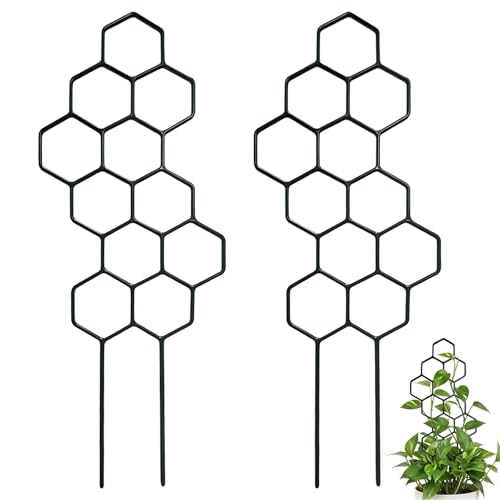
Versatile Plant Support: This pothos plant climber support offers essential growth assistance for various climbing plants including vines, flowers, and vegetables; The indoor plant trellis features a modern honeycomb structure that complements home decor while providing functional climbing surfaces; Suitable for both indoor and outdoor gardening applications
Planting Kiwi Vines
When planting kiwi vines, it’s essential to choose a sunny location with well-draining soil, as kiwis thrive in full sun. Ensure your soil is rich in organic matter and slightly acidic, with a pH level between 5.5 and 7.0. Plant kiwi vines at least 10-12 feet apart to allow for their vigorous growth and climbing habit.
Supporting Kiwi Vines
Kiwi plants are vigorous climbers and need sturdy support to grow properly. You can use trellises, arbors, or wires to provide the necessary support for the vines. Make sure the support structures are strong enough to withstand the weight of the mature vines laden with fruit.
Watering and Fertilizing
Kiwi plants have high water needs, especially during the growing season. Keep the soil consistently moist but not waterlogged to promote healthy growth. Additionally, fertilize your kiwi plants regularly with a balanced fertilizer to ensure they receive essential nutrients for fruit production.
Pruning and Training
Proper pruning is crucial for kiwi plants to maintain their shape, promote airflow, and increase fruit production. Prune your kiwi vines in late winter or early spring while they are still dormant. Train the vines to encourage upward growth and easy access to sunlight, which is vital for fruit development.
Pollination
Kiwi plants are dioecious, meaning they have separate male and female plants. To ensure fruit set, it’s essential to have both male and female plants in close proximity for effective pollination. Bees and other pollinators play a crucial role in pollinating kiwi flowers, leading to fruit formation.
Harvesting Kiwis
Kiwis are ready for harvest when they reach their full size and firmness. Depending on the variety, kiwis are usually harvested in late fall. To determine if a kiwi is ripe, gently press the fruit – it should yield to slight pressure. Harvest the kiwis carefully, as they bruise easily.
Health Benefits of Kiwi
Kiwi fruits, known for their vibrant green flesh and tiny black seeds, offer a range of health benefits that make them a valuable addition to your diet. These benefits go beyond just being delicious; they provide essential nutrients to support your overall well-being.
Recommended Products


100% REAL FREEZE-DRIED FRUIT POWDER – Pure pineapple and kiwi in an easy-to-use powder form; perfect for smoothies, yogurt, oatmeal, baking, salads or DIY healthy snacks.

Rich in Vitamin C and Antioxidants
Enjoying kiwis regularly can boost your immune system due to their high vitamin C content. Just one medium-sized kiwi provides you with more than the recommended daily intake of vitamin C. Additionally, kiwis are packed with antioxidants that help protect your cells from damage caused by free radicals.
Supports Digestive Health
The fiber content in kiwis promotes digestive health by aiding in regular bowel movements and preventing constipation. Including kiwi in your diet can help maintain a healthy digestive system and improve overall gut health.
Good for Heart Health
Kiwis are beneficial for heart health as they are low in fat and high in potassium. Potassium is essential for regulating blood pressure and maintaining proper heart function. Consuming kiwis as part of a balanced diet can help reduce the risk of heart disease.
Improves Skin Health
The vitamins and antioxidants in kiwis contribute to healthy and glowing skin. These nutrients help in collagen synthesis, which is essential for maintaining skin elasticity and preventing premature aging. Adding kiwis to your diet can help promote radiant skin from within.
Aids in Better Sleep
Eating kiwi before bedtime may help improve sleep quality. Kiwis contain serotonin, a neurotransmitter that regulates sleep cycles. The combination of serotonin and antioxidants in kiwis can aid in falling asleep faster and enhancing overall sleep duration and quality.
Weight Management
Despite being sweet and flavorful, kiwis are relatively low in calories, making them a great snack option for those watching their weight. The fiber content in kiwis also helps you feel full for longer, supporting weight management efforts.
Incorporating kiwis into your daily diet can be a delicious way to reap these health benefits and enhance your overall wellness. Whether eaten on their own, added to fruit salads, or blended into smoothies, kiwis are a versatile and nutritious fruit worth including in your meals.
Conclusion
You’ve now learned about the fascinating world of kiwi plants and the numerous health benefits that their fruits offer. By understanding the growth conditions and stages of kiwi plants, you can ensure optimal fruit production. Incorporating kiwis into your diet can be a delicious way to boost your vitamin C intake, support your digestive and heart health, improve your skin, aid in better sleep, and even help with weight management. With all these benefits, it’s clear that kiwis are not only tasty but also a valuable addition to your daily meals. So why not start enjoying the goodness of kiwis today?
Frequently Asked Questions
What are the health benefits of kiwi fruits?
Kiwi fruits offer a range of health benefits such as high vitamin C content for immune support, antioxidants for fighting free radicals, digestive enzymes for gut health, heart-healthy nutrients like potassium and fiber, skin health improvements due to antioxidants and vitamin C, aid in sleep quality from antioxidants and serotonin, and assistance in weight management due to fiber and low calorie count.
How do you cultivate kiwi plants for optimal fruit production?
To cultivate kiwi plants successfully, ensure they receive full sun exposure, provide well-draining soil with a pH of 6.0-6.5, water consistently, and protect them from frost with mulch or covers. Prune the plants to encourage fruiting wood, train them on a trellis for support, and fertilize in early spring with a balanced fertilizer.
At what stage do kiwi fruits typically start producing fruit?
Kiwi plants typically start producing fruit between 3-5 years of age, with female plants generally bearing fruit earlier than male plants. Once the plants reach maturity, they produce fruit annually during the growing season, with optimal fruit production occurring when plants are properly cared for and maintained.
