

Curious about growing kiwi in Oklahoma? Imagine stepping into your backyard, plucking ripe kiwis off the vine, and savoring their sweet juiciness. But is it possible in Oklahoma’s climate? Many gardeners face the challenge of cultivating fruits suited to their region.
You’re not alone if you’ve wondered about the feasibility of growing kiwi in Oklahoma. The climate and soil conditions in the state can pose obstacles for this exotic fruit. However, with the right knowledge and techniques, you might just be able to turn your kiwi dreams into reality. This article will explore the possibilities, challenges, and tips for growing kiwi in Oklahoma, helping you embark on a fruitful gardening journey.
Key Takeaways
- Kiwi plants require warm summers, cool winters, proper soil drainage, and sturdy support for growth.
- Oklahoma’s climate challenges can be overcome by selecting cold-hardy kiwi varieties, providing winter protection, and ensuring proper soil preparation.
- Optimal sunlight exposure, microclimate considerations, and frost protection are essential for successful kiwi cultivation in Oklahoma.
- Disease-resistant, self-pollinating kiwi varieties suited to the specific microclimate should be chosen for cultivation in Oklahoma.
- Planting in sunny locations with well-draining soil, regular watering, and timely pruning are key maintenance tips for growing kiwi in Oklahoma.
- Watch out for common pests like aphids, spider mites, and diseases such as root rot and powdery mildew to protect your kiwi plants in Oklahoma.
Overview of Kiwi Plant
Understanding the characteristics and requirements of the kiwi plant is crucial before attempting to grow it in an unusual climate like Oklahoma’s. Kiwi plants, also known as Actinidia, are vigorous climbers that belong to the Actinidiaceae family. These plants are native to China but have adapted to various climates globally, including regions with mild winters and moderate summers.
Key Features of Kiwi Plants:
- Vigorous Growth: Kiwi plants can grow rapidly and produce abundant fruit under the right conditions.
- Dioecious Nature: Male and female kiwi plants are required for fruit production, with only female plants bearing fruit.
- Climate Requirements: Kiwis thrive in areas with warm summers, cool winters, and a sufficient chilling period to set fruit.
- Soil Preferences: Well-draining, fertile soils with a slightly acidic to neutral pH are optimal for kiwi cultivation.
- Training and Support: Due to their climbing nature, kiwi plants need sturdy supports or trellises to grow properly.
Adaptation to Oklahoma Conditions:
While Oklahoma’s climate may pose challenges for growing kiwi due to its hot summers and occasional harsh winters, with proper care and adjustments, it’s possible to cultivate kiwi plants in this region. Consider the following to increase the chances of success:
- Variety Selection: Choose kiwi varieties that are more tolerant of heat and cold to suit Oklahoma’s climate.
- Site Selection: Plant kiwi in a location with adequate sunlight, protection from harsh winds, and good air circulation.
- Soil Preparation: Amend the soil with organic matter to improve drainage and fertility, crucial for kiwi plant development.
- Winter Protection: Shield kiwi plants from extreme cold by using mulch or temporary coverings during the winter months.
- Watering and Feeding: Maintain consistent watering schedules and provide balanced fertilizer to support kiwi growth and fruiting.
By understanding the nature of kiwi plants and making necessary adjustments, you can enhance the likelihood of successfully growing kiwis in Oklahoma’s challenging climate. Proceed with confidence and attention to detail to embark on a rewarding journey of cultivating these flavorful fruits in your own backyard.
Climate and Soil Considerations for Growing Kiwi in Oklahoma
When considering growing kiwi in Oklahoma, it’s crucial to understand the specific climate and soil conditions that are essential for the successful cultivation of these fruits in the region. Oklahoma’s climate can pose challenges, but with the right adjustments and careful planning, you can create a suitable environment for kiwi plants to thrive.
Climate Requirements
Kiwi plants thrive in temperate regions with mild winters and warm summers. In Oklahoma, where the climate can be variable, it’s important to choose kiwi varieties that are well-suited to the local conditions. Actinidia arguta, also known as hardy kiwi, is a more cold-hardy option compared to Actinidia deliciosa, the more common fuzzy kiwi.
Soil Conditions
Kiwi plants prefer well-drained, fertile soil with a pH level between 5.0 and 6.5. Before planting kiwi vines, it’s recommended to conduct a soil test to assess the pH and nutrient levels of your soil. Amending the soil with organic matter, such as compost, can improve its structure and fertility, creating a more conducive environment for kiwi plants.
Sunlight Exposure
Kiwi plants require full sunlight to thrive and produce an abundant harvest. When selecting a planting site, ensure that it receives at least 6-8 hours of sunlight daily. Proper sunlight exposure not only promotes fruiting but also helps in the overall growth and health of the kiwi vines.
Microclimate Considerations
In Oklahoma, microclimates can vary within the region due to factors such as elevation, proximity to bodies of water, and landscape features. When choosing a location for planting kiwi vines, consider these microclimatic conditions to provide the plants with the best possible growing environment and protection from extreme weather events.
Frost Protection
Given Oklahoma’s fluctuating winter temperatures, providing adequate frost protection for kiwi plants is crucial. Techniques such as mulching, wrapping the vines, or using frost cloth can help shield the plants from frost damage and ensure their survival during cold spells.
Watering and Drainage
Proper irrigation is vital for kiwi plants, especially during the growing season and fruit development stages. Ensure that the plants receive sufficient water, but avoid waterlogging, as kiwi plants are sensitive to waterlogged conditions. Good drainage is essential to prevent water accumulation around the roots.
Choosing the Right Kiwi Varieties for Oklahoma
When selecting kiwi varieties for your Oklahoma garden, it’s crucial to opt for ones that can thrive in the state’s variable climate. Here’s what you need to consider to ensure successful kiwi cultivation:
Opt for Cold-Hardy Kiwi Varieties
In Oklahoma, where the climate can pose challenges, it’s advisable to choose cold-hardy kiwi varieties such as Actinidia arguta. These varieties are better equipped to withstand the fluctuating temperatures and occasional frost that Oklahoma experiences.
Consider Disease-Resistant Varieties
To minimize the risk of diseases affecting your kiwi plants, look for disease-resistant kiwi varieties. These varieties can help prevent common kiwi plant diseases, ensuring healthier growth and higher yields in your Oklahoma garden.
Choose Self-Pollinating Varieties
For ease of cultivation, opt for self-pollinating kiwi varieties. These types do not require separate male and female plants for pollination, making them a convenient choice for home gardeners in Oklahoma.
Select Varieties Suited to Your Microclimate
Since Oklahoma’s microclimates can vary significantly, select kiwi varieties that are well-suited to your specific location. Factors such as sunlight exposure, wind patterns, and temperature fluctuations should influence your choice of kiwi variety for optimal growth.
Consider Taste Preferences
Don’t forget to consider your taste preferences when selecting kiwi varieties. Different varieties can offer unique flavor profiles, so choose the ones that align with your preferences to enjoy homegrown kiwis that suit your palate.
By carefully choosing the right kiwi varieties for your Oklahoma garden, you can set yourself up for a successful kiwi cultivation experience, overcoming the challenges posed by the state’s climate and soil conditions.
Planting and Maintenance Tips for Kiwi in Oklahoma
When planting kiwi in Oklahoma, follow these tips to ensure successful cultivation and maintenance.
Recommended Products

Support for Tall Plant: This trellis kit provides 7.87” support for your tomatoes, peppers and more

🌑[Plant Growth Support]:Garden plant trellis are committed to helping your indoor for potted plants and adds to the natural beauty. As plants grow, the houseplant trellis takes the form of a ladder to help your plant climbing and growing.
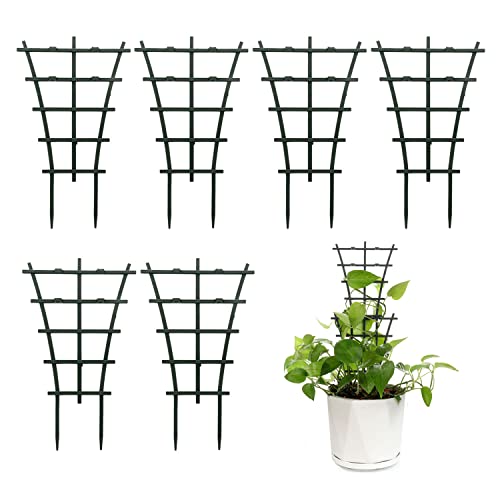
【Upgarded New Version】Our plant trellis is upgraded with high quality new material, increase the weight by 31%, reinforced to be more sturdier, providing stronger support for your potted plants
Selecting the Right Location
Choose a location in your garden that receives full sunlight for most of the day. Kiwi plants thrive in sunny areas with well-draining soil.
Soil Preparation
Before planting, ensure the soil is rich in organic matter. Kiwis prefer slightly acidic soil with a pH level between 5.5 and 7.0.
Planting Kiwi Vines
Plant kiwi vines at a distance of about 10-12 feet apart to allow for optimal growth. Ensure the root ball is level with the ground surface when planting.
Supporting Structures
Construct sturdy trellises or arbors to support the vines as they grow. Kiwi plants are vigorous climbers and need sturdy structures to support their growth.
Watering and Feeding
Kiwi plants require regular watering, especially during dry periods. Additionally, fertilize the plants in early spring with a balanced fertilizer to promote healthy growth.
Pruning and Training
Prune kiwi vines in late winter to remove dead or damaged wood. Train the vines along the support structure to encourage upward growth.
Pest and Disease Management
Keep an eye out for common pests like aphids and spider mites, treating them promptly to prevent damage. Choose disease-resistant kiwi varieties to minimize the risk of infections.
Harvesting
Kiwi fruits are typically ready for harvest in the late fall. Harvest the fruits when they are firm to the touch but have a slight give.
By following these planting and maintenance tips, you can successfully grow kiwi in Oklahoma’s variable climate and soil conditions. Enjoy the fresh, flavorful fruits straight from your garden.
Common Pests and Diseases of Kiwi Plants in Oklahoma
Protecting your kiwi plants from pests and diseases is crucial to ensure a successful harvest in Oklahoma’s variable climate. Here are some common issues to watch out for:
Aphids
These tiny insects feed on kiwi plant sap, causing leaves to curl and distort. To combat aphids, introduce natural predators like ladybugs or use insecticidal soap.
Spider Mites
Spider mites are common in hot, dry conditions, sucking the juices from leaves and causing stippling. Keep plants well-watered and use neem oil to control spider mite infestations.
Root Rot
Overly wet soil can lead to root rot in kiwi plants. Ensure good drainage and avoid overwatering to prevent this fungal disease.
Botrytis Fruit Rot
Botrytis fungus affects kiwi fruits, causing gray mold and rot. Harvest fruits promptly, and ensure proper air circulation to reduce humidity around plants.
Powdery Mildew
Powdery mildew appears as a white powdery substance on leaves, affecting plant growth. Prune affected areas, increase airflow, and apply sulfur-based fungicides as needed.
Scale Insects
Scale insects can infest kiwi plants, forming a protective shell and sucking on plant juices. Use horticultural oil or insecticidal soap to eliminate scales.
Bacterial Canker
Bacterial canker causes sunken lesions on kiwi trunks and can lead to plant decline. Prune affected branches and avoid overhead watering to prevent its spread.
By staying vigilant and following proper care practices, you can protect your kiwi plants from these common pests and diseases, ensuring a bountiful harvest in your Oklahoma garden.
Harvesting and Storing Kiwis in Oklahoma
Once your kiwi plants in Oklahoma have successfully grown and matured, it’s time to enjoy the fruits of your labor. Harvesting and storing kiwis require careful attention to ensure you get the best quality fruit. Here are some tips to help you make the most of your kiwi harvest:
Determining Ripeness
When it comes to harvesting kiwis, determining the right time is crucial. Kiwis are typically ready for harvest in Oklahoma from late September to early November. To check for ripeness, gently press the fruit; if it gives slightly, it’s ready to be picked. Kiwis will not ripen once picked, so it’s essential to harvest them when they are at the right stage of maturity.
Harvesting Technique
To harvest kiwis, use pruning shears or scissors to cut the fruit from the vine carefully. Make sure to leave a small portion of the stem attached to the fruit; this helps in storing them longer. Avoid pulling the fruit off the vine, as this can damage the plant and affect future fruit production.
Storing Kiwis
It’s best to store kiwis in cool and slightly humid conditions. You can keep freshly harvested kiwis at room temperature for a few days to ripen further. Once ripe, store them in the refrigerator to extend their shelf life. Kiwis can last for several weeks in the fridge, maintaining their flavor and texture.
Freezing Kiwis
If you have a surplus of kiwis, freezing them is a great way to preserve the fruit for later use. To freeze kiwis, peel and slice them before storing them in airtight containers or freezer bags. Frozen kiwis can be used in smoothies or desserts, adding a refreshing twist to your dishes.
Checking for Spoilage
Regularly inspect your stored kiwis for any signs of spoilage. Discard any fruits that appear moldy, shriveled, or have an off-putting smell. Proper storage and monitoring help prevent wastage and ensure you enjoy fresh kiwis even after the harvest season.
Conclusion
You now have all the essential information to successfully grow kiwi in Oklahoma. From understanding the climate and soil requirements to selecting the right variety, planting, and maintenance tips, you are well-equipped to start your kiwi garden. Remember to be vigilant against common pests and diseases, and take necessary protective measures. When it comes to harvesting and storing your kiwis, follow the provided tips on ripeness, harvesting techniques, storage conditions, freezing surplus fruit, and checking for spoilage. By applying these insights, you can savor the fruits of your labor and enjoy fresh kiwis long after the growing season. Happy gardening!
Frequently Asked Questions
What are the climate and soil requirements for successful kiwi cultivation in Oklahoma?
Kiwi plants in Oklahoma thrive in well-drained soil with a pH of 5.5-7.5 and require a frost-free growing season with plenty of sunlight.
How do I select suitable kiwi varieties for planting in Oklahoma?
Choose kiwi varieties suited for Oklahoma’s climate, such as ‘Anna’, ‘Arctic Beauty’, or ‘Issai’, ensuring they are self-pollinating or compatible for cross-pollination.
When is the best time to plant kiwi in Oklahoma, and what are the key maintenance tips?
Plant kiwi vines in early spring after the last frost, ensuring sturdy support structures and regular watering, feeding, and pruning for optimal growth.
What are the common pests and diseases to watch out for when growing kiwi in Oklahoma?
Keep an eye out for pests like aphids and spider mites, as well as diseases like bacterial canker and root rot; use appropriate treatments as needed.
How can I harvest and store kiwis in Oklahoma for maximum freshness?
Harvest ripe kiwis in late fall when slightly soft to the touch, store at room temperature out of direct sunlight, freeze surplus fruit for long-term storage, and always check for spoilage before consuming.
