

The best time to spray neem oil on orange trees is during the early morning or late evening when temperatures are cooler. This timing minimizes leaf burn and maximizes the oil’s effectiveness against pests and diseases.
Neem Oil Advantages for Orange Tree Health
Neem oil is a natural pesticide derived from the seeds of the neem tree. It effectively controls pests like aphids, spider mites, and whiteflies while also combating fungal diseases such as powdery mildew. By disrupting the life cycle of pests, neem oil reduces their population over time.
Using neem oil can also promote healthier growth in orange trees. It acts as a growth regulator, preventing pests from reaching maturity and reproducing. This dual action makes it a popular choice among gardeners.
Recommended Products
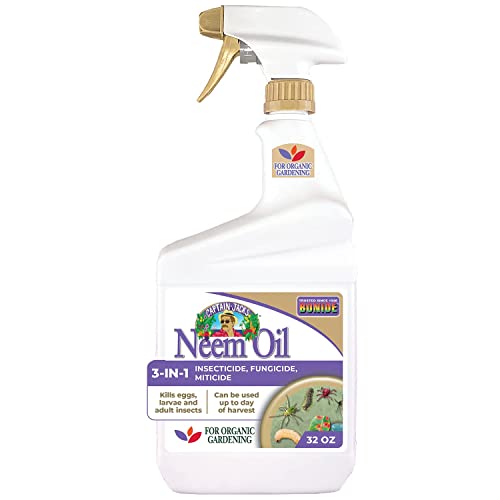
Protect your oasis with 3 garden products in 1 from Captain Jack’s; Bonide Captain Jack’s Ready-to-Use Neem Oil spray for plants is a multi-purpose fungicide, insecticide and miticide for your lawn & garden
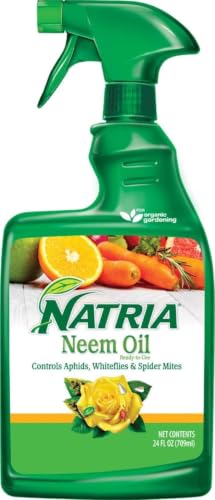
PLANT DISEASE CONTROL: Natria Neem Oil acts as an insecticide and fungicide in one convenient spray; Ready-to-use trigger sprayer requires no mixing

FUNGAL DISEASE CONTROL: Prevents and controls black spot on roses, powdery mildew, rust, downy mildew, and other listed fungal diseases when applied on a 7–14 day schedule
Best Times for Neem Oil on Orange Trees
Timing is crucial when applying neem oil. The best periods for spraying are early morning and late evening. During these times, the temperatures are cooler, which helps prevent leaf burn. Additionally, the reduced sunlight allows the oil to adhere better to the leaves.
Consider the following factors when determining the best time to spray:
Temperature: Ideal temperatures are between 65°F and 85°F.
Humidity: High humidity can enhance effectiveness.
Wind: Avoid windy days to ensure even coverage.
Neem Oil Application Schedule for Orange Trees
Understanding the optimal timing for neem oil application is crucial for maintaining the health of orange trees. This section outlines a detailed schedule based on expert-tested methods, ensuring that you can effectively protect your trees from pests and diseases while promoting their overall growth and productivity.
To achieve the best results, spray neem oil every 7 to 14 days. This frequency helps to maintain a protective barrier against pests. Adjust the schedule based on the severity of the infestation.
| Application Frequency | Infestation Level | Recommended Days |
|---|---|---|
| Light | Low | 14 days |
| Moderate | Medium | 10 days |
| Heavy | High | 7 days |
Neem Oil Mixing Techniques for Orange Trees
Effective neem oil application is crucial for maintaining the health of orange trees. Understanding the right mixing techniques can enhance the oil’s efficacy against pests and diseases. This section delves into expert-tested methods for preparing neem oil solutions tailored specifically for orange trees, ensuring optimal results for your garden.
Proper preparation is essential for effective neem oil application. Start by mixing neem oil with water and an emulsifier like liquid soap. This helps the oil disperse evenly in water.
Follow these steps for preparation:
Measure neem oil: Use 1-2 tablespoons per gallon of water.
Add emulsifier: Mix in 1 teaspoon of liquid soap.
Combine thoroughly: Shake or stir until well mixed.
Fill spray bottle: Use a clean spray bottle for application.
Neem Oil Application Safety Guidelines
While neem oil is natural, it is essential to take safety precautions. Wear gloves and a mask to avoid skin irritation and inhalation. Always test a small area of the tree before full application to check for any adverse reactions.
Avoid spraying during flowering: This protects beneficial insects like bees.
Keep pets away: Ensure pets do not come into contact with sprayed areas until dry.
Store properly: Keep unused neem oil in a cool, dark place.
Neem Oil Application Troubleshooting Tips
When applying neem oil to orange trees, challenges can arise that may hinder its effectiveness. Understanding common issues and their solutions is essential for ensuring a successful application. The following troubleshooting tips will help you navigate any obstacles and maximize the benefits of neem oil for your orange trees.
If you notice issues after applying neem oil, consider the following troubleshooting tips:
Leaf burn: This may occur if sprayed during hot weather. Adjust timing to cooler parts of the day.
Ineffective pest control: Ensure proper dilution and application frequency.
Neem Oil Product Selection Guide
Choosing the right neem oil product is essential for effectively protecting your orange trees from pests and diseases. With various formulations available, understanding the differences can help you make an informed decision. This guide will provide insights into selecting the best neem oil products tailored for your citrus care needs.
When selecting neem oil products, consider their concentration and formulation. Here’s a comparison of popular neem oil products:
| Product Name | Concentration | Formulation | Price Range |
|---|---|---|---|
| Organic Neem Oil | 100% | Pure Oil | $15-$25 |
| Neem Oil Concentrate | 70% | Emulsifiable | $10-$20 |
| Ready-to-Use Neem Spray | 1% | Pre-Mixed | $8-$15 |
Choosing the right product depends on your specific needs and preferences. Always read the label for application instructions and safety information.
Recommended Products

Protect your oasis with Captain Jack’s Neem Max Ready-to-Use Spray; this multipurpose product acts as a 4-in-1 insecticide, fungicide, miticide and nematicide

Gentle Plant Wash Made with Neem Oil & Peppermint Oil

Protect your oasis with 3 garden products in 1 from Captain Jack’s; Captain Jack’s Ready-to-Use Neem Oil spray for plants is a multi-purpose fungicide, insecticide and miticide for your lawn and garden
