

Are your fruit trees not producing like you hoped? You’re not alone. Many gardeners in Tennessee struggle with knowing the right time to fertilize their trees for the best yield. Timing can make all the difference between a bountiful harvest and a disappointing season.
Key Takeaways
- Fertilization Timing: Early spring and late summer are the optimal times to fertilize fruit trees in Tennessee for maximum yield and health.
- Nutrient Importance: Fertilizers provide essential nutrients like nitrogen, phosphorus, and potassium, crucial for leaf growth, flower development, and fruit quality.
- Soil Testing: Always test your soil to understand its nutrient content before applying fertilizers, ensuring informed and effective fertilization methods.
- Organic vs. Synthetic: Both organic (compost, manure, bone meal) and synthetic fertilizers (balanced, slow-release) offer distinct benefits for fruit tree growth, allowing for tailored fertilization plans.
- Tree Variety Factors: Different fruit tree varieties have unique nutrient needs and growth patterns, so customize your fertilization strategy based on the specific types of trees you are growing.
Importance Of Fertilizing Fruit Trees
Fertilizing fruit trees plays a crucial role in their growth and productivity. A nutrient-rich soil environment enhances your trees’ health and promotes better fruit production. Here’s why fertilization is essential:
Nutrient Supply
- Fertilizers provide essential nutrients like nitrogen, phosphorus, and potassium.
- Nutrients support leaf growth, flower development, and fruit quality, ensuring robust trees.
Improved Fruit Quality
- Proper fertilization increases sugar levels and improves flavor in fruits.
- Trees that receive adequate nutrients produce larger, healthier fruits, enhancing your harvest.
Disease Resistance
- Well-nourished trees develop stronger immune systems.
- Healthy trees are less susceptible to pests and diseases, reducing the need for chemical treatments.
Soil Health
- Fertilizers contribute to soil structure and improve moisture retention.
- Balanced soil supports beneficial microorganisms, enhancing nutrient availability for your trees.
- Trees receive necessary nutrients during their active growing season.
- Fertilizing at the right time encourages vigorous growth and fruiting, maximizing your yield.
Engage in a thoughtful fertilization routine to reap these benefits. Always test your soil to understand its nutrient content before adding fertilizers. This practice helps you make informed decisions.
Best Times To Fertilize Fruit Trees In Tennessee
Timing your fertilization boosts the health and yield of your fruit trees. In Tennessee, two key periods stand out for applying fertilizer.
Early Spring
Fertilize your fruit trees in early spring, just as new growth starts. This timing promotes healthy leaf and fruit development after winter dormancy. Apply a balanced fertilizer high in nitrogen to support vigorous growth. Ensure you follow the manufacturer’s recommendations for application rates. For example, a common rate is one pound of fertilizer per inch of trunk diameter.
Late Summer
Fertilize again in late summer, approximately six weeks before the first expected frost. This application helps prepare trees for winter and enhances fruit quality. Use a fertilizer with lower nitrogen and higher potassium levels to strengthen cell walls and improve resistance to cold. An example would be a formula like 5-10-10, where the numbers represent nitrogen, phosphorus, and potassium ratios, respectively. Apply a light dose, usually around half of what you used in spring, to avoid overstimulating growth before dormancy.
Types Of Fertilizers For Fruit Trees
Choosing the right fertilizer for your fruit trees is essential for healthy growth and productivity. Options include organic and synthetic fertilizers, each offering distinct benefits.
Recommended Products
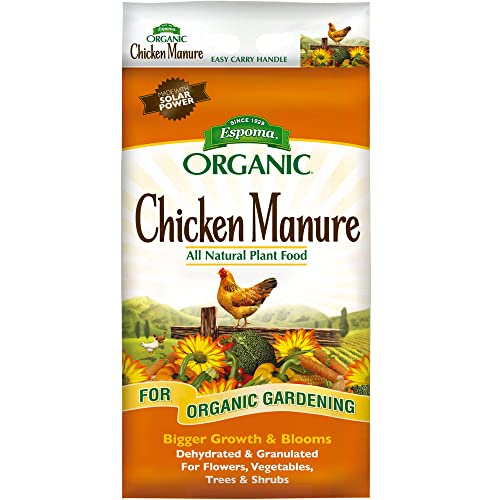
FOR USE ON: Use Chicken Manure organic fertilizer for flowers (annuals, perennials, and roses), Vegetables (tomatoes, peppers, squash, and lettuce), trees and shrubs.

FOR USE ON: Use Chicken Manure organic fertilizer for flowers (annuals, perennials, and roses), Vegetables (tomatoes, peppers, squash, and lettuce), trees and shrubs.

Package contains 4 Pounds organic fruit and citrus fertilizer grains and is produced to avoid wasteful runoff, mess, hazards and smells
Organic Options
Organic fertilizers enhance soil health while providing essential nutrients. They release nutrients slowly, promoting steady growth. Common organic fertilizers include:
- Compost: Use well-decomposed compost to enrich soil. It adds nutrients and improves moisture retention. Apply a layer around the base of your trees each spring.
- Manure: Animal manure, like chicken or cow manure, adds nitrogen and other nutrients. Ensure it’s aged before application to avoid burning the roots. Spread 2-3 inches around the tree.
- Bone Meal: Provides phosphorus for strong root development. Mix bone meal into the soil before planting or sprinkle it during the growing season. Use according to product instructions for dosage.
- Fish Emulsion: A liquid fertilizer that delivers quick nutrients. Dilute with water and apply every 4-6 weeks during the growing season.
Synthetic Options
Synthetic fertilizers offer concentrated nutrients for rapid growth and can be tailored to specific needs. Key synthetic fertilizer types include:
- Balanced Fertilizers: Formulations like 10-10-10 provide equal parts of nitrogen, phosphorus, and potassium. Ideal for a general boost, apply as directed in early spring.
- Slow-Release Fertilizers: These gradually supply nutrients over time. They reduce the risk of nutrient leaching. Follow recommended application rates based on tree size for best results.
- High-Nitrogen Fertilizers: Formulas such as 20-10-10 support vigorous growth, especially during the spring. Apply these in early spring for new growth stimulation.
- Water-Soluble Fertilizers: Easily dissolve in water for quick application. Use these when trees show signs of nutrient deficiency. Follow directions for dilution and frequency of application.
Selecting the right fertilizer type aligns with your goals for growth and yield. By understanding the benefits of both organic and synthetic options, you can make informed choices that promote the health of your fruit trees in Tennessee.
Factors Influencing Fertilization Timing
Fertilization timing for fruit trees in Tennessee depends on several key factors. Understanding these will lead to better results and healthier trees.
Soil Type
Soil type significantly affects nutrient availability, influencing when to fertilize. Sandy soils drain quickly and may require more frequent applications of nutrients. Clay soils retain moisture and nutrients longer, needing less frequent fertilization. Test your soil to determine its pH and nutrient levels. This ensures you apply fertilizer at the right times based on specific soil needs.
Tree Variety
Tree variety plays an essential role in determining fertilization timing. Different types of fruit trees have unique growth patterns and nutrient requirements. For example, apple trees may benefit from early spring fertilization, while peach trees might thrive with a late summer application. Research your specific tree varieties to learn about their ideal fertilization schedules. Tailoring your approach based on variety helps maximize their growth and fruit production.
Conclusion
Fertilizing your fruit trees at the right times can make all the difference in their growth and productivity. By paying attention to the early spring and late summer schedules, you’re setting your trees up for success. Remember to choose the right type of fertilizer for your specific needs and consider factors like soil type and tree variety.
With a little planning and care, you’ll enjoy bountiful harvests and healthy trees. So roll up your sleeves and get ready to nurture your fruit trees into thriving producers. Happy gardening!
Frequently Asked Questions
What is the best time to fertilize fruit trees in Tennessee?
Fertilizing fruit trees in Tennessee is best done in early spring and late summer. Early spring is ideal for applying a balanced fertilizer high in nitrogen, while late summer, about six weeks before frost, is the time for a lighter application with lower nitrogen and higher potassium.
Why is timing important for fertilizing fruit trees?
Proper timing of fertilization is crucial as it directly impacts tree growth and fruit yield. Applying fertilizer at the right times ensures trees receive essential nutrients when they are most needed, promoting healthy growth and maximizing harvest potential.
What nutrients do fruit trees need?
Fruit trees require essential nutrients like nitrogen, phosphorus, and potassium. These nutrients support leaf growth, flower development, and overall fruit quality. Proper fertilization helps enhance flavor, size, and the trees’ immune systems against pests and diseases.
What are the types of fertilizers suitable for fruit trees?
Fruit trees can benefit from both organic and synthetic fertilizers. Organic options include compost, manure, and bone meal, which improve soil health, while synthetic fertilizers provide concentrated nutrients for rapid growth, tailored to specific needs.
How does soil type affect fertilization?
Soil type significantly influences nutrient availability. Sandy soils may require more frequent applications of fertilizer, whereas clay soils usually need less. Testing soil for pH and nutrient levels helps gardeners tailor their fertilization approach effectively.
Should I test my soil before fertilizing?
Yes, testing your soil before fertilizing is highly recommended. It provides valuable information on pH and nutrient levels, helping you make informed decisions about the type and amount of fertilizer needed for your fruit trees.
How much fertilizer should I apply to my fruit trees?
Generally, one pound of balanced fertilizer per inch of trunk diameter is advised during early spring. For late summer applications, a lighter dose with lower nitrogen and higher potassium levels is suitable to prepare trees for winter and improve fruit quality.
