Close Menu
    Fruit Tree Hub
    • Home
    • Apple Trees
    • Lemon Trees
    • Mango Trees
    • Orange Trees
    • More Trees
      • Best Fruit Trees
      • Apricot Trees
      • Cherry Trees
      • Fig Trees
      • Lime Trees
      • Mulberry Trees
      • Peach Trees
      • Pear Trees
      • Plum Trees
      • Pomegranate Trees
    • Tips and Advice
      • Tools
    • About Us
      • Contact
      • Privacy Policy
    Fruit Tree Hub
    Home»Tips and Advice»What Fruit Trees Can Be Planted Next to Each Other for a Thriving Garden Ecosystem
    Tips and Advice

    What Fruit Trees Can Be Planted Next to Each Other for a Thriving Garden Ecosystem

    Martha JacksonBy Martha JacksonNovember 29, 20247 Mins Read
    Share Facebook Twitter Pinterest WhatsApp Email
    Share
    Facebook Twitter LinkedIn Pinterest Telegram Email

    Are you thinking about planting a fruit garden but unsure which trees can thrive next to each other? You’re not alone! Many gardeners face this challenge when trying to create a lush and productive landscape.

    Contents show
    1 Key Takeaways
    2 Understanding Companion Planting
    2.1 Benefits of Companion Planting
    2.2 Examples of Compatible Fruit Trees
    3 Benefits Of Planting Fruit Trees Together
    3.1 Improved Pollination
    3.2 Pest Control
    4 Compatible Fruit Trees
    4.1 Apples And Pears
    4.2 Cherries And Plums
    4.3 Citrus Trees
    5 Considerations When Planting
    5.1 Soil Requirements
    5.2 Sunlight Needs
    6 Conclusion
    7 Frequently Asked Questions
    7.1 What is companion planting in a fruit garden?
    7.2 Which fruit trees grow well together?
    7.3 How does companion planting benefit fruit trees?
    7.4 What are the spacing requirements for fruit trees?
    7.5 How much sunlight do fruit trees need?
    7.6 What soil conditions do fruit trees prefer?
    7.7 Can companion plants help with pest management?
    7.8 Why is cross-pollination important?

    Key Takeaways

    • Companion Planting Benefits: Planting compatible fruit trees together can enhance growth, improve flavor, and provide natural pest control.
    • Improved Pollination: Trees like apple and pear benefit from being planted nearby, boosting cross-pollination and resulting in larger fruit yields.
    • Optimal Spacing: Ensure adequate space (generally 10-20 feet) between trees to minimize competition for resources and allow for proper air circulation.
    • Compatible Pairings: Successful combinations include apple and pear, peach and cherry, as well as fig and pomegranate due to their similar requirements.
    • Soil and Sunlight Considerations: Choose trees with similar soil needs and sunlight exposure to promote healthy growth and maximize yields.
    • Regular Monitoring: Keep an eye on tree health and growth patterns, making adjustments to positioning if necessary to ensure thriving plants.

    Understanding Companion Planting

    Companion planting involves growing different plants side by side for mutual benefit. Certain fruit trees thrive when planted close to compatible species. These relationships can improve growth, enhance flavor, and reduce pests.

    Benefits of Companion Planting

    1. Pest Control: Some trees repel pests naturally. For example, planting citrus trees with nasturtiums helps deter aphids.
    2. Pollination: Diverse flowering plants attract various pollinators. Consider planting berry bushes near apple trees to increase pollination rates.
    3. Soil Health: Different trees can enrich the soil by fixing nitrogen or improving its structure. Leguminous trees, like black locust, benefit neighboring fruit trees with nutrient-rich soil.
    MUST READ
    How Many Times Does a Peach Tree Produce Fruit: Tips for Maximizing Your Harvest

    Examples of Compatible Fruit Trees

    • Apple and Pear: Both trees share similar soil and water needs, promoting a harmonious growth environment.
    • Peach and Cherry: These stone fruits often tolerate similar pests, helping each other stay healthy.
    • Fig and Pomegranate: Both thrive in well-drained soil and enjoy plenty of sunlight.
    1. Assess Compatibility: Research the specific needs of each tree. Consider their water, sunlight, and soil requirements.
    2. Plan Spacing Wisely: Allow enough space between trees to prevent competition for resources. Generally, aim for at least 10-15 feet between large trees.
    3. Monitor Growth: Check for signs of stress or poor growth. Adjust positioning as needed to ensure each tree flourishes.

    By selecting compatible species, you create a fruitful ecosystem in your garden. This approach maximizes your harvest and enhances the overall health of your plants.

    Benefits Of Planting Fruit Trees Together

    Planting fruit trees together offers numerous advantages that enhance garden productivity. Understanding these benefits can help you maximize your fruit yield and maintain a healthy garden ecosystem.

    Recommended Products

    Companion Plant Seeds 5 Variety Collection for Planting - Basil, Borage, Dill, Marigold, & Nasturtium Seed Packs for Healthy Vegetable Gardens & Pollinator Support - Survival Garden Seeds
    Companion Plant Seeds 5 Variety Collection for Planting - Basil, Borage, Dill, Marigold, & Nasturtium Seed Packs for Healthy Vegetable Gardens & Pollinator Support - Survival Garden Seeds

    5 COMPANION PLANTS - This five-pack includes heirloom seeds for growing Large Leaf Basil (Ocimum basilicum), Borage (Borago officinalis), Compact Dill (Anethum graveolens), Crackerjack Marigold (Tagetes erecta), and Tip Top Mix Nasturtium (Tropaeolum majus)

    VIEW LATEST PRICE

    As an affiliate, we earn on qualifying purchases.

    Sophie McKay's Quick Guide on Companion Planting: A Practical Guide to Smart Plant Pairings of Vegetables, Fruits, Herbs, and Flowers for a Thriving, ... McKay's Easy and Effective Gardening Series)
    Sophie McKay's Quick Guide on Companion Planting: A Practical Guide to Smart Plant Pairings of Vegetables, Fruits, Herbs, and Flowers for a Thriving, ... McKay's Easy and Effective Gardening Series)
    VIEW LATEST PRICE

    As an affiliate, we earn on qualifying purchases.

    200+ Mix Dwarf Bonsai Fruit Tree Seeds for Planting, 4 Variety Individual Packs, 50+ Lemon Tree Seeds 50+ Cherry Tree Seeds 50+ Orange Tree Seeds 50+ Apple Seeds Organic Heirloom Fruit Seeds
    200+ Mix Dwarf Bonsai Fruit Tree Seeds for Planting, 4 Variety Individual Packs, 50+ Lemon Tree Seeds 50+ Cherry Tree Seeds 50+ Orange Tree Seeds 50+ Apple Seeds Organic Heirloom Fruit Seeds

    4 kinds of the most popular fruits, individually packaged, 50pcs Lemon seeds 50pcs Cherry seeds 50pcs Orange seeds 50pcs Apple seeds Fresh seeds, all fruit seeds are packed in tear and moisture resistant zipper sealed bags for your long term storage.

    MUST READ
    What Time of Year Do You Prune Fruit Trees for Optimal Growth and Harvesting Success
    VIEW LATEST PRICE

    As an affiliate, we earn on qualifying purchases.

    Improved Pollination

    Planting compatible fruit trees close together boosts pollination rates. Cross-pollination occurs when different tree species share pollen, resulting in larger and more plentiful fruit. For example, apple and pear trees thrive when planted nearby, as they both attract pollinators like bees. This arrangement increases the chances of successful pollination. To optimize this benefit, consider planting trees that bloom around the same time to attract pollinators effectively.

    Pest Control

    Companion planting helps deter pests naturally and promotes a healthier growing environment. Certain fruit trees can repel pests that typically affect other trees. For instance, planting peach trees near cherry trees can reduce the likelihood of peach tree borers. Additionally, diverse plantings confuse pests and minimize infestations. To further enhance pest control, introduce companion plants such as marigolds, which attract beneficial insects and repel harmful pests. Regular monitoring of your garden will ensure a healthy balance.

    Compatible Fruit Trees

    Choosing compatible fruit trees promotes a healthy garden. These pairings can enhance growth, boost pollination, and reduce pest problems.

    Recommended Products

    Apple Tree Saplings – 3 Live Dormant Apple Trees for Planting, Cold Hardy Fruit Tree Starts for Backyard Orchard, Garden & Container Growing - Ships Bare Root
    Apple Tree Saplings – 3 Live Dormant Apple Trees for Planting, Cold Hardy Fruit Tree Starts for Backyard Orchard, Garden & Container Growing - Ships Bare Root

    🍎 3 Live Apple Tree Saplings: Receive three healthy young apple tree saplings ready to plant and grow in your garden, backyard orchard, or container. Plants ship dormant (not leaves or fruit) in spring.

    VIEW LATEST PRICE

    As an affiliate, we earn on qualifying purchases.

    50 PCS 6X9 inches Fruit Protection Bags, Fruit Bags for Fruit Trees, Green Netting Fruit Cover Bags Drawstring Mesh Fruit Protectors Pest Barrier for Fruit Trees Veggies Garden
    50 PCS 6X9 inches Fruit Protection Bags, Fruit Bags for Fruit Trees, Green Netting Fruit Cover Bags Drawstring Mesh Fruit Protectors Pest Barrier for Fruit Trees Veggies Garden

    Reusable Mesh Material: These fruit protection bags are made of polyester, they are sturdy, lightweight, soft it won't hurt the fruit when putting it. This garden netting bags are green in color to help fool the birds and squirrels.

    MUST READ
    What Fruit Trees Like Acidic Soil: Essential Tips for Thriving Growth and Abundant Harvests
    VIEW LATEST PRICE

    As an affiliate, we earn on qualifying purchases.

    3 Pear Tree Saplings with Exposed Root System – Live Fruit Trees, High-Yield Pear Plants for Indoor & Outdoor Growing, Garden Ready Starter Trees
    3 Pear Tree Saplings with Exposed Root System – Live Fruit Trees, High-Yield Pear Plants for Indoor & Outdoor Growing, Garden Ready Starter Trees

    🍐 Grow Your Own Sweet Pears Enjoy fresh, homegrown pears right from your backyard or patio. These saplings are selected for healthy growth and reliable fruit production. Ships bare root and dormant (no leafs)

    VIEW LATEST PRICE

    As an affiliate, we earn on qualifying purchases.

    Apples And Pears

    Apples and pears thrive next to each other. Both trees attract bees, enhancing pollination. It’s vital to select varieties with similar bloom times for effective cross-pollination. Plant these trees with at least 15 feet of space between them to allow for air circulation.

    Cherries And Plums

    Cherries and plums coexist well in a garden. Both belong to the same family, facilitating successful pollination. Ensure you plant compatible varieties, as some cherries require pollen from a different tree. Give each tree a minimum of 20 feet of space to avoid overcrowding.

    Pin This Now to Remember It Later
    Pin This

    Citrus Trees

    Citrus trees, such as oranges and lemons, perform well together. They share similar water and nutrient needs, simplifying care. Plant them in well-draining soil, with 12 to 15 feet between each tree to encourage growth and airflow. Consider mixing in beneficial companion plants like basil or marigold to deter pests naturally.

    Considerations When Planting

    When planting fruit trees, focus on compatibility to foster a thriving ecosystem. Take into account factors like soil requirements and sunlight needs to ensure successful growth.

    Recommended Products

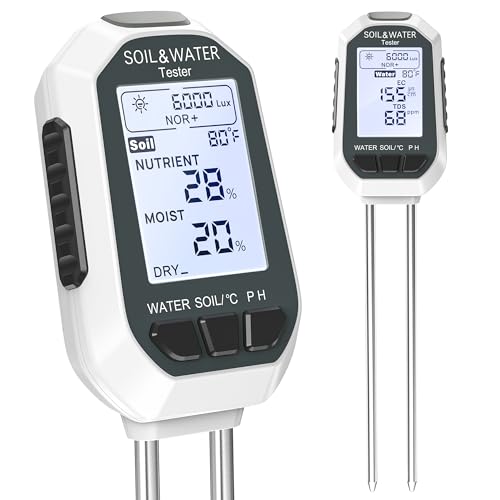
    YAMRON 4-in-1 Soil Moisture Meter, Digital Plant Temperature/Soil Moisture Test & PH Meter/Sunlight Intensity, Backlight LCD Display for Gardening, Farming and Outdoor Plants
    YAMRON 4-in-1 Soil Moisture Meter, Digital Plant Temperature/Soil Moisture Test & PH Meter/Sunlight Intensity, Backlight LCD Display for Gardening, Farming and Outdoor Plants

    【4 in 1 function】This is a 4-in-1 multifunctional soil tester.Our soil tester fastly to measure soil moisture, pH, temperature and sunlight to help you take better care of flowers and plants.You can know when you need to water your soil by measuring moisture and pH & Temperature value of the soil and sunlight level of plants with it.

    MUST READ
    Why Doesn't My Plum Tree Fruit: Common Reasons and Solutions for a Bountiful Harvest
    VIEW LATEST PRICE

    As an affiliate, we earn on qualifying purchases.

    SONKIR Soil pH Meter, MS02 3-in-1 Soil Moisture/Light/pH Tester Gardening Tool Kits for Plant Care, Great for Garden, Lawn, Farm, Indoor & Outdoor Use (Green)
    SONKIR Soil pH Meter, MS02 3-in-1 Soil Moisture/Light/pH Tester Gardening Tool Kits for Plant Care, Great for Garden, Lawn, Farm, Indoor & Outdoor Use (Green)

    Kindly NOTE: This soil tester can not be applied to test pH value of any other liquid. If the soil is too dry the indicator will not move, and water it before testing.

    VIEW LATEST PRICE

    As an affiliate, we earn on qualifying purchases.

    Rapitest Soil Test Kit for Gardens, Vegetables, Flowers and Lawns. USA designed and assembled soil tester completely, quickly and accurately measures/analyzes soil pH acidity and garden nutrients.
    Rapitest Soil Test Kit for Gardens, Vegetables, Flowers and Lawns. USA designed and assembled soil tester completely, quickly and accurately measures/analyzes soil pH acidity and garden nutrients.

    Quick, at home results for Soil pH, Nitrogen, Phosphorous and Potash Innovative and inexpensive soil test kit features an easy-to-use capsule system and patented color comparators

    VIEW LATEST PRICE

    As an affiliate, we earn on qualifying purchases.

    Soil Requirements

    Choose trees with similar soil preferences for optimal growth. Most fruit trees prefer well-drained, loamy soil with a pH of 6.0 to 7.0. For example, apples and cherries thrive in these conditions, while citrus trees often require slightly sandy soil with good drainage. To promote healthy roots, test your soil before planting. Amend the soil with organic matter or compost as needed based on results.

    Sunlight Needs

    Ensure fruit trees receive adequate sunlight to produce a bountiful harvest. Most fruit trees need at least 6 to 8 hours of direct sunlight daily. For instance, peach trees flourish in full sun, while some citrus varieties tolerate partial shade. When arranging your garden, position taller trees to the north of shorter ones to prevent shading. This setup maximizes light exposure for all trees, promoting overall growth and fruit production.

    Conclusion

    Creating a fruitful garden is all about the right combinations. By choosing compatible fruit trees you can enhance growth and boost your harvest. Remember to consider factors like soil preferences and sunlight needs to ensure your trees thrive together.

    MUST READ
    When Do Sweet Cherry Trees Produce Fruit and How to Optimize Their Harvest Timing

    With careful planning and attention to detail your garden can flourish with vibrant trees that not only produce delicious fruit but also support each other’s growth. So go ahead and mix and match those fruit trees. You’ll be rewarded with a bountiful garden that brings joy to your table and your heart. Happy planting!

    Frequently Asked Questions

    What is companion planting in a fruit garden?

    Companion planting involves growing different plants side by side to enhance growth, control pests, and boost pollination. In a fruit garden, this technique helps improve the overall health and productivity of the plants.

    Which fruit trees grow well together?

    Compatible fruit trees include apple and pear, peach and cherry, and fig and pomegranate. It’s important to choose varieties that bloom at the same time for best pollination results.

    How does companion planting benefit fruit trees?

    Companion planting offers benefits like natural pest control, improved pollination through cross-pollination, and enhanced soil health, leading to larger and more abundant fruit.

    What are the spacing requirements for fruit trees?

    Adequate spacing is crucial to prevent overcrowding and ensure each tree receives enough sunlight and nutrients. It’s advisable to research specific spacing needs based on the tree’s mature size.

    How much sunlight do fruit trees need?

    Most fruit trees require at least 6 to 8 hours of direct sunlight daily to thrive. Proper positioning can maximize light exposure, especially for taller trees planted to the north of shorter ones.

    What soil conditions do fruit trees prefer?

    Fruit trees typically thrive in well-drained, loamy soil with a pH of 6.0 to 7.0. It’s essential to consider soil preferences when selecting which trees to plant together.

    Can companion plants help with pest management?

    Yes, incorporating companion plants like marigolds can deter pests and attract beneficial insects. This natural pest control method supports the health of your fruit trees.

    Why is cross-pollination important?

    Cross-pollination increases fruit set and leads to larger, more plentiful fruit. Planting trees that bloom simultaneously can attract pollinators, improving your garden’s yield.

    Share. Facebook Twitter Pinterest LinkedIn Tumblr Email
    martha jackson
    Martha Jackson

      Martha Jackson is an accomplished freelance writer and editor with a strong interest in gardening. With a degree in English from the University of California, Berkeley, Martha has over 15 years of experience writing for a variety of publications. She is passionate about making gardening accessible to all and is always seeking out new techniques and innovations.

      Related Posts

      How Long Until Avocado Trees Bear Fruit and Tips for Faster Growth at Home

      February 20, 2025

      What Yellow Fruit Grows on Trees and Their Delicious Health Benefits

      February 20, 2025

      How to Air Layer Fruit Trees: A Step-by-Step Guide for Successful Propagation

      February 20, 2025

      When Do Grapefruit Trees Produce Fruit and How to Maximize Your Harvest

      February 20, 2025

      What Is a Fast Growing Fruit Tree: Discover Quick-Yield Options for Your Garden

      February 20, 2025

      Do Cherry Blossom Trees Have Fruit? Discover the Truth About Their Edibility and Benefits

      February 20, 2025
      Leave A Reply Cancel Reply

      Affiliate Disclosure

      As an Amazon Associate I earn from qualifying purchases.

      Recommended Reading

      When is the Best Time to Transplant Fruit Trees: Tips for Successful Relocation and Care

      How Long for a Fig Tree to Bear Fruit: Key Factors and Care Tips for Successful Harvests

      Do Fruit Trees Need Fertilizer

      Pear Trees in a Pot in San Antonio, TX: Water-Wise Potting

      Grapefruit Trees in Sacramento, CA (Valley Heat Strategies)

      How to Grow Blackberries and Raspberries: Essential Tips for Healthy Bushes

      What Fruit Trees Grow Fastest: Your Guide to Quick Harvests and Easy Care

      When Will Lime Tree Produce Fruit: Essential Tips for Healthy Growth and Maximum Yield

      How Do Self Pollinating Fruit Trees Work for Maximum Yield in Small Spaces

      How to Protect Newly Planted Fruit Trees from Frost: Effective Tips for Thriving Growth

      Fruit Tree Hub

      Fruit Tree Hub is a website dedicated to providing you everything you need to grow fruit trees successfully at in your own yard.

      Contact us at: [email protected]

      - AFFILIATE DISCLOSURE: As an Amazon Associate I earn from qualifying purchases.

      Latest Posts

      Papaya Trees in a Pot in Minnesota (Surviving Northern Winters)

      Growing Pear Trees in Colorado: High Altitude Success Tips

      Tangerine Trees in a Pot in Wisconsin (Indoor Survival Methods)

      Papaya Trees in a Pot in Oklahoma: Surviving Sudden Cold Snaps

      Growing Papaya Trees in Louisiana: Humidity and Soil Tips

      Can Lemon Trees Grow in Hawaii? Tropical Growing Secrets

      Tamarind Trees in Jacksonville, FL: Subtropical Success Tips

      Tamarind Trees in Arizona: Heat-Tolerant Planting Strategies

      Categories
      • Almond Trees
      • Apple Trees
      • Apricot Trees
      • Best Fruit Trees
      • Blackberry
      • Cantaloupe
      • Cherry Trees
      • Cucamelon
      • Easy Knitting Projects
      • Fig Trees
      • Grapefruit Trees
      • Grapes
      • Guava Trees
      • Honeydew
      • Jujube Trees
      • Kiwi
      • Knitting For Beginners
      • Knitting Ideas
      • Knitting Inspiration
      • Lemon Trees
      • Lime Trees
      • Loquat Trees
      • Mango Trees
      • Mulberry Trees
      • Nectarine Trees
      • Olive Trees
      • Orange Trees
      • Papaya Trees
      • Peach Trees
      • Pear Trees
      • Persimmon Trees
      • Planting
      • Plum Trees
      • Pomegranate Trees
      • Quince Trees
      • Raspberry
      • Reviews
      • Star Fruit Trees
      • Tamarind Trees
      • Tangerine Trees
      • Tips and Advice
      • Tools
      • Uncategorized
      • Walnut Trees
      © 2026 Fruit Tree Hub
      • Home
      • About Us
      • Contact
      • Privacy Policy
      • Terms and Conditions
      • Disclaimer
      • Editorial Policy
      • Affiliate Disclosure

      Type above and press Enter to search. Press Esc to cancel.