

Tamarind trees can thrive in the Pacific Northwest with the right care and conditions. Proper planting, soil management, and climate considerations are crucial for successful growth in this region.
Tamarind Tree Care in Cooler Climates
Tamarind trees prefer warm climates but can adapt to cooler areas with proper care. They require well-draining soil and ample sunlight for optimal growth. In the Pacific Northwest, the challenge lies in the cooler temperatures and wetter conditions, which can hinder growth.
Recommended Products

STARTING A TROPICAL GARDEN- Comprised of real horticultural grade ingredients such as shredded coir husk, pine bark, perlite, sand, and garden lime; no pelletized fertilizer

Hand Blended Money Tree Soil- Hand blended soil perfect for growing money tree plants, Great for repotting or planting money trees.
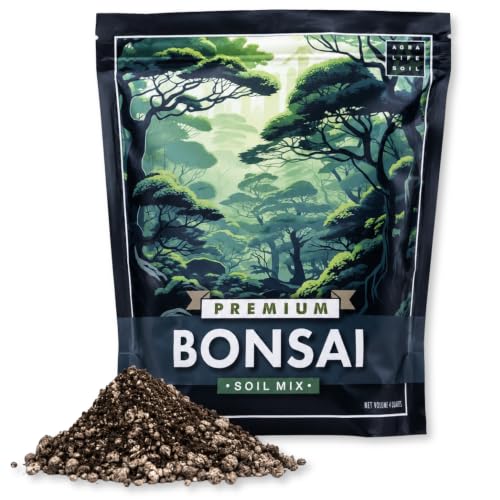
Optimal Drainage & Aeration: Our premium bonsai soil mix is specifically designed to provide excellent drainage and aeration, essential for the health of your bonsai trees. This carefully crafted blend ensures that your bonsai thrives in a nutrient balanced environment.
Soil Quality for Tamarind Tree Growth
Understanding the soil quality is crucial for the successful growth of tamarind trees in the Pacific Northwest. The unique climate and soil conditions of this region can significantly impact the health and productivity of these trees. This section explores the specific soil requirements and amendments needed to foster optimal growth for tamarind trees in Washington.
Soil quality plays a significant role in the health of tamarind trees. They thrive in sandy or loamy soils that drain well.
Test Soil pH: Aim for a pH between 6.0 and 7.5.
Amend Soil: Add compost or well-rotted manure to improve nutrient content.
Ensure Drainage: Create raised beds if necessary to prevent waterlogging.
| Soil Type | Drainage Level | Nutrient Content |
|---|---|---|
| Sandy | High | Low |
| Loamy | Moderate | High |
| Clay | Low | Moderate |
Tamarind Tree Planting Best Practices
Planting tamarind trees in the Pacific Northwest requires careful consideration of the region’s unique climate and soil conditions. Understanding the best practices for tamarind cultivation can significantly enhance growth and fruit production. This section outlines essential techniques to ensure successful planting and thriving tamarind trees in Washington.
Planting tamarind trees correctly is essential for their establishment. Choose a location that receives full sun for at least six hours daily.
Select Healthy Seedlings: Look for strong, disease-free plants.
Dig a Wide Hole: Make the hole twice the width of the root ball.
Water Thoroughly: After planting, ensure the soil is moist but not soggy.
Pacific Northwest Tamarind Climate Needs
Tamarind trees thrive in specific climate conditions, making their successful growth in the Pacific Northwest a unique challenge. Understanding the local climate’s temperature, humidity, and rainfall patterns is crucial for cultivating these tropical trees in a region known for its cooler, wetter environment. This section explores the essential climate requirements for tamarind trees to flourish in Washington.
The Pacific Northwest has a unique climate that can affect tamarind trees. They need protection from frost and excessive moisture.
Monitor Temperature: Ideal growth occurs between 70°F to 90°F.
Use Mulch: Apply organic mulch to retain soil moisture and regulate temperature.
Provide Wind Protection: Use barriers if necessary to shield young trees.
Tamarind Pest and Disease Control Strategies
Tamarind trees, while not native to the Pacific Northwest, can thrive in the region with proper care. However, they are susceptible to various pests and diseases that can hinder their growth. Understanding effective control strategies is essential for maintaining the health and vitality of these unique trees in Washington’s climate.
Tamarind trees can be susceptible to various pests and diseases. Regular monitoring and preventive measures are essential.
Inspect Leaves Regularly: Look for signs of pests like aphids or spider mites.
Use Organic Pesticides: Apply neem oil or insecticidal soap as needed.
Promote Beneficial Insects: Encourage ladybugs and lacewings to control pest populations.
| Pest | Symptoms | Control Method |
|---|---|---|
| Aphids | Curling leaves | Neem oil |
| Spider Mites | Webbing | Insecticidal soap |
| Scale Insects | Sticky residue | Horticultural oil |
Watering Techniques for Tamarind Trees
Tamarind trees thrive in the Pacific Northwest’s unique climate, but proper watering techniques are essential for their successful growth. Understanding the specific moisture needs of these trees can help ensure they flourish in this region. This section explores effective watering strategies tailored to the tamarind’s requirements, promoting healthy development and fruit production.
Watering is crucial, especially during dry spells. Establishing a consistent watering routine can help tamarind trees thrive.
Deep Watering: Water deeply once a week rather than shallow daily watering.
Check Soil Moisture: Use a moisture meter to avoid overwatering.
Adjust for Rainfall: Reduce watering during wet seasons.
Tamarind Tree Fertilization Strategies
Tamarind trees thrive in the Pacific Northwest with the right care, including proper fertilization. Understanding the specific nutrient needs of these trees is essential for promoting healthy growth and fruit production. This section explores effective fertilization strategies tailored to the unique climate and soil conditions of the region.
Proper fertilization can significantly impact the growth of tamarind trees. A balanced approach is key to providing essential nutrients.
Use Slow-Release Fertilizer: Apply a balanced fertilizer in early spring.
Avoid Over-Fertilization: Too much can lead to excessive foliage and poor fruiting.
Supplement with Micronutrients: Consider adding iron or magnesium if deficiencies are noted.
| Fertilizer Type | Application Rate | Frequency |
|---|---|---|
| Balanced NPK | 1-2 lbs per tree | Every 6 months |
| Organic Compost | 2-3 inches around base | Annually |
Tamarind Pod Harvest Timing and Techniques
Understanding the optimal timing and techniques for harvesting tamarind pods is crucial for maximizing yield and flavor. In the Pacific Northwest, where climate conditions can differ significantly from traditional tamarind-growing regions, specific strategies must be employed to ensure a successful harvest. This section provides essential insights into the best practices for tamarind pod collection.
Once established, tamarind trees can produce fruit within 3-4 years. Knowing when and how to harvest is important for quality.
Monitor Pod Color: Harvest when pods turn brown and dry.
Use Pruning Shears: Cut pods from the tree to avoid damage.
Store Properly: Keep harvested pods in a cool, dry place.
Tamarind trees can be a rewarding addition to your garden in the Pacific Northwest. With the right care, they will flourish and provide delicious fruit for years to come.
