

Wondering when to give your fruit trees the nutrients they need to thrive in Michigan? You’re not alone. Many gardeners face the challenge of timing their fertilization just right to ensure a bountiful harvest.
Fertilizing at the wrong time can lead to weak growth or even damage your trees. This article will guide you through the best times to fertilize your fruit trees, helping you boost their health and productivity. With the right timing and care, you’ll be on your way to enjoying delicious fruits right from your backyard.
Key Takeaways
- Timing is Crucial: Fertilize fruit trees in Michigan during spring (late March to early April) and summer (late June to early July) for optimal growth and fruiting.
- Nutrient Selection: Use balanced fertilizers with nitrogen, phosphorus, and potassium to enhance tree health and improve fruit quality.
- Recognize Deficiencies: Look for signs such as yellowing leaves, stunted growth, low fruit production, leaf drop, and pest infestations to determine if your trees need fertilization.
- Soil Health Matters: Healthy trees promote better soil health, which in turn supports beneficial microorganisms and moisture retention.
- Organic vs. Synthetic: Both organic and synthetic fertilizers are effective; organic options enhance long-term soil fertility, while synthetic options provide quick nutrient availability.
- Watering After Application: Always water your trees thoroughly after fertilization to help dissolve the fertilizer and improve nutrient absorption.
Importance Of Fertilizing Fruit Trees
Fertilizing fruit trees in Michigan is crucial for several reasons. Healthy trees produce better fruit. This improvement comes from providing essential nutrients that may be lacking in the soil.
Enhances Growth
Fertilization encourages vigorous growth. Trees receive necessary nitrogen, phosphorus, and potassium, which are vital for forming new leaves and branches. This growth leads to more blooms and, consequently, more fruit.
Improves Fruit Quality
Quality impacts not only the taste but also the nutritional value of the fruit. Fertilized trees often yield larger, sweeter, and more flavorful produce. Keeping trees well-fed supports better fruit development throughout the season.
Increases Disease Resistance
Nutrient-rich trees are healthier and more resilient against pests and diseases. Adequate feeding strengthens root systems and enhances overall tree vitality. A robust tree can better withstand environmental stresses and potential infections.
Cultivates Soil Health
Fertilizing fruit trees affects not just the trees but also the soil. Balanced fertilization promotes soil health. Healthy soil retains moisture better and improves aeration, creating a thriving ecosystem for beneficial microorganisms.
Timing Matters
Knowledge about the right time to fertilize fruit trees ensures their maximum benefit. Fertilizing too early or too late can damage roots or disrupt growth cycles. Proper timing aligns nutrient availability with the tree’s growth phases, optimizing uptake.
By focusing on these critical aspects of fertilizing, you can significantly enhance the productivity and health of your fruit trees in Michigan.
Best Times To Fertilize In Michigan
Timing plays a crucial role in fertilizing fruit trees in Michigan. Understanding the best times ensures your trees receive the nourishment they require for optimal growth and fruit production.
Recommended Products
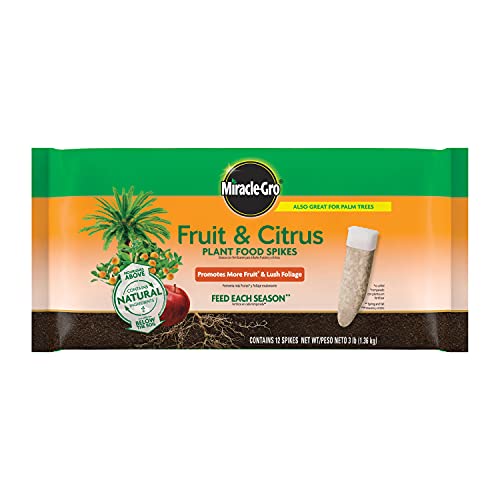
FORMULATED FOR CITRUS AND FRUIT TREES: Use these citrus fertilizer spikes on apple, orange, lemon, lime, and avocado trees; this formula is also great for feeding palm trees

Let our professionally formulated plant food help your fruit tree grow healthy, strong AND abundantly producing
Spring Fertilization
Fertilizing in spring is essential for fruit trees after winter dormancy. Aim for late March to early April when soil temperatures reach around 50°F. At this point, trees start to awake, and nutrients become available for uptake.
- Use a balanced fertilizer containing nitrogen, phosphorus, and potassium.
- Apply about 1 to 2 pounds of fertilizer per inch of trunk diameter.
- Water the trees thoroughly after fertilization to help dissolve the fertilizer and aid absorption.
Summer Fertilization
For summer fertilization, focus on late June through early July. This period supports fruit development and overall tree health.
- Consider a slow-release fertilizer for gradual nutrient delivery.
- Apply about ½ to 1 pound of fertilizer per inch of trunk diameter again.
- Monitor the tree’s growth; adjust the amount based on your tree’s health and response to the previous fertilization.
By timing your fertilization appropriately in spring and summer, you promote thriving fruit trees that yield bountiful, flavorful harvests.
Types Of Fertilizers For Fruit Trees
Choosing the right fertilizer type enhances the health of your fruit trees. Two main categories exist: organic and synthetic options.
Organic Options
Organic fertilizers provide nutrients derived from natural sources. These fertilizers promote soil health and improve nutrient availability. Common organic fertilizers for fruit trees include:
- Composted Manure: Enriched with essential nutrients, composted manure enhances soil structure and microbial activity. Apply it in early spring.
- Bone Meal: This slow-release option is high in phosphorus, promoting root development and flowering. Use it when planting new trees or in spring.
- Fish Emulsion: A liquid fertilizer that supplies nitrogen and trace minerals, fish emulsion supports vigorous growth. Dilute it in water and apply every 4-6 weeks during the growing season.
- Kelp Meal: Rich in potassium, kelp meal boosts overall tree health and disease resistance. Incorporate it into the soil during the spring.
Organic fertilizers enhance long-term soil fertility and foster a sustainable gardening practice.
Synthetic Options
Synthetic fertilizers contain concentrated nutrients and offer quick results. They come in various formulations, providing flexibility. Common synthetic options for fruit trees include:
- Balanced NPK Fertilizers: These contain a mix of nitrogen (N), phosphorus (P), and potassium (K) in equal ratios. They support overall growth and fruiting. Follow package instructions for application amounts in spring.
- Slow-Release Formulas: These provide nutrients gradually, reducing the risk of over-fertilization. Apply them in early spring to support consistent growth throughout the season.
- Urea: A high-nitrogen synthetic fertilizer, urea promotes leafy growth. Use it with caution, especially in late summer, to avoid excessive vegetative growth that may reduce fruit quality.
Choose synthetic fertilizers for immediate effects while understanding their potential impact on soil health.
Signs Your Fruit Trees Need Fertilization
Recognizing when your fruit trees need fertilization is key to maintaining their health and productivity. Watch for these signs:
Recommended Products

Package contains 4 Pounds organic fruit and citrus fertilizer grains and is produced to avoid wasteful runoff, mess, hazards and smells

Down to Earth Fruit Tree is a five pound box of all natural fertilizer with 6-2-4 formula and is listed by the Organic Materials Review Institute (OMRI) for use in organic production

Quick, at home results for Soil pH, Nitrogen, Phosphorous and Potash Innovative and inexpensive soil test kit features an easy-to-use capsule system and patented color comparators
Yellowing Leaves
Observe leaf color. When leaves turn yellow, it signals nutrient deficiency, especially nitrogen. Check mature leaves first; younger leaves may remain green longer.
Poor Growth
Evaluate growth rate. If your trees show stunted growth or have fewer new shoots than usual, it indicates they might not receive necessary nutrients. Compare their growth to other healthy trees.
Low Fruit Production
Monitor fruit yield. A decrease in fruit quantity or size might suggest a lack of vital nutrients. If your tree produced well last season but struggles now, consider fertilization.
Leaf Drop
Notice leaf drop patterns. Excessive leaf fall, especially before autumn, can be a sign of nutrient stress. Healthy trees lose leaves slowly as seasons change, but sudden drops often require attention.
Pest Infestation
Watch for pests. Trees lacking nutrients often become more susceptible to pests. If you find an increase in insect activity, it could point to underlying health issues related to nutrition.
Soil Testing Results
Conduct soil tests. Low nutrient levels in soil reveal the need for fertilization. Tests can show specific nutrient deficiencies, allowing you to tailor your fertilizer choice.
Fruit Quality Issues
Inspect fruit quality. Smaller, tasteless, or misshapen fruits often stem from nutrient imbalances. Fertilization can restore the essential nutrients for better quality fruits.
Timing
Utilize the appropriate timing. Fertilize trees in spring before new growth starts and during summer as fruits develop. If any of the above signs appear, assess your fertilization strategy to address potential deficiencies.
Conclusion
Timing your fertilization can make all the difference for your fruit trees. By fertilizing in early spring and again in summer you’re setting your trees up for success. You’ll encourage healthy growth and a fruitful harvest while also enhancing their resilience against pests and diseases.
Keep an eye out for signs that your trees might need a nutrient boost. With the right approach to fertilization you’ll enjoy larger and sweeter fruits straight from your backyard. Happy gardening and may your trees thrive for many seasons to come!
Frequently Asked Questions
When is the best time to fertilize fruit trees in Michigan?
The ideal times to fertilize fruit trees in Michigan are in late March to early April for spring fertilization and from late June to early July for summer fertilization. Spring fertilization should occur when soil temperatures reach around 50°F to promote healthy growth leading to better fruit production.
What type of fertilizer should I use for my fruit trees?
You can choose between organic and synthetic fertilizers for your fruit trees. Organic options, like composted manure and fish emulsion, improve soil health, while synthetic options, such as balanced NPK fertilizers, provide quick nutrient availability. Select based on your gardening preferences and desired outcomes.
How much fertilizer should I apply?
A general guideline is to apply 1 to 2 pounds of balanced fertilizer per inch of trunk diameter during spring. For summer fertilization, adjust the amount based on the tree’s health and the fertilizer’s specific recommendations. Always follow label instructions for best practices.
What signs indicate my fruit trees need fertilization?
Look for yellowing leaves, slow growth, low fruit production, excessive leaf drop, increased pests, poor fruit quality, and soil test results. Recognizing these signs will help you determine when to fertilize your fruit trees for optimal health and productivity.
Can improper fertilization harm my fruit trees?
Yes, fertilizing at the wrong time can disrupt growth cycles and damage roots. It’s essential to understand the optimal timing for fertilization to prevent harm and ensure that your trees receive the nutrients necessary for healthy growth and fruit production.
