

Have you ever wondered why your lime tree isn’t producing any fruit? You’re not alone. Many gardeners face this frustrating issue, watching their trees thrive in the sun but fail to bear fruit. It can be disheartening when you’ve put in the effort to nurture your tree, only to be left empty-handed.
Key Takeaways
- Insufficient Pollination: Ensure effective pollination by attracting pollinators and considering hand pollination if necessary.
- Environmental Factors: Maintain optimal temperature, light, and watering conditions for your lime tree’s health and fruit production.
- Nutrient Deficiencies: Regularly assess and provide essential nutrients like nitrogen, potassium, and magnesium using balanced fertilizers.
- Tree Age and Variety: Recognize that younger lime trees (3-5 years) may not bear fruit yet and choose varieties suited to your climate for better yields.
- Proper Care Practices: Implement sound watering and pruning techniques to enhance tree health and support fruit development.
- Seasonal Considerations: Monitor climate conditions and flowering cycles to ensure your lime tree’s growth aligns with its needs for optimal fruiting.
Common Reasons for Lack of Fruit Production
Several factors can prevent your lime tree from producing fruit, even if it appears healthy. Understanding these reasons helps you address the issues effectively.
Recommended Products

🍋 EXPLOSIVE HARVEST: GardenWise ignites a remarkable yield boost. Its scientific blend, featuring 6% nitrogen for growth, 4% phosphorus for flowering, and 6% potassium for fruit quality, culminates in an abundance of flavorful, aromatic fruits. This is more than growth; it's a nutrient-powered revolution in your citrus yield.

🍋 EXPLOSIVE HARVEST: GardenWise ignites a remarkable yield boost. Its scientific blend, featuring 6% nitrogen for growth, 4% phosphorus for flowering, and 6% potassium for fruit quality, culminates in an abundance of flavorful, aromatic fruits. This is more than growth; it's a nutrient-powered revolution in your citrus yield.

Promotes Early and Consistent Fruiting: This lime tree fertilizer is formulated to encourage early fruit set and consistent production throughout the growing season. By providing the necessary nutrients at critical growth stages, it helps your lime trees establish a reliable fruiting pattern, ensuring you get the most out of each harvest.
Insufficient Pollination
Insufficient pollination affects fruit set in lime trees. If flowers aren’t pollinated, they won’t develop into fruit. Consider the following:
- Pollinators: Ensure bees and other insects visit your tree. Plant flowers nearby to attract them.
- Hand Pollination: If natural pollination is low, you can gently brush the flowers with a small brush to transfer pollen.
Environmental Factors
Environmental conditions play a significant role in fruit production. Key aspects include:
- Temperature: Lime trees thrive in warm climates. Ideal temperatures range from 70°F to 100°F. Protect your tree from frost.
- Light: Ensure your tree gets at least 8 hours of sunlight daily. If grown indoors, place it near a sunny window.
- Water: Maintain consistent soil moisture. Water the tree deeply but let the top inch of soil dry between watering.
Nutrient Deficiencies
Nutrient deficiencies hinder the overall health and fruit production of lime trees. Focus on these nutrients:
- Nitrogen: Adequate nitrogen is crucial for growth. Use a balanced fertilizer with a higher nitrogen ratio.
- Potassium and Magnesium: Both promote fruiting. Incorporate fertilizers rich in these nutrients, or consider supplements like Epsom salt for magnesium.
By addressing these common issues, you can encourage your lime tree to start producing fruit efficiently.
Biological Factors Affecting Fruiting
Biological factors can significantly influence your lime tree’s ability to produce fruit. Understanding these can help you identify and address potential issues.
Recommended Products

Made for Lime & Citrus Trees – Formulated to support healthy growth in lime and citrus trees.

GRAFTED BEARS SEEDLESS LIME VARIETY: Professional grafted lime tree ensures fruit production and consistent quality, grown in a nursery-grade container. Bearss Limes

GRAFTED BEARS SEEDLESS LIME VARIETY: Professional grafted lime tree ensures fruit production and consistent quality, grown in a nursery-grade container. Bearss Limes
Age of the Tree
Age plays a crucial role in fruit production. Lime trees usually begin to bear fruit between 3 to 5 years after planting. Younger trees may not have matured enough to produce fruit yet. For optimal fruiting, ensure your tree is past its juvenile stage. If your lime tree is younger, patience is key. Just provide regular care, and it should start fruiting when it’s ready.
Variety of Lime Tree
Different varieties of lime trees have unique fruiting characteristics. For example, the Persian lime, also known as Tahiti lime, typically produces fruit year-round, while the Key lime may have specific seasonal cycles. It’s essential to choose a variety suited to your climate and conditions. Researching your specific lime tree variety can offer insight into its fruiting habits. If you’ve planted a variety known for low yields, consider adding a different type for better production.
Care Practices Impacting Fruit Development
Caring for your lime tree properly can significantly influence its fruit production. Several practices play a crucial role in nurturing a fruit-bearing tree.
Recommended Products

Accurate Soil Moisture Detection: The XLUX Soil Moisture Meter can tell you if the soil deep inside your pot or garden is dry, moist or wet; whereas your eyes and fingers can only determine the moisture level of the soil surface. The probe is 5.5 inches (14 cm) longer than regular styles, allowing it to measure the soil moisture at the bottom of larger and deeper flower pots.

Accurate Soil Moisture Detection: The XLUX Soil Moisture Meter can tell you if the soil deep inside your pot or garden is dry, moist or wet; whereas your eyes and fingers can only determine the moisture level of the soil surface. The probe is 5.5 inches (14 cm) longer than regular styles, allowing it to measure the soil moisture at the bottom of larger and deeper flower pots.
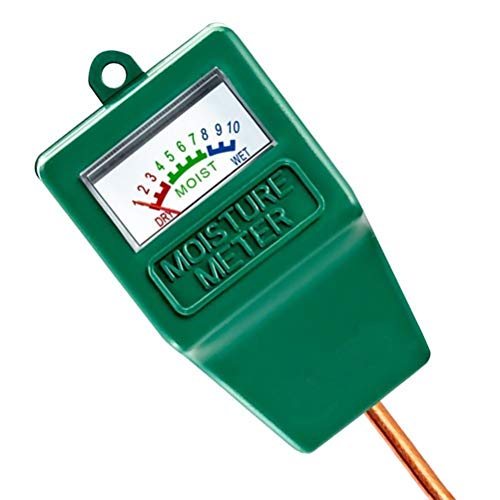
Soil Moisture Meter: This single probe soil moisture meter is specially designed for testing the moisture level in the soil, helps you decide whether the plants need water or not, helps to keep plants alive.
Watering Issues
Watering practices directly affect your lime tree’s health and fruiting capacity. Insufficient water can stress the tree, leading to poor fruit set. On the other hand, overwatering causes root rot, which can also prevent fruiting.
- Consistent Moisture: Aim for evenly moist soil. Water the tree deeply when the top inch of soil feels dry.
- Check Drainage: Ensure your pot or garden area has good drainage to prevent standing water.
- Seasonal Adjustments: In hotter months, increase frequency, while during cooler months, reduce watering. Adjust based on rainfall.
Pruning Techniques
Pruning helps shape your lime tree and fosters better fruit production. Properly trimming your tree encourages airflow and light penetration, essential for healthy fruiting.
- Timing: Prune during the late winter or early spring when the tree is dormant.
- Remove Dead Wood: Cut away any dead, damaged, or crossing branches. This promotes better air circulation.
- Thin Out Growth: Selectively remove some of the dense foliage to allow light to reach the center of the tree.
- Shape the Tree: Maintain a balanced shape, focusing on a central leader and outward-growing branches for optimal sunlight exposure.
Using these best practices can enhance your lime tree’s health and increase its fruit yield.
Seasonal Considerations
Seasonal factors play a vital role in the fruit production of lime trees. Understanding these elements can help you make necessary adjustments to encourage fruiting.
Climate and Temperature
Lime trees thrive in warm, subtropical climates. They require temperatures between 70°F and 90°F (21°C to 32°C) for optimal growth. If temperatures fall below 50°F (10°C), you may notice a decline in fruit production. Protect your tree during cold snaps by covering it or bringing it indoors if it’s potted. Additionally, humidity levels should remain moderate. Too much humidity can foster diseases, while low humidity can hinder growth. Monitor your tree’s environment to ensure it aligns with these requirements.
Flowering Cycles
Lime trees have specific flowering cycles that determine when they will produce fruit. Generally, they bloom in spring and can produce additional flushes throughout the growing season. If your tree isn’t flowering, it could be due to insufficient sunlight or poor soil conditions. Ensure your lime tree receives full sun for at least 6 to 8 hours daily. This sunlight supports flowering and sets the foundation for fruit development.
To get the most from your lime tree, pay attention to its flowering habits. Different lime varieties have unique cycles. For example, Persian limes may bloom year-round, while Key limes typically show seasonal blooms. Familiarize yourself with the flowering characteristics of your specific lime variety, and adjust your care routine to match its needs.
Conclusion
If your lime tree isn’t producing fruit don’t lose hope. With a bit of patience and the right care you can encourage it to thrive. Focus on providing optimal conditions like proper watering sunlight and nutrients. Pay attention to the variety of your tree as that can also play a big role in fruiting.
Regularly check for pollination and consider hand-pollinating if needed. Remember that young trees may take a few years to bear fruit so keep nurturing it. By addressing these factors you’re on the right path to enjoying the fruits of your labor. Happy gardening!
Frequently Asked Questions
Why isn’t my lime tree producing fruit?
Lime trees may not produce fruit due to insufficient pollination, inadequate sunlight, nutrient deficiencies, or environmental factors. Ensuring the presence of pollinators and maintaining ideal conditions like soil moisture and temperature can help improve fruit production.
How long does it take for a lime tree to bear fruit?
Lime trees typically start bearing fruit between 3 to 5 years after planting. Younger trees may not be mature enough, so regular care and patience are essential during this growth period.
What nutrients do lime trees need for fruiting?
Key nutrients for lime trees include nitrogen, potassium, and magnesium. Using balanced fertilizers and supplements can support healthy growth and encourage fruit production.
How important is pollination for fruit production in lime trees?
Pollination is crucial for fruit production in lime trees. Bees and other pollinators help fertilize the flowers. If natural pollination is insufficient, hand pollination may enhance fruit set.
When should I prune my lime tree?
Prune your lime tree in late winter or early spring to promote fruiting. Focus on removing dead wood, thinning dense foliage, and shaping the tree to improve airflow and sunlight exposure.
What environmental conditions do lime trees prefer?
Lime trees thrive in warm, subtropical climates with temperatures between 70°F and 90°F (21°C to 32°C). They need full sun for at least 6 to 8 hours a day and moderate humidity for optimal growth.
How can I tell if my lime tree is stressed?
Signs of stress in lime trees include yellowing leaves, slow growth, and poor fruit development. Stress can result from overwatering, underwatering, insufficient light, or nutrient deficiencies. Regular monitoring can help address these issues.
Do different lime tree varieties affect fruit production?
Yes, different lime varieties have unique fruiting characteristics. For example, Persian limes can produce fruit year-round, while Key limes may follow specific seasonal cycles. Research your variety for tailored care.
How does watering impact my lime tree’s fruit production?
Proper watering is essential for lime tree fruit production. Stress from too little water can hinder growth, while overwatering can cause root rot. Maintain consistently moist soil and adjust watering based on seasonal changes.
Can climate change affect my lime tree’s ability to bear fruit?
Yes, climate change can impact temperature, humidity, and weather patterns, affecting lime trees’ growth and fruiting potential. Protecting your tree during cold spells and maintaining optimal growing conditions are crucial.
