

Got bugs invading your fruit trees? You’re not alone. Many gardeners face the frustration of pests munching on their prized apples, peaches, or cherries. It can feel overwhelming when you see your hard work threatened by these tiny invaders.
Key Takeaways
- Identify Common Pests: Familiarize yourself with common pests like aphids, spider mites, and caterpillars to effectively manage infestations on your fruit trees.
- Utilize Natural Remedies: Consider using natural solutions such as neem oil, insecticidal soap, and diatomaceous earth to control pests without harming the environment.
- Choose Appropriate Chemicals: When necessary, select the right pesticides based on the specific pest problem, ensuring proper application techniques for optimal effectiveness.
- Implement Preventative Measures: Maintain healthy fruit trees by ensuring proper watering, fertilization, and regular pruning to minimize pest exposure.
- Enhance Biodiversity: Use companion planting strategies to attract beneficial insects and deter pests, fostering a balanced ecosystem in your garden.
Understanding Common Bugs in Fruit Trees
Pests can severely impact the health of your fruit trees. Knowing these common bugs helps you take effective action against them.
Aphids
Aphids are small, soft-bodied insects that suck the sap from fruit trees. They cluster on young leaves and shoots. Signs of infestation include curled leaves and sticky residue on leaves. To control aphids, you can use insecticidal soap or introduce beneficial insects like ladybugs, which prey on them.
Spider Mites
Spider mites are tiny arachnids that thrive in dry conditions. They create fine webbing on leaves, causing stippling and eventual leaf drop. Look for yellow or brown spots on leaves, which indicate damage. To combat spider mites, increase humidity around the trees, blast them off with water, or use miticides labeled for spider mite control.
Caterpillars
Caterpillars are the larvae of moths and butterflies. They feed on leaves and can cause significant defoliation. Common types include the codling moth and the webworm. You’ll notice chewed leaves and, in some cases, the presence of webs. To manage caterpillars, handpick them off trees, utilize Bacillus thuringiensis (Bt), or place pheromone traps to disrupt their life cycle.
Natural Methods to Get Rid of Bugs
Natural methods provide effective solutions to manage pests in your fruit trees. These techniques are environmentally friendly and can help restore balance to your garden.
Recommended Products

Control diseases and insects in your garden with Captain Jack’s Fruit Tree Spray Concentrate! Use on a variety of listed fruits, nuts and citrus plants.

Control diseases and insects in your garden with Captain Jack’s Fruit Tree Spray Concentrate! Use on a variety of listed fruits, nuts and citrus plants.

QUICK KNOCKDOWN & RESIDUAL CONTROL - Monterey Fruit Tree Plus for Control of Insects, Diseases & Mites is a combination of 70% Neem Oil and natural pyrethrins that provide knock down and residual insect control.
Neem Oil
Neem oil acts as a natural pesticide, derived from the seeds of the neem tree. To use neem oil effectively, mix 2 tablespoons of the oil with 1 gallon of water and a few drops of liquid soap. Apply this mixture every 7 to 14 days, focusing on the leaves and stems. Neem oil disrupts pests’ life cycles, preventing eggs from hatching and larvae from maturing. It targets aphids and spider mites, providing a broad range of pest control.
Insecticidal Soap
Insecticidal soap proves effective against soft-bodied insects like aphids and spider mites. Combine 2 tablespoons of liquid soap with 1 gallon of water. Spray all surfaces of the affected plants, ensuring thorough coverage, especially underneath leaves where pests often hide. Repeat the application every few days or after rain. The soap penetrates pests’ exoskeletons and suffocates them, leading to quick results.
Diatomaceous Earth
Diatomaceous earth (DE) offers a non-toxic way to eliminate crawling insects. Sprinkle a thin layer around the base of your fruit trees. This fine powder, composed of fossilized algae, scratches and dehydrates pests upon contact. Use food-grade DE to ensure safety for your plants and surrounding wildlife. Reapply after heavy rain or watering for continued effectiveness against caterpillars and other crawling pests.
Chemical Solutions for Pest Control
Chemical solutions offer a range of options for managing pests on fruit trees effectively. Selecting the right pesticide and applying it correctly ensures optimal results.
Selecting the Right Pesticide
Identify the specific pest affecting your fruit trees before choosing a pesticide. Common options include:
- Insecticides: Target soft-bodied insects like aphids. Look for products containing pyrethrin or imidacloprid. These substances disrupt pest growth and feeding.
- Miticides: Designed for spider mites, these products effectively reduce mite populations. Common choices include abamectin.
- Bacillus thuringiensis (Bt): This natural bacterium targets caterpillars without harming beneficial insects. Look for formulations specific to caterpillar control.
- Systemic insecticides: Absorbed by the plant, these protect against sucking insects. Follow label instructions closely for dosage and safety.
Always read and follow application instructions to ensure safety for your fruit trees and nearby wildlife.
Application Techniques
Use effective application techniques for the best results when applying pesticides. Consider these tips:
- Timing: Apply pesticides early in the morning or late in the evening to minimize exposure to beneficial insects.
- Sprayers: Use a spray device that delivers even coverage. Handheld or backpack sprayers work well for smaller trees, while larger sprayers suit bigger areas.
- Target Areas: Focus on infested branches, trunks, and the undersides of leaves where pests often hide.
- Reapplication: Monitor your trees and reapply pesticides as needed, especially after rain or heavy watering.
Ensure you wear protective gear during application, including gloves and a mask, to protect your skin and lungs from exposure.
Preventative Measures for Healthy Fruit Trees
Taking care of your fruit trees involves regular maintenance and prevention strategies to keep pests at bay. Implementing these measures ensures your trees stay healthy and productive.
Recommended Products

PROFESSIONAL GARDENING GRAFTING TOOLS: Including 2 in 1 grafting pruning tools, 3 replaceable blades, a grafting knife, a screwdriver, a wrench, 2 grafting films, 160 rubber bands, 40 wide rubber bands, and 50 colorful tag cards
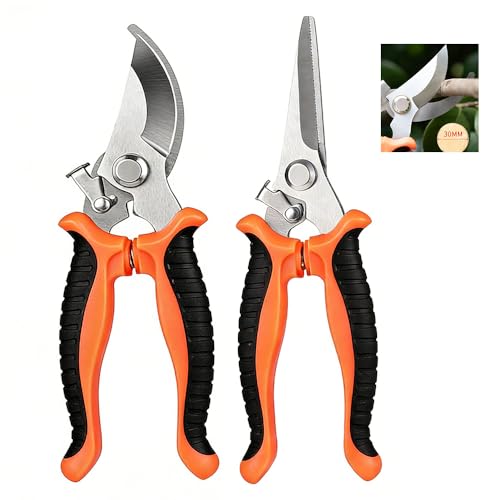
Essential Gardening Tool: This garden pruning shear is specially designed for light cutting tasks. Its blade body is treated with a special craft for smooth, consistently sharp cuts. Equipped with a high-elasticity spring, it opens and closes effortlessly for easy operation.

Proper Watering and Fertilization
Water fruit trees deeply and consistently. Aim for 1 to 2 inches of water per week, applying it slowly to encourage deep root growth. Overwatering can lead to root rot, while underwatering stresses the tree. Fertilization should occur in early spring with a balanced fertilizer, providing essential nutrients like nitrogen, phosphorus, and potassium. Applying compost can also enhance soil health and improve water retention.
Regular Pruning
Prune fruit trees annually to maintain their shape and health. Remove dead or diseased branches and thin out crowded areas to improve air circulation. This practice not only enhances sunlight exposure but also reduces the risk of pests and diseases. Focus on pruning during late winter or early spring, before new growth begins. Use clean, sharp tools to make clean cuts and minimize stress on the tree.
Companion Planting
Companion planting can naturally deter pests while promoting healthy growth. Plant herbs like basil, mint, and dill near fruit trees to attract beneficial insects. Marigolds and nasturtiums serve as natural repellents for various pests. Aim for a diverse garden that encourages biodiversity, which can help create a balanced ecosystem in your orchard.
Implementing these preventative measures establishes a healthy environment for your fruit trees, reducing pest occurrences and promoting abundant harvests.
Conclusion
Taking care of your fruit trees doesn’t have to be a battle against pests. By understanding the specific bugs that threaten your trees and employing both natural and chemical solutions, you can protect your hard work. Remember to stay proactive with regular maintenance and preventative measures to keep your trees healthy and thriving.
With a little patience and the right strategies, you’ll enjoy bountiful harvests while creating a vibrant garden ecosystem. Your fruit trees deserve the best care, and you’ve got the tools to make it happen. Happy gardening!
Frequently Asked Questions
What common pests affect fruit trees?
Fruit trees are commonly affected by pests such as aphids, spider mites, and caterpillars. Aphids suck sap from leaves, leading to curling and sticky residue. Spider mites thrive in dry conditions, causing leaf damage and webbing. Caterpillars, the larvae of moths and butterflies, can defoliate trees quickly.
How can I manage aphids on my fruit trees?
To manage aphids, consider using insecticidal soap or introducing beneficial insects like ladybugs. These methods effectively reduce aphid populations without harming the environment. It’s important to apply treatment promptly to prevent damage to the tree.
What are effective ways to control spider mites?
To control spider mites, increase humidity around the trees or use miticides specifically formulated for these pests. Regular monitoring is essential, as these pests can reproduce quickly in dry conditions. Keeping plants hydrated can help prevent infestation.
How do I deal with caterpillars on my fruit trees?
You can manage caterpillars by handpicking them off the trees, applying Bacillus thuringiensis (Bt), or using pheromone traps to disrupt their lifecycle. Regular monitoring of your trees will help you catch infestations early.
Are there natural methods for pest control?
Yes, natural methods include using neem oil and insecticidal soap, which disrupt pest life cycles without harming beneficial insects. Diatomaceous earth is another eco-friendly option for dealing with crawling insects effectively.
What chemical solutions are available for pest control?
Chemical solutions include targeted insecticides for aphids, miticides for spider mites, and Bacillus thuringiensis (Bt) for caterpillars. It’s crucial to identify the pest before choosing a pesticide and always follow application instructions for safety.
How can I prevent pests from damaging my fruit trees?
Preventive measures include maintaining proper watering and fertilization, regular pruning, and implementing companion planting to deter pests. These strategies promote healthy tree growth and create an ecosystem that minimizes pest occurrences.
Why is regular maintenance important for fruit trees?
Regular maintenance helps keep fruit trees healthy by ensuring they receive adequate moisture, nutrients, and air circulation. It also reduces the risk of pests, leading to a better harvest and overall tree vitality.
