

Have you ever wondered when those sweet, tangy loquat fruits are ready to pick? If you’ve got a loquat tree in your yard or are just curious about these delicious gems, knowing the right time to harvest can make all the difference.
Imagine walking outside to find your tree bursting with vibrant orange fruit, but you’re not sure if they’re ripe enough to enjoy. Timing is key, and this article will help you understand the signs of ripeness and the best harvesting practices. By the end, you’ll be ready to savor the unique flavor of loquats at their peak freshness.
Key Takeaways
- Ripening Timeline: Loquat fruits typically ripen in late spring to early summer, with variations based on tree variety and climate conditions.
- Signs of Ripeness: Look for a color change to yellow or orange, slight softness when squeezed, and a sweet aroma to determine when loquats are ready for harvest.
- Optimal Growing Conditions: Loquat trees thrive in well-drained soil, require full sunlight, and need consistent watering to support healthy fruit development.
- Harvesting Techniques: Use clean tools and pick gently to minimize damage, collecting fruits in clusters for efficiency while handling them carefully to avoid bruising.
- Culinary Versatility: Loquat fruits can be consumed fresh, added to salads, blended in smoothies, or used in desserts like pies and preserves for extended enjoyment.
Understanding Loquat Trees
Loquat trees are evergreen, fruit-bearing plants that thrive in warm climates. Familiarity with their characteristics and growing conditions enhances your ability to cultivate these fruit trees successfully.
Recommended Products

Grow the planet's most massive tree species from seed!
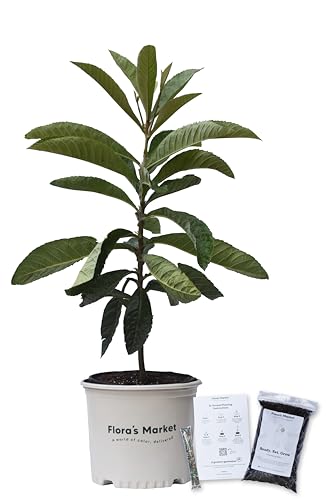
SWEET, TROPICAL FRUIT - Loquat trees produce juicy, pear-shaped fruit with a unique, tangy-sweet flavor, perfect for fresh eating or making jams

FREE EXTRA SEEDS!! Avergo’s bonzie starter kit comes with additional seed packets just in case you’ll need more
Characteristics of Loquat Trees
- Height: Loquat trees typically reach heights of 10 to 30 feet, making them suitable for both home gardens and larger landscapes.
- Leaves: Leaves are large, dark green, and glossy, usually measuring 5 to 12 inches long, providing ample shade and aesthetic appeal.
- Flowers: Fragrant white or creamy flowers appear in clusters. They bloom in late fall to early winter and attract pollinators such as bees.
- Fruit: Fruits are small, round, or oval, ranging from yellow to orange and featuring a sweet, tangy flavor. Each fruit contains several large seeds.
- Soil Type: Loquats thrive in well-drained, sandy or loamy soil. Ensure your soil has a pH level between 5.5 and 6.5 for optimal growth.
- Sunlight: These trees require full sun, with at least 6 hours of direct sunlight per day, to encourage fruit production.
- Watering: Keep the soil consistently moist, especially during dry spells. Watering should occur deeply but infrequently, preventing waterlogging.
- Climate: Loquats flourish in subtropical to mild temperate climates, tolerating light frost but thriving in warmer temperatures.
Understanding these characteristics and optimal growing conditions helps you care for loquat trees, ensuring a fruitful harvest.
When Loquat Tree Fruits Typically Ripen
Loquat tree fruits typically ripen in late spring to early summer. The exact timing can vary based on several factors, including tree variety and growing conditions.
Factors Influencing Fruiting Time
- Tree Variety: Different loquat tree varieties produce fruit at different times. Some can bear fruit as early as March, while others may not ripen until June.
- Climate: Warmer climates may result in earlier fruit ripening. Cold snaps can delay the process significantly.
- Watering Practices: Consistent watering promotes healthy growth and may help fruit ripen evenly. Inconsistent watering can lead to delays.
- Fertilization Schedule: Proper fertilization supports fruit development. Applying fertilizers at the right time will enhance fruiting outcomes.
- Southern Regions: In areas like California, loquats ripen from April to May. The warm temperatures contribute to quicker maturation.
- Northern Regions: In cooler climates, such as parts of the Midwest, fruit can ripen in late June or even July. The extended cold season affects growth rates.
- Tropical Areas: In tropical climates, loquats may yield fruit twice a year, typically in the spring and again in fall. The year-round warmth aids in consistent production.
Understanding these aspects helps you plan your harvest effectively and enjoy loquat fruits at their peak ripeness.
Harvesting Loquat Fruits
Harvesting loquat fruits involves recognizing when they are ripe and applying best practices for a successful collection. This ensures you enjoy the most flavorful fruits.
Recommended Products

▲【Large Fruit Picker Basket with Claw】Our fruit picker rake comes with metal twist on head basket( 9"x5.5"x5.5") for picking avocado, tangerines, apple, persimmon, grapefruit, mango, apple, pear, fig, orange, papaya,mandarins, lemons, jujubes and more fruit in four seasons.

Fiskars Fruit Picker Basket harvests fruit from tall trees without bruising or scratching

Fruit Protection Design: A thick foam pad at the bottom provides a soft landing for picked fruit, helping reduce impact and prevent damage or bruising during use. The large-capacity metal basket is designed to accommodate a variety of fruit sizes ranging from 1" to 6" in diameter, making it suitable for everyday backyard picking tasks. The claw-style design securely grips fruit for smooth and controlled picking, improving efficiency while minimizing drops.
Signs of Ripeness
- Color Change: Look for fruits that change from green to a rich yellow or orange hue. This indicates readiness.
- Softness: Gently squeeze a fruit. If it yields slightly to pressure, it’s ripe for harvesting.
- Fruity Aroma: A sweet fragrance around the tree means the fruits are close to being ready. Trust your nose.
- Time of Year: Monitor the calendar. In warmer regions, loquats typically ripen between April and May; in cooler areas, expect them from late June to July.
- Use Clean Tools: Gather a pair of clean scissors or garden shears. This helps prevent damage to the tree.
- Pick Gently: Avoid pulling too hard. Instead, cut the stem close to the fruit to minimize damage.
- Check for Clusters: Harvest fruits in clusters for efficiency. They often ripen together, so picking several at once saves time.
- Handle Carefully: Place the harvested fruits in a soft container to avoid bruising. They’re delicate and can easily get damaged.
- Store Properly: Keep picked loquats at room temperature for a day or two. For longer storage, refrigerate them to maintain freshness.
With these tips, you’ll effectively harvest and enjoy your loquat fruits at their best.
Culinary Uses of Loquat Fruits
Loquat fruits offer a range of delightful culinary applications. They can enhance different dishes, providing unique flavors and textures.
Recommended Products

All-in-one Canning Supplies Kit consists of all essential tools:Canning Rack,Ladle,4 x Measuring Spoon,Tongs,Funnel, Jar Lifter, 3 in 1 Magnetic lid lifter and Bubble Remover(jar headspace tool), Jar Wrench,24 x Jar Labels.

All-in-one Canning Supplies Kit consists of all essential tools:Stainless stell Jam Ladle perfect for serving and pouring,Canning Funnel designed to fit both regular and wide-mouth jars,4 x Measuring Cups for your ingredients, 3 in 1 Bubble Remover(jar headspace tool) and Magnetic lid lifter for removing lids from boiling water,24 x Jar Labels,1 x Jar Lifter,1 x Jar Wrench,1 x Tongs for going in and out from canning pot.

【All-in-one Canning Kit for Beginners】: We have a stainless steel steamer Canning rack, a stainless steel canning funnel, a canning tongs, a jar wrench, a mason jar lifter, a bubble popper, a magnetic lid lifter for canning, 5-in-1 measuring spoon, a stainless steel ladle and canning labels. The perfect canning starter kit for beginners is a good helper for you to make various cans.(Mason jars not included)
Fresh Consumption
You can eat loquat fruits fresh, right off the tree. Their sweet, tangy flavor pairs well with cheese and meats, making them a great addition to charcuterie boards. Slice them and toss them in salads for a refreshing touch. You can also blend loquats into smoothies for an energizing drink. Additionally, their juicy texture makes them an excellent snack, perfect for warm days.
Cooking and Preserving
You can incorporate loquat fruits into various cooked dishes. Use them in pies, crumbles, or jams, where their sweetness shines through. Simmer loquats with spices like cinnamon and nutmeg for a comforting dessert. For preservation, making loquat preserves is simple—just cook them with sugar and lemon juice. You can store these preserves in jars for later enjoyment. Canning loquats can also extend their shelf life, ensuring you enjoy their flavor year-round.
Conclusion
Getting to know when your loquat fruits are ripe can truly enhance your harvesting experience. With the right timing and techniques you’ll enjoy the sweetest and juiciest fruits straight from your tree.
Whether you’re savoring them fresh or incorporating them into your favorite recipes there’s no doubt that loquats bring a unique flavor to your table. So keep an eye on those telltale signs of ripeness and get ready to indulge in the delightful bounty of your loquat tree. Happy harvesting!
Frequently Asked Questions
When do loquat fruits typically ripen?
Loquat fruits usually ripen from late spring to early summer. In warmer regions like California, they can be ready as early as April, while in cooler areas, harvest might occur in late June or July. In tropical climates, loquats can produce fruit twice a year.
What are the signs of ripe loquat fruits?
Ripe loquat fruits show several signs: they change color from green to yellow or orange, feel soft when gently squeezed, and emit a sweet aroma around the tree. These indicators help determine the best time to harvest.
How should I harvest loquat fruits?
To harvest loquats, use clean tools and pick them gently to avoid damage. It’s efficient to harvest fruits in clusters and handle them carefully to prevent bruising. Proper storage at room temperature or in the refrigerator will help maintain their freshness.
What are the ideal growing conditions for loquat trees?
Loquat trees thrive in well-drained soil, require full sunlight, and need moderate watering. They prefer a subtropical climate but can adapt to various conditions. It’s essential to provide the right environment for optimal growth and fruit production.
How can loquat fruits be used in cooking?
Loquat fruits are versatile and can be enjoyed fresh, added to salads, or blended into smoothies. They are excellent in baked goods like pies and jams. Making preserves allows you to enjoy their sweetness throughout the year.
