

Have you ever dreamed of growing your own juicy, flavorful blackberries right in your backyard? Picture this: it’s a sunny day, and you stroll out to pick fresh blackberries for your morning smoothie. Sounds delightful, doesn’t it? In this article, you’ll discover the simple steps to plant bare root blackberries and enjoy a bountiful harvest in no time.
Imagine bypassing the grocery store and plucking ripe blackberries from your very own garden. With our easy-to-follow guide on planting bare root blackberries, you’ll soon be savoring the sweet rewards of your efforts. Stay tuned to learn how to nurture these delicious fruits from tiny roots into thriving bushes that will provide you with an abundance of berries season after season.
Key Takeaways
- Bare root blackberries are dormant plants sold without soil around their roots, making them lightweight and easy to transport for planting during the dormant season.
- Choosing bare root blackberries over potted plants can lead to quicker establishment and better nutrient uptake due to their more extensive root systems.
- Plant bare root blackberries in late winter or early spring when dormant, ensuring proper soil pH levels, organic matter incorporation, and well-draining soil for optimal growth.
- Follow a step-by-step planting guide that includes soaking roots, selecting sunny spots with well-draining soil, proper planting depth, watering schedule, mulching, support structures installation, and aftercare practices like pruning and pest management for healthy plant growth.
Understanding Bare Root Blackberries
When it comes to planting bare root blackberries, understanding the basics is crucial for a successful harvest. Here’s what you need to know:
What Are Bare Root Blackberries?
Bare root blackberries are dormant plants that are sold without soil around their roots. They typically come with their roots exposed, making them ideal for planting during the dormant season. These plants are lightweight and easy to transport, allowing for convenient handling and planting.
Benefits of Choosing Bare Root Blackberries
Opting for bare root blackberries offers several advantages over potted plants. Firstly, they tend to establish themselves more quickly once planted in the ground. Additionally, bare root blackberries often have a more extensive root system compared to potted plants, promoting better nutrient uptake and overall growth.
By selecting bare root blackberries, you can kickstart your berry-growing journey efficiently and enjoy a bountiful harvest in the seasons to come.
Preparing for Plantation
When getting ready to plant your bare root blackberries, there are a few key steps you should follow to ensure successful growth and a bountiful harvest. Let’s dive into the essential aspects of preparing for the plantation.
Recommended Products

Complete Orchard Starter Bundle: Receive 8 dormant bare root fruit trees with 2 each of Apple,Blueberry, Raspberry, Blackberry. A great way to start or expand a backyard orchard with a variety of delicious fruits.

THORNLESS & SAFE TO HARVEST: 6 Healthy seedlings that are ready to plant. Thornless stems prevent scratches and make picking berries easier. Perfect for families and gardeners of all experience levels.

SEASCAPE STRAWBERRIES: Most productive variety that yields large, juicy, firm berries with excellent flavor throughout the harvest season
Selecting the Right Time to Plant
To give your bare root blackberries the best start, it’s crucial to choose the right time for planting. The ideal period for planting bare root blackberries is in late winter or early spring when they are dormant. Planting during this time allows the roots to establish before the growing season begins, setting them up for healthy growth and optimal fruit production.
Choosing the Ideal Location
Selecting the perfect spot for your blackberry plants is vital for their overall health and productivity. Blackberries thrive in full sun, so pick a location in your garden that receives at least 6-8 hours of sunlight daily. Ensure that the area has well-draining soil to prevent waterlogging, as excess moisture can lead to root rot. Additionally, consider spacing requirements based on the specific variety of blackberries you’re planting to allow ample room for growth and airflow.
Soil Preparation
Preparing the soil correctly is key to providing your bare root blackberries with a nutrient-rich environment for robust growth. Start by testing your soil pH levels; blackberries prefer slightly acidic soil with a pH range between 5.5 and 7.0. Incorporate organic matter such as compost or well-rotted manure into the soil to improve its structure and fertility.
By following these steps in preparing for planting your bare root blackberries, you’ll set yourself up for success in cultivating healthy plants that yield delicious berries season after season.
Planting Bare Root Blackberries
When planting bare root blackberries, follow these steps to ensure a successful harvest:
Recommended Products
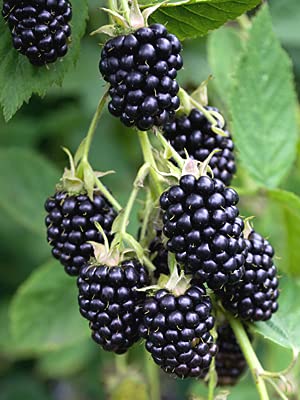
Includes four (4) "Natchez" Blackberry Plants with USPS Shipping. These are 2 inch rooted plants shipped in 2 inch tray pots and are 3-6 inches tall.


Starter plant 4-7 inches tall, ready to be planted in containers or garden beds
Step-by-Step Planting Guide
- Soak the Roots: Before planting, soak the roots of your bare root blackberry plants in water for about an hour to rehydrate them.
- Choose the Right Spot: Select a sunny location with well-draining soil for optimal growth. Blackberries thrive in full sun.
- Prepare the Soil: Ensure the soil has the right pH level (around 5.5-6.5) and add organic matter like compost to improve drainage and fertility.
- Digging Holes: Dig holes deep and wide enough to accommodate the roots without bending or crowding them.
- Planting Depth: Place each blackberry plant at ground level, making sure not to bury it too deeply or leave roots exposed.
- Backfilling: Fill in the hole with soil gently around the roots, pressing lightly to remove air pockets.
- Watering: Give your newly planted blackberries a good watering to help settle the soil around the roots.
- Mulching: Apply a layer of mulch around the base of each plant to retain moisture and suppress weeds.
- Support Structures: Install trellises or stakes if growing trailing varieties for support as they grow.
- Watering Schedule: Keep the soil consistently moist but not waterlogged, especially during dry spells.
- Establishment Period: Provide regular watering during the first few weeks after planting to help them establish strong root systems.
- Fertilization: Consider fertilizing your blackberry plants according to specific recommendations based on soil tests or general guidelines for berry plants.
- Pruning: Follow proper pruning techniques for blackberries based on their type (erect vs. trailing) and age to encourage fruit production.
Aftercare and Maintenance
Now that you’ve successfully planted your bare root blackberries, it’s essential to provide proper aftercare and maintenance to ensure their continued health and productivity. Below are some key aspects to focus on.
Recommended Products
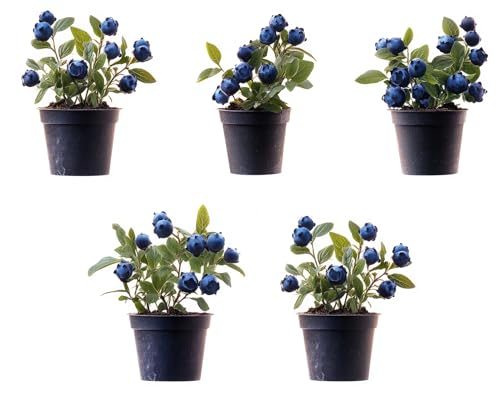
BLUEBERRIES: Produces large, sweet berries with consistent harvests each season. Ideal for fresh eating, baking, freezing, and preserving, giving you versatile use from a single planting.

THORNLESS AND EASY TO HARVEST: Triple Crown blackberries are completely thornless, allowing for safe and effortless picking. Enjoy fresh berries without worrying about prickly canes.

Premium Collection: Includes our top 4 blackberry varieties for a diverse and abundant harvest
Pruning Techniques
Maintaining the right pruning techniques is vital for the optimal growth of your blackberry plants. Here are some practical tips:
- Primocane-Bearing Blackberries: For varieties that bear fruit on first-year canes, prune all canes to ground level in late winter or early spring.
- Floricane-Bearing Blackberries: These types bear fruit on second-year canes. After harvest, prune the fruited canes to the ground while leaving new primocanes for next year’s crop.
- Regular Maintenance: Remove dead or diseased canes promptly throughout the growing season to promote healthy growth.
Pest and Disease Management
Protecting your blackberry plants from pests and diseases is crucial for a successful harvest. Here’s how you can manage common issues:
- Pest Control: Monitor for pests like aphids, spider mites, and Japanese beetles. Consider using insecticidal soap or neem oil as organic control methods.
- Disease Prevention: To prevent diseases such as powdery mildew or cane blight, ensure good air circulation around plants by proper spacing. Avoid overhead watering to reduce moisture on leaves.
By following these aftercare practices diligently, you’ll help your bare root blackberries thrive and produce abundant yields season after season.
Conclusion
You’ve now learned all the essential steps for planting and caring for bare root blackberries. By focusing on timing, location, soil preparation, specific planting techniques, aftercare, and maintenance practices such as proper pruning and pest control, you’re on your way to a bountiful harvest. Remember to tailor your pruning techniques to the type of blackberry plants you have and stay vigilant against pests and diseases. With these guidelines in mind, you’ll be able to enjoy healthy blackberry plants that produce abundant yields season after season. Happy gardening!
Frequently Asked Questions
1. When is the best time to plant bare root blackberries?
Plant bare root blackberries in late winter or early spring when the soil is workable.
2. What location is ideal for planting bare root blackberries?
Choose a sunny spot with well-draining soil and good air circulation for optimal growth.
3. How should I prepare the soil before planting bare root blackberries?
Amend the soil with organic matter and ensure proper pH levels between 5.5-6.5.
4. What are the specific steps for planting bare root blackberries?
Dig a hole wide and deep enough to accommodate roots, spread them out, cover with soil, and water thoroughly.
5. Why is pruning important for aftercare of bare root blackberries?
Pruning promotes new growth, increases fruit production, and maintains plant health.
6. How do I choose the right pruning technique for different types of blackberries?
Follow specific guidelines based on whether your plants are erect, semi-erect, or trailing varieties.
7. Why is pest control crucial for maintaining healthy bare root blackberry plants?
Preventing pests like aphids and spider mites ensures plant vitality and high yields.
8. How can I effectively manage diseases in my bare root blackberry plants?
Practice good sanitation, remove diseased canes promptly, and consider using fungicides as needed.
