

Have you ever wondered why some fruit trees thrive while others struggle? One key factor is timing, especially when it comes to pruning. If you’ve got fruit trees in your yard, knowing when to prune can make all the difference in your harvest.
Key Takeaways
- Pruning Timing is Crucial: Late winter to early spring is generally the best time for pruning, but consider tree species, climate, age, and health for optimal results.
- Benefits of Pruning: Proper pruning improves airflow, sunlight exposure, tree structure, pest management, and enhances fruit production.
- Understand Common Myths: Recognize that not all trees require winter pruning, and over-pruning can be detrimental. Proper techniques promote tree health.
- Essential Tools: Use appropriate tools like pruning shears, loppers, and handsaws for effective pruning, and always wear protective gear.
- Signs for Pruning: Look for dense overgrowth, dead or diseased branches, and crossing limbs as indicators that it’s time to prune your fruit trees.
- Pruning Techniques Matter: Start by removing dead wood, thin out crowded branches, shape the tree naturally, and make clean cuts to prevent damage.
Understanding Fruit Tree Pruning
Pruning fruit trees plays a crucial role in their growth and productivity. Knowing when and how to prune helps ensure healthy trees and abundant harvests.
Benefits of Pruning Fruit Trees
Pruning offers multiple benefits for fruit trees, including:
- Improved Airflow: Pruning opens up the tree’s canopy, allowing better air circulation. Enhanced airflow reduces the risk of disease.
- Increased Sunlight: By removing excess branches, sunlight reaches more fruit, promoting ripening and improving flavor.
- Better Structure: Pruning shapes the tree and encourages a strong framework, which supports heavy fruit loads and minimizes damage from winds.
- Enhanced Fruit Production: Regular pruning encourages the growth of new fruiting wood, resulting in higher yields.
- Pest Management: Maintaining a clean and open structure reduces hiding spots for pests, making management easier.
Common Myths About Pruning
Several myths about pruning can lead to confusion. Here are some common misconceptions:
- Pruning in Winter Only: While winter is often ideal for many species, some trees benefit from summer pruning. Knowing the specific needs of your tree types is essential.
- More Pruning Equals More Fruit: Over-pruning can harm trees and decrease fruit production. Balance is vital; aim for moderation.
- Pruning Is Harmful: Proper pruning, done at the right time, promotes tree health. Fear of damage often leads to neglecting necessary care.
- You Can’t Prune Established Trees: Established trees can be pruned, but techniques differ. Understanding the specific growth patterns of mature trees is crucial.
By addressing these benefits and myths, you gain a clearer understanding of fruit tree pruning, essential for maintaining healthy trees and maximizing your harvest.
Timing for Pruning Fruit Trees
Knowing when to prune fruit trees is essential for their health and productivity. Pruning at the right time promotes strong growth and better fruit yields.
Recommended Products

Reduce Hand Strain: These micro tip snips are made to reduces hand fatigue which makes them great for those with arthritis, carpal tunnel, hand or wrist issues; Comfortable “grip” handles will make it easy to work for long-time use without making you feel hand pain

CLEAN CUTS FOR LIVE GROWTH: Bypass blade design is ideal for pruning delicate flower stems and green growth, helping reduce crushing and plant damage while cutting stems and small branches up to 5/8” in diameter

LONG-LASTING SHARPNESS: Japanese SK5 bypass blade with titanium coating is tested through 5,000 cuts to maintain a sharp edge and deliver clean, consistent cuts on live stems and branches
Best Seasons for Pruning
Pruning typically occurs during late winter or early spring, just before new growth begins. This timing allows you to identify the tree’s structure clearly without leaves blocking your view. For summer-bearing trees, early spring is ideal, while for fall-bearing types, summer pruning can be beneficial.
- Late Winter: Aim for February to March in most regions. This period minimizes stress and facilitates healing before the growing season.
- Early Spring: As buds start to swell but before they fully open, you can remove any dead or diseased branches.
- Summer: Prune lightly to shape the tree or remove unwanted growth. This may prevent overcrowding and promote airflow.
Factors Influencing Pruning Timing
Several factors influence when you prune your fruit trees. Evaluate the tree’s specific needs based on these considerations:
- Tree Species: Different fruit trees, like apples and peaches, have unique growth patterns. Research the specific needs of your tree type.
- Climate: Your local climate may dictate the best pruning time. Warmer regions require early pruning, while colder areas can extend it into late winter.
- Tree Age: Young trees benefit from formative pruning, while established trees usually need maintenance pruning. Adjust your timing based on the tree’s maturity.
- Health: If a tree is unhealthy or infested, it’s wise to prune immediately to mitigate further damage.
By being mindful of these factors and adhering to the recommended seasonal guidelines, you’ll set your fruit trees up for a healthy growing season.
Techniques for Effective Pruning
Proper pruning techniques ensure your fruit trees thrive. Understanding the right tools and following a clear process enhances your gardening results.
Recommended Products

· ULTRA-SHARP SK5 STAINLESS STEEL - Engineered with premium SK5 stainless steel, these heavy duty pruning shears deliver razor-sharp precision and maximum hardness. The rust-resistant blades are designed to stay sharp longer, effortlessly resisting corrosion and sap buildup for smooth, friction-free garden shears performance year after year.
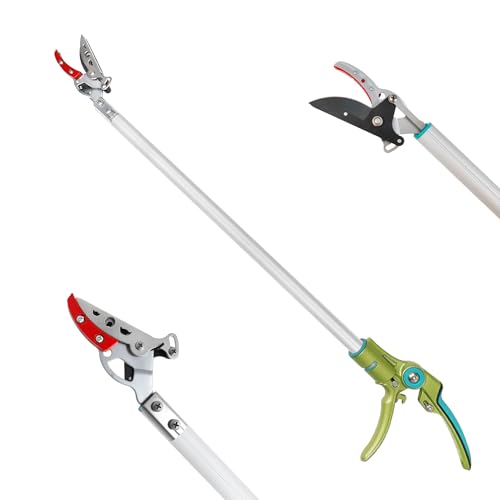
[REACH HIGH & STAY SAFE](No Ladder Required) Say goodbye to wobbly ladders! This 32inch long reach pole pruner offers an extra 30 inches of safe reach, allowing you to prune high branches or tall fruit trees while standing firmly on the ground. It’s the perfect extension tool for maintaining your backyard without the risk of falling.
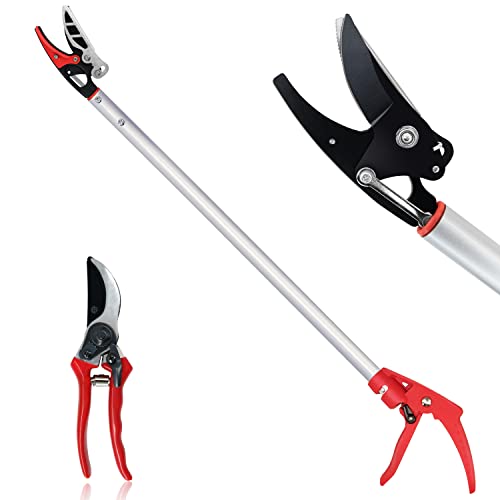
Long Handle Design: 32" handle length of the cut and hold pruners reduces back pain and stress, eliminating the need to bend over for trimming; It can also easily stretches to higher branches or thorns.
Tools Needed for Pruning
- Pruning Shears: Use sharp, clean shears for small branches. Look for bypass pruners for a clean cut.
- Loppers: For branches larger than one inch, loppers provide leverage. Choose a model with padded grips for comfort.
- Handsaw: Use a handsaw for thicker branches. A pruning saw works well for trunks and big limbs.
- Chainsaw: For very thick branches or tree removals, a chainsaw offers power. Ensure familiarity with safety precautions when using.
- Protective Gear: Wear gloves, safety glasses, and long sleeves to protect from cuts and debris.
- Assess the Tree: Before starting, examine the tree. Identify dead, damaged, or crossing branches and the general shape.
- Start with Dead/Diseased Wood: Remove any dead or diseased branches first. Cut back to healthy tissue to promote recovery.
- Thin Out the Canopy: Remove branches that crowd each other. Aim for open-air space to improve sunlight and airflow.
- Shape the Tree: Trim back excessive growth while maintaining the tree’s natural shape. Avoid drastic cuts that could shock the tree.
- Make Clean Cuts: Ensure cuts are smooth and at a proper angle. Avoid tearing the bark, which can lead to health issues.
- Clean Up: Collect all trimmings and dispose of or compost them. This helps prevent pests and diseases.
Following these techniques promotes healthy growth and maximizes fruit production in your trees. Adjust the process according to the specific needs of your fruit tree species.
Signs Your Fruit Trees Need Pruning
Recognizing when your fruit trees need pruning is essential for maintaining their health and productivity. Look for specific signs that indicate it’s time to grab your pruning shears.
Recommended Products

Drop-forged construction delivers exceptional durability and sturdiness for long-term heavy garden use.

Sharp & Rustproof: Our garden scissors are made of premium stainless steel material, which has corrosion resistance and good hardness. Sharp blades can quickly finish pruning tasks for gardens, vegetable gardens, orchards, and indoor plants

DUAL CUTTING POWER: VERSATILE PRUNING COMBO --- With both Pruning Shears and Pruning Snip, this combo delivers unmatched versatility. Whether you're delicately trimming flowers and shrubs, tackling thicker tree branches, or tending to your vegetable and fruit garden, our combo pack excels in all areas. They're also perfect for landscaping projects and maintaining the health and appearance of indoor plants. With this pack, you have a versatile tool that simplifies your gardening tasks.
Identifying Overgrowth
Overgrowth in fruit trees manifests through dense, tangled branches. When branches crowd each other, airflow and sunlight penetration decrease, leading to issues like poor fruit production and increased disease risk. Check for branches crossing one another, as they can rub against each other and cause wounds. Thinning the canopy helps promote healthier growth. Aim to remove 20-30% of the canopy to enhance light exposure and airflow.
Recognizing Dead or Diseased Branches
Spotting dead or diseased branches is vital for tree health. Dead branches usually appear dry or brittle, lacking leaves or new growth. Diseased branches may show signs like discoloration, wilting leaves, or fungal growth. These branches can weaken the entire tree and serve as entry points for pests. Look for signs of cankers or bark damage as indicators of disease. It’s wise to remove these branches promptly, cutting back to healthy tissue to reduce the risk of further spread.
Conclusion
Pruning your fruit trees at the right time can make all the difference in their health and productivity. By understanding when to prune and recognizing the signs that your trees need attention, you’re setting yourself up for a bountiful harvest.
Remember to consider your tree’s species and local climate as you plan your pruning schedule. With the right techniques and timing, you’ll not only promote strong growth but also enhance fruit quality.
So grab your tools and get ready to nurture your trees. Happy pruning and here’s to a fruitful season ahead!
Frequently Asked Questions
What is the best time to prune fruit trees?
Pruning fruit trees is best done in late winter or early spring, specifically from February to March. This timing helps minimize stress on the tree and encourages strong growth for better fruit production.
Why is pruning important for fruit trees?
Pruning is essential for maintaining the health and productivity of fruit trees. It improves airflow, increases sunlight exposure, enhances tree structure, boosts fruit production, and aids in effective pest management.
Can you prune fruit trees in summer?
Yes, summer pruning can be beneficial, especially for fall-bearing trees. However, pruning during early spring remains ideal for most summer-bearing varieties.
What tools do I need for pruning?
Essential tools for pruning include pruning shears, loppers, handsaws, and chainsaws. Protective gear, such as gloves and goggles, is also important to ensure safety while working.
What are signs that a fruit tree needs pruning?
Signs include dense, tangled branches that block sunlight and airflow, as well as dead or diseased branches that may appear dry, brittle, or discolored. If you notice these issues, it’s time to prune.
How much of the canopy should be removed when pruning?
It’s recommended to remove 20-30% of the canopy when pruning to improve light exposure and airflow. This helps promote healthy growth and allows for better fruit production.
Are there myths about pruning fruit trees?
Yes, common myths include the belief that pruning should only occur in winter and that more pruning leads to more fruit. Understanding proper pruning techniques is key to maintaining the health and productivity of your trees.
