

Wondering when to fertilize your fruit trees in Arizona? You’re not alone. Many gardeners face the challenge of timing their fertilization to get the best results. With the state’s unique climate and soil conditions, knowing when to feed your trees can make all the difference in their growth and fruit production.
In this article, you’ll discover the best times to fertilize your fruit trees, ensuring they thrive in the Arizona sun. You’ll learn about the types of fertilizers that work best and how to tailor your approach to the specific needs of your trees. By the end, you’ll feel confident in giving your fruit trees the nutrients they need to flourish.
Key Takeaways
- Optimal Fertilization Timing: The best times to fertilize fruit trees in Arizona are early spring (March or April) for growth and late fall (October or November) to prepare for dormancy.
- Nutrient Importance: Essential nutrients like nitrogen, phosphorus, and potassium support healthy growth, high fruit quality, and pest resistance in fruit trees.
- Fertilizer Types: Choose between organic options (like compost, manure, and fish emulsion) for long-term soil health or synthetic fertilizers (like NPK and urea) for quick nutrient absorption.
- Signs of Nutrient Deficiency: Watch for yellowing leaves, stunted growth, low fruit production, and increased susceptibility to pests, all indicating the need for fertilization.
- Soil Testing: Conducting soil tests can help identify nutrient deficiencies, allowing for tailored fertilization strategies to meet the specific needs of your fruit trees.
Importance Of Fertilizing Fruit Trees
Fertilizing fruit trees plays a critical role in their overall health and productivity. Nutrients from fertilizers support vital growth processes in the trees, leading to better fruit yields.
Encourages Healthy Growth
Healthy growth relies on essential nutrients, including nitrogen, phosphorus, and potassium. These nutrients promote strong root systems, enhance leaf development, and improve flowering. For instance, nitrogen helps with foliage growth, while phosphorus supports root and fruit development.
Increases Fruit Quality
Fertilizing contributes directly to improved fruit quality. Trees that receive adequate nutrition produce larger, juicier fruits with better flavor. Regularly fertilizing your trees ensures they develop the sugars and acids responsible for fruit quality.
Enhances Resistance to Pests and Diseases
Fertilization strengthens a tree’s defense mechanisms. Well-nourished trees can better resist pests and diseases. When trees lack nutrients, they become stressed and more vulnerable to infestations.
Optimizes Soil Benefits
Fertilizers help improve soil health over time. Organic fertilizers, in particular, enhance soil structure and increase microbial activity, which aids in nutrient absorption. Healthy soil supports the trees’ long-term growth and vitality.
Customizes Nutrient Supply
Every fruit tree species has unique nutrient requirements. Customizing your fertilization approach based on your tree’s specific needs ensures optimal growth and fruit production. Testing soil can determine nutrient levels and inform the type and amount of fertilizer to apply.
Encourages Proper Nutrient Timing
Timing is essential in fertilization. Applying fertilizer at the correct stage of growth maximizes its effectiveness. For example, early spring fertilization boosts growth before the fruiting season, while a fall application helps prepare the tree for dormancy.
By understanding the importance of fertilizing fruit trees, you can enhance their growth, fruit quality, and resilience to challenges common in Arizona’s climate.
Best Time To Fertilize Fruit Trees In Arizona
Timing plays a crucial role in fertilizing fruit trees to ensure optimal growth and productivity. Understanding the specific needs of your trees will help you apply nutrients effectively.
Recommended Products
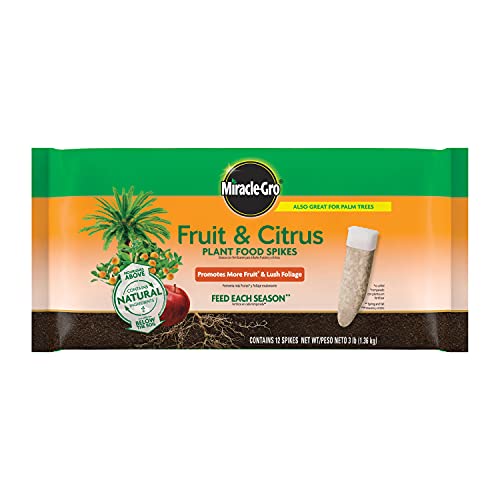
FORMULATED FOR CITRUS AND FRUIT TREES: Use these citrus fertilizer spikes on apple, orange, lemon, lime, and avocado trees; this formula is also great for feeding palm trees

Down to Earth Fruit Tree is a five pound box of all natural fertilizer with 6-2-4 formula and is listed by the Organic Materials Review Institute (OMRI) for use in organic production

Package contains 9 fruit and citrus fertilizer spikes and is produced to avoid wasteful runoff, mess, hazards and smells
Spring Fertilization
Spring is the prime time for fertilizing fruit trees in Arizona. Apply fertilizer when trees begin to show new growth, typically around March or April. This timing boosts nutrient availability, supporting leaf and fruit development.
- Fertilizer Type: Use a balanced fertilizer with an N-P-K ratio, such as 10-10-10, to provide essential nutrients.
- Application Method: Spread the fertilizer evenly under the tree canopy, extending a few feet beyond the drip line to reach the roots. Water the area thoroughly after application to help absorption.
- Frequency: Fertilize once in the spring. Monitor tree growth to adjust future applications based on health.
Fall Fertilization
Fall fertilization prepares fruit trees for dormancy and enhances root development. Apply fertilizer in late October or early November.
- Fertilizer Type: Opt for a slow-release or low-nitrogen fertilizer. A formula like 5-10-10 encourages root growth without promoting excessive top growth.
- Application Method: Apply fertilizer similarly to spring, ensuring it covers the vast area beneath the tree canopy. Water the area to promote nutrient uptake.
- Frequency: Fertilize once in the fall. Soil testing can help determine specific nutrient needs for your trees.
By following these guidelines, you’ll support your fruit trees’ growth cycles, leading to healthier trees and better fruit yields.
Types Of Fertilizers For Fruit Trees
Understanding the types of fertilizers available helps you choose the best option for your fruit trees. Both organic and synthetic fertilizers provide essential nutrients, but their application and benefits differ.
Organic Options
Organic fertilizers enhance soil health and improve water retention. They release nutrients slowly, reducing the risk of burn. Common organic options include:
- Compost: Adds organic matter and nutrients. Mix compost into the soil before planting or apply it as a top dressing in spring.
- Manure: Rich in nitrogen, phosphorus, and potassium. Use well-aged manure to prevent burning young roots. Applications vary depending on tree size—typically 1-2 inches deep.
- Bone Meal: A great source of phosphorus. Use it during planting to promote root development. Mix it into the soil near the root zone.
- Fish Emulsion: A liquid fertilizer high in nitrogen. Dilute it with water and apply every 4-6 weeks during the growing season.
Synthetic Options
Synthetic fertilizers deliver quick nutrient absorption, providing immediate benefits. Consider these common synthetic types:
- Urea: High in nitrogen, ideal for leafy growth. Apply in spring when new growth begins. Follow label instructions for proper dosage.
- NPK Fertilizers: Contain a balanced mix of nitrogen (N), phosphorus (P), and potassium (K). Choose a ratio of 10-10-10 for general use. Apply 1-2 times per growing season based on tree size.
- Slow-Release Fertilizers: Gradually release nutrients over time. Use these during spring to give trees a steady supply without the risk of over-fertilization.
Understanding these fertilizer types allows you to tailor your tree care effectively. Select based on your soil conditions, tree species, and desired growth outcomes.
Signs Your Fruit Trees Need Fertilizer
Recognizing when your fruit trees require fertilization is essential for their health and productivity. Various indicators suggest the need for additional nutrients:
Recommended Products

Bloom Booster Built for Peak Season: Yardi Fruit & Bloom delivers a targeted NPK 2-15-15 formula with micronutrients to drive abundant flowering and stronger yields. Higher phosphorus and potassium maximize bloom production and fruit set at the most critical stage of the growing season.

Let our professionally formulated plant food help your fruit tree grow healthy, strong AND abundantly producing

Let our professionally formulated plant food help your fruit tree grow healthy, strong AND abundantly producing
Poor Leaf Color
- Yellowing leaves on your trees indicate nutrient deficiencies, especially nitrogen.
- Leaves that are smaller and less vibrant might suggest a lack of essential minerals.
Stunted Growth
- If your trees aren’t growing as expected, it could mean they lack vital nutrients.
- Trees that produce few or no fruit reflect potential nutrient shortages.
Low Fruit Production
- A decline in fruit quantity or quality can signal nutritional imbalances.
- If your trees produce small or misshapen fruits, consider a fertilizer boost.
Pest and Disease Susceptibility
- Trees lacking proper nutrients are more susceptible to pests and diseases.
- Weak trees may struggle to fend off common pests like aphids or caterpillars.
Soil Testing Results
- Conducting soil tests can reveal nutrient deficiencies directly.
- If tests show low levels of nitrogen, phosphorus, or potassium, it’s time to fertilize.
- If you see roots growing at the surface or near the base of the tree, this often signals nutrient stress.
- Applying fertilizer can help encourage healthy root development further down.
Pay attention to these signs. Regular observations and soil testing will keep your fruit trees healthy and thriving in Arizona’s environment.
Conclusion
Taking the time to understand when and how to fertilize your fruit trees in Arizona can make all the difference in their growth and productivity. By paying attention to the unique climate and soil conditions, you’ll empower your trees to thrive.
Remember to fertilize in early spring to kickstart growth and again in the fall to prepare for dormancy. With the right nutrients and timing, your trees will not only produce delicious fruit but also stay healthy and resilient against pests and diseases.
So get ready to enjoy a fruitful harvest by giving your trees the care they need to flourish in Arizona’s challenging environment. Happy gardening!
Frequently Asked Questions
When is the best time to fertilize fruit trees in Arizona?
The best time to fertilize fruit trees in Arizona is in early spring, around March or April, when trees start showing new growth. Additionally, a second application in late October or early November can prepare trees for dormancy.
What type of fertilizer should I use for fruit trees?
A balanced fertilizer with an N-P-K ratio of 10-10-10 is recommended for fruit trees. You can choose between organic options, like compost or bone meal, and synthetic fertilizers, depending on your tree species and soil conditions.
How do I know if my fruit trees need fertilization?
Signs that your fruit trees need fertilization include poor leaf color, stunted growth, low fruit production, and increased susceptibility to pests. Regular soil testing can also help determine nutrient needs.
How does fertilization benefit fruit trees?
Fertilization provides essential nutrients like nitrogen, phosphorus, and potassium, which promote healthy growth, improve fruit quality, and enhance resistance to pests and diseases.
How often should fruit trees be fertilized?
Fruit trees should typically be fertilized once in early spring and once in the fall. However, specific needs may vary based on tree species and soil conditions. Monitoring tree health can guide additional applications.
