

Are you dreaming of a backyard filled with fresh fruit? If you live in zone 9b, you’re in luck! This climate offers a fantastic opportunity to grow a variety of fruit trees that thrive in warm temperatures and mild winters.
Key Takeaways
- Zone 9b Climate: This region has a warm climate with mild winters, ideal for cultivating a variety of fruit trees due to extended growing seasons and minimal frost.
- Recommended Fruit Trees: Citrus (oranges, lemons, limes), stone fruits (peaches, plums, cherries), and tropical fruits (avocados, figs, pomegranates) thrive in zone 9b.
- Soil Quality Matters: Well-drained soil with a pH between 6.0 and 7.0, enriched with organic matter, is essential for healthy fruit tree growth.
- Consistent Watering: Regular irrigation, especially during dry periods, and using mulching techniques can help retain soil moisture and promote healthy root development.
- Pest Management Practices: Regular monitoring for pests and employing integrated pest management techniques can protect your trees and ensure a fruitful harvest.
Understanding Zone 9b
Zone 9b enjoys a warm climate with mild winters, making it perfect for a variety of fruit trees. You can take advantage of long growing seasons and fewer frost days to cultivate delicious fruits.
Climate and Growing Conditions
Temperatures in zone 9b range from 25°F to 30°F (-3.9°C to -1.1°C). This relatively mild temperature allows for growth beyond typical frosts. The region receives about 200-300 days of sunshine each year, which benefits fruit maturation. Consider factors like soil quality, drainage, and water availability for optimal growth. Planting in well-drained soil ensures healthy root development.
USDA Plant Hardiness Zone 9b Overview
Zone 9b reflects a unique gardening area in the USDA Plant Hardiness Map. This zone is characterized by specific temperature averages and seasonal changes. To succeed, select fruit trees that thrive in warm climates, such as citrus, avocados, and peaches. Fruits like figs and pomegranates also grow well in this zone. Understanding these classifications helps you choose the right trees for your garden.
Best Fruit Trees for Zone 9b
Growing fruit trees in zone 9b offers a variety of options. The warm climate supports many species, enhancing your garden’s bounty.
Recommended Products
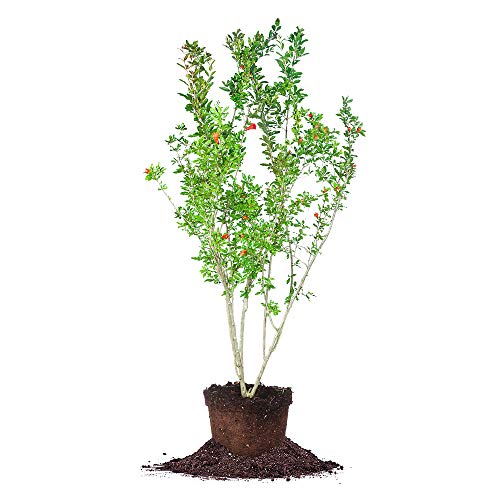
🙌The Wonderful Pomegranate tree lives up to its name with its tropical fruit, showy flowers, and low amount of overall maintenance. This Fruit tree is a joy to grow in any warm landscape.

Sweetest Papaya Variety: This Red Lady Variety is considered to be the sweetest papaya. It has red-orange flesh and a sweet fragrance. (Does not smell bad like other varieties) A dwarf papaya that is Fast and Easy to grow. Under good growing conditions it will fruit within 8 months

The Russian Pomegranate tree lives up to its name with its edible fruit, showy flowers, and low amount of overall maintenance. This Fruit tree is a joy to grow in any warm outdoor landscape.
Common Citrus Trees
Citrus trees thrive in zone 9b’s warmth. Consider planting:
- Orange Trees: Varieties like Navel or Valencia produce sweet fruit.
- Lemon Trees: Eureka and Meyer lemons are popular choices.
- Lime Trees: Key limes and Persian limes flourish well.
- Grapefruit Trees: Pink and white grapefruit offer tangy flavors.
These trees require full sun and well-drained soil. Regular watering during dry spells helps maintain healthy growth.
Stone Fruits
Stone fruits also perform well in zone 9b. Excellent options include:
- Peach Trees: Look for varieties such as Flaming Fury or Elberta for juicy harvests.
- Plum Trees: USDA recommends Santa Rosa and Beauty plums for flavor.
- Cherry Trees: Sweet cherries like Bing and Royal Ann taste delicious and attract pollinators.
- Apricot Trees: Consider Katy or Tilton apricots for early season fruit.
These trees prefer a sunny location and benefit from organic mulch to retain moisture.
Tropical and Subtropical Fruits
You can explore tropical and subtropical fruits in zone 9b as well. Notable choices involve:
- Avocado Trees: Varieties like Hass and Bacon produce creamy, rich fruits.
- Fig Trees: Brown Turkey and Kadota figs yield sweet, soft fruit.
- Pomegranate Trees: Wonderful and Angel Red pomegranates add beauty and taste.
- Papaya Trees: Select cultivars suited for mild winters to enjoy fresh papaya.
These trees enjoy warmth and plenty of sunlight. Ensure sufficient water during dry spells for optimal growth.
Tips for Growing Fruit Trees in Zone 9b
Growing fruit trees in zone 9b can yield delicious rewards with the right care. Here are some practical tips to ensure your trees thrive.
Recommended Products

Quick & Easy Filling: No adjustments required and kid friendly operation for hassle-free watering
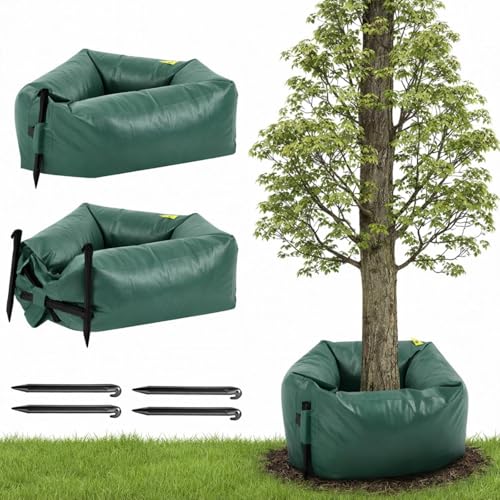
Adjustable for Tree Trunk Diameter: the irrigation bag has two ground insertion slots on both sides, allowing you to adjust the inner diameter according to the trunk thickness; Sturdy handles at both ends maximize the adjustment range and facilitate lifting, installation, and position adjustment; A ground plug allows for direct insertion into the soil to prevent tipping or displacement, ensuring a stable and smooth dripping process

Massive 19-Gallon Capacity – Oak-Sports tree watering bag/ring provides a steady, slow-release water supply for up to 4–7 hours, ensuring deep saturation for mature trees, shrubs, and large garden beds.
Soil Preparation and Fertilization
Prepare your soil by testing its pH. Aim for a pH between 6.0 and 7.0 for optimal growth. Amend the soil with organic matter, such as compost or well-rotted manure, to improve drainage and fertility. Choose a balanced fertilizer, like 10-10-10, and apply it in early spring to support strong growth. Follow package instructions for application rates to avoid over-fertilizing, which can harm the roots.
Watering and Irrigation Techniques
Water your fruit trees consistently, especially during dry spells. Drip irrigation systems work well, providing slow, deep watering that encourages healthy roots. Irrigate deeply once or twice a week, depending on rainfall and soil moisture. Mulch around the base of the trees to retain soil moisture and prevent weeds. Keep mulch a few inches away from the trunk to avoid rot.
Pest and Disease Management
Monitor your trees regularly for signs of pests and diseases. Inspect leaves and stems for discoloration or unusual spots. Implement integrated pest management techniques by promoting beneficial insects like ladybugs and praying mantises. Use organic pesticides, like neem oil, if needed, following label instructions. Keep your trees healthy with proper pruning and spacing to improve airflow, reducing disease risk.
Conclusion
Growing fruit trees in zone 9b can be a rewarding experience. With the right choices and care you can enjoy a bountiful harvest of delicious fruits. Remember to consider your soil quality and drainage to give your trees the best chance to thrive.
Whether you opt for citrus, stone fruits, or tropical varieties there’s plenty of options to suit your taste. Don’t forget to keep an eye on watering and pest management to ensure your trees stay healthy.
So go ahead and start planning your fruit tree garden. You’ll love the fresh flavors and the satisfaction of growing your own food right in your backyard. Happy gardening!
Frequently Asked Questions
What fruit trees grow best in zone 9b?
Zone 9b is ideal for growing a variety of fruit trees. Recommended options include citrus trees like oranges, lemons, and limes, as well as stone fruits such as peaches, plums, and cherries. Additionally, tropical and subtropical fruits like avocados, figs, and pomegranates thrive in this climate.
What are the temperature ranges for zone 9b?
Zone 9b experiences mild temperatures, typically ranging from 25°F to 30°F (-3.9°C to -1.1°C). This warm climate supports extended growing seasons and fewer frost days, making it conducive for various fruit trees.
How many sunny days does zone 9b enjoy annually?
Zone 9b benefits from approximately 200-300 sunny days each year. This abundance of sunlight is crucial for the maturation of fruit and contributes to the overall health of the trees.
What soil conditions are ideal for fruit trees in zone 9b?
The best soil conditions for fruit trees in zone 9b include well-drained soil with good fertility. It’s essential to test the soil pH and enhance it with organic matter to improve drainage and nutrient availability for healthy tree growth.
How often should I water fruit trees in zone 9b?
Consistent watering is vital for fruit trees in zone 9b. Implementing a drip irrigation system is recommended, along with mulching to help retain moisture. Trees should be monitored, especially during dry spells, to ensure they receive adequate water.
What are practical tips for growing fruit trees in zone 9b?
Practical tips include preparing the soil by testing pH and amending it with organic matter, using balanced fertilizers in early spring, and maintaining regular watering. Additionally, monitoring for pests and diseases with integrated pest management techniques is essential for tree health.
