

Have you ever wondered how long it takes for your avocado tree to start bearing fruit? If you’ve planted one in your backyard or are thinking about it, you’re not alone. Many gardening enthusiasts dream of enjoying fresh avocados right from their own trees, but the timeline can be a bit tricky.
Key Takeaways
- Growth Timeline: Avocado trees typically begin bearing fruit between 1 to 7 years after planting, depending on the variety, with grafted trees such as Hass often fruiting sooner than seed-grown trees.
- Varietal Differences: Each avocado variety has unique characteristics and timelines for fruiting. For example, Zutano bears fruit in 1-2 years, while Bacon may take 5-7 years.
- Optimal Growth Conditions: Avocado trees thrive in warm, well-draining soil with at least 6 hours of sunlight daily. Maintaining proper soil moisture levels is crucial for successful fruit production.
- Nutrient Management: Regular fertilization and organic matter incorporation enhance soil health, supporting vigorous growth and higher fruit yields.
- Monitoring & Maintenance: Regularly inspect your tree for pests, diseases, and nutrient deficiencies. Adjust your watering and care practices based on your tree’s response to ensure health and productivity.
- Cross-Pollination: Planting compatible avocado varieties nearby can increase fruit yield, as some types benefit from cross-pollination for enhanced production.
Overview Of Avocado Trees
Avocado trees are known for their lush foliage and delicious fruit. Understanding their types and ideal growing conditions is vital for successful cultivation.
Types Of Avocado Trees
- Hass: This is the most popular avocado type, known for its creamy texture and rich flavor. It typically bears fruit within 3 to 4 years after planting.
- Fuerte: This tree produces smooth-skinned fruit that remains green when ripe. You can expect fruit production in about 3 to 5 years.
- Bacon: This variety thrives in cooler climates, producing large, mild-flavored avocados. It usually bears fruit within 5 to 7 years.
- Zutano: Known for its pear-shaped fruit with a shiny skin, this tree bears fruit within 1 to 2 years, making it a faster option.
Each variety has unique characteristics and timelines for fruiting, influencing your choice based on your climate and preferences.
Ideal Growing Conditions
Avocado trees thrive under specific conditions for optimal growth:
- Climate: They prefer a warm, tropical to subtropical climate, with temperatures ranging between 60°F and 85°F.
- Soil: Well-draining soil is crucial. Sandy loam soil enriched with organic matter supports healthy root development.
- Watering: Regular watering is vital, particularly during dry spells. Soil moisture management helps prevent root rot.
- Sunlight: Full sun exposure, ideally 6 to 8 hours daily, encourages robust growth and fruit production.
By providing these conditions, your avocado tree can reach its full potential and reward you with a bountiful harvest.
Fruit Bearing Timeline
Understanding the timeline for avocado trees to bear fruit is key for gardeners eager to enjoy their harvest. Several factors affect when you’ll see those delicious avocados.
Recommended Products

HEALTHY AVOCADO PLANTS: Our Avocado Fruit Fertilizer is formulated to nourish your avocado plants with micronutrients for lush growth and vibrant leaves while preventing yellowing and stunted growth.

Package contains 4 Pounds organic fruit and citrus fertilizer grains and is produced to avoid wasteful runoff, mess, hazards and smells
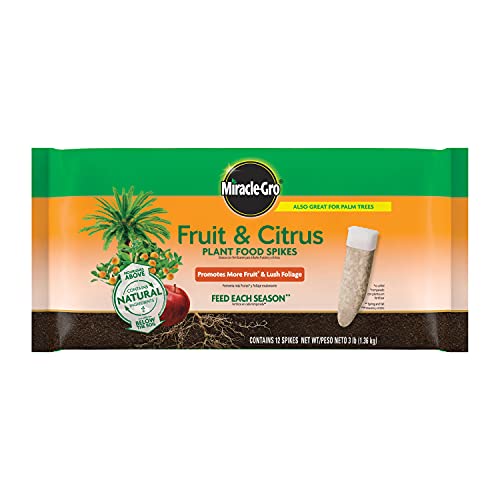
FORMULATED FOR CITRUS AND FRUIT TREES: Use these citrus fertilizer spikes on apple, orange, lemon, lime, and avocado trees; this formula is also great for feeding palm trees
Age At First Bearing
Avocado trees start producing fruit at different ages, depending on the variety. Generally, you’ll see fruiting in 3 to 5 years after planting a grafted tree. Varieties like Hass tend to bear fruit earlier than others, such as Bacon or Zutano. For seed-grown trees, it may take 7 to 15 years before you see any avocados.
Factors Influencing Fruit Production
Multiple factors influence how soon and how much fruit your avocado tree produces:
- Tree Variety: Different varieties bear fruit at different ages. Choose a variety that aligns with your timeline goals.
- Growing Conditions: A warm climate, well-draining soil, and plenty of sunlight enhance fruit production. Ensure your tree gets at least 6 hours of sun daily.
- Watering Practices: Regular, deep watering supports tree health and fruit production. Avoid over-watering, as roots may rot.
- Fertilization: Using an appropriate fertilizer during the growing season boosts your tree’s ability to produce fruit.
- Pollination: Some avocado types benefit from cross-pollination. Planting a compatible variety nearby can increase yield.
- Age and Size of the Tree: Older, larger trees typically produce more fruit over time. Proper care aids in reaching a productive size efficiently.
Using these factors can significantly influence the fruit-bearing capacity of your avocado tree.
Care For Healthy Fruit Production
Healthy avocado trees thrive under specific care routines that enhance fruit production. Proper management of soil and watering practices promotes robust growth and ample fruit yields.
Soil Requirements
Good soil is crucial for avocado trees. Focus on well-draining soil with a pH between 6 and 7. This pH range supports nutrient availability. Incorporate organic matter such as compost to improve soil structure and fertility.
If planting in poor soil, consider raised beds to enhance drainage. Avoid heavy or clay soils, as they retain too much moisture, which can lead to root rot. A layer of mulch helps retain moisture and regulate soil temperature.
Watering Practices
Regular watering greatly influences fruit production. Avocado trees require deep, infrequent watering rather than shallow, frequent irrigation. Aim for about 10 to 15 gallons of water per week, adjusting based on rainfall.
Water the trees during dry spells, ensuring soil moisture doesn’t drop below 12 inches. Use a soaker hose or drip irrigation system to deliver water directly to the roots.
Monitor your trees for signs of stress, like drooping leaves, as this indicates under-watering. Conversely, yellowing leaves may signal over-watering. Keep an eye on your plant’s health, adjusting water levels accordingly for optimal growth and fruiting.
Common Challenges
Growing avocado trees can be rewarding, but specific challenges can affect fruit production. Understanding these challenges helps you manage your trees effectively.
Recommended Products

PLANT DISEASE CONTROL: Natria Neem Oil acts as an insecticide and fungicide in one convenient spray; Ready-to-use trigger sprayer requires no mixing


Plant-Based Pest Protection: Helps protect plants from common pests including gnats, spider mites, aphids, fungus issues, and other plant-damaging insects using plant-based ingredients.
Pests And Diseases
Pests like avocado lace bugs, spider mites, and aphids can harm your avocado tree. Regularly inspect your tree for signs of infestation. Use organic insecticides or neem oil to control these pests effectively.
Diseases such as root rot and powdery mildew also pose threats. Root rot occurs in overwatered conditions. Ensure your tree has well-draining soil and water only when needed. Powdery mildew manifests as white powdery spots on leaves. Improve air circulation and avoid overhead watering to reduce its occurrence.
Nutrient Deficiencies
Nutrient deficiencies can limit your avocado tree’s growth and fruit production. Common deficiencies include nitrogen, potassium, and zinc.
To identify deficiencies, monitor leaf color and overall tree health. Yellowing leaves often indicate a nitrogen deficiency. You can apply a balanced fertilizer containing the necessary nutrients during the growing season.
Using compost or well-rotted manure enriches the soil, promoting a robust nutrient base for your tree. Regularly test your soil to monitor nutrient levels, adjusting your fertilization strategy accordingly. This proactive approach ensures your avocado tree remains healthy and productive.
Conclusion
Growing your own avocado tree can be a rewarding journey. While it takes time and patience to see those first fruits, the effort is well worth it. By providing the right conditions and care, you can enjoy a bountiful harvest in just a few years.
Remember to stay vigilant against pests and diseases while nurturing your tree with proper watering and fertilization. Each step you take brings you closer to that delicious homegrown avocado. So keep tending to your tree and soon enough, you’ll be savoring the fruits of your labor. Happy gardening!
Frequently Asked Questions
How long does it take for an avocado tree to bear fruit?
Grafted avocado trees typically start producing fruit within 3 to 5 years, while seed-grown trees can take 7 to 15 years. The variety of the tree and growing conditions can also influence the timeline.
What are the best growing conditions for avocado trees?
Avocado trees thrive in warm climates with well-draining soil, regular watering, and plenty of sunlight. Ideal soil pH is between 6 and 7, and incorporating organic matter can enhance fertility.
What factors affect avocado fruit production?
Factors influencing avocado fruit production include tree variety, optimal growing conditions, proper watering, fertilization, effective pollination, and the age and size of the tree.
How should I care for my avocado tree?
To care for your avocado tree, use well-draining soil, water deeply but infrequently (10-15 gallons per week), and monitor for signs of stress. Regularly incorporate compost to enrich the soil.
What pests should I watch out for when growing avocado trees?
Common pests include avocado lace bugs, spider mites, and aphids. Regular inspections and using organic insecticides or neem oil can help control these pests effectively.
How can I prevent diseases in avocado trees?
Prevent diseases like root rot and powdery mildew by ensuring well-draining soil and good air circulation. Regularly check your tree for signs of disease and take action promptly.
What should I do if my avocado leaves are yellowing?
Yellowing leaves may indicate nutrient deficiencies, particularly nitrogen. Using balanced fertilizers and compost can enrich the soil. Regular soil testing will help maintain optimal nutrient levels.
