

Are your fruit trees thriving or struggling? Knowing how often to water them can make all the difference. Too much or too little water can lead to poor growth or even tree death. It’s a common challenge for many gardeners, but it doesn’t have to be overwhelming.
In this article, you’ll learn simple guidelines to help you determine the right watering schedule for your fruit trees. You’ll discover the signs that indicate when your trees need water and how factors like weather and soil type play a role. By the end, you’ll feel confident in giving your trees the care they need to produce delicious fruit.
Key Takeaways
- Watering Frequency is Key: The frequency of watering fruit trees varies based on soil type, tree age, and weather conditions, making it crucial to understand these factors for optimal health.
- Signs of Stress: Recognizing signs of underwatering (e.g., wilting, dry soil) and overwatering (e.g., yellowing leaves, root rot) is essential to adjust watering practices effectively.
- Seasonal Adjustments: Watering needs change with the seasons; increase frequency during hot months and decrease during cooler, wetter periods to maintain proper moisture levels.
- Tools for Monitoring: Utilize soil moisture meters and simple finger tests to accurately assess soil moisture levels and inform watering decisions.
- Impact on Fruit Quality: Consistent and proper watering directly influences the quality of fruit, enhancing size, sweetness, and overall yield.
Importance Of Watering Fruit Trees
Watering fruit trees plays a crucial role in their overall health and productivity. Adequate moisture helps promote strong root development, increases fruit quality, and enhances the tree’s resilience against pests and diseases.
Proper Hydration Affects Growth
Regular watering supports active growth during the growing season. You’ll notice that trees with sufficient water produce more leaves and robust branches. In contrast, trees that lack water may show stunted growth and limited fruit production.
Impact On Fruit Quality
Consistent watering directly influences fruit size, sweetness, and yield. For example, apple trees receive consistent moisture, resulting in larger, juicier apples. Conversely, inconsistent watering can lead to small, bitter fruits. Maintaining appropriate moisture levels is essential for achieving desirable fruit characteristics.
Resistance To Stress Factors
Well-watered trees are better equipped to handle stress, such as extreme temperatures and drought conditions. Healthy fruit trees exhibit increased resistance to diseases and pests. When trees receive enough water, stress responses diminish, allowing them to thrive despite environmental challenges.
Signs Of Underwatering And Overwatering
Recognizing signs of underwatering or overwatering is paramount. Underwatered trees may show wilting leaves, dry soil, or leaf drop, while overwatered trees often exhibit yellowing leaves, root rot, or fungus growth. Monitoring these indicators helps you adjust your watering practices promptly.
Tools For Monitoring Water Needs
Using specific tools can make monitoring easier. A soil moisture meter provides quick feedback on moisture levels. A simple finger test, where you insert your finger into the soil about two inches, can also indicate whether it’s time to water.
Seasonal Considerations
Seasonal changes affect watering needs. During warmer months, increase your watering frequency. In cooler months, reduce it, as trees enter dormancy. Adjusting your routine based on seasonal variations ensures optimal hydration throughout the year.
Factors Affecting Watering Frequency
Watering frequency for fruit trees varies based on several key factors. Understanding these factors helps you tailor your practices for optimum tree health.
Recommended Products

Accurate Soil Moisture Detection: The XLUX Soil Moisture Meter can tell you if the soil deep inside your pot or garden is dry, moist or wet; whereas your eyes and fingers can only determine the moisture level of the soil surface. The probe is 5.5 inches (14 cm) longer than regular styles, allowing it to measure the soil moisture at the bottom of larger and deeper flower pots.

Kindly NOTE: This soil tester can not be applied to test pH value of any other liquid. If the soil is too dry the indicator will not move, and water it before testing.

Accurate Soil Moisture Detection: The XLUX Soil Moisture Meter can tell you if the soil deep inside your pot or garden is dry, moist or wet; whereas your eyes and fingers can only determine the moisture level of the soil surface. The probe is 5.5 inches (14 cm) longer than regular styles, allowing it to measure the soil moisture at the bottom of larger and deeper flower pots.
Soil Type
Soil type significantly influences how often you need to water your fruit trees.
- Sandy Soil: Drains quickly and requires more frequent watering, typically every few days.
- Clay Soil: Retains moisture longer, allowing for watering every 7 to 10 days.
- Loamy Soil: Combines drainage and moisture retention, generally needing watering every 5 to 14 days, depending on the weather.
Consider conducting a soil moisture test. Use a simple finger test or soil moisture meter to check for dampness before watering.
Tree Age
Tree age plays a vital role in watering needs.
- Young Trees: Require consistent moisture, especially during their first couple of years. Water young trees once a week, ensuring deep soaking to encourage root growth.
- Mature Trees: Develop deeper roots and can tolerate longer periods without water. During dry spells, adjust your routine to every 10 to 14 days.
Always monitor the tree’s health. Signs of stress, like wilting leaves, may indicate a need for increased watering.
Weather Conditions
Weather conditions can change your watering schedule.
- Hot, Dry Weather: Increases evaporation and may necessitate watering every 3 to 7 days.
- Cool, Wet Weather: Reduces water needs. Extend the interval to 10 to 14 days if rainfall is consistent.
Stay aware of upcoming weather forecasts. Adjust your watering accordingly to keep your trees healthy and thriving.
Recommended Watering Schedule
Establishing a suitable watering schedule is essential for the health of your fruit trees. The frequency and amount of water required change depending on various factors like tree age, weather, and soil type.
Recommended Products

Accurate Soil Moisture Detection: The XLUX Soil Moisture Meter detects deep soil moisture in pots or gardens (dry/moist/wet), unlike eyes or fingers that only sense surface soil.
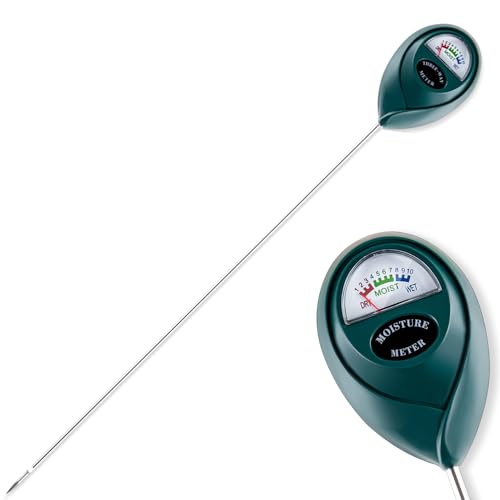
Long Probe for deep use - For plants with deep root systems, a long probe can reach the roots to provide an accurate moisture reading. This is essential for ensuring that the entire root zone is adequately watered

Soil Moisture Meter: This single probe soil moisture meter is specially designed for testing the moisture level in the soil, helps you decide whether the plants need water or not, helps to keep plants alive.
Newly Planted Trees
Newly planted trees require consistent moisture to establish strong roots. Water them deeply at least once a week, ensuring the soil is moist but not waterlogged. In hotter months, increase this to twice a week if the soil dries out quickly. For added guidance, stick your finger into the soil up to two inches; if it feels dry, it’s time to water.
Established Trees
Established trees, typically over two years old, have deeper root systems and tolerate longer intervals between watering. Water them every 10 to 14 days during dry spells. Monitor the soil moisture using a moisture meter or by checking a small area with your finger. In rainy seasons, reduce watering frequency as needed, allowing natural rainfall to provide hydration. Adjust your schedule based on tree type; some varieties may require more or less water.
Signs Of Underwatering And Overwatering
Recognizing the signs of underwatering and overwatering is vital for maintaining the health of your fruit trees.
Recommended Products
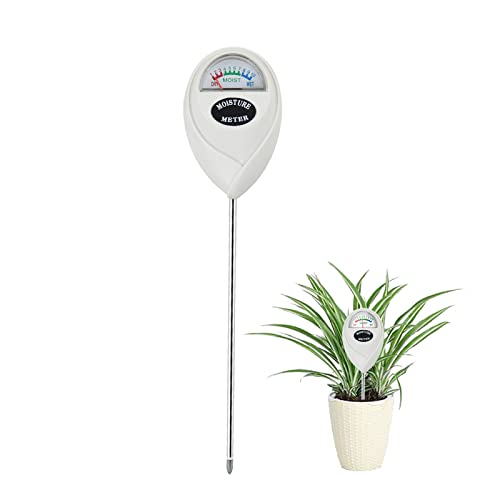
【SAVE YOUR PLANTS】: Over watering can cause problems with your plants or even kill them. This soil moisture meter helps you know the soil is dry, moist or wet.No more over watering!
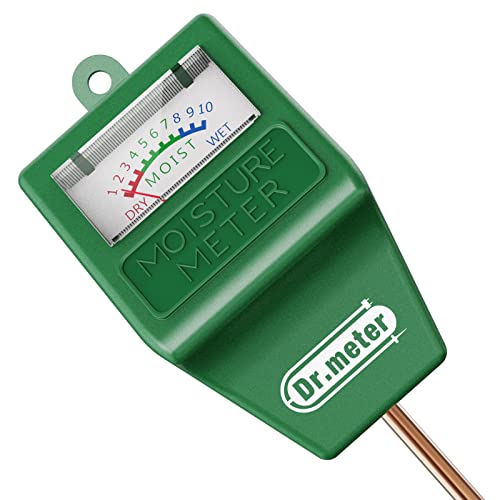
Compact & Portable: Have you been sticking your finger in the soil hoping to feel when it's time to water? Why not eliminate the guesswork and keep your hands clean when you use the Dr.meter Soil Moisture Sensor Meter! Know the right time to water your garden, farm, lawn and houseplants, anytime.
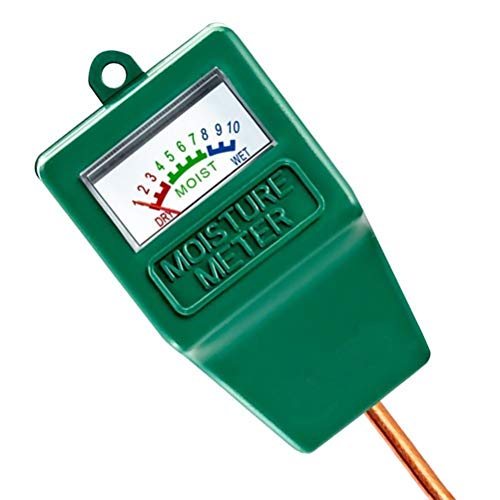
Soil Moisture Meter: This single probe soil moisture meter is specially designed for testing the moisture level in the soil, helps you decide whether the plants need water or not, helps to keep plants alive.
Signs Of Underwatering
- Wilting Leaves: Leaves may droop or curl when trees lack sufficient water. This symptom can manifest during hot days or extended dry spells.
- Browning Leaf Tips: The tips of leaves may turn brown, indicating stress due to insufficient moisture.
- Dry Soil: Soil surrounding the tree feels dry and crumbly to the touch, suggesting a need for more water.
- Stunted Growth: Trees may exhibit slowed growth and fewer new leaves, as they struggle to develop without adequate hydration.
- Fruits Drop Prematurely: Young fruits may fall from the tree before reaching maturity, signaling that the tree is not getting enough water.
Signs Of Overwatering
- Yellowing Leaves: Leaves may appear yellow or pale, particularly in older foliage. This often indicates too much water, affecting nutrient uptake.
- Mushy Roots: Roots may rot if consistently waterlogged. This condition can lead to weak trees, making them more vulnerable to disease.
- Waterlogged Soil: Soil remains soggy for an extended period, creating a pool around the base of the tree.
- Fungi Growth: Mold or fungus around your tree or in the soil may indicate excessive moisture levels.
- Falling Leaves: Sudden leaf drop in combination with the other yellowing signs can indicate that roots are unable to function properly due to too much water.
Monitoring Tools
Using tools can simplify the process of checking soil moisture levels:
- Soil Moisture Meters: These devices measure soil moisture accurately and help you adjust your watering schedule.
- Finger Test: Stick your finger into the soil up to two inches. If it feels dry, watering is necessary; if it feels moist, delay watering.
Adapt your watering based on these signs and use the tools at your disposal to maintain optimal moisture for your fruit trees.
Conclusion
Taking care of your fruit trees means paying close attention to their watering needs. By understanding the signs of both underwatering and overwatering you can keep your trees healthy and thriving. Remember that factors like soil type and weather will influence how often you need to water.
With a little practice and observation you’ll soon find the right balance for your trees. Consistent care will not only boost their growth but also enhance the quality of the fruit they produce. Happy gardening and enjoy the fruits of your labor!
Frequently Asked Questions
What is the importance of watering fruit trees properly?
Proper watering is essential for fruit trees as it promotes healthy root development, improves fruit quality, and boosts resilience against pests and diseases. Both overwatering and underwatering can negatively affect tree growth, leading to stunted growth or poor fruit production.
How can I tell if my fruit trees need water?
Signs that your fruit trees need water include wilting leaves, dry soil, stunted growth, and premature fruit drop. Using tools like soil moisture meters or performing a finger test can also help determine when to water your trees.
What are the signs of underwatering and overwatering?
Indicators of underwatering include wilting leaves, browning leaf tips, and dry soil. In contrast, signs of overwatering consist of yellowing leaves, mushy roots, and waterlogged soil. Observing these signs is crucial for maintaining tree health.
How does soil type affect watering needs?
Soil type significantly influences watering frequency. Sandy soil drains quickly, requiring more frequent watering, while clay soil retains moisture longer, allowing for less frequent watering. Adjust your watering schedule based on your soil type for optimal tree health.
How often should I water newly planted fruit trees?
Newly planted trees need consistent moisture to establish strong roots. Water them deeply at least once a week, or twice during hotter months, to ensure they receive adequate hydration for healthy growth.
What watering schedule is recommended for established fruit trees?
For established trees (over two years old), water every 10 to 14 days during dry spells. Adjust the schedule based on rainfall and tree type, as established trees can tolerate longer periods without water compared to younger trees.
How do weather conditions affect watering needs for fruit trees?
Weather conditions significantly affect watering requirements. Hot, dry weather increases the need for frequent watering, while cool, wet weather allows for extended intervals. Adjust watering routines seasonally to cater to changing weather conditions.
Can I use tools to monitor soil moisture?
Yes, using soil moisture meters can help you assess moisture levels accurately. Additionally, performing a finger test—where you insert a finger into the soil to check for dryness—can also be a simple and effective way to determine when to water your fruit trees.
