Close Menu
    Fruit Tree Hub
    • Home
    • Apple Trees
    • Lemon Trees
    • Mango Trees
    • Orange Trees
    • More Trees
      • Best Fruit Trees
      • Apricot Trees
      • Cherry Trees
      • Fig Trees
      • Lime Trees
      • Mulberry Trees
      • Peach Trees
      • Pear Trees
      • Plum Trees
      • Pomegranate Trees
    • Tips and Advice
      • Tools
    • About Us
      • Contact
      • Privacy Policy
    Fruit Tree Hub
    Home»Tips and Advice»When Do Papaya Trees Fruit for Optimal Growth and Delicious Harvests
    Tips and Advice

    When Do Papaya Trees Fruit for Optimal Growth and Delicious Harvests

    Martha JacksonBy Martha JacksonDecember 14, 20247 Mins Read
    Share Facebook Twitter Pinterest WhatsApp Email
    Share
    Facebook Twitter LinkedIn Pinterest Telegram Email

    Have you ever wondered when your papaya tree will start bearing fruit? If you’ve planted one in your garden, you might be eagerly anticipating those sweet, juicy delights. Knowing when to expect fruit can make all the difference in your gardening journey.

    Contents show
    1 Key Takeaways
    2 Understanding Papaya Trees
    2.1 Classification and Varieties
    2.2 Growth Conditions
    3 The Fruiting Process
    3.1 Lifecycle Stages of Papaya Trees
    4 When Do Papaya Trees Fruit?
    4.1 Typical Fruiting Timeline
    4.2 Geographic Variations
    5 Care Tips for Maximizing Fruit Yield
    5.1 Soil and Water Requirements
    5.2 Pruning and Maintenance Practices
    6 Conclusion
    7 Frequently Asked Questions
    7.1 How long does it take for a papaya tree to bear fruit?
    7.2 What are the different varieties of papaya?
    7.3 What conditions do papaya trees need for optimal growth?
    7.4 How do I care for a papaya tree to maximize fruit yield?
    7.5 Can papaya trees grow in cooler climates?

    Key Takeaways

    • Fruiting Timeline: Papaya trees typically bear fruit 6 to 12 months after planting, progressing through germination, seedling, and vegetative stages.
    • Optimal Conditions: For healthy fruit production, papayas require temperatures between 70°F and 90°F, full sun (6-8 hours daily), and well-draining, nutrient-rich soil.
    • Varieties Matter: Different papaya varieties, such as Hawaiian, Maradol, and Solo, have unique growth rates and fruit characteristics that influence gardening choices.
    • Geographic Influence: Fruiting times can vary; tropical regions may see year-round fruiting, while subtropical areas typically produce fruit in warm seasons.
    • Care Techniques: Regular watering, pruning, and fertilization every 6 to 8 weeks enhance growth and fruit yield, ensuring healthy trees and bountiful harvests.

    Understanding Papaya Trees

    Papaya trees thrive in warm climates and need specific conditions for optimal fruit production. Knowing more about their classification and growth conditions can help you cultivate healthy trees and enjoy abundant fruit.

    MUST READ
    What is the Fastest Producing Fruit Tree for Quick Backyard Harvesting Tips

    Classification and Varieties

    Papaya trees belong to the Caricaceae family, and several varieties exist. The most common include:

    • Hawaiian Papaya: Known for its sweet, orange flesh. It typically matures faster than other types.
    • Maradol Papaya: A Mexican variety that bears larger fruit. It offers a rich flavor and is popular for commercial use.
    • Solo Papaya: This smaller variety produces fruits weighing around one pound. It focuses on early fruiting and sweetness.

    Understanding these varieties can guide you in selecting the right tree for your garden.

    Growth Conditions

    Papayas need specific growth conditions to produce fruit effectively. Focus on these key aspects:

    • Temperature: Papaya trees flourish in temperatures between 70°F and 90°F. Cold temperatures can damage or stunt growth.
    • Sunlight: Full sun exposure is essential for healthy growth. Ensure your papaya gets at least 6 to 8 hours of direct sunlight daily.
    • Soil Requirements: Use well-draining soil rich in organic matter. Sandy loam is ideal. Good drainage prevents root rot.
    • Watering: Maintain uniform moisture in the soil. Water your papaya tree regularly, especially during dry spells.

    By providing these growth conditions, you create an environment where papaya trees can thrive and produce fruit efficiently.

    The Fruiting Process

    Papaya trees go through distinct stages before they bear fruit. Understanding these stages helps you track their growth and anticipate the first delicious harvest.

    Recommended Products

    Papaya Tree Seedling (Carica Papaya) – Live Tropical Fruit Plant – Fast Growing – USDA Certified
    Papaya Tree Seedling (Carica Papaya) – Live Tropical Fruit Plant – Fast Growing – USDA Certified

    Imagine stepping into your garden and seeing a fast-growing tropical plant that transforms your outdoor space into something vibrant, productive, and full of life. This Papaya Tree Seedling gives you exactly that opportunity.

    VIEW LATEST PRICE

    As an affiliate, we earn on qualifying purchases.

    Red Lady Dwarf Papaya (Carica) Live Tree Plant - Dwarf Tropical Fruit Starter, Real Exotic Garden Plant, Indoor/Outdoor Planting, Rooted in 3-Inch Pot, Ideal for Papaya Lovers
    Red Lady Dwarf Papaya (Carica) Live Tree Plant - Dwarf Tropical Fruit Starter, Real Exotic Garden Plant, Indoor/Outdoor Planting, Rooted in 3-Inch Pot, Ideal for Papaya Lovers

    Sweetest Papaya Variety: This Red Lady Variety is considered to be the sweetest papaya. It has red-orange flesh and a sweet fragrance. (Does not smell bad like other varieties) A dwarf papaya that is Fast and Easy to grow. Under good growing conditions it will fruit within 8 months

    MUST READ
    What Fruit Trees Grow in the Shade: A Guide to Thriving in Low Light Conditions
    VIEW LATEST PRICE

    As an affiliate, we earn on qualifying purchases.

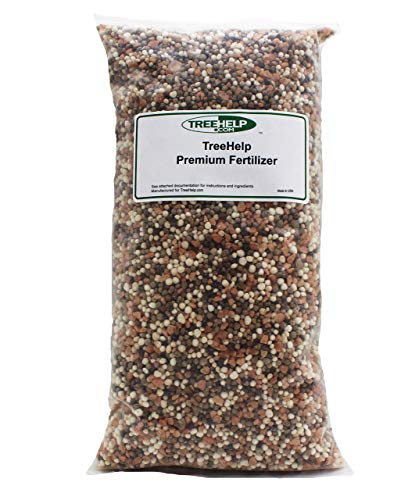
    TreeHelp Premium Fertilizer for Papaya
    TreeHelp Premium Fertilizer for Papaya

    Not Available for Sell in WA, USA

    VIEW LATEST PRICE

    As an affiliate, we earn on qualifying purchases.

    Lifecycle Stages of Papaya Trees

    1. Germination: Seeds sprout within a week under optimal conditions.
    2. Seedling Stage: After germination, seedlings develop leaves and roots, taking about 2 to 3 months.
    3. Vegetative Growth: For 6 to 12 months, the tree grows rapidly, producing more leaves and strengthening its trunk.
    4. Flowering: Typically occurs around 6 to 12 months after planting, depending on conditions.
    5. Fruiting: Fruit begins to develop about 5 to 6 months after flowering.
    1. Temperature: Papaya trees thrive in temperatures between 70°F and 90°F (21°C to 32°C). Lower temperatures can delay fruiting.
    2. Sunlight: Full sun exposure of at least 6 hours daily promotes healthy growth and quicker fruit development.
    3. Soil Drainage: Well-draining soil prevents root rot and supports healthy root systems, essential for fruiting.
    4. Watering: Consistent moisture is key; however, avoid over-watering.
    5. Nutrient Availability: Adequate nitrogen, phosphorus, and potassium levels foster strong blooms and fruit set.

    Implementing these practices optimizes the chances of your papaya trees producing fruit efficiently and abundantly.

    When Do Papaya Trees Fruit?

    Papaya trees produce fruit within a specific timeframe, influenced by growth conditions and geographic location. Understanding the typical timeline for fruiting helps you nurture your papaya trees effectively.

    Typical Fruiting Timeline

    From planting, papaya trees typically take about 6 to 12 months to bear fruit. Here’s a breakdown:

    1. Germination: Seeds sprout within 1 week.
    2. Seedling Stage: The seedling stage lasts 2 to 3 months.
    3. Vegetative Growth: Rapid growth occurs over 6 to 12 months.
    4. Flowering: Flowering happens after the vegetation period, around 5 to 6 months after growth begins.
    5. Fruiting: Fruit begins to develop approximately 5 to 6 months post-flowering.
    MUST READ
    How to Plant Pomegranate Fruit Trees for a Bountiful Harvest in Your Backyard

    Fruiting occurs earlier in nutrient-rich soil with plenty of sunlight. Regular watering and adequate warmth also support this timeline.

    Geographic Variations

    Fruiting times can vary based on geographic factors:

    • Tropical Regions: Trees can produce fruit year-round in warm climates.
    • Subtropical Regions: Expect fruit during the growing season, typically from late spring to early fall.
    • Cooler Climates: In areas with cooler temperatures, indoor gardening might allow limited fruiting in controlled environments.

    Factors like local climate, soil quality, and care routines impact your trees’ productivity. Knowing these regional differences equips you to make the best choices for successful papaya cultivation.

    Care Tips for Maximizing Fruit Yield

    To enhance fruit production from your papaya trees, focus on critical care practices. Implementing these tips ensures better growth and abundant fruit.

    Recommended Products

    GARDENWISE 10-10-10 All Purpose Plant Food - Liquid Fertilizer with Seaweed Kelp & Iron - Indoor & Outdoor Plant Food, Vegetables, Flowers, Lawn & Garden 1x8oz
    GARDENWISE 10-10-10 All Purpose Plant Food - Liquid Fertilizer with Seaweed Kelp & Iron - Indoor & Outdoor Plant Food, Vegetables, Flowers, Lawn & Garden 1x8oz

    🌱 COMPREHENSIVE PLANT NUTRITION: The 10-10-10 in our liquid plant fertilizer signifies a balanced blend of Nitrogen (N), Phosphorus (P), and Potassium (K), each contributing 10% to the total composition. Nitrogen is essential for promoting lush, vibrant foliage and overall growth, while Phosphorus is integral to root development and crucial for blooming and fruiting. Potassium, responsible for overall plant health.

    VIEW LATEST PRICE

    As an affiliate, we earn on qualifying purchases.

    GARDENWISE Professional Citrus Fertilizer + Vital Micronutrients; Perfect Balanced NPK for All Citrus; for Indoor and Outdoor Plants; Orange, Lime, Avocado and Lemon Tree Fertilizer (1/2 Quart)
    GARDENWISE Professional Citrus Fertilizer + Vital Micronutrients; Perfect Balanced NPK for All Citrus; for Indoor and Outdoor Plants; Orange, Lime, Avocado and Lemon Tree Fertilizer (1/2 Quart)

    🍋 EXPLOSIVE HARVEST: GardenWise ignites a remarkable yield boost. Its scientific blend, featuring 6% nitrogen for growth, 4% phosphorus for flowering, and 6% potassium for fruit quality, culminates in an abundance of flavorful, aromatic fruits. This is more than growth; it's a nutrient-powered revolution in your citrus yield.

    MUST READ
    Where to Buy Non GMO Fruit Trees and Grow Your Own Healthy Garden Options
    VIEW LATEST PRICE

    As an affiliate, we earn on qualifying purchases.

    Jobe’s Organics Granular Garden Fertilizer, Easy Plant Care Fertilizer for Fruit and Citrus Plants and Trees, 4 lbs Bag
    Jobe’s Organics Granular Garden Fertilizer, Easy Plant Care Fertilizer for Fruit and Citrus Plants and Trees, 4 lbs Bag

    Package contains 4 Pounds organic fruit and citrus fertilizer grains and is produced to avoid wasteful runoff, mess, hazards and smells

    VIEW LATEST PRICE

    As an affiliate, we earn on qualifying purchases.

    Soil and Water Requirements

    Provide well-draining soil for optimal growth. Papayas thrive in loamy, sandy soils rich in organic matter. Aim for a pH level between 6.0 and 6.5.

    Water regularly, but avoid over-saturation. Maintain consistent moisture, particularly during dry spells. Check the top inch of soil; if it feels dry, it’s time to water. Ensure proper drainage to prevent root rot.

    Pruning and Maintenance Practices

    Prune your papaya trees to promote healthy growth. Remove dead or damaged leaves regularly. This practice helps improve air circulation and sunlight penetration.

    Support young trees with staking. This prevents wind damage and encourages straight growth. Fertilize every 6 to 8 weeks during the growing season using a balanced fertilizer. Ensure adequate nutrient availability to support fruit development.

    Conclusion

    Growing papaya trees can be a rewarding journey filled with excitement as you wait for those delicious fruits to appear. By understanding the timeline and growth conditions necessary for fruiting, you can create the perfect environment for your trees to thrive.

    Remember to keep an eye on the specific needs of your papaya trees and adjust your care routine accordingly. With a little patience and the right practices, you’ll soon be enjoying fresh papayas right from your garden. Happy gardening and may your papaya trees flourish!

    MUST READ
    What Fruit Trees Are Small: Top Varieties for Small Spaces and Easy Home Gardening

    Frequently Asked Questions

    How long does it take for a papaya tree to bear fruit?

    Papaya trees typically take about 6 to 12 months to produce fruit. This timeline can vary based on factors like geographic location and climate conditions. In warmer, tropical regions, trees can bear fruit year-round, while subtropical areas usually see fruiting during their growing season.

    What are the different varieties of papaya?

    Common varieties of papaya include Hawaiian, Maradol, and Solo. Each variety has unique characteristics regarding size, flavor, and growing conditions, making them suitable for different gardening preferences and climates.

    What conditions do papaya trees need for optimal growth?

    Papaya trees thrive in well-draining, loamy soil with a pH of 6.0 to 6.5. They require full sun, warm temperatures, regular watering while avoiding over-saturation, and good nutrient availability to promote healthy growth and fruit production.

    How do I care for a papaya tree to maximize fruit yield?

    To enhance fruit yield, ensure consistent moisture without waterlogging, use appropriate soil, and prune dead leaves for better air circulation. Fertilize every 6 to 8 weeks during the growing season and consider staking young trees for support.

    Can papaya trees grow in cooler climates?

    Yes, papaya trees can grow in cooler climates, especially if cared for indoors. However, their fruiting may be limited, and outdoor fruiting typically won’t occur in regions with frost or temperatures lower than those preferred by the trees.

    Share. Facebook Twitter Pinterest LinkedIn Tumblr Email
    martha jackson
    Martha Jackson

      Martha Jackson is an accomplished freelance writer and editor with a strong interest in gardening. With a degree in English from the University of California, Berkeley, Martha has over 15 years of experience writing for a variety of publications. She is passionate about making gardening accessible to all and is always seeking out new techniques and innovations.

      Related Posts

      How Long Until Avocado Trees Bear Fruit and Tips for Faster Growth at Home

      February 20, 2025

      What Yellow Fruit Grows on Trees and Their Delicious Health Benefits

      February 20, 2025

      How to Air Layer Fruit Trees: A Step-by-Step Guide for Successful Propagation

      February 20, 2025

      When Do Grapefruit Trees Produce Fruit and How to Maximize Your Harvest

      February 20, 2025

      What Is a Fast Growing Fruit Tree: Discover Quick-Yield Options for Your Garden

      February 20, 2025

      Do Cherry Blossom Trees Have Fruit? Discover the Truth About Their Edibility and Benefits

      February 20, 2025
      Leave A Reply Cancel Reply

      Affiliate Disclosure

      As an Amazon Associate I earn from qualifying purchases.

      Recommended Reading

      How to Make a Christmas Tree Fruit Arrangement: A Step-by-Step Guide for Holiday Cheer

      Grapefruit Trees in Indiana (Midwestern Planting Advice)

      24 Beautiful Beginner Knitting Ideas That Spark Creativity

      Can You Spray Fruit Trees After They Bloom: Best Practices for Healthy Harvests

      How Do You Make Dormant Oil Spray for Fruit Trees: A Step-by-Step Guide for Gardeners

      What Fruit Trees Grow Best in South Carolina: A Guide to Thriving Varieties and Tips

      How to Grow Grapefruit Trees in Oregon: PNW Climate Tips

      Can You Eat Fruit Straight From The Tree

      What Fruit Trees Grow in Western North Carolina: A Guide to Thriving Varieties and Care Tips

      Why Do Loquat Trees Have Large Seeds

      Fruit Tree Hub

      Fruit Tree Hub is a website dedicated to providing you everything you need to grow fruit trees successfully at in your own yard.

      Contact us at: [email protected]

      - AFFILIATE DISCLOSURE: As an Amazon Associate I earn from qualifying purchases.

      Latest Posts

      Can Olive Trees Grow in New Jersey? Garden State Growth Tips

      Can Star Fruit Trees Grow in Missouri? Expert Variety Guide

      How to Grow Jujube Trees in Las Vegas, NV: Desert Growth

      Mango Trees in Illinois: Indoor and Greenhouse Growth Secrets

      Growing Papaya Trees in Oklahoma: High Heat Resilience

      Tamarind Trees in a Pot in Ohio (Complete Maintenance Manual)

      Can Fig Trees Grow in Long Beach, CA? Coastal Salt Tips

      Plum Trees in District of Columbia (Urban Microclimate Tips)

      Categories
      • Almond Trees
      • Apple Trees
      • Apricot Trees
      • Best Fruit Trees
      • Blackberry
      • Cantaloupe
      • Cherry Trees
      • Crochet Ideas
      • Crochet Ideas for Beginners
      • Cucamelon
      • Easy Crochet Ideas
      • Easy Knitting Projects
      • Fig Trees
      • Grapefruit Trees
      • Grapes
      • Guava Trees
      • Honeydew
      • Jujube Trees
      • Kiwi
      • Knitting For Beginners
      • Knitting Ideas
      • Knitting Inspiration
      • Lemon Trees
      • Lime Trees
      • Loquat Trees
      • Mango Trees
      • Mulberry Trees
      • Nectarine Trees
      • Olive Trees
      • Orange Trees
      • Papaya Trees
      • Peach Trees
      • Pear Trees
      • Persimmon Trees
      • Planting
      • Plum Trees
      • Pomegranate Trees
      • Quince Trees
      • Raspberry
      • Reviews
      • Small Crochet Ideas
      • Star Fruit Trees
      • Summer Crochet Ideas
      • Tamarind Trees
      • Tangerine Trees
      • Tips and Advice
      • Tools
      • Uncategorized
      • Walnut Trees
      © 2026 Fruit Tree Hub
      • Home
      • About Us
      • Contact
      • Privacy Policy
      • Terms and Conditions
      • Disclaimer
      • Editorial Policy
      • Affiliate Disclosure

      Type above and press Enter to search. Press Esc to cancel.