

Have you ever wondered if you need more than one cherry tree to enjoy those sweet, juicy fruits? You’re not alone. Many new gardeners face this question, especially when dreaming of a bountiful harvest in their backyard.
Key Takeaways
- Pollination Essential for Fruit Production: Successful cherry fruit development relies on effective pollination, which can either be self-pollination or cross-pollination depending on the cherry tree variety.
- Self-Pollinating vs. Cross-Pollinating Trees: Some cherry trees can produce fruit on their own (self-pollinating), while others (cross-pollinating) require pollen from a different tree to yield cherries.
- Benefits of Multiple Trees: Planting two cherry trees can significantly increase fruit yield through cross-pollination and enhance genetic diversity, leading to healthier plants and better resistance to diseases.
- Planning Space Requirements: Ensure adequate space (15 to 30 feet) when planting multiple cherry trees, or consider dwarf varieties if space is limited.
- Care Considerations: Maintaining more than one cherry tree demands additional care, including regular watering, pruning, and monitoring for pests and diseases.
- Alternatives Available: Gardeners can still achieve fruit production with compatible nearby pollinators or by selecting self-pollinating varieties if space or resources for multiple trees are limited.
Understanding Cherry Tree Pollination
Cherry tree pollination plays a crucial role in fruit production. Understanding how it works helps you determine whether to plant multiple trees for a successful harvest.
Recommended Products

Height: 4-10 inches tall
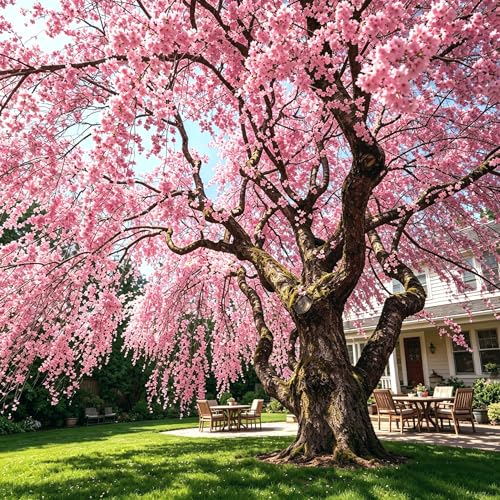
[Graceful Weeping Form with Early Spring Blooms] Grows 8-15 feet tall with cascading branches that create a flowing, fountain-like silhouette. Produces clusters of delicate flowers, covering bare branches before leaves emerge.

Due to agricultural laws, we are unable to ship to CA, AZ, AK, or HI - orders will be cancelled if you ship to one of these states
Pollination Basics
Pollination occurs when pollen transfers from the male part of a flower to the female part, resulting in fruit development. Cherry trees typically produce flowers in early spring, offering a narrow window for pollination. Successful pollination requires favorable weather conditions, as factors like rain or wind can affect the transfer of pollen.
Self-Pollinating vs. Cross-Pollinating Trees
Self-pollinating trees contain both male and female reproductive organs, allowing them to produce fruit without another tree. Examples include some sweet and sour cherry varieties. In contrast, cross-pollinating trees require pollen from another tree to set fruit. Many sweet cherry varieties, such as Bing and Rainier, fall into this category.
When planting, consider incorporating multiple tree varieties, especially if you choose cross-pollinating options. This approach increases the chances of successful pollination and fruit yield. If you plant only self-pollinating varieties, one tree can still produce fruit, but for better results, adding a compatible tree improves overall harvest success.
Benefits of Having Two Cherry Trees
Having two cherry trees can significantly improve your experience as a gardener. The benefits extend beyond simple aesthetics, enhancing your overall yield and the health of your plants.
Increased Fruit Yield
Planting two cherry trees, especially if they’re different varieties, boosts your fruit production. Cross-pollination occurs when pollen from one tree fertilizes the flowers of another. This process results in a higher number of cherries compared to a single tree. For instance, if you plant a ‘Bing’ cherry tree alongside a ‘Rainier’ cherry tree, the blend of pollen increases the chances of successful fruit development. Expect a richer harvest with larger and more abundant fruit clusters.
Genetic Diversity
Genetic diversity plays a vital role in fruit development and disease resistance. When you plant multiple cherry trees, you’re introducing varying traits that can enhance overall hardiness. For example, one tree might have strong resistance to a specific disease, while another thrives well in certain soils. This diversity ensures that even in adverse conditions, your garden maintains productivity. Growing different varieties can also provide unique flavors and characteristics in your cherries, enriching your culinary options.
Challenges of Maintaining Multiple Trees
Maintaining multiple cherry trees can present certain challenges. Understanding these can help you make informed decisions for your garden.
Space Requirements
Planting two cherry trees necessitates adequate space. Cherry trees typically need about 15 to 30 feet between each tree, depending on the variety. For instance, some varieties grow taller and wider than others. If space is limited, small or dwarf varieties could be a solid choice. They still produce fruit efficiently but occupy less room, allowing you to plant more trees if desired.
Care and Maintenance Considerations
Caring for multiple cherry trees requires more attention. Each tree needs regular watering, pruning, and fertilization. You’ll find that balanced fertilizer promotes healthy growth. Plan to prune trees during the dormant season to encourage strong branches and airflow. Additionally, pests and diseases can spread quickly among trees. Implementing preventative measures like using organic pesticides or introducing beneficial insects can help. Regular monitoring of plant health is vital, especially during the growing season. Investing time and effort into these tasks ensures a better yield and healthier trees overall.
Alternatives to Planting Two Trees
Planting two cherry trees isn’t the only way to enjoy a fruitful garden. You can explore other options to ensure you still get a bountiful yield.
Recommended Products
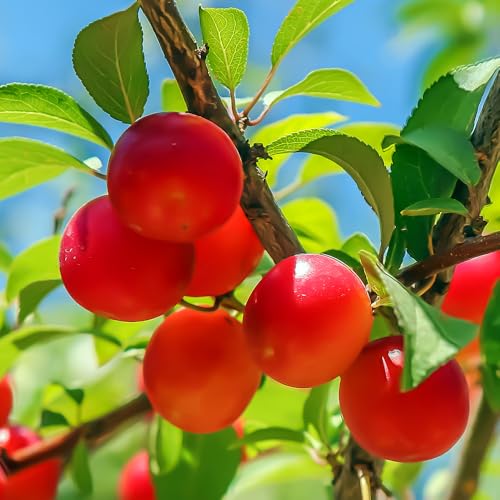
Due to agricultural laws, we CANNOT SHIP TO CA, AZ, AK, or HI - orders will be cancelled if you ship to one of these states


The Russian Pomegranate tree lives up to its name with its edible fruit, showy flowers, and low amount of overall maintenance. This Fruit tree is a joy to grow in any warm outdoor landscape.
Using a Compatible Pollinator
Choosing a compatible pollinator can enhance fruit production significantly. Search for nearby cherry trees, particularly those with different blooming times and types. For example, if you plant a self-pollinating variety, check if there’s a cross-pollinating variety within a 100-foot proximity. Pollinators like bees play a key role in this process. Their visits help transfer pollen, improving the yield and fruit quality.
Choosing Self-Pollinating Varieties
Self-pollinating cherry tree varieties simplify the planting process. Look for options like ‘Stella,’ ‘Funfair,’ or ‘North Star.’ These trees thrive without needing a second tree for pollination. Although yields with these varieties may not match those of cross-pollinating trees, they still produce decent fruit. Ensure your self-pollinating tree receives adequate sunlight and proper care to maximize its potential.
Conclusion
Deciding whether to plant one or two cherry trees can really impact your harvest. While self-pollinating varieties can still yield fruit on their own you’ll likely enjoy greater success and variety with two trees. Cross-pollination boosts fruit production and gives you the chance to taste different flavors.
If space is tight don’t worry—dwarf varieties are a great option. Plus caring for multiple trees can be rewarding as you watch them thrive. Remember to consider local pollinators and blooming times to maximize your cherry yield. Whether you go for one tree or two your gardening journey is sure to be a sweet one.
Frequently Asked Questions
Do I need more than one cherry tree to produce fruit?
It depends on the type of cherry tree. Self-pollinating varieties can produce fruit on their own, but cross-pollinating trees need pollen from another tree. To maximize yield and improve fruit quality, it’s beneficial to plant two or more trees, especially if they are of different varieties.
What are the benefits of planting two cherry trees?
Planting two cherry trees, especially different varieties, enhances cross-pollination. This can lead to larger fruit clusters and a greater overall yield. It also promotes genetic diversity, improving disease resistance and allowing for a variety of flavors.
How much space do cherry trees need?
Cherry trees typically require 15 to 30 feet between each tree, depending on their variety. If you have limited space, consider planting small or dwarf varieties, which can produce fruit effectively while taking up less room.
What care do multiple cherry trees require?
Caring for multiple cherry trees involves regular watering, pruning, and fertilization. It’s essential to use balanced fertilizers and prune in the dormant season. Monitoring the trees for pests and diseases is also crucial for healthy growth and optimal yields.
Can I use nearby trees for pollination?
Yes, utilizing nearby cherry trees with different blooming times and types can significantly enhance fruit production. This method improves pollination, particularly if you choose compatible varieties to encourage cross-pollination.
What are some good self-pollinating cherry varieties?
Popular self-pollinating cherry varieties include ‘Stella,’ ‘Funfair,’ and ‘North Star.’ While these trees can produce fruit without a second tree, their yields may not match those of cross-pollinating varieties, but they still provide decent fruit with proper care.
