

Have you ever wondered when your mango tree will finally reward you with its sweet, juicy fruit? If you’ve planted one, you know the excitement of waiting for that first harvest. But understanding when a mango tree bears fruit can be a bit tricky.
Key Takeaways
- Optimal Growing Conditions: Mango trees thrive in warm, sunny environments with well-drained sandy or loamy soil and a pH level between 5.5 and 7.5.
- Varietal Differences: Different mango varieties, such as Haden, Kent, Tommy Atkins, and Palmer, have varying timelines for fruiting, typically ranging from three to six years after planting.
- Crucial Flowering Process: Mango trees produce both male and female flowers, and while they can self-pollinate, encouraging cross-pollination can improve fruit quality.
- Influence of Climate: In tropical and subtropical climates, mango fruiting depends significantly on consistent warmth and dry periods, with optimal growth occurring between 70°F and 100°F.
- Care Techniques: Proper pruning and regular fertilization, especially with potassium-rich fertilizers, are essential for promoting healthy growth and maximizing fruit production.
- Monitoring and Maintenance: Regularly monitor your mango tree for signs of stress or nutrient deficiency, adjusting care practices as necessary to ensure a bountiful harvest.
Understanding Mango Trees
Mango trees thrive in specific environments, making it essential to understand their needs. Focusing on growing conditions and types can enhance your chances of a fruitful harvest.
Growing Conditions
Mango trees need warmth, sunlight, and well-drained soil. Aim for a full sun exposure of at least six hours daily. The ideal temperature ranges from 70°F to 100°F. When planting, choose sandy or loamy soil with a pH level between 5.5 and 7.5.
Water your mango tree regularly but avoid waterlogging. Allow the soil to dry out between watering sessions. Fertilize with a balanced fertilizer during the growing season to promote healthy growth and flowering.
Types of Mango Trees
Various mango tree varieties exist, each with unique fruiting characteristics. Common types include:
- Haden: Known for its vibrant color and sweet flavor. Typically bears fruit within 3-5 years.
- Kent: Produces large, juicy, and fiberless fruit. It starts fruiting around 4-6 years after planting.
- Tommy Atkins: A popular commercial variety with a firm texture, bearing fruit within 3-5 years.
- Palmer: Yields a sweet, red fruit and usually fruits in 4-5 years.
Selecting the right variety based on your climate and soil can significantly affect blooming and fruiting times.
Flowering Process
Mango trees undergo a fascinating flowering process, crucial for fruit production. Understanding this process helps you optimize conditions for your tree.
Recommended Products
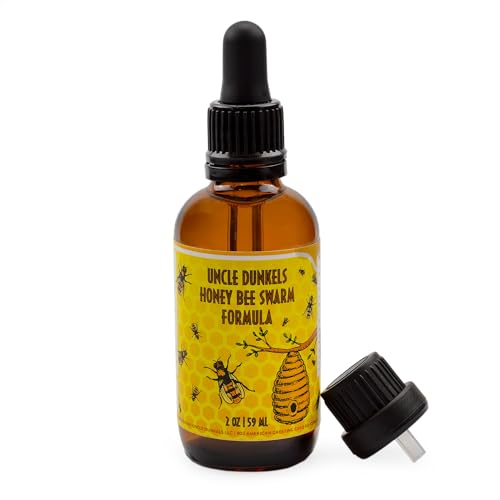
Designed to Attract Honey Bees to Treated Areas: Formulated with natural pheromones and plant-based compounds, this formula provides a recognizable scent that helps honey bees locate ideal environments.

Imagine stepping into your backyard and seeing a mango tree that grows neatly, looks elegant, and brings a sense of tropical calm to your space. That’s the experience a Grafted Ataulfo (Honey) Mango Tree creates over time.
Pollination
Pollination plays a vital role in the mango flowering process. Mango trees produce both male and female flowers on the same panicle, allowing for self-pollination. However, cross-pollination can enhance fruit set and quality. Here’s how to encourage better pollination:
- Attract Pollinators: Plant flowers like marigolds and basil nearby. These attract bees and other pollinators.
- Timing: Flowering generally occurs in late winter to early spring. December to March works well in most climates. Monitor your region’s climate for specific timings.
Factors Affecting Flowering
Several factors influence the flowering of mango trees. Ensuring the right conditions can improve your chances of a bountiful harvest.
- Variety: Different mango varieties flower at different times. For example, Haden blooms earlier than Kent.
- Temperature: Ideal temperatures around 77°F to 95°F promote flowering. Keep your tree protected from unexpected frosts.
- Watering: Stressing the tree slightly by reducing water can stimulate flowering. Avoid overwatering, as this may delay blooming.
- Nutrition: Apply balanced fertilizers, especially those high in potassium, to support healthy flowering.
By being aware of these factors and implementing these tips, you can significantly enhance your mango tree’s flowering process.
When Does Mango Tree Bear Fruit
Mango trees begin to bear fruit based on their age and the climatic conditions they experience. Understanding these factors helps you anticipate your tree’s fruiting schedule.
Age of the Tree
Mango trees typically bear fruit between three to five years after planting. Younger trees may produce blossoms, but it takes time for them to mature enough for consistent fruiting. For example, a healthy tree planted from a grafted seed often begins fruiting sooner than one grown from seed. If you invest in a mature grafted mango tree, expect fruit within the first year or two.
Climatic Influences
Climatic conditions significantly affect mango fruiting. Mango trees thrive in tropical and subtropical climates, needing consistent warmth and plenty of sunlight. Ideal temperatures range from 70°F to 100°F. Trees exposed to lower temperatures may delay fruit production or produce less fruit overall. Additionally, mango trees require a dry period to induce flowering. In areas with prolonged rainy seasons, flowering can be delayed, impacting fruit set. Selecting a planting location that fosters full sun and stable temperatures enhances your chances of a fruitful harvest.
Care and Maintenance
Caring for your mango tree optimizes its health and increases the likelihood of fruit production. Focus on pruning techniques and fertilization tips to promote optimal growth.
Pruning Techniques
Pruning your mango tree encourages healthy growth and better fruit yields. Start pruning once the tree reaches about three feet in height. Follow these steps:
- Remove Dead Wood: Identify and cut away any dead, damaged, or diseased branches.
- Shape the Tree: Trim the tree to maintain an open canopy, allowing sunlight and air to penetrate. Focus on lateral branches, keeping the central leader intact.
- Time It Right: Prune during the dry season, ideally before flowering begins. This timing minimizes stress and encourages stronger growth.
Pruning enhances air circulation, reducing the risk of fungal diseases. It also helps the tree direct energy toward fruit production rather than excess foliage.
Fertilization Tips
Fertilizing your mango tree provides essential nutrients that support growth and fruiting. Follow these guidelines for effective fertilization:
- Choose the Right Fertilizer: Opt for a balanced fertilizer with a higher potassium content, such as a 10-5-20 ratio. This promotes flowering and fruit development.
- Apply Regularly: Fertilize every two to three months during the growing season, from spring to late summer. This consistent feeding supports healthy growth.
- Consider Organic Options: Incorporate organic fertilizers like compost or well-rotted manure. These options improve soil quality and enhance nutrient retention.
Pay attention to the tree’s response. If you notice yellowing leaves, it may indicate nutrient deficiency, prompting a reassessment of your fertilization approach.
Conclusion
Waiting for your mango tree to bear fruit can be a rewarding experience filled with anticipation. By providing the right conditions and care your tree needs you can look forward to a bountiful harvest. Remember to choose a variety that suits your climate and soil for the best results.
Patience is key as it may take a few years for your tree to start producing. With the right attention to watering pruning and fertilization you’ll be well on your way to enjoying those delicious mangoes. Keep nurturing your tree and soon enough you’ll be savoring the sweet rewards of your hard work. Happy gardening!
Frequently Asked Questions
How long does it take for a mango tree to bear fruit?
Mango trees typically begin producing fruit between three to five years after planting. However, grafted trees may fruit sooner due to their enhanced growth characteristics.
What conditions are ideal for growing mango trees?
Mango trees thrive in warm, tropical, and subtropical climates. They require at least six hours of full sun daily and temperatures between 70°F to 100°F, along with well-drained soil.
How can I improve pollination in my mango trees?
To enhance pollination, consider planting flowers like marigolds and basil nearby to attract pollinators. Additionally, being mindful of the flowering period, which occurs from late winter to early spring, can help.
What type of fertilizer should I use for mango trees?
Use a balanced fertilizer high in potassium during the growing season. Regular applications every two to three months can significantly improve the tree’s health and fruit production.
When should I prune my mango tree?
Prune your mango tree when it reaches about three feet in height. It’s best to prune during the dry season before flowering to promote better air circulation and overall tree shape.
What factors can delay flowering in mango trees?
Prolonged rainy seasons can delay flowering and fruit set in mango trees. Additionally, inadequate sunlight, improper watering practices, and nutrient deficiencies can also impact the flowering process.
What are some common mango tree varieties?
Popular mango tree varieties include Haden, Kent, Tommy Atkins, and Palmer. Each variety has unique characteristics and fruiting timelines, making it essential to choose one that suits your climate and soil.
