

Have you ever thought about growing your own fruit trees in Arkansas? With its unique climate and rich soil, the state offers plenty of opportunities for home gardeners. Imagine stepping into your backyard and picking fresh peaches or apples right off the tree.
Key Takeaways
- Ideal Fruit Trees: Arkansas supports various fruit trees, including apples, peaches, pears, and cherries, thanks to its temperate climate and rich soil.
- Planting Conditions: For optimal growth, choose locations with well-drained loamy or sandy soil and ensure trees receive at least six hours of direct sunlight daily.
- Season Timing: Spring is the best time for planting fruit trees in Arkansas, ideally after the last frost date in mid-April to avoid damage to blossoms.
- Pest Management: Regularly monitor trees for pests and diseases throughout the growing season; routine pruning helps maintain health and encourages fruit production.
- Soil Preparation: Testing soil pH is essential before planting, aiming for levels between 6.0 and 7.0, along with enhancing drainage through organic matter.
- Local Resources: Utilize local nurseries and gardening clubs for guidance on selecting suitable fruit tree varieties and obtaining maintenance tips tailored to Arkansas conditions.
Overview of Fruit Trees in Arkansas
Arkansas offers an ideal environment for growing various fruit trees. The combination of its temperate climate and rich soil supports healthy growth for many species. Home gardeners enjoy a wide selection of fruit trees that thrive in this state, including apple, peach, pear, and cherry trees.
Recommended Products

4 FRUIT VARIETIES – 100 SEEDS TOTAL: Includes 30 Apple Seeds, 30 Lemon Seeds, 30 Cherry Seeds, and 10 Banana Seeds, individually separated by variety for an exciting fruit-growing collection.

Product Quantity: 180+ premium bonsai fruit seeds across 5 varieties; Individual packs contain 40+ apple, 40+ lemon, 40+ orange, 20+ blueberry, and 40+ cherry seeds; Perfect for starting a diverse miniature orchard
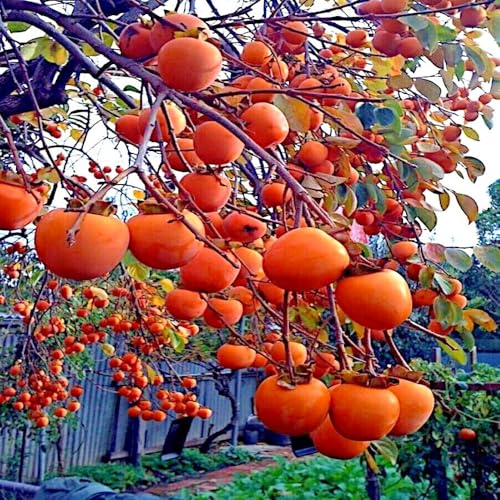
Cold Hardiness: Cold hardy Diospyros seeds survive temperatures down to 10°F once established; Suitable for growing in USDA zones 7-10; More tolerant of temperature fluctuations than many other fruit trees
Common Fruit Trees in Arkansas
- Apple Trees: Several varieties grow well in Arkansas, such as Arkansas Black, Red Delicious, and Granny Smith. Apple trees prefer sunny spots and well-drained soil.
- Peach Trees: Known for their delicious fruits, popular varieties include Elberta and Redhaven. Peach trees benefit from full sun and regular watering during dry spells.
- Pear Trees: Types like Bartlett and Kieffer are great choices. Pear trees adapt well to different soil types and require minimal maintenance.
- Cherry Trees: Sweet cherries, like Bing, and sour cherries, like Montmorency, flourish in Arkansas. They prefer well-drained soils and enjoy plenty of sunlight.
Growing Conditions
Fruit trees in Arkansas thrive in well-draining loamy or sandy soils. They prefer full sun, needing at least six hours of direct sunlight daily. Regular watering, especially during the summer months, ensures healthy growth and fruit production.
Seasonal Considerations
Spring offers the best planting season. Late frosts can damage blossoms, so planting after the last frost date (around mid-April) provides better chances for successful fruiting. During the growing season, monitor trees for pests and diseases. Routine pruning improves air circulation and encourages better fruit production.
Local Resources
Seek out local nurseries for fruit trees suited for Arkansas. Many offer expert advice on care and maintenance. Joining a local gardening club can also provide valuable insights and support from fellow gardeners.
By selecting the right fruit trees and providing proper care, you can enjoy a bountiful harvest right from your backyard in Arkansas.
Ideal Climate for Growing Fruit Trees
Arkansas provides an excellent climate for growing fruit trees, combining the conducive temperature and appropriate soil conditions necessary for healthy growth.
Temperature Considerations
Temperatures in Arkansas fluctuate seasonally, which benefits fruit trees. The average winter minimum can drop to 20°F, while summer highs regularly reach around 90°F. Most fruit trees thrive with chilling hours ranging from 700 to 1,000 hours. For example, apple trees like Granny Smith appreciate colder winters, while peach varieties like Elberta do well in warmer conditions. Choosing varieties that match your local microclimate ensures better fruit production.
Rainfall and Soil Type
Arkansas receives an average of 40 to 50 inches of rainfall annually, providing ample moisture for fruit trees. However, consistent rainfall can lead to waterlogged soil, which negatively impacts root health. Soil should be well-draining to prevent this issue. Loamy and sandy soils offer the best conditions. Adding organic material like compost improves drainage and nutrient retention. Testing soil pH can also help; fruit trees prefer pH levels between 6.0 and 7.0. If your soil isn’t ideal, consider raised beds to enhance drainage.
Popular Fruit Trees for Arkansas
Arkansas offers a variety of fruit trees that thrive in its climate. Below are some popular choices for your garden.
Recommended Products

BEGINNER-FRIENDLY & EASY TO GROW – Perfect for first-time bonsai growers, simple planting and care instructions

Product Quantity: Five+ dwarf peach tree seeds per packet; Premium selection for optimal viability; Perfect for starting your own backyard orchard

🌳 3-Pack Fruit Tree Bundle Includes live apple, blueberry, blackberry trees—perfectly paired for a diverse and productive backyard orchard.
Apples
Apples grow well in Arkansas, with varieties suited for different tastes and uses. Here are some common types:
- Arkansas Black: Known for its tart flavor and exceptional storage life.
- Granny Smith: A favorite for baking due to its crisp texture and tartness.
- Red Delicious: Sweet, juicy apples that are fantastic for snacking.
When planting apples, choose a sunny location. Ample sunlight boosts fruit production. Regular pruning maintains tree health.
Peaches
Peaches flourish in Arkansas, producing juicy fruit in summer. Notable varieties include:
- Elberta: A freestone peach, great for canning and fresh eating.
- Redhaven: Sweet and aromatic, perfect for desserts and jams.
- Florida Prince: Early ripening, suitable for warmer areas of the state.
Peach trees prefer well-draining soil. Mulching conserves moisture and suppresses weeds. Monitor for pests to protect the harvest.
Pears
Pears adapt well to the Arkansas climate, yielding sweet, delicious fruit. Common types include:
- Bartlett: Juicy and flavorful, ideal for canning and eating fresh.
- Kieffer: An excellent choice for cooking, with a crisp texture that holds up well.
Plant pear trees in full sun. Regular watering ensures strong growth, especially during dry spells. Be proactive against diseases by practicing good sanitation around trees.
Cherries
Cherries add beauty and flavor to your garden. Recommended varieties are:
- Sweet Cherries: Great for fresh eating and desserts.
- Sour Cherries: Ideal for pies and preserves, these trees thrive in Arkansas.
Cherry trees typically prefer slightly acidic soil. Choose a sunny spot for maximum fruit yield. Prune regularly to encourage healthy growth and fruit production.
Planting and Care Tips
Planting and caring for fruit trees in Arkansas involves strategic planning and consistent maintenance. Below are essential tips to help you succeed.
Recommended Products

Accurate Soil pH Testing: Dewildetradingco Soil pH Test Strips offer measurements of soil pH levels (pH 3.5-9). As an essential tool for every gardener and grower, these test strips help determine the optimal pH for various plants, such as outdoor plants, indoor plants, gardens, grass lawns, fruit trees, flowers, vegetables, and forest shrubs.

Kindly NOTE: This soil tester can not be applied to test pH value of any other liquid. If the soil is too dry the indicator will not move, and water it before testing.

✅ 1Dial & 1 LCD Screen - Replace/install all 3 batteries each time. Put button to %RH/°F to - Turn On, and put to LIGHT to - Turn Off. Read the LCD results in 3-5 mins. (Not Water Moisture Meter, so, please don't test liquid)
Choosing the Right Location
Select a spot with at least 6 to 8 hours of direct sunlight daily. Avoid shaded areas, as insufficient light affects fruit production. Ensure good air circulation around the trees to prevent disease. The location should also be sheltered from strong winds, which can damage young trees. Evaluate the site’s drainage; the best spots are slightly elevated to avoid waterlogging.
Soil Preparation
Prepare the soil before planting by testing its pH. Aim for a pH between 6.0 and 7.0 for optimal growth. If the soil is too acidic, add lime to raise the pH. Conversely, if the soil is too alkaline, incorporate sulfur to lower it. Enhance soil structure by mixing in organic matter, like compost or well-rotted manure. This addition increases nutrient content while improving drainage. Before planting, dig a hole twice the size of the root ball to allow roots to spread easily.
Regularly monitor the soil moisture, ensuring it remains consistently moist but not saturated. Adjust your watering routine according to rainfall and temperature. In the first year, apply mulch around the base of your trees to retain moisture and suppress weeds.
By following these tips, you’ll set up a healthy environment for your fruit trees to thrive, ensuring a fruitful harvest in your Arkansas garden.
Conclusion
Growing fruit trees in Arkansas can be a rewarding adventure. With the right varieties and care, you can enjoy fresh fruits right from your backyard. Remember to choose trees that suit your specific climate and soil conditions.
As you embark on this journey, don’t hesitate to reach out to local nurseries and gardening clubs for support. They can offer valuable insights and tips tailored to your area.
With a little patience and dedication, you’ll soon be savoring the delicious fruits of your labor. Happy gardening!
Frequently Asked Questions
What fruit trees are best for growing in Arkansas?
Fruit trees such as apples, peaches, pears, and cherries thrive in Arkansas. Popular varieties include Arkansas Black and Granny Smith apples, Elberta and Redhaven peaches, Bartlett and Kieffer pears, and sweet and sour cherries. These trees adapt well to the state’s temperate climate and fertile soil.
When is the best time to plant fruit trees in Arkansas?
Spring is considered the best time to plant fruit trees in Arkansas. This timing ensures that trees can establish their roots and take advantage of the warming temperatures and increased sunlight throughout the growing season.
How much sunlight do fruit trees need in Arkansas?
Fruit trees in Arkansas need at least 6 to 8 hours of direct sunlight daily. Ample sunlight is crucial for healthy growth, fruit production, and overall tree vitality.
What type of soil is best for fruit trees in Arkansas?
Well-draining loamy or sandy soil is ideal for fruit trees. It’s important to ensure the soil is not waterlogged. Additionally, a slight acidic to neutral soil pH of 6.0 to 7.0 is preferred for optimal growth.
How should I care for my fruit trees in Arkansas?
Caring for fruit trees involves regular watering, monitoring for pests and diseases, and routine pruning. Ensure proper drainage, apply mulch to retain moisture, and amend the soil as needed to encourage healthy growth.
How can I improve my soil for planting fruit trees?
To improve soil for fruit trees, test the pH and amend with organic matter to enhance nutrient content and drainage. Adding compost or decomposed leaves can boost fertility and help maintain moisture levels.
What pests should I be aware of when growing fruit trees?
Common pests affecting fruit trees include aphids, spider mites, and fruit flies. Regular monitoring for symptoms and applying organic pest control methods can help maintain tree health without compromising fruit quality.
Can I grow more than one type of fruit tree together?
Yes, growing multiple types of fruit trees together is possible and can be beneficial. However, ensure they have similar sunlight, water, and soil requirements for optimal growth and fruit production.
