

Have you ever wondered when you can expect your grapefruit tree to start producing those juicy, tangy fruits? If you’re nurturing one in your backyard or thinking about planting one, you’re not alone. Many gardeners share the excitement of waiting for their trees to bear fruit, but the timeline can be a bit tricky.
Key Takeaways
- Age of Grapefruit Trees: Expect fruit production to begin 2-3 years after planting, with older trees (over 5 years) yielding more fruit of better quality.
- Ideal Growing Conditions: Grapefruit trees thrive in well-drained soil with a pH of 5.5 to 6.5, full sun exposure for at least 8 hours a day, and consistent, deep watering.
- Care Practices: Regular fertilization and pruning are essential for healthy growth and increased fruit production; use fertilizers formulated for citrus.
- Flowering and Fruiting Timeline: Grapefruit trees bloom in spring, with fruit maturing 6-8 months after flowering, requiring careful monitoring during this period.
- Pollination: Though self-pollinating, planting multiple varieties can enhance fruit yield and quality through cross-pollination.
- Environmental Impact: Factors like temperature and pest management significantly influence the fruit-bearing timeline and should be actively monitored to ensure optimal growth.
Overview of Grapefruit Trees
Grapefruit trees are evergreen fruit-bearing trees that thrive in warm climates. You can find them growing in USDA hardiness zones 9 through 11. These trees typically range from 5 to 15 feet tall, with some varieties reaching heights up to 20 feet.
Grapefruit trees bloom in the spring, producing fragrant white flowers. These flowers develop into fruit, which usually takes about 6 to 8 months to mature. Most grapefruit trees start bearing fruit two to three years after planting if properly cared for.
Common Varieties of Grapefruit Trees
- Ruby Red: This variety offers sweet, pink flesh and a smooth, thin skin. It bears fruit early in the season.
- White Marsh: Known for its mild, sweet flavor, this variety produces larger fruit with a pale yellow interior.
- Star Ruby: Recognized for its deep red flesh, it has a rich flavor and a slightly tart taste.
Growing Conditions for Grapefruit Trees
- Soil: Well-drained soils are essential. Use sandy or loamy soil with a pH of 6 to 7.
- Sunlight: Grapefruit trees require full sun, needing at least 8 hours of direct sunlight daily.
- Water: Consistent watering helps promote healthy growth. Water trees deeply but infrequently, allowing soil to dry out between waterings.
Grapefruit trees benefit from fertilization during their growing season. Use a balanced fertilizer designed for citrus trees, applying it in the spring and mid-summer. This practice supports healthy foliage and fruit production.
Pollination Needs
Most grapefruit trees are self-pollinating, meaning they can bear fruit without cross-pollination. However, planting multiple trees can enhance yield and fruit quality. You can expect increased fruit size and better flavor when different varieties flower together.
Factors Affecting Fruit Bearing
Several factors influence the fruit-bearing timeline of grapefruit trees. Understanding these elements will help you optimize your gardening practices.
Recommended Products
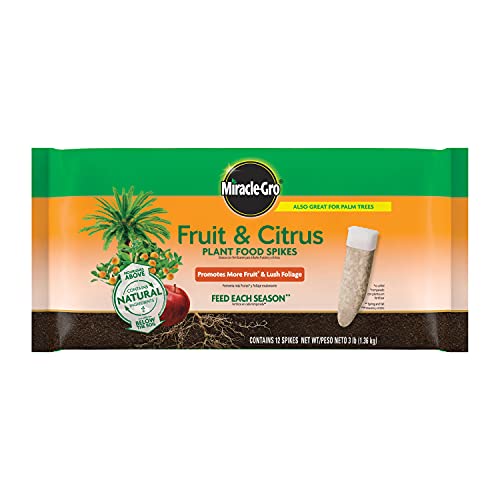
FORMULATED FOR CITRUS AND FRUIT TREES: Use these citrus fertilizer spikes on apple, orange, lemon, lime, and avocado trees; this formula is also great for feeding palm trees

Made for Lemon & Citrus Trees – Formulated to support healthy growth in lemon and citrus plants.

This fertilizer is blended especially for acid lovers such as rhododendrons, azaleas, camellias, hydrangeas, evergreens, blueberries, raspberries, strawberries, potatoes and other plants that need a low pH
Age of the Tree
Grapefruit trees typically start to bear fruit between two and three years after planting. Younger trees focus on developing strong root systems and healthy foliage. As the tree matures, it becomes more capable of producing fruit. Trees over five years old often yield more fruit, with increased size and quality, due to enhanced energy and nutrient storage.
Environmental Conditions
Environmental factors significantly impact fruit bearing. Here are key conditions to consider:
- Sunlight: Grapefruit trees thrive in full sunlight. Aim for at least 8 hours of direct light daily for optimal growth and fruit production.
- Soil: Well-drained soil is crucial. Implement a soil test to ensure its pH ranges between 5.5 and 6.5. Amend with organic matter as needed.
- Temperature: Grapefruit trees prefer warm temperatures, ideally between 70°F and 85°F. Protect them from frost conditions, as cold damage can delay fruit production.
- Watering: Consistent watering supports tree health. Water deeply but infrequently to encourage robust root development. Soil should remain moist but not soggy.
Implementing these conditions can foster healthy growth and promote earlier fruit bearing.
Typical Timeline for Fruiting
Grapefruit trees follow a specific timeline before they bear fruit. Understanding this process helps you manage expectations and care for your trees effectively.
Initial Flowering Stages
Grapefruit trees typically start flowering in spring. These fragrant white blossoms appear after the tree reaches maturity, which usually occurs two to three years after planting. Each flower can develop into a grapefruit, but not every one will successfully mature. Factors such as pollination and weather conditions impact the success rate of these blossoms. During the flowering stage, ensure your trees receive adequate moisture and nutrients to support flower development.
Timeframe for Fruit Development
Once flowering occurs, the fruit development timeline begins. Grapefruit fruit takes about 6 to 8 months to mature fully. Depending on the variety, ripening may occur at different times. For example, Ruby Red grapefruits often ripen earlier than White Marsh grapefruits. Consistent care throughout this period, including proper watering and fertilization, ensures healthy fruit growth. Monitor the fruit closely during the last stages of maturity for optimal harvesting time.
Cultivation Tips for Fruit Production
Maximize fruit production from your grapefruit trees by following these practical cultivation tips:
1. Soil Preparation
Ensure your soil is well-drained and rich in organic matter. Aim for a pH between 5.5 and 6.5 to support healthy roots. Test your soil before planting to determine any necessary amendments. Mix compost or aged manure to enhance nutrient levels.
2. Sunlight Exposure
Position your grapefruit trees in a location that receives at least 8 hours of direct sunlight each day. Sunlight encourages flowering and fruiting, so consider planting near south or west-facing areas where sunlight is abundant.
3. Watering Practices
Implement a consistent watering schedule. Water deeply to encourage deep root growth, especially during dry spells. Young trees require more frequent watering compared to established ones. Avoid overwatering, as it can lead to root rot.
4. Fertilization
Apply a balanced fertilizer during the growing season. Use one formulated for citrus, which typically includes nitrogen, phosphorus, and potassium. Follow package instructions for application rates, and fertilize every 6 to 8 weeks to promote healthy growth.
5. Pruning Techniques
Prune your grapefruit trees annually to remove dead or damaged branches. Focus on opening up the canopy to improve air circulation and light penetration. This practice also helps direct nutrients to fruit-bearing wood.
6. Pest and Disease Management
Monitor for common pests such as aphids and scale. Use insecticidal soap or neem oil to control infestations. Ensure proper spacing between trees to prevent fungal diseases caused by stagnant moisture.
7. Pollination Assistance
Although grapefruit trees are self-pollinating, planting multiple trees can enhance fruit set. Bees and other pollinators increase cross-pollination, which can lead to better yield and fruit quality.
8. Patience and Monitoring
Understand that growing grapefruit trees takes time. Monitor your trees closely for signs of flowering and fruit development. Keep track of the timeline and conditions; consistency in care leads to fruitful outcomes.
By implementing these tips, you’ll cultivate healthy grapefruit trees and optimize your fruit production journey.
Conclusion
Growing grapefruit trees can be a rewarding journey filled with anticipation. With the right care and conditions your trees will likely start bearing fruit within two to three years. Remember that patience is key as you nurture your trees through their growth stages.
By providing ample sunlight proper watering and regular fertilization you’re setting the stage for a fruitful harvest. Keep an eye on your trees as they develop and enjoy the process of watching them flourish. Soon enough you’ll be enjoying the sweet rewards of your hard work. Happy gardening!
Frequently Asked Questions
How long does it take for grapefruit trees to produce fruit?
Grapefruit trees typically start producing fruit two to three years after planting, given they receive proper care. After flowering, the fruit takes about 6 to 8 months to mature.
What are the ideal growing conditions for grapefruit trees?
Grapefruit trees thrive in well-drained soil and require at least 8 hours of direct sunlight daily. They prefer warm temperatures of 70°F to 85°F and consistent watering to support healthy growth.
What are common varieties of grapefruit trees?
Common varieties of grapefruit trees include Ruby Red, White Marsh, and Star Ruby. Each variety has unique characteristics, but they all thrive under similar growing conditions.
Why is consistent care important for grapefruit trees?
Consistent care, including proper watering and fertilization, is crucial for healthy fruit growth. It helps ensure that the trees reach their full potential and produce quality fruit.
Can grapefruit trees self-pollinate?
Yes, most grapefruit trees are self-pollinating, meaning they can produce fruit without another tree. However, planting multiple trees can enhance overall yield and fruit size.
What factors affect the fruit-bearing timeline of grapefruit trees?
Factors impacting the fruit-bearing timeline include tree age, environmental conditions (sunlight, temperature, soil quality), and care practices. Younger trees focus on roots and foliage, while mature trees yield more fruit.
