
Close Menu
    Fruit Tree Hub
    • Home
    • Apple Trees
    • Lemon Trees
    • Mango Trees
    • Orange Trees
    • More Trees
      • Best Fruit Trees
      • Apricot Trees
      • Cherry Trees
      • Fig Trees
      • Lime Trees
      • Mulberry Trees
      • Peach Trees
      • Pear Trees
      • Plum Trees
      • Pomegranate Trees
    • Tips and Advice
      • Tools
    • About Us
      • Contact
      • Privacy Policy
    Fruit Tree Hub
    Home»Tips and Advice»Do Fruit Trees Need Full Sun for Optimal Growth and Abundant Harvests
    Tips and Advice

    Do Fruit Trees Need Full Sun for Optimal Growth and Abundant Harvests

    Martha JacksonBy Martha JacksonJanuary 4, 20258 Mins Read
    Share Facebook Twitter Pinterest WhatsApp Email
    Share
    Facebook Twitter LinkedIn Pinterest Telegram Email

    Ever wondered why your fruit trees aren’t thriving like you’d hoped? You’re not alone. Many gardeners face the challenge of figuring out the right conditions for their plants to flourish. One key factor often overlooked is sunlight.

    Contents show
    1 Key Takeaways
    2 Overview of Fruit Trees
    2.1 Sunlight Needs
    2.2 Soil and Moisture
    2.3 Pruning and Maintenance
    3 Importance of Sunlight for Growth
    3.1 Photosynthesis Process
    3.2 Impact on Fruit Development
    4 Factors Influencing Light Requirements
    4.1 Tree Species Variability
    4.2 Environmental Conditions
    5 Recommendations for Planting
    5.1 Ideal Sun Exposure
    5.2 Alternative Solutions for Shaded Areas
    6 Conclusion
    7 Frequently Asked Questions
    7.1 Why is sunlight important for fruit trees?
    7.2 How much sunlight do fruit trees need?
    7.3 Can some fruit trees grow in partial shade?
    7.4 What is the best soil for fruit trees?
    7.5 How does pruning affect light exposure for fruit trees?
    7.6 What are some tips for maximizing sunlight for fruit trees?
    7.7 How does geographic location affect fruit tree growth?

    Understanding whether fruit trees need full sun can make all the difference in your garden’s success. This article will help you explore the sunlight requirements for various fruit trees and how to create the best environment for them. Whether you’re a seasoned gardener or just starting out, you’ll find valuable insights to boost your fruit production and keep your trees healthy.

    Key Takeaways

    • Fruit Tree Sunlight Needs: Most fruit trees require at least six hours of full sunlight daily for optimal growth and fruit production.
    • Specific Tree Examples: Apple, citrus, and peach trees thrive best in full sun, while some cherry varieties can tolerate partial shade.
    • Importance of Soil and Moisture: Well-draining, nutrient-rich soil and consistent moisture are crucial for healthy fruit tree development.
    • Pruning for Health: Regular pruning improves light exposure and airflow, enhancing fruit quality and tree robustness.
    • Environmental Factors: Sunlight accessibility can be affected by geographic location and surrounding structures; choose planting spots wisely for maximum exposure.
    • Shade-Tolerant Alternatives: In shaded areas, consider planting shade-tolerant fruit trees like currants or use strategies to enhance sunlight, like reflective materials or trellising.

    Overview of Fruit Trees

    Fruit trees thrive in various climates and conditions. Understanding their specific requirements helps you cultivate healthy, productive trees. Most fruit trees prefer nutrient-rich soil, consistent moisture, and protection from strong winds.

    MUST READ
    What Fruit Was the Tree of Knowledge: Unraveling the Symbolism and Stories Behind It

    Sunlight Needs

    Full sun plays a vital role in fruit tree development. At least six hours of direct sunlight daily enhances photosynthesis, supporting growth and fruit production. Some specific examples are:

    • Apple Trees: Thrive best in full sun, producing more fruit when they receive adequate light.
    • Citrus Trees: Thrive in full sun and are less likely to produce if shaded.
    • Peach Trees: Require full sun to bloom and set fruit properly.

    Soil and Moisture

    Fruit trees need well-draining soil rich in organic matter. Regular watering ensures roots remain hydrated but not waterlogged. You can enrich soil by adding compost or aged manure. Here are some tips:

    • Test soil pH. Aim for 6.0 to 7.0 for most fruit trees.
    • Use mulching techniques to retain moisture and suppress weeds.
    • Water deeply during dry spells to encourage deep root growth.

    Pruning and Maintenance

    Maintaining fruit trees involves regular pruning and care. Pruning encourages better light penetration, airflow, and overall health. Key pruning strategies include:

    • Remove dead or damaged branches annually.
    • Thin out crowded branches to improve sunlight exposure.
    • Shape trees to ensure balanced growth.

    By providing proper sunlight, soil, and care, you’ll promote healthier fruit trees and reap abundant harvests.

    Importance of Sunlight for Growth

    Sunlight is essential for the growth of fruit trees. Adequate exposure ensures robust health and optimal fruit production.

    Recommended Products
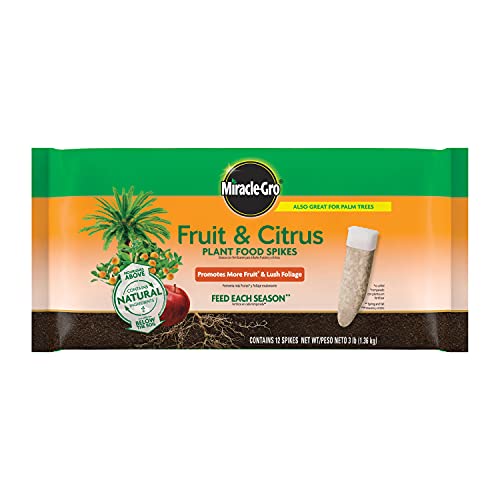
    Miracle-Gro Fruit & Citrus Plant Food Spikes - 10-15-15 NPK Easy-To-Use Nutrition for Fruit and Citrus Trees, Plant Fertilizer, 12 Spikes, 3 lb.
    Miracle-Gro Fruit & Citrus Plant Food Spikes - 10-15-15 NPK Easy-To-Use Nutrition for Fruit and Citrus Trees, Plant Fertilizer, 12 Spikes, 3 lb.

    FORMULATED FOR CITRUS AND FRUIT TREES: Use these citrus fertilizer spikes on apple, orange, lemon, lime, and avocado trees; this formula is also great for feeding palm trees

    VIEW LATEST PRICE

    As an affiliate, we earn on qualifying purchases.

    Farmer's Secret Fruit Tree Booster Fertilizer (32oz) - Super Concentrated and Phosphorus Rich - Formulated for All Fruit Trees Including Peach, Banana, and Apple
    Farmer's Secret Fruit Tree Booster Fertilizer (32oz) - Super Concentrated and Phosphorus Rich - Formulated for All Fruit Trees Including Peach, Banana, and Apple

    Let our professionally formulated plant food help your fruit tree grow healthy, strong AND abundantly producing

    MUST READ
    When Do Loquat Trees Produce Fruit: A Guide to Optimal Growing and Harvesting Tips
    VIEW LATEST PRICE

    As an affiliate, we earn on qualifying purchases.

    Dr. Earth Natural Wonder Organic Fruit Tree Fertilizer - 4lb 5-5-2
    Dr. Earth Natural Wonder Organic Fruit Tree Fertilizer - 4lb 5-5-2

    Natural and Organic Hand Crafted Blend

    VIEW LATEST PRICE

    As an affiliate, we earn on qualifying purchases.

    Photosynthesis Process

    Photosynthesis transforms sunlight into energy. During this process, trees absorb carbon dioxide and water, producing glucose and oxygen. For fruit trees, at least six hours of direct sunlight daily fuels this critical function. Without sufficient light, energy production drops, leading to weaker trees. Varieties like apple and peach thrive in full sun, maximizing photosynthesis and strengthening growth.

    Impact on Fruit Development

    Sunlight directly influences fruit development. The nutrients created during photosynthesis contribute to fruit size, flavor, and quantity. Inadequate sunlight often results in smaller, less flavorful fruits. Citrus trees, for instance, produce sweeter, larger fruits when receiving ample sunlight. By ensuring your fruit trees bask in full sun, expect healthier yields and more vibrant flavors.

    Factors Influencing Light Requirements

    Light requirements for fruit trees depend on multiple factors that directly affect growth and fruit production. Understanding these can help you provide the best care for your trees.

    Recommended Products

    Bonsai Peach Tree Seeds – 5 Large Seeds for Miniature Fruit-Bearing Trees – Easy to Grow, Hardy, Produces Sweet Peaches - Great for Beginner Bonsai - Ideal for Home Garden
    Bonsai Peach Tree Seeds – 5 Large Seeds for Miniature Fruit-Bearing Trees – Easy to Grow, Hardy, Produces Sweet Peaches - Great for Beginner Bonsai - Ideal for Home Garden

    BEGINNER-FRIENDLY & EASY TO GROW – Perfect for first-time bonsai growers, simple planting and care instructions

    VIEW LATEST PRICE

    As an affiliate, we earn on qualifying purchases.

    Indoor Fig Tree Care (Low-Maintenance Fruit Gardening Indoors)
    Indoor Fig Tree Care (Low-Maintenance Fruit Gardening Indoors)
    VIEW LATEST PRICE

    As an affiliate, we earn on qualifying purchases.

    Apple, Plum & Pear Trees (3-Pack) – Dwarf Fruit Trees, Easy Grow Backyard Orchard Starter Kit (3 Pack - 1 of Each Tree)
    Apple, Plum & Pear Trees (3-Pack) – Dwarf Fruit Trees, Easy Grow Backyard Orchard Starter Kit (3 Pack - 1 of Each Tree)

    🌳 3-Pack Fruit Tree Bundle Includes live apple, plum, and pear trees—perfectly paired for a diverse and productive backyard orchard.

    VIEW LATEST PRICE

    As an affiliate, we earn on qualifying purchases.

    Tree Species Variability

    Tree species play a significant role in determining light needs. Some trees, like apple and peach, thrive in full sun for optimal growth. Others, such as certain types of cherry trees, can tolerate partial shade but still benefit from at least four to six hours of sunlight daily. Always check specific species recommendations to maximize fruit yield and overall tree health.

    MUST READ
    How Long Till a Cherry Tree Fruits: Essential Tips for Faster Fruiting Success

    Environmental Conditions

    Environmental conditions significantly impact light accessibility. Open areas with no obstructions provide more direct sunlight, while trees planted near structures or taller plants may struggle for light. Poor air circulation can also affect light intensity. Consider the geographic location, as regions with strong sunlight and warmer climates can further enhance fruit trees’ growth when combined with adequate sunlight exposure. Select appropriate planting sites that ensure sunlight reaches your trees throughout the day.

    Recommendations for Planting

    Planting fruit trees in the right location maximizes sunlight exposure and boosts their growth. Follow these guidelines to choose the best spot for your fruit trees.

    Recommended Products

    GooingTop LED Grow Light,6000K Full Spectrum Clip Plant Growing Lamp with White Red LEDs for Indoor Plants,5-Level Dimmable,Auto On Off Timing 4 8 12Hrs
    GooingTop LED Grow Light,6000K Full Spectrum Clip Plant Growing Lamp with White Red LEDs for Indoor Plants,5-Level Dimmable,Auto On Off Timing 4 8 12Hrs

    6000K White Light - equipped with 10 Red + 74 White LEDs, this growing Lamp is similar to the full-spectrum sunlight at noon,that is professionally designed for indoor garden plants.Moreover, its color rendering index is as high as 95, the light is soft and flicker-free, which is very suitable for reading lamp

    VIEW LATEST PRICE

    As an affiliate, we earn on qualifying purchases.

    Eurbolan Plant Lights for Indoor Growing,2 in 1 Halo Grow Light with Clip,192 LED Full Spectrum Clip On Plant Grow Lights with 360°gooseneck,3 Spectrum Modes, 6/12/16Hrs Auto Time&5 Brightness 2 Pack
    Eurbolan Plant Lights for Indoor Growing,2 in 1 Halo Grow Light with Clip,192 LED Full Spectrum Clip On Plant Grow Lights with 360°gooseneck,3 Spectrum Modes, 6/12/16Hrs Auto Time&5 Brightness 2 Pack

    【Full Spectrum Grow Light】The Plant Growing Lamp with 90 White LEDs + 6 Red LEDs high-efficiency diode lamp beads, which is similar to the sunlight at noon to meet the needs of various plant growth processes, professionally designed for indoor plants, flowers, herbs and so on. Moreover, the light is soft and flicker-free, which is very suitable for reading lamp.

    VIEW LATEST PRICE

    As an affiliate, we earn on qualifying purchases.

    LBW Grow Lights for Indoor Plants Full Spectrum with Stand,214 LEDs Standing Plant Lights for Indoor Growing,Floor Grow Plant Lamp with 4/8/12H Timer,6 Brightness Levels,75" Adjustable Tripod
    LBW Grow Lights for Indoor Plants Full Spectrum with Stand,214 LEDs Standing Plant Lights for Indoor Growing,Floor Grow Plant Lamp with 4/8/12H Timer,6 Brightness Levels,75" Adjustable Tripod

    【Newest Grow Light】The appearance of the lamp head adopts patentable mold technology and incorporates exclusive design concepts. The back plate has a unique pattern and premium texture which is not easily scratched. The holes in the back are specially reserved for heat dissipation space, saying goodbye to the heating problem during the use of the lamp.

    MUST READ
    Did Adam Know the Fruit Was from the Forbidden Tree: Insights on Choice and Responsibility
    VIEW LATEST PRICE

    As an affiliate, we earn on qualifying purchases.

    Ideal Sun Exposure

    Aim for at least six hours of direct sunlight daily. Fruit trees like apple, citrus, and peach thrive under these conditions. Identify the sunniest spots in your yard, often south-facing areas receive the most light. Avoid placing trees near tall structures or dense shrubs that block sunlight. If planting multiple trees, allow adequate space between them for light penetration and air circulation.

    Alternative Solutions for Shaded Areas

    If you have shaded areas, consider planting shade-tolerant fruit trees. Consider varieties like currants, gooseberries, or certain cherry types that can handle partial shade. You can also create a trellis system or use dwarf tree varieties that require less light. Additionally, consider pruning nearby trees or shrubs to improve light access. Using reflective materials, such as white walls or light-colored surfaces, can enhance light exposure in shaded spots as well.

    Conclusion

    Giving your fruit trees the right amount of sunlight is key to their health and productivity. By ensuring they get at least six hours of direct sun each day you can boost their growth and enhance the quality of the fruits they produce.

    Keep in mind that not all trees have the same light needs so it’s important to choose the right varieties for your specific conditions. With a little planning and care you can create an environment where your fruit trees thrive and provide you with delicious harvests for years to come. Happy gardening!

    Frequently Asked Questions

    Why is sunlight important for fruit trees?

    Sunlight is crucial for fruit trees because it supports photosynthesis, allowing trees to convert light into energy. This process leads to the production of glucose and oxygen, which are essential for tree health and fruit development. Without adequate sunlight, trees may weaken, resulting in poor growth and lower fruit quality.

    MUST READ
    How Many Years Do Fruit Trees Produce and Tips for Maximizing Their Yield

    How much sunlight do fruit trees need?

    Most fruit trees require at least six hours of direct sunlight daily to thrive. Full sun exposure is critical for optimizing photosynthesis, leading to better fruit size, flavor, and quantity. Some varieties may tolerate less light, but more sunlight typically translates to healthier trees and richer harvests.

    Can some fruit trees grow in partial shade?

    Yes, some fruit trees can tolerate partial shade. For example, certain cherry trees can thrive with four to six hours of sunlight per day. However, while they can survive in less light, all fruit trees benefit from as much sunlight as possible to maximize growth and fruit production.

    What is the best soil for fruit trees?

    Fruit trees prosper in well-draining, organic-rich soil. This type of soil retains moisture while allowing excess water to escape, preventing root rot. Incorporating compost or organic matter can enhance soil quality, providing vital nutrients that support healthy growth and fruiting.

    How does pruning affect light exposure for fruit trees?

    Pruning is essential for improving light penetration in fruit trees. By removing excess branches, you allow more sunlight to reach the inner parts of the tree. This practice promotes better air circulation and overall tree health, enhancing fruit production and preventing disease.

    What are some tips for maximizing sunlight for fruit trees?

    To maximize sunlight, plant fruit trees in south-facing areas where they receive direct sun for at least six hours daily. Remove nearby obstacles like overgrown shrubs or trees and consider using reflective materials to direct more light to shaded spots. Dwarf varieties and shade-tolerant plants are alternatives for less sunny areas.

    How does geographic location affect fruit tree growth?

    Geographic location significantly influences fruit tree growth due to varying sunlight intensity and climate conditions. Regions with strong, consistent sunlight and warmer climates enhance fruit tree vitality when combined with adequate light exposure, supporting healthy growth and abundant harvests.

    Share. Facebook Twitter Pinterest LinkedIn Tumblr Email
    martha jackson
    Martha Jackson

      Martha Jackson is an accomplished freelance writer and editor with a strong interest in gardening. With a degree in English from the University of California, Berkeley, Martha has over 15 years of experience writing for a variety of publications. She is passionate about making gardening accessible to all and is always seeking out new techniques and innovations.

      Related Posts

      How Long Until Avocado Trees Bear Fruit and Tips for Faster Growth at Home

      February 20, 2025

      What Yellow Fruit Grows on Trees and Their Delicious Health Benefits

      February 20, 2025

      How to Air Layer Fruit Trees: A Step-by-Step Guide for Successful Propagation

      February 20, 2025

      When Do Grapefruit Trees Produce Fruit and How to Maximize Your Harvest

      February 20, 2025

      What Is a Fast Growing Fruit Tree: Discover Quick-Yield Options for Your Garden

      February 20, 2025

      Do Cherry Blossom Trees Have Fruit? Discover the Truth About Their Edibility and Benefits

      February 20, 2025
      Leave A Reply Cancel Reply

      Affiliate Disclosure

      As an Amazon Associate I earn from qualifying purchases.

      Recommended Reading

      Is It Legal to Pick Fruit from Trees: Understanding Your Rights and Local Regulations

      Banana Trees in Iowa: Pro Tips for Healthy Harvests

      Where to Find Wild Jujube Trees

      Ultimate Guide on How to Grow Your Own Blackberries Successfully

      Which Fruit Trees Need the Least Sun: Best Options for Shady Yards and Gardening Tips

      Should You Wrap Fruit Trees in Winter for Maximum Protection and Health?

      How Long Does It Take Banana Trees to Produce Fruit and Tips for Faster Growth

      How Soon Do Apple Trees Produce Fruit and Tips for Accelerating Their Harvest

      How to Keep Fruit Tree Branches from Breaking with Essential Care Tips and Techniques

      Best Fruit Trees for Pots: Growing Fresh Fruits in Limited Spaces

      Fruit Tree Hub

      Fruit Tree Hub is a website dedicated to providing you everything you need to grow fruit trees successfully at in your own yard.

      Contact us at: [email protected]

      - AFFILIATE DISCLOSURE: As an Amazon Associate I earn from qualifying purchases.

      Latest Posts

      Plum Trees in New York City, NY: Urban Backyard Tips

      Guava Trees in Richmond, VA (Capital Region Planting)

      Can Orange Trees Grow in Idaho? Cold-Climate Solutions

      Guava Trees in Santa Ana, CA: Coastal Success and Care

      Growing Quince Trees in a Pot in Nebraska: Wind Care Tips

      Growing Papaya Trees in Wyoming: High Elevation Growth Tips

      Growing Tangerine Trees in a Pot in South Carolina (Pro Advice)

      Olive Trees in a Pot in South Dakota (High Plains Potting Tips)

      Categories
      • Almond Trees
      • Apple Trees
      • Apricot Trees
      • Best Fruit Trees
      • Blackberry
      • Cantaloupe
      • Cherry Trees
      • Crochet Ideas
      • Crochet Ideas for Beginners
      • Cucamelon
      • Easy Crochet Ideas
      • Easy Knitting Projects
      • Fig Trees
      • Grapefruit Trees
      • Grapes
      • Guava Trees
      • Honeydew
      • Jujube Trees
      • Kiwi
      • Knitting For Beginners
      • Knitting Ideas
      • Knitting Inspiration
      • Lemon Trees
      • Lime Trees
      • Loquat Trees
      • Mango Trees
      • Mulberry Trees
      • Nectarine Trees
      • Olive Trees
      • Orange Trees
      • Papaya Trees
      • Peach Trees
      • Pear Trees
      • Persimmon Trees
      • Planting
      • Plum Trees
      • Pomegranate Trees
      • Quince Trees
      • Raspberry
      • Reviews
      • Small Crochet Ideas
      • Star Fruit Trees
      • Summer Crochet Ideas
      • Tamarind Trees
      • Tangerine Trees
      • Tips and Advice
      • Tools
      • Uncategorized
      • Walnut Trees
      © 2026 Fruit Tree Hub
      • Home
      • About Us
      • Contact
      • Privacy Policy
      • Terms and Conditions
      • Disclaimer
      • Editorial Policy
      • Affiliate Disclosure

      Type above and press Enter to search. Press Esc to cancel.