

Have you ever wondered when the perfect time is to plant blackberries in your garden? Picture this: you’re eager to grow your own juicy, flavorful blackberries but unsure of the ideal planting season. Well, fret not! In this article, we’ll guide you through the optimal timing for planting blackberries and set you on the path to a bountiful harvest.
By learning when to plant blackberries, you’ll ensure that your fruits thrive and flourish in the seasons ahead. Whether you’re a novice gardener or have some experience with growing berries, understanding the right time to sow your blackberry bushes can make all the difference in their growth and productivity.
Key Takeaways
- Optimal Timing: Plant blackberries in early spring after the last frost in cold regions, and during late fall or winter in warmer climates.
- Soil Selection: Choose well-draining soil with a pH of 5.5-7.0 for successful blackberry growth, avoiding heavy clay soils.
- Variety Selection: Consider climate zone, space availability, and preferred harvest time when selecting blackberry varieties like thornless ‘Apache’ or traditional ‘Chester.’
- Planting Techniques: Space plants adequately based on variety (3-6 feet apart for thorny, 2-4 feet for thornless), plant at the right depth, water generously, mulch, and provide support systems if needed.
- Post-Planting Care: Water deeply but infrequently (1-2 inches per week), fertilize in early spring with balanced fertilizer, prune old canes and lateral branches for optimal growth and fruit production.
Understanding the Blackberry Planting Season
When considering planting blackberries, it’s crucial to understand the optimal timing for a successful harvest. Let’s delve into essential factors that influence the blackberry planting season.
Climate Considerations for Blackberries
Blackberries thrive in moderate climates with well-defined seasons. They prefer areas with mild winters and moderate summers, as extreme temperatures can affect their growth. Ensure your region provides around 1 inch of water per week during the growing season to support healthy plant development.
Regional Variances in Blackberry Planting
Depending on where you live, the ideal time to plant blackberries can vary. In regions with cold winters, aim to plant blackberries in early spring after the last frost has passed. Conversely, in warmer climates, consider planting during late fall or winter when the weather is milder. Be mindful of your specific location’s climate patterns to determine the best time for planting blackberries.
Preparing to Plant Blackberries
When preparing to plant blackberries, there are essential steps you should follow to ensure successful growth and a bountiful harvest. Here’s what you need to consider:
Recommended Products
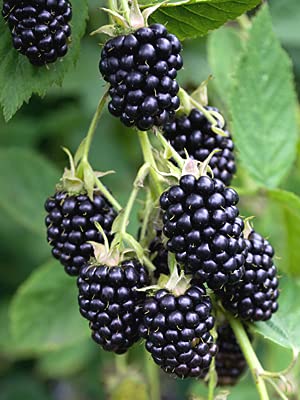
Includes four (4) "Natchez" Blackberry Plants with USPS Shipping. These are 2 inch rooted plants shipped in 2 inch tray pots and are 3-6 inches tall.

Sweet & Nutritious Berries:The berries have a sweet taste, rich in various vitamins, minerals such as calcium, iron and zinc, as well as amino acids and essential dietary fiber. They are suitable for fresh eating or making jams and desserts, meeting the needs of a healthy diet.

Choosing the Right Soil
To plant blackberries successfully, you must select well-draining soil with a pH level between 5.5 and 7.0. Sandy loam or loamy soil types are ideal for blackberry cultivation as they provide good drainage and aeration for the roots. Avoid heavy clay soils that retain water, leading to root rot in blackberry plants.
Selecting Blackberry Varieties
When choosing blackberry varieties for your garden, consider factors such as your climate zone, available space, and desired harvest time. Common types include thornless varieties like ‘Apache’ or ‘Triple Crown,’ which are easier to manage during planting and harvesting. If you prefer traditional thorny varieties like ‘Chester’ or ‘Navaho,’ be sure to handle them carefully while planting.
By selecting the right soil type and suitable blackberry varieties based on your preferences and local conditions, you can set the stage for a successful blackberry planting experience.
Planting Techniques for Blackberries
When planting blackberries, it’s essential to consider the timing and spacing to ensure a successful harvest. Here are some key tips to guide you through the planting process step-by-step:
Recommended Products

4pack Fiberglass Material Raspberry Cross Stake System with Adjustable Cross-bars, Height Adjustable

UNIQUE STYLING DESIGN: Fit perfectly with the plants in the pot, the branch shape fits better with the plant itself, allowing PERSZEN monstera plant support suitable for almost all types of potted plants without standing out. The green color of plant trellis indoor makes it easier to blend in with the plants, providing support for your plants without affecting the aesthetics

Widely Used: Trellis for climbing plants outdoor allows potted plants to grow upward, helping them get more sunlight and preventing sagging. Indoor potted small plant grid, suitable for most climbing plants, such as red beans, daffodils, roses, morning glories, vines, peas, ivy, cucumbers, green beans and other climbing plants, as well as indoor small potted plants. Trellis for climbing plants indoor are perfect for decorating your house, and 5- to 8-inch size planters are recommended
Timing and Spacing
Plant your blackberries in late winter or early spring when the soil is workable. Spacing is crucial; plant thorny varieties 3-6 feet apart in rows 8-10 feet apart, while thornless varieties can be spaced closer together at 2-4 feet within rows.
- Prepare the Soil: Choose a sunny location with well-draining soil and a pH level between 5.5 and 7.0.
- Digging Holes: Dig holes wide enough to accommodate the roots without bending them.
- Planting Depth: Place the blackberry plant in the hole at the same depth as it was in its container.
- Backfilling: Fill in the hole with soil, gently pressing it down around the roots.
- Watering: Give your newly planted blackberries a good watering to help them establish themselves.
- Mulching: Apply a layer of mulch around the plants to retain moisture and suppress weeds.
- Support Systems (if needed): Install trellises or stakes for support as blackberries grow on long canes that need guidance.
Post-Planting Care for Blackberries
After successfully planting your blackberries, it’s essential to provide proper care to ensure healthy growth and bountiful harvests. Here are key aspects to focus on:
Recommended Products

Supports Growth & Root Strength – Blackberry plant fertilizer that helps promote strong roots, healthy canes, and consistent plant development.

Package contains 50 plant fertilizer spikes for indoor flowering houseplants and is produced to avoid wasteful runoff, mess, hazards and smells

Promotes Abundant Berry Harvests: True Organic Berry Food supports the growth of juicy, organic fruits on berry plants and other acid-loving plants.
Watering and Fertilizing
To keep your blackberry plants thriving, ensure they receive adequate water throughout the growing season. Water deeply but infrequently, providing around 1-2 inches of water per week, especially during dry periods. Additionally, fertilize your blackberries in early spring with a balanced fertilizer to support their growth and fruit production. Avoid over-fertilizing as it can lead to excessive vegetative growth at the expense of fruit development.
Pruning and Maintenance
Regular pruning is crucial for maintaining the health and productivity of your blackberry plants. In late winter or early spring, prune out old canes that have already produced fruit to make room for new growth. Trim back lateral branches to promote better air circulation and sunlight penetration, reducing the risk of diseases. Keep an eye out for any signs of pests or diseases and take prompt action if needed to protect your plants.
By following these post-planting care tips diligently, you’ll set the stage for robust blackberry bushes that yield delicious fruits season after season.
Conclusion
Now that you have all the essential information on planting blackberries, you’re ready to get your hands dirty and start your own berry patch. Remember, timing is crucial for successful growth, so make sure to plant your blackberries at the right time of year. Choose a suitable variety, prepare the soil diligently, and provide proper care post-planting to enjoy bountiful harvests. With patience and attention to detail, you’ll soon be relishing in juicy blackberries fresh from your garden. Happy planting!
Frequently Asked Questions
When is the best time to plant blackberries?
The best time to plant blackberries is in early spring or late fall when the soil is workable and temperatures are mild.
What type of soil is ideal for planting blackberries?
Blackberries thrive in well-draining, loamy soil with a slightly acidic pH level between 5.5 and 6.5.
How far apart should blackberry plants be spaced?
Space blackberry plants approximately 3-4 feet apart within rows, with rows spaced around 8 feet apart.
Do blackberry bushes require support systems?
Yes, it’s recommended to provide support systems like trellises or stakes to help the bushes grow upright and bear fruit more easily.
What post-planting care do blackberry bushes need?
After planting, ensure regular watering, fertilizing in early spring, pruning dead canes annually, and mulching to maintain moisture levels.
