

Ever wondered how you could enjoy delicious blackberries without the hassle of dealing with thorns? Picture this: You’re strolling through your garden, plucking ripe blackberries effortlessly. No prickly surprises, just sweet rewards. Sounds enticing, doesn’t it?
In this article, you’ll discover the secrets to cultivating thornless blackberries in your own backyard. Imagine having a bountiful harvest of these juicy fruits without worrying about getting pricked. You’ll learn simple yet effective techniques that will transform your berry-growing experience.
Get ready to savor the satisfaction of nurturing thornless blackberry bushes and relish the fruits of your labor – literally! Let’s dive into the world of growing these delectable berries and unlock a new level of gardening joy.
Key Takeaways
- Thornless blackberries offer a safer and hassle-free harvesting experience, making them ideal for families and gardeners.
- The absence of thorns simplifies the picking process, making it easier to gather abundant fruits effortlessly.
- These bushes are space-saving and visually appealing, suitable for small gardens or containers.
- Despite being thornless, they are prolific fruit producers when provided with proper care, ensuring high yields season after season.
- Essential conditions for growing thornless blackberries include well-draining soil, full sun exposure, and consistent watering.
- Proper planting techniques such as choosing the right time, preparing the soil, spacing plants adequately, and providing support structures are crucial for successful growth.
Understanding Thornless Blackberries
Thornless blackberries are a delightful addition to any garden, offering the joy of harvesting ripe fruits without the worry of painful pricks. Let’s delve into what makes these berries special and the benefits they bring to your gardening experience.
What Are Thornless Blackberries?
Thornless blackberries are a variety of blackberry bushes that produce delicious, juicy fruits without the thorns commonly found on traditional blackberry plants. These berries have all the flavor and nutritional value of their thorny counterparts but with the added convenience and safety of being thorn-free. They come in different cultivars, each with its unique characteristics but share the common feature of being easy to pick and enjoy.
- Safety: One significant advantage of growing thornless blackberries is the reduced risk of injury during harvest. You can freely reach for ripe berries without worrying about getting pricked by sharp thorns, making it a safer option for families with children or anyone who values a hassle-free picking experience.
- Ease of Harvesting: With thornless varieties, picking blackberries becomes a pleasant task rather than a daunting chore. The absence of thorns simplifies the harvesting process, allowing you to gather abundant fruits effortlessly.
- Space-Saving: Thornless blackberry bushes tend to be more compact than their prickly counterparts, making them suitable for small gardens or containers. Their manageable size enables you to grow these delectable berries even in limited spaces without sacrificing yield or fruit quality.
- Improved Aesthetics: Without sharp thorns adorning the branches, thornless blackberry plants offer a cleaner and more visually appealing look in your garden landscape. You can enjoy both the aesthetic beauty and delicious rewards these plants have to offer without dealing with prickly obstacles.
- High Yields: Despite their lack of thorns, thornless blackberry bushes are prolific fruit producers when provided with proper care and maintenance. Enjoy bountiful harvests season after season as these plants continue to flourish and bear ample fruit for you to savor or preserve.
Incorporating these benefits into your gardening endeavors can enhance your overall experience while reaping the rewards of cultivating these delightful thorn-free berries in your own backyard.
Essential Conditions for Growing Thornless Blackberries
To successfully grow thornless blackberries in your garden, you need to ensure the following essential conditions:
Soil Requirements
For optimal growth, thornless blackberry bushes thrive in well-draining soil with a pH level between 5.5 and 7.0. It’s essential to enrich the soil with organic matter like compost or aged manure before planting to provide necessary nutrients for healthy growth.
Sunlight and Water Needs
Thornless blackberries require full sun exposure to produce abundant fruit. Plant them in an area that receives at least 6-8 hours of sunlight daily. Additionally, these plants need consistent watering, especially during the growing season, to keep the soil moist but not waterlogged.
By ensuring that your thornless blackberry bushes have the right soil conditions and receive adequate sunlight and water, you can promote robust growth and enjoy a plentiful harvest of delicious berries in your garden.
Planting Thornless Blackberries
When planting thornless blackberries in your garden, it’s essential to consider the best time for optimal growth and follow a step-by-step planting guide.
Recommended Products
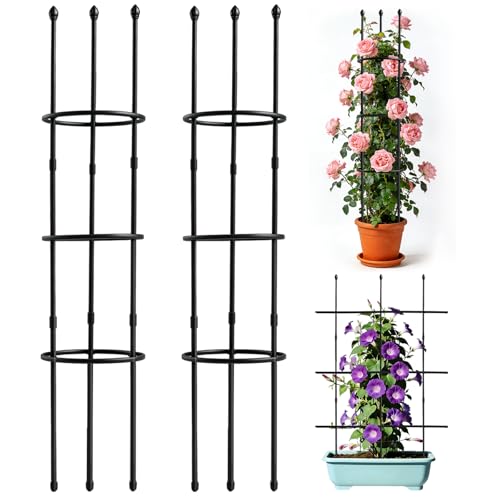
【Two Installation Methods】Our garden trellis can be configured into two types of plant trellis (panel stands and plant cages). You can also combine two or more panels together to form a larger plant stand panel or plant cage. Adjustable plant supports can meet your different plant support needs.

4pack Fiberglass Material Raspberry Cross Stake System with Adjustable Cross-bars, Height Adjustable

Heavy Duty Metal Trellis, Stability for All Climbing Plants: Crafted with 0.6mm thick stainless steel and a 0.63-inch reinforced center pole, this garden trellis for climbing plants outdoor is built to last. It stands firm through wind and rain, providing season-long support for pole beans, snap peas, tomatoes, cucumbers, and flowering vines like bougainvillea and morning glory.
Best Time to Plant
Plant thornless blackberries in late winter or early spring when the soil is workable but not overly wet. This timing allows the plants to establish themselves before the growing season kicks in fully.
- Prepare the Soil: Choose a sunny location with well-draining soil. Ensure the pH level is between 5.5 and 7.0 by amending with organic matter like compost.
- Plant Selection: Purchase healthy thornless blackberry plants from a reputable nursery or garden center.
- Digging Holes: Dig holes twice as wide and deep as the plant’s root ball, spacing multiple plants at least 3 feet apart.
- Planting Process: Gently remove the plant from its container, loosen roots, and place it in the hole at ground level.
- Backfill and Water: Fill the hole with soil, tamp it down gently, and water thoroughly to help settle the soil around the roots.
- Support Structures: Install trellises or stakes near each plant to support their growth as they mature.
- Mulching: Apply a layer of mulch around each plant to retain moisture, suppress weeds, and regulate soil temperature.
Caring for Your Thornless Blackberry Plants
After planting your thornless blackberry bushes, it’s essential to maintain them properly to ensure a bountiful harvest. Here are key steps to care for your plants effectively:
Pruning and Maintenance
- Regular pruning is crucial for thornless blackberries. Trim the canes in late winter or early spring to encourage new growth and improve fruit production.
- Remove any dead or damaged canes to promote healthy plant development.
- Keep an eye out for suckers (new shoots growing from the base of the plant) and promptly remove them to prevent overcrowding.
- Monitor your plants regularly for signs of pests such as aphids, spider mites, or Japanese beetles.
- Consider using natural predators like ladybugs or lacewings to control pest populations without harsh chemicals.
- To prevent diseases like powdery mildew, ensure good air circulation around your plants by spacing them adequately.
By following these tips on pruning, maintenance, pest control, and disease prevention, you can help your thornless blackberry plants thrive and yield delicious fruits season after season.
Harvesting and Using Thornless Blackberries
Harvesting thornless blackberries at the right time is crucial for optimal flavor. You should pick them when they are fully ripe, which is typically indicated by their deep color and plumpness. To harvest, gently twist the berries; if they come off easily, they are ready to be picked.
When and How to Harvest
When harvesting thornless blackberries, you want to wait until they are fully ripe. This ensures that you get the best flavor from your fruits. Look for berries that are dark in color, firm to the touch, and easily come off the plant with a gentle twist. It’s recommended to harvest in the morning when the weather is cooler to retain freshness.
Tips for Storing and Using Blackberries
After harvesting your thornless blackberries, it’s essential to store them correctly for prolonged freshness. Avoid washing them until you’re ready to use them as excess moisture can lead to spoilage. Store unwashed blackberries in a single layer on a paper towel-lined tray in the refrigerator.
When using blackberries, consider various options like adding them to salads, making jams or preserves, baking pies or cobblers, or blending them into smoothies. Their versatility makes them perfect for both sweet and savory dishes. Experiment with different recipes to enjoy these delicious fruits in diverse ways.
Conclusion
Growing thornless blackberries can be a rewarding experience for any gardener. By following the tips shared in this article, you can enjoy a bountiful harvest of these delicious berries. Remember to provide the right conditions, from soil quality to sunlight exposure, and maintain proper care through pruning and pest control. Harvesting your ripe blackberries is simple – just gently twist them off the plant. Store them correctly to keep them fresh for longer, and explore various ways to use them in your culinary creations. With their versatility in both sweet and savory dishes, thornless blackberries are a delightful addition to any garden. Happy growing!
Frequently Asked Questions
Q: What are the benefits of growing thornless blackberries in your garden?
A: Thornless blackberries are safe to handle, require less space, and offer high yields compared to traditional varieties.
Q: How important is soil quality for growing thornless blackberries?
A: Optimal soil conditions with good drainage and rich in organic matter are crucial for successful growth.
Q: What care practices are essential post-planting for thornless blackberries?
A: Regular pruning, removal of dead canes and suckers, monitoring pests, using natural predators, and preventing diseases like powdery mildew are key.
Q: How should ripe thornless blackberries be harvested?
A: Gently twist ripe blackberries off the plant to avoid damaging the fruit or the plant itself.
Q: How can I store thornless blackberries after harvesting?
A: Store ripe blackberries in a single layer in the refrigerator to maintain freshness for longer periods.
Q: In what ways can thornless blackberries be used once harvested?
A: Thornless blackberries can be used in salads, jams, pies, cobblers, smoothies, and more due to their versatility in sweet and savory dishes.
