

Have you ever wanted to grow your own fruit but felt limited by space? A half standard fruit tree might be just what you need. These trees offer a perfect balance between size and productivity, making them ideal for smaller gardens or patios.
Key Takeaways
- Definition: A half standard fruit tree is a semi-dwarf variety that typically grows to 8 to 10 feet, making it ideal for small spaces.
- Space Efficiency: These trees are perfect for limited garden areas, allowing for diverse plantings without compromising access or airflow.
- Ease of Maintenance: Their manageable height facilitates simple pruning and harvesting, making them accessible for novice gardeners.
- Variety of Fruits: Available in multiple types such as apples, pears, and plums, they cater to various preferences and climate conditions.
- Growing Conditions: Half standard trees thrive in well-draining, nutrient-rich soil and require at least 6 to 8 hours of sunlight daily.
- Regular Care: Proper care, including timely pruning and pest management, is crucial for achieving healthy growth and abundant harvests.
What Is a Half Standard Fruit Tree?
A half standard fruit tree is a semi-dwarf variety. These trees reach a height of about 8 to 10 feet. This size makes them ideal for smaller gardens or patios.
You can enjoy the benefits of both aesthetics and fruit production with a half standard tree. These trees produce a good harvest without taking up too much space. They’re typically easy to manage, making them suitable for novice gardeners.
Features of Half Standard Fruit Trees
- Size: Half standard trees stand between 8 and 10 feet tall.
- Rootstock: They grow on specific rootstocks that control their height while ensuring good fruit yield.
- Variety: Many types of fruits are available, including apples, pears, and plums.
Benefits of Growing Half Standard Fruit Trees
- Space Efficiency: Perfect for limited spaces, they fit into smaller garden designs.
- Accessibility: Easier to prune and harvest due to their manageable height.
- Diverse Options: Multiple fruit varieties allow you to choose based on preference or climate suitability.
- Backyards: Incorporate them into landscaping designs for added charm.
- Patios: Consider container planting for versatility in space.
- Community Gardens: Use them to maximize fruit production in shared areas.
When selecting a half standard fruit tree, consider your climate and soil type. These factors play a significant role in successful growth. Regular upkeep, including watering and fertilizing, keeps the tree healthy.
Characteristics of Half Standard Fruit Trees
Half standard fruit trees combine manageability and productivity, making them an ideal choice for smaller spaces. They exhibit distinct features that contribute to their popularity among home gardeners.
Height and Size
Half standard fruit trees typically reach heights of 8 to 10 feet. This moderate size allows them to fit comfortably in small gardens or patios while providing adequate space for fruit growth. Their compact height also makes maintenance tasks, such as pruning and harvesting, much easier. With appropriate care, these trees can thrive and produce a substantial harvest.
Growth Habit
Half standard fruit trees usually display an upright, bushy growth habit. Their branches often spread wide, allowing for an abundant fruit set and improved air circulation, which promotes healthier foliage. This growth pattern enhances overall stability, reducing the risk of damage during extreme weather events. You can shape these trees easily through regular pruning, allowing for personalized aesthetics and optimal fruit production.
Benefits of Half Standard Fruit Trees
Half standard fruit trees offer distinct advantages for gardeners with limited space. Their compact size and robust nature support fruitful yields, making them a wise choice for aspiring fruit growers.
Recommended Products

Not available in CA
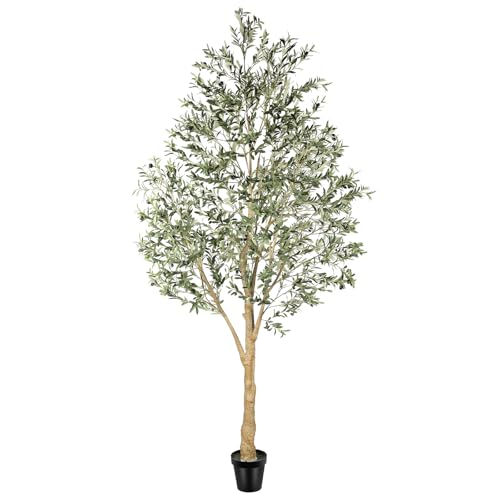
【Realistic & Natural Looking】Carefully designed leaf details and textures, with every vein and contour precisely replicated to mirror the natural foliage.The weathered bark features lifelike crevices, bumps, and color variations.Together, these elements combine to create an olive tree that looks so genuine, adds a nice touch to your space

1 Guanabana Soursop Tree Live Plant, 6-10" Tall, Sweet Soursop Plant Live, Half Gallon Pot, Tropical Soursop Fruit Tree. No ship to CA
Space Efficiency
Half standard fruit trees typically reach heights of 8 to 10 feet, fitting seamlessly into small gardens or patios. Their upright growth reduces the horizontal spread, allowing you to maximize planting areas. You can arrange multiple trees in tight spaces without compromising access or airflow. For instance, you might grow several varieties of apples alongside pears without feeling overcrowded. This space efficiency lets you cultivate a diverse fruit garden even in urban settings.
Ease of Harvesting
Harvesting fruit from half standard trees remains simple and efficient. Their moderate height allows you to reach branches with minimal effort, making it easy to pick ripe fruit. You can prune and maintain these trees without needing ladders, streamlining the care process. For example, you might harvest plums in the late summer without straining your back or risking injury. The ease of harvesting also encourages regular checks, ensuring you gather fruit at the perfect ripeness and enjoy a fresh, homegrown taste.
Growing Conditions for Half Standard Fruit Trees
Half standard fruit trees thrive in specific conditions that support their growth and productivity. Understanding these needs helps ensure a healthy and fruitful garden.
Recommended Products

Down to Earth Fruit Tree is a five pound box of all natural fertilizer with 6-2-4 formula and is listed by the Organic Materials Review Institute (OMRI) for use in organic production

Enriched with Organic Fertilizer – This lemon tree fertilizer provides nutrients for up to 6 months, so your citrus trees stay healthy and productive with minimal upkeep.

Made For Potted Citrus Trees: Our citrus potting soil mix is made for potted lemon, lime, orange and other citrus trees that need a lighter growing medium for repotting. We double-screen all of our raw ingredients to support a cleaner, more consistent texture for pouring and repotting potted citrus trees.
Soil Requirements
Half standard fruit trees prefer well-draining soil rich in organic matter. Aim for loamy or sandy loam types, which provide nutrients while allowing excess water to drain. A soil pH between 6.0 and 7.0 supports optimal growth. Before planting, test your soil and amend it as needed. Adding compost or well-rotted manure enhances soil fertility. For example, mixing organic matter into the planting hole boosts root development and improves moisture retention.
Sunlight and Water Needs
Full sun exposure is crucial for half standard fruit trees, so choose a location that receives at least 6 to 8 hours of direct sunlight daily. Sunlight encourages healthy fruit production and promotes flowering. Adequate watering throughout the growing season keeps your trees hydrated. Water them deeply once a week during dry spells, ensuring the soil remains moist but not waterlogged. Use mulch around the base to retain moisture and suppress weeds. For instance, applying a 2 to 3-inch layer of organic mulch can provide these benefits while enhancing soil quality.
Tips for Care and Maintenance
Maintaining your half standard fruit tree ensures healthy growth and a bountiful harvest. Focus on proper pruning and managing pests and diseases to keep your tree thriving.
Recommended Products

LONG-LASTING SHARPNESS: Japanese SK5 bypass blade with titanium coating is tested through 5,000 cuts to maintain a sharp edge and deliver clean, consistent cuts on live stems and branches

What Makes VT-C800 Unique? Jam-Proof Sealed Spring | Ever-Sharp Dual-Coated SK5 Blades | Easy Thumb Lock | Backed by Lifetime Support

DUAL CUTTING POWER: VERSATILE PRUNING COMBO --- With both Pruning Shears and Pruning Snip, this combo delivers unmatched versatility. Whether you're delicately trimming flowers and shrubs, tackling thicker tree branches, or tending to your vegetable and fruit garden, our combo pack excels in all areas. They're also perfect for landscaping projects and maintaining the health and appearance of indoor plants. With this pack, you have a versatile tool that simplifies your gardening tasks.
Pruning Techniques
Pruning helps shape the tree and encourages better fruit production. Follow these steps for effective pruning:
- Timing Matters: Prune in late winter or early spring before new growth starts. This timing minimizes sap loss and encourages vigorous spring growth.
- Remove Dead Wood: Look for any dead, damaged, or diseased branches and cut them away. This promotes airflow and prevents disease spread.
- Thin Out Branches: Aim for a balanced structure by removing crowded branches. Space branches well to improve light penetration, enhancing fruit quality.
- Shorten Long Branches: Trim back excessively long branches to maintain the desired height. This keeps your tree manageable and simplifies harvesting.
- Promote Open Canopy: Create an open center to allow sunlight into the tree. This increases fruit production and helps reduce disease risk.
Pest and Disease Management
Effective pest and disease management protects your fruit tree’s health. Implement these strategies:
- Regular Inspections: Examine your tree weekly for signs of pests or diseases. Look for discolored leaves, unusual spots, or holes on the fruit.
- Encourage Beneficial Insects: Attract ladybugs and lacewings by planting companion plants like marigolds or dill. These insects help control aphids and other pests.
- Use Organic Solutions: Apply neem oil or insecticidal soap to treat infestations. These options are effective and minimize harm to beneficial organisms.
- Maintain Cleanliness: Clear fallen fruit and debris around the base of your tree. This prevents pests from finding a cozy home and reduces disease spread.
- Monitor for Common Issues: Be vigilant against common threats, such as brown rot or aphids. Early detection and treatment can save your fruit and tree health.
By focusing on these care and maintenance tips, you’ll enhance the health and productivity of your half standard fruit trees. Regular attention helps you enjoy fresh fruits from your garden.
Conclusion
Growing half standard fruit trees can be a rewarding experience for any gardener. Their manageable size and impressive productivity make them perfect for small spaces. You can enjoy the beauty of these trees while reaping the benefits of fresh fruit right from your own backyard or patio.
With a little care and attention, you’ll find that these trees not only enhance your landscape but also provide a delightful harvest. So whether you’re a seasoned gardener or just starting out, half standard fruit trees are a fantastic choice to bring a touch of nature into your life. Happy gardening!
Frequently Asked Questions
What are half standard fruit trees?
Half standard fruit trees are semi-dwarf varieties that grow to about 8 to 10 feet tall. They are ideal for small spaces and provide a good balance between size and fruit production, making them suitable for novice gardeners and those with limited planting areas.
What fruits can be grown on half standard trees?
Half standard fruit trees can yield a variety of fruits, including apples, pears, and plums. Their diverse options allow gardeners to select fruits that suit their taste and local climate, contributing to a richer backyard harvest.
How do half standard fruit trees benefit small gardens?
These trees maximize space efficiency, allowing multiple varieties to be planted closely without sacrificing access or airflow. Their compact size and upright growth habit enable productive fruit gardens in tight urban settings, making them perfect for small backyards and patios.
What are the ideal growing conditions for half standard fruit trees?
Half standard fruit trees thrive in well-draining soil rich in organic matter, ideally with a pH between 6.0 and 7.0. They require full sunlight, needing at least 6 to 8 hours of direct exposure daily, along with adequate watering and regular maintenance for optimal growth.
How should I care for my half standard fruit trees?
Care for half standard fruit trees involves regular watering, fertilizing, and effective pruning. Inspecting for pests and maintaining cleanliness around the tree are crucial. Proper pruning techniques help improve air circulation and sunlight exposure, promoting healthy growth and fruit production.
Can I grow half standard fruit trees in containers?
Yes, half standard fruit trees are suitable for container gardening! Their compact size allows for easy placement on patios or balconies, making them an excellent choice for urban gardeners wanting to enjoy fresh fruits without requiring much space.
How do I maintain soil health for my fruit trees?
To maintain soil health, regularly test the soil pH and enrich it with organic matter like compost. Mulching helps retain moisture and suppress weeds, while deep watering weekly during dry spells ensures roots receive adequate nutrients for thriving fruit production.
When is the best time to prune half standard fruit trees?
The best time to prune half standard fruit trees is during late winter or early spring, before new growth begins. This timing helps to remove any dead or damaged wood, promote an open canopy, and enhance fruit set for the upcoming season.
