

Wondering when it’s the right time to spray your fruit trees? You’re not alone. Many gardeners face the challenge of protecting their trees from pests and diseases while trying to ensure a bountiful harvest. Timing is everything, and knowing when to apply treatments can make all the difference.
Key Takeaways
- Timing is Crucial: Spray fruit trees before bud break, during flowering, and after harvest to effectively control pests and diseases.
- Recognize Common Threats: Be vigilant for pests like aphids and codling moths, and diseases such as powdery mildew that can compromise tree health.
- Choose Appropriate Treatments: Utilize organic options like neem oil and insecticidal soaps, or synthetic chemicals when infestations exceed economic thresholds.
- Application Techniques Matter: Use the right equipment and apply treatments evenly on all plant surfaces, and follow weather guidelines to optimize efficacy.
- Regular Inspections and Record Keeping: Monitor trees weekly for signs of issues and keep a log of treatments to refine future spraying strategies.
- Promote Healthy Practices: Ensure robust tree health through proper care, which enhances resistance to pests and diseases, contributing to a successful harvest.
Understanding Pest and Disease Control
Effective pest and disease control requires attention to timing, type of treatment, and understanding common threats to your fruit trees.
Recommended Products
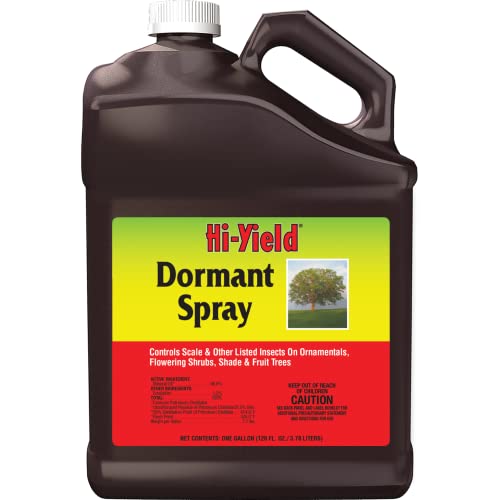
Controls a number of insects including Mites, Leaf Rollers, Armyworms and more. See label for more.
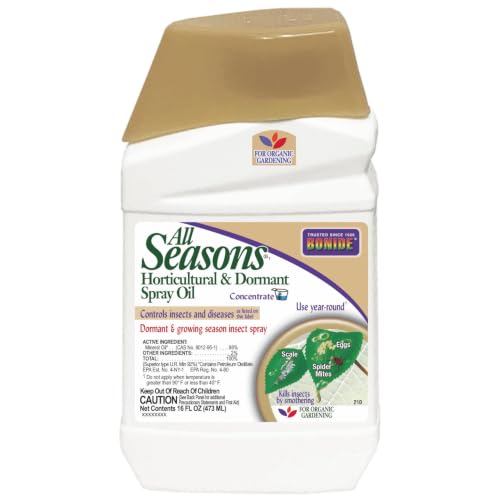
Control insects & diseases in your home garden with All Seasons Horticultural & Dormant Spray Oil Concentrate; use year-round to control listed insects and diseases

USE YEAR ROUND - Our 3-in-1 product provides year-round protection against insects, mites, and diseases. Can be used at the dormant stage, green tip stage, delayed dormant stage, and during the growing season to prevent pest infestations and disease.
Identifying Common Pests and Diseases
- Aphids: Small, soft-bodied insects that suck sap from leaves. You can spot them by the sticky residue they leave behind.
- Codling Moths: These pests burrow into fruit, causing damage. Look for small holes in apples and pears.
- Powdery Mildew: A white fungal growth on leaves. This disease often occurs in warm, dry conditions.
Timing for Spraying
- Before Bud Break: Spray dormant oil during late winter or early spring. This stage targets pests hiding in bark.
- During Flowering: Monitor trees closely. If pests appear, use targeted insecticides to protect blooms.
- After Harvest: Apply fungicides to prevent diseases and promote tree health before winter.
Choosing the Right Treatments
- Organic Options: Neem oil and insecticidal soaps provide effective pest control with minimal side effects.
- Synthetic Chemicals: Use these when pests exceed economic thresholds. Always follow label instructions for safe application.
- Biological Controls: Introduce beneficial insects, like ladybugs, to manage pest populations naturally.
Application Techniques
- Use Proper Equipment: A backpack sprayer or handheld nozzle provides better coverage than a garden hose.
- Apply Evenly: Ensure you coat both upper and lower leaf surfaces. A thorough application enhances effectiveness.
- Follow Weather Guidelines: Avoid spraying on windy or rainy days to prevent drift and wash-off.
- Regular Inspections: Check your trees weekly for signs of pests and diseases. Early detection aids in managing problems.
- Record Keeping: Maintain a log of treatments applied and their effectiveness. This data can guide future decisions.
- Healthy Practices: Encourage robust tree health through proper watering, fertilization, and pruning. Strong trees are less susceptible to pests and diseases.
By understanding these elements, you can effectively protect your fruit trees from pests and diseases, ensuring a thriving garden.
Essential Timing for Spraying
Timing plays a crucial role in effectively spraying your fruit trees for optimal pest and disease control. Knowing when to apply treatments can significantly impact your harvest’s health and yield.
Seasonal Considerations
Spring and fall are the most critical seasons for spraying fruit trees. During spring, aim for treatments before bud break and during flowering to protect against pests and diseases. Fall sprays target late-season issues, prepping trees for winter dormancy. Consider local weather patterns, as wet conditions can increase disease pressure. Monitor forecasted rain when planning your treatments, since rain can wash away sprays and reduce their effectiveness.
Specific Growth Stages
Understanding your trees’ growth stages helps in selecting the right treatments. Apply dormant oil late winter to control overwintering pests and diseases before buds open. During the flowering stage, use targeted insecticides to combat pests like aphids and codling moths while safeguarding pollinators. For diseases like powdery mildew, fungicides can be effective after the fruit sets, generally in late spring or early summer. Record these stages each year to refine your timing for future seasons.
Types of Spraying Products
Choosing the right spraying product for your fruit trees can significantly impact their health and productivity. Here’s a detailed overview of the types of options available.
Recommended Products
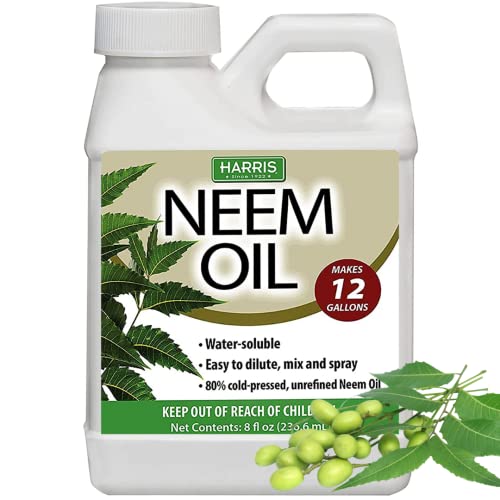
Cold-Pressed Neem Oil is a potent natural solution, ideal for maintaining healthy plants

FUNGAL DISEASE CONTROL: Prevents and controls black spot on roses, powdery mildew, rust, downy mildew, and other listed fungal diseases when applied on a 7–14 day schedule
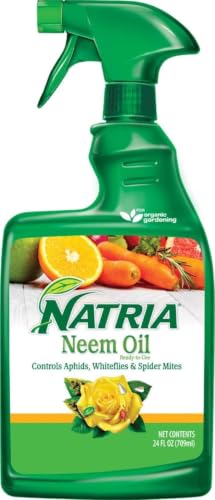
PLANT DISEASE CONTROL: Natria Neem Oil acts as an insecticide and fungicide in one convenient spray; Ready-to-use trigger sprayer requires no mixing
Organic vs. Chemical Options
Organic products focus on natural ingredients and generally pose less risk to beneficial organisms. Examples include:
- Neem Oil: Effective against aphids and mites, neem oil disrupts insect life cycles.
- Horticultural Oil: This oil smothers insects and their eggs without harming plants.
- Insecticidal Soaps: Ideal for soft-bodied insects, insecticidal soaps are safe for most beneficial insects when applied correctly.
Chemical options, while effective for severe infestations, require careful handling. Products include:
- Pyrethroids: Fast-acting pesticides that target a wide range of pests but must be applied with caution to prevent harm to non-target species.
- Systemic Insecticides: These are absorbed by plants and can provide longer protection against pests like beetles and borers.
Recommended Products for Common Issues
You can address various common issues with specific products tailored for fruit trees:
| Issue | Recommended Product |
|---|---|
| Aphids | Neem oil or insecticidal soap |
| Codling moths | Spinosad or pyrethroids |
| Powdery mildew | Sulfur-based fungicides |
| Brown rot | Copper fungicides or neem oil |
| Canker lesions | Copper fungicide or biological controls |
Always read product labels for proper application instructions and safety guidelines. Each product may have specific usage conditions depending on tree species and local regulations.
Best Practices for Spraying
Applying treatments effectively protects your fruit trees from pests and diseases. Understanding the best practices helps ensure that your spraying efforts yield the best results.
Application Techniques
- Choose the Right Equipment: Use a backpack sprayer or a garden sprayer for smaller trees. For larger trees, consider a tractor-mounted sprayer. Ensure your tools are clean and functioning properly.
- Spray in Ideal Conditions: Aim to spray on calm, dry days. Avoid windy weather to prevent drift and wash-off, and choose early morning or late afternoon for minimal sun exposure.
- Cover Thoroughly: Apply treatments to both the tops and undersides of leaves, stems, and branches. This comprehensive coverage maximizes contact with pests and diseases.
- Follow Recommended Rates: Always adhere to product instructions for dilution and application rates. Overconcentration may damage trees, while underdosing reduces effectiveness.
- Practice Rotation: Alternate between different types of sprays (natural and synthetic). This practice prevents pests from developing resistance and keeps your trees healthier.
- Wear Protective Gear: Equip yourself with gloves, goggles, and masks. Protecting your skin and lungs reduces exposure to harmful chemicals.
- Read Labels Carefully: Always review the product label for specific instructions, safety warnings, and first aid information. Understanding application guidelines ensures safe and effective use.
- Keep Children and Pets Away: Ensure children and pets stay indoors during and shortly after spraying. This precaution helps prevent accidental exposure to chemicals.
- Store Products Safely: Keep all spraying products in their original containers, away from heat and sunlight. A locked storage area provides additional safety.
- Dispose of Waste Properly: Dispose of empty containers and leftover solutions according to local regulations. Responsible disposal minimizes environmental impact.
Implementing these best practices for spraying fruit trees leads to healthier, more resilient trees and a bountiful harvest.
Conclusion
Timing is everything when it comes to caring for your fruit trees. By understanding the right moments to spray and the products to use you can protect your trees from pests and diseases effectively. Remember to pay attention to local weather conditions and your trees’ growth stages to fine-tune your approach.
Regular inspections and maintaining a record of treatments will help you make informed decisions in the future. With a little effort and attention you can ensure your fruit trees thrive and produce bountiful harvests season after season. Happy gardening!
Frequently Asked Questions
Why is timing important when spraying fruit trees?
Timing is crucial for effective pest and disease control in fruit trees. Applying treatments at the right moment—like before bud break for dormant oil and during flowering for insecticides—ensures better protection, leading to a healthier harvest.
What are the common threats to fruit trees?
Common threats to fruit trees include pests like aphids and codling moths, as well as diseases such as powdery mildew. Understanding these threats helps in selecting the appropriate treatment strategies for managing them.
When should I apply dormant oil on my fruit trees?
Dormant oil should be applied before bud break in early spring. This treatment helps control overwintering pests and prevents the spread of diseases, promoting the overall health of the tree.
Are there organic options for treating fruit tree pests?
Yes, organic options like neem oil, horticultural oil, and insecticidal soaps effectively combat common pests while being safer for beneficial organisms. They are great choices for gardeners seeking more natural pest control methods.
What is the best time of year to spray fruit trees?
Spring and fall are the critical seasons for spraying. In spring, apply treatments before bud break and during flowering, while in fall, late-season sprays prepare trees for winter and enhance their resilience.
How can weather affect my spraying schedule?
Weather plays a vital role; rain can wash away treatments, reducing their effectiveness. It’s essential to monitor local weather patterns to choose optimal days for spraying to avoid losing your efforts.
What types of spraying equipment should I use?
Using the right equipment, like backpack or tractor-mounted sprayers, ensures thorough application. Also, consider spraying during calm, dry days in the early morning or late afternoon for best results.
How can I prevent pest resistance to treatments?
To prevent pest resistance, it’s crucial to rotate between different types of sprays. This practice helps maintain the effectiveness of treatments over time, ensuring continued success in pest management.
What precautions should I take when spraying?
When spraying, wear protective gear, keep children and pets away, and read product labels for safety guidelines. Proper disposal of waste is also important to protect the environment and public health.
