Close Menu
    Fruit Tree Hub
    • Home
    • Apple Trees
    • Lemon Trees
    • Mango Trees
    • Orange Trees
    • More Trees
      • Best Fruit Trees
      • Apricot Trees
      • Cherry Trees
      • Fig Trees
      • Lime Trees
      • Mulberry Trees
      • Peach Trees
      • Pear Trees
      • Plum Trees
      • Pomegranate Trees
    • Tips and Advice
      • Tools
    • About Us
      • Contact
      • Privacy Policy
    Fruit Tree Hub
    Home»Tips and Advice»How Much Water for New Fruit Trees: Essential Tips for Healthy Growth and Thriving Plants
    Tips and Advice

    How Much Water for New Fruit Trees: Essential Tips for Healthy Growth and Thriving Plants

    Martha JacksonBy Martha JacksonNovember 14, 20248 Mins Read
    Share Facebook Twitter Pinterest WhatsApp Email
    Share
    Facebook Twitter LinkedIn Pinterest Telegram Email

    Wondering how much water your new fruit trees really need? You’re not alone. Many new gardeners struggle with finding the right balance—too little water can stunt growth while too much can drown roots.

    Contents show
    1 Key Takeaways
    2 Factors Influencing Water Needs
    2.1 Tree Variety
    2.2 Climate Conditions
    2.3 Soil Type
    3 Best Practices for Watering New Fruit Trees
    3.1 Watering Frequency
    3.2 Watering Techniques
    4 Signs of Underwatering and Overwatering
    4.1 Identifying Stress Symptoms
    5 Common Mistakes to Avoid
    5.1 Overwatering
    5.2 Neglecting Soil Moisture
    6 Conclusion
    7 Frequently Asked Questions
    7.1 What should I consider when watering new fruit trees?
    7.2 How often should I water newly planted fruit trees?
    7.3 What are the signs of underwatering for fruit trees?
    7.4 How can I tell if my fruit trees are overwatered?
    7.5 What are the best practices for watering fruit trees?
    7.6 How does soil type affect watering fruit trees?
    7.7 What common mistakes should I avoid when watering fruit trees?

    Picture this: you’ve just planted your fruit trees, and you want to give them the best start possible. Watering them correctly is crucial for their health and future harvests. This article will guide you through the essentials of watering your new trees, helping you avoid common pitfalls and ensuring they thrive in your garden. You’ll learn practical tips that save you time and effort while nurturing your fruit trees to their full potential.

    Key Takeaways

    • Understand Water Requirements: Different fruit tree varieties have unique water needs; research your specific type to provide adequate hydration.
    • Monitor Climate and Soil: Be aware of local climate conditions and the type of soil you have, as these factors influence how much and how often to water.
    • Watering Frequency Matters: New fruit trees require weekly watering, with adjustments during hot spells; mature trees need less frequent watering based on seasonal shifts.
    • Use Effective Watering Techniques: Implement deep watering practices, utilizing soaker hoses or drip irrigation to promote healthy root growth without waterlogging the soil.
    • Identify Stress Symptoms: Learn to recognize signs of underwatering (e.g., curling leaves) and overwatering (e.g., yellow leaves) to make timely adjustments.
    • Avoid Common Mistakes: Prevent overwatering and neglect of soil moisture by regularly checking soil conditions and using mulch to retain moisture effectively.
    MUST READ
    How Long Do Citrus Trees Produce Fruit: Maximize Your Orchard's Yield Over the Years

    Factors Influencing Water Needs

    Several key factors affect how much water your new fruit trees require. Understanding these aspects helps you provide the right amount of water throughout the growing season.

    Recommended Products

    XLUX Long Probe Plant Soil Moisture Meter, Indoor Outdoor use, Battery-Free
    XLUX Long Probe Plant Soil Moisture Meter, Indoor Outdoor use, Battery-Free

    Accurate Soil Moisture Detection: The XLUX Soil Moisture Meter can tell you if the soil deep inside your pot or garden is dry, moist or wet; whereas your eyes and fingers can only determine the moisture level of the soil surface. The probe is 5.5 inches (14 cm) longer than regular styles, allowing it to measure the soil moisture at the bottom of larger and deeper flower pots.

    VIEW LATEST PRICE

    As an affiliate, we earn on qualifying purchases.

    XLUX 2 Pack Long Probe Plant Soil Moisture Meter, Battery-Free
    XLUX 2 Pack Long Probe Plant Soil Moisture Meter, Battery-Free

    Accurate Soil Moisture Detection: The XLUX Soil Moisture Meter can tell you if the soil deep inside your pot or garden is dry, moist or wet; whereas your eyes and fingers can only determine the moisture level of the soil surface. The probe is 5.5 inches (14 cm) longer than regular styles, allowing it to measure the soil moisture at the bottom of larger and deeper flower pots.

    VIEW LATEST PRICE

    As an affiliate, we earn on qualifying purchases.

    YAMRON 4-in-1 Soil Moisture Meter Digital Plant for Outdoor Plants
    YAMRON 4-in-1 Soil Moisture Meter Digital Plant for Outdoor Plants

    【4 in 1 function】This is a 4-in-1 multifunctional soil tester.Our soil tester fastly to measure soil moisture, pH, temperature and sunlight to help you take better care of flowers and plants.You can know when you need to water your soil by measuring moisture and pH & Temperature value of the soil and sunlight level of plants with it.

    VIEW LATEST PRICE

    As an affiliate, we earn on qualifying purchases.

    Tree Variety

    Different fruit trees have varying water needs. For example, apple trees may require about 1 inch of water per week, while peach trees might need more due to their larger fruit. Research your specific tree variety to determine its water requirements. Also, consider its age; younger trees often need more frequent watering than established ones.

    MUST READ
    How Many Years Does a Mango Tree Bear Fruit and What to Expect for Maximum Yields

    Climate Conditions

    Climate plays a significant role in the water demands of your trees. In hot, dry climates, your trees may need watering several times a week. Conversely, in cooler, wetter areas, watering sessions might only be necessary every two weeks. Always monitor rainfall and temperature fluctuations to adjust your watering schedule appropriately.

    Soil Type

    Soil type greatly influences how quickly water drains and retains moisture. Sandy soils drain quickly, often requiring more frequent watering. Clay soils retain moisture longer, which can lead to over-watering issues. Test your soil to determine its type and adjust your watering practices based on that information. For example, sandy soils might benefit from deeper, less frequent waterings, while clay soils may need lighter, more regular applications.

    Best Practices for Watering New Fruit Trees

    Watering new fruit trees requires attention to details to ensure their healthy growth. Follow these best practices to optimize watering.

    Watering Frequency

    Water young fruit trees once a week during dry spells. Increase frequency to every few days when temperatures exceed 85°F. Monitor soil moisture by digging a few inches down; if it’s dry at that depth, it’s time to water. Trees often need more water during their first summer, as they’re establishing their root systems.

    For mature trees, adjust the watering frequency based on rainfall and seasonal changes. In spring and summer, water every 10 to 14 days under normal conditions. Reduce frequency during fall and winter when trees go dormant.

    Watering Techniques

    Use deep watering methods to encourage deep root growth. Aim for 10 to 12 inches of water per tree each session. A slow, deep soak at the base is ideal. You can employ the following techniques:

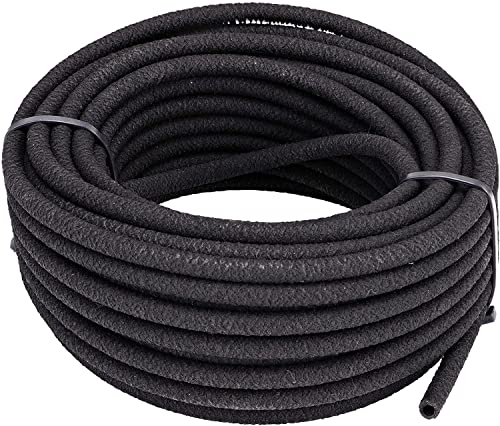
    • Soaker Hoses: Lay soaker hoses around the tree’s drip line for even water distribution without runoff.
    • Drip Irrigation: Invest in a drip irrigation system for precise, efficient watering directly to the roots.
    • Watering Can: Use a watering can for smaller trees or when applying fertilizers mixed with water.

    Water in the early morning or late afternoon. Avoid watering in the heat of the day to prevent evaporation. Always water at the base, not foliage, to minimize disease risk. Consider mulching around the base to retain soil moisture and reduce evaporation.

    MUST READ
    What Fruit Trees Like Acidic Soil: Essential Tips for Thriving Growth and Abundant Harvests

    By maintaining proper watering practices, you’ll set the foundation for healthy, thriving fruit trees.

    Signs of Underwatering and Overwatering

    Recognizing the signs of underwatering and overwatering is essential for the health of your new fruit trees. Both scenarios can impede growth and lead to tree stress.

    Recommended Products

    High-Flow Tree Irrigation System, 15FT 12mm Hose & 2Pcs 6.5FT Adjustable Nozzles, for Tree Roots & Canopies Irrigation, Leaf & Fruit Cleaning, Ideal for Fruit Trees & Ornamental Trees
    High-Flow Tree Irrigation System, 15FT 12mm Hose & 2Pcs 6.5FT Adjustable Nozzles, for Tree Roots & Canopies Irrigation, Leaf & Fruit Cleaning, Ideal for Fruit Trees & Ornamental Trees

    【INNOVATIVE 2-IN-1 TREE CLEANING & ROOT WATERING SYSTEM】 This unique 6.5FT spray pipe system is specially designed to spray water directly onto fruits, leaves, and delicate ornamental trees, helping remove dust, pollen, and surface residue. The falling water then naturally soaks into the soil, providing efficient root irrigation at the same time

    VIEW LATEST PRICE

    As an affiliate, we earn on qualifying purchases.

    Rain Bird DRIPKITBAG Drip Irrigation Kit
    Rain Bird DRIPKITBAG Drip Irrigation Kit

    Convenient and portable storage kit contains 102 professional grade universal Drip irrigation parts

    VIEW LATEST PRICE

    As an affiliate, we earn on qualifying purchases.

    ZZM 360°Tree Water System Tree Watering Ring Circle Sprinkler and Irrigation System Targeted Water with Y Hose Splitter for New Tree Outdoor Plants Raised Garden Beds Shrubs (Small)
    ZZM 360°Tree Water System Tree Watering Ring Circle Sprinkler and Irrigation System Targeted Water with Y Hose Splitter for New Tree Outdoor Plants Raised Garden Beds Shrubs (Small)

    【Specially Designed for Trees and Shrubs】 The Watering Ring is a multi-purpose irrigation ring that attaches to a garden hose to efficiently water young trees shrubs vegetables or flower beds using drip or trickle irrigation.It directs water to the root perimeter of the plant to give them a good start during the first two growing seasons or through periods of drought.

    VIEW LATEST PRICE

    As an affiliate, we earn on qualifying purchases.

    Identifying Stress Symptoms

    1. Underwatering Symptoms
    • Leaves curl or droop.
    • Soil feels dry several inches down.
    • Branches appear brittle or dry.
    • Fruit drop occurs before maturity.
    1. Overwatering Symptoms
    • Leaves turn yellow and become mushy.
    • Soil remains consistently wet or soggy.
    • Roots may become black or rotten.
    • Mold or fungus appears on the soil surface.

    Catch these symptoms early to make necessary adjustments for your fruit trees’ health.

    1. Addressing Underwatering
    MUST READ
    How Often Should I Fertilize My Fruit Trees for Optimal Growth and Maximum Yield
    • Increase watering frequency, especially during hot days.
    • Use a soaker hose or drip irrigation for consistent moisture.
    • Mulch around the base to retain soil moisture.
    1. Addressing Overwatering
    • Adjust watering schedule based on rainfall patterns.
    • Ensure proper drainage; consider planting in raised beds if needed.
    • Remove mulch temporarily to allow soil to dry out.

    Implementing these strategies promotes a healthy balance of moisture for thriving fruit trees.

    Common Mistakes to Avoid

    Avoiding common mistakes can significantly improve the growth of your new fruit trees. Here are two key areas to focus on:

    Overwatering

    Overwatering is a frequent issue for new gardeners. It leads to waterlogged soil, depriving roots of oxygen and promoting root rot. To prevent this, check the soil moisture before watering. Stick your finger into the soil up to two inches deep. If it feels damp, skip the watering. Adjust your schedule based on recent rainfall, and remember that younger trees may need more frequent checks.

    Use proper watering techniques. Deep watering encourages root growth, so water slowly and thoroughly, allowing moisture to reach deeper soil layers. Consider using a soaker hose or drip irrigation to maintain consistent moisture without overdoing it.

    Neglecting Soil Moisture

    Neglecting soil moisture levels can hinder your fruit trees’ development. Regularly monitor soil moisture, especially during dry periods. Test moisture levels frequently—don’t just rely on rainfall.

    Apply mulch around your trees to improve moisture retention. Organic mulch, like wood chips or straw, helps retain soil moisture and regulates temperature. Just ensure mulch doesn’t touch the tree trunk to prevent rot. Adjust your watering habits according to seasonal changes, and remember that different soil types—like sandy or clay soils—absorb and retain water differently.

    Conclusion

    Getting the watering right for your new fruit trees is key to their success. By understanding their specific needs and the factors that affect those needs you can set them up for a fruitful future. Remember to adjust your watering habits based on the weather and soil conditions and keep an eye out for signs of stress.

    With a little attention and care your trees will thrive and reward you with delicious fruits for years to come. Happy gardening!

    MUST READ
    Why Apple Tree Not Fruiting: Common Causes and Solutions for a Bountiful Harvest

    Frequently Asked Questions

    What should I consider when watering new fruit trees?

    When watering new fruit trees, consider tree variety, climate, and soil type. Different species have varying needs; younger trees usually require more frequent watering. Additionally, hot, dry climates necessitate more water than cooler, wetter regions. Soil type affects drainage and retention, influencing how often you need to water.

    How often should I water newly planted fruit trees?

    Newly planted fruit trees should be watered once a week during dry spells. In hot weather, increase the watering frequency. Mature trees require adjustments based on rainfall and seasonal changes. Aim for deep watering to encourage healthy root growth.

    What are the signs of underwatering for fruit trees?

    Signs of underwatering include curled or drooping leaves, dry soil several inches deep, brittle branches, and premature fruit drop. If you notice these symptoms, check your watering habits to ensure your trees receive adequate moisture.

    How can I tell if my fruit trees are overwatered?

    Overwatering symptoms include yellowing and mushy leaves, consistently wet soil, black or rotten roots, and mold on the soil surface. If you observe these signs, reduce your watering frequency and check for proper drainage.

    What are the best practices for watering fruit trees?

    Best practices include watering early in the morning or late afternoon to reduce evaporation, using deep watering methods like soaker hoses or drip irrigation, and applying mulch to retain soil moisture. Always adjust your watering schedule based on seasonal changes.

    How does soil type affect watering fruit trees?

    Soil type greatly influences watering needs. Sandy soils drain quickly and often require more frequent watering, while clay soils retain moisture but can lead to overwatering. Knowing your soil type helps you tailor your watering practices for optimal tree health.

    What common mistakes should I avoid when watering fruit trees?

    Common mistakes include overwatering and failing to check soil moisture before watering. Overwatering can lead to root rot, while neglecting soil checks may hinder growth. Always monitor moisture levels and apply mulching techniques properly to support healthy development.

    Share. Facebook Twitter Pinterest LinkedIn Tumblr Email
    martha jackson
    Martha Jackson

      Martha Jackson is an accomplished freelance writer and editor with a strong interest in gardening. With a degree in English from the University of California, Berkeley, Martha has over 15 years of experience writing for a variety of publications. She is passionate about making gardening accessible to all and is always seeking out new techniques and innovations.

      Related Posts

      How Long Until Avocado Trees Bear Fruit and Tips for Faster Growth at Home

      February 20, 2025

      What Yellow Fruit Grows on Trees and Their Delicious Health Benefits

      February 20, 2025

      How to Air Layer Fruit Trees: A Step-by-Step Guide for Successful Propagation

      February 20, 2025

      When Do Grapefruit Trees Produce Fruit and How to Maximize Your Harvest

      February 20, 2025

      What Is a Fast Growing Fruit Tree: Discover Quick-Yield Options for Your Garden

      February 20, 2025

      Do Cherry Blossom Trees Have Fruit? Discover the Truth About Their Edibility and Benefits

      February 20, 2025
      Leave A Reply Cancel Reply

      Affiliate Disclosure

      As an Amazon Associate I earn from qualifying purchases.

      Recommended Reading

      Unveiling the Mysteries of What is a Grapefruit Tree: Growing Tips, Benefits, and Health Advantages

      Why is My Papaya Tree Not Fruiting: Top Reasons and Solutions for Thriving Trees

      How Tall Do Fruit Trees Grow and What You Need to Know Before Planting

      What Soil Is Good for Fruit Trees: Tips for Healthy Growth and Abundant Harvests

      What Is the Fastest Fruit Bearing Tree and How to Grow It for Quick Harvests

      How Long for Coconut Tree to Fruit: Key Factors That Influence Fruiting Time

      Growing Kiwi in Florida: Tips for Successful Cultivation in Tropical Climate

      Olive Trees in Kentucky: Bluegrass Region Climate Analysis

      What is Chilling Hours in Fruit Trees and Why They Are Essential for Healthy Yields

      Are Orange Trees Supposed To Lose Their Leaves

      Fruit Tree Hub

      Fruit Tree Hub is a website dedicated to providing you everything you need to grow fruit trees successfully at in your own yard.

      Contact us at: [email protected]

      - AFFILIATE DISCLOSURE: As an Amazon Associate I earn from qualifying purchases.

      Latest Posts

      21 Colorful Halloween Crochet Motifs Featuring Pumpkins Bats and Black Cats

      23 Smart Halloween Crochet Ideas to Sell as Keychains and Coasters

      22 Fun Halloween Crochet Ideas Built Around Treat Bags and Hats

      23 Adorable Halloween Amigurumi Ideas Featuring Ghosts and Black Cats

      22 Compact Halloween Crochet Decorations for Shelves and Small Spaces

      19 Practical Halloween Crochet Decorations Designed for Tabletop Displays

      24 Cozy Halloween Crochet Decor Ideas Built Around Mantel Garlands

      19 Playful Kawaii Halloween Crochet Ideas Featuring Smiling Spooky Characters

      Categories
      • Almond Trees
      • Apple Trees
      • Apricot Trees
      • Best Fruit Trees
      • Blackberry
      • Cantaloupe
      • Cherry Trees
      • Crochet Ideas
      • Crochet Ideas for Beginners
      • Cucamelon
      • Easy Crochet Ideas
      • Easy Knitting Projects
      • Fall Crochet Ideas
      • Fig Trees
      • Grapefruit Trees
      • Grapes
      • Guava Trees
      • Halloween Crochet Ideas
      • Honeydew
      • Jujube Trees
      • Kiwi
      • Knitting For Beginners
      • Knitting Ideas
      • Knitting Inspiration
      • Lemon Trees
      • Lime Trees
      • Loquat Trees
      • Mango Trees
      • Mulberry Trees
      • Nectarine Trees
      • Olive Trees
      • Orange Trees
      • Papaya Trees
      • Peach Trees
      • Pear Trees
      • Persimmon Trees
      • Planting
      • Plum Trees
      • Pomegranate Trees
      • Quince Trees
      • Raspberry
      • Reviews
      • Small Crochet Ideas
      • Star Fruit Trees
      • Summer Crochet Ideas
      • Tamarind Trees
      • Tangerine Trees
      • Tips and Advice
      • Tools
      • Uncategorized
      • Walnut Trees
      © 2026 Fruit Tree Hub
      • Home
      • About Us
      • Contact
      • Privacy Policy
      • Terms and Conditions
      • Disclaimer
      • Editorial Policy
      • Affiliate Disclosure

      Type above and press Enter to search. Press Esc to cancel.