

Have you ever dreamed of plucking sweet, juicy grapes right from your backyard? Picture this: basking in the warm sun, surrounded by lush grapevines heavy with fruit. But maybe you’re not sure where to start or how to turn that dream into a reality. That’s where we come in.
Imagine the satisfaction of nurturing your own grape tree, from planting the first vine to harvesting clusters of delicious grapes. In this article, we’ll guide you through the simple steps and essential tips for successfully growing grape trees in your own garden. You’ll discover how easy and rewarding it can be to cultivate these delectable fruits right at home.
Key Takeaways
- Choosing the Right Grape Variety: Select grape varieties that match your local climate and soil conditions for a successful harvest.
- Preparing the Site and Soil: Test soil pH, amend as needed, and ensure optimal conditions for healthy grape tree growth.
- Planting Grapevines: Plant grapevines in late winter or early spring when dormant, in a sunny location with proper support systems.
- Caring for Grapevines: Maintain regular watering, develop a fertilization strategy, practice proper pruning and training techniques for optimal growth.
- Managing Pests and Diseases: Be proactive in inspecting grapevines for pests, encourage natural predators, and implement preventive measures against diseases.
- Harvesting Grapes: Identify signs of ripeness like color change and taste to harvest grapes at peak ripeness; handle clusters gently using appropriate tools.
Choosing the Right Grape Variety
When it comes to growing grapes, selecting the right grape variety is crucial for a successful harvest. Here’s how you can make the best choice:
Recommended Products

Quick, at home results for Soil pH, Nitrogen, Phosphorous and Potash Innovative and inexpensive soil test kit features an easy-to-use capsule system and patented color comparators

Kindly NOTE: This soil tester can not be applied to test pH value of any other liquid. If the soil is too dry the indicator will not move, and water it before testing.

KNOW BEFORE YOU GROW | Grow the healthiest, sustainable lawn and garden with the most accurate and easy to use professional soil test kit on the market
Climate Considerations
In choosing the right grape variety, consider your local climate. Grapes thrive in specific climates, so it’s essential to match the variety with your region’s conditions. For example, if you live in a cooler climate, opt for varieties like Riesling or Pinot Noir that do well in those conditions. In contrast, warmer regions are suitable for varieties such as Cabernet Sauvignon or Merlot.
Soil Requirements
Understanding your soil is key to selecting the ideal grape variety. Different grape varieties have specific soil preferences for optimal growth and fruit production. For instance, sandy soils are ideal for varieties like Grenache, while clay soils suit varieties like Malbec. Conduct a soil test to determine its composition and acidity levels before choosing a grape variety that thrives in those conditions.
By considering your climate and understanding your soil composition, you can confidently choose the right grape variety that will flourish in your garden and yield delicious fruits at harvest time.
Preparing the Site and Soil
When growing grapevines, preparing the site and soil is crucial for their successful development. Here are essential steps to ensure your grape trees thrive:
Testing Soil pH
Before planting your grapevines, it’s important to test the soil pH. You can easily do this with a soil testing kit available at garden centers or by sending a sample to a local agricultural extension office. Most grape varieties prefer slightly acidic soil with a pH level between 6.0 and 7.0.
Amending Soil
Once you determine your soil’s pH, you may need to amend it to create an optimal environment for grape growth. Adding organic matter like compost can improve soil structure and fertility. Additionally, if your soil is too acidic, you can raise the pH by incorporating lime; conversely, sulfur can lower the pH if it’s too alkaline.
By testing and amending your soil as needed, you’ll provide your grapevines with the best possible start for healthy growth and abundant fruit production.
Planting Grapevines
When it comes to planting grapevines, timing is crucial. You want to ensure you plant them at the right time for optimal growth. Here’s what you need to know:
Best Time to Plant
Plant your grapevines in late winter or early spring when they are dormant. This period allows the plants to establish their root systems before the growing season begins. Avoid planting during extreme weather conditions like frost or excessive heat, as this can stress the vines.
- Choose the Right Location: Select a sunny spot with well-drained soil for your grapevines. Ensure there’s good air circulation around the plants to prevent diseases.
- Prepare the Soil: Dig a hole twice as wide and deep as the root ball of your vine. Mix in organic matter like compost to improve soil fertility.
- Planting Depth: Place the vine in the hole, spreading out its roots carefully. The graft union should be just above ground level.
- Backfill and Water: Fill in the hole with soil, gently firming it around the plant. Water thoroughly after planting to help settle the soil and hydrate the roots.
- Support System: Install a trellis or support system at planting time to provide structure for your vines as they grow.
Caring for Grapevines
When it comes to caring for your grapevines, there are several key aspects to consider to ensure healthy growth and bountiful harvests. Let’s dive into the essential practices that will help you nurture your grapevines effectively.
Recommended Products

LONG-LASTING SHARPNESS: Japanese SK5 bypass blade with titanium coating is tested through 5,000 cuts to maintain a sharp edge and deliver clean, consistent cuts on live stems and branches

DUAL CUTTING POWER: VERSATILE PRUNING COMBO --- With both Pruning Shears and Pruning Snip, this combo delivers unmatched versatility. Whether you're delicately trimming flowers and shrubs, tackling thicker tree branches, or tending to your vegetable and fruit garden, our combo pack excels in all areas. They're also perfect for landscaping projects and maintaining the health and appearance of indoor plants. With this pack, you have a versatile tool that simplifies your gardening tasks.
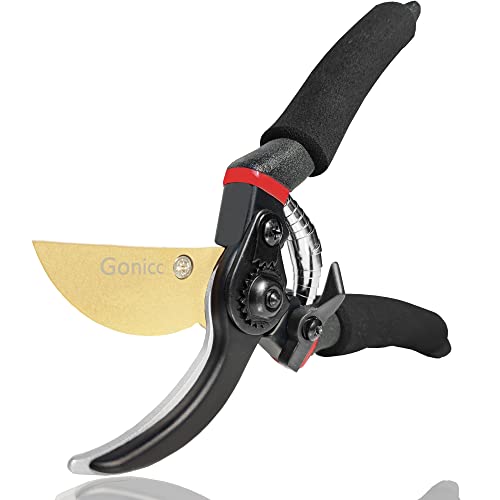
Drop-forged construction delivers exceptional durability and sturdiness for long-term heavy garden use.
Watering Requirements
Watering is crucial for grapevines, especially during their growing season. To meet their water needs adequately:
- Regular Watering: Ensure your grapevines receive about 1 inch of water per week, either through rainfall or manual watering.
- Deep Watering: Water deeply but infrequently to encourage deep root growth and drought tolerance.
- Avoid Overwatering: Be mindful not to overwater as excess moisture can lead to root rot and other issues.
Fertilization Strategy
Feeding your grapevines with the right nutrients is essential for healthy growth and fruit production. Here’s how you can develop an effective fertilization strategy:
- Soil Testing: Conduct soil tests to determine nutrient deficiencies and pH levels before applying fertilizers.
- Balanced Fertilizer: Use a balanced fertilizer specifically formulated for fruit-bearing plants like grapes.
- Timing Matters: Apply fertilizers in early spring before new growth appears and avoid late-season fertilization that can affect fruit quality.
Pruning and Training
Proper pruning and training are vital practices that influence vine structure, airflow, sunlight exposure, and fruit quality. Follow these guidelines when pruning your grapevines:
- Annual Pruning: Prune your grapevines annually during dormancy to remove old wood, shape the vines, and promote new growth.
- Training Techniques: Choose a suitable training system like spur or cane pruning based on the grape variety and trellis type.
- Thinning Clusters: Thin out excess grape clusters to improve air circulation around the remaining fruits and prevent diseases.
By following these watering, fertilization, pruning, and training practices diligently, you’ll set your grapevines up for success by providing them with optimal care throughout their growing seasons.
Managing Pests and Diseases
Pests and diseases can pose a threat to your grapevines, affecting their growth and fruit production. By being proactive in managing these challenges, you can ensure the health and vitality of your grape tree.
Recommended Products

FUNGAL DISEASE CONTROL: Prevents and controls black spot on roses, powdery mildew, rust, downy mildew, and other listed fungal diseases when applied on a 7–14 day schedule

FOR ORGANIC GARDENING - Captain Jack's NeemMax is a perfect pest control solution for any garden dealing with mites, flies, mildew, and more. This product is a four-in-one insecticide, fungicide, miticide, and nematicide.

EASY TO USE: The ready-to-use indoor bug spray bottle makes application easy
Common Grapevine Pests
Grapevine pests can include insects like aphids, spider mites, and grape berry moths. These pests feed on the leaves or fruits of the grapevines, potentially causing damage if left unchecked. To address pest infestations:
- Inspect Regularly: Check your grapevines routinely for any signs of pest activity.
- Natural Predators: Encourage natural predators like ladybugs that feed on common vineyard pests.
- Organic Sprays: Use organic insecticidal soaps or neem oil to control pest populations without harming beneficial insects.
Preventing Diseases
Diseases such as powdery mildew, downy mildew, and black rot can impact grapevine health. Implement preventive measures to safeguard your plants from diseases:
- Pruning Practices: Prune vines to improve air circulation and reduce moisture around the plant, minimizing disease risks.
- Sanitation: Keep the area around your grapevines clean by removing fallen leaves or debris that may harbor disease-causing pathogens.
- Fungicide Applications: Apply fungicides preventatively during key growth stages to protect against common fungal diseases.
By staying vigilant against pests and diseases through proactive management strategies, you can promote robust growth in your grape tree and enjoy bountiful harvests.
Harvesting Grapes
Harvesting grapes is an exciting time that requires careful observation to ensure the fruits are picked at their peak ripeness. Here’s how you can identify when it’s time to harvest your grapevines and the best techniques to do so effectively.
Signs of Ripeness
To determine if your grapes are ready for harvesting, look for these key signs of ripeness:
- Color Change: Most varieties will change color as they ripen. For example, red grapes turn from green to red or purple when ripe.
- Texture: The skin should feel slightly soft but still firm, indicating maturity.
- Taste: Sample a few grapes to check for sweetness. Fully ripe grapes will be sweet with balanced acidity.
- Seeds: Brown seeds suggest maturity, while green seeds indicate underripeness.
Harvest Techniques
When it comes to harvesting your grapes, follow these tips for a successful harvest:
- Timing: Harvest early in the day when temperatures are cooler to preserve the fruit’s quality.
- Gentle Handling: Treat the clusters delicately to avoid damaging the berries and vines.
- Tools: Use sharp pruning shears or scissors to cut the grape clusters carefully from the vine.
- Bunch Selection: Pick entire bunches rather than individual berries for efficiency.
Conclusion
Growing grapevines can be a rewarding experience that yields delicious fruits if you follow the right techniques. By prioritizing soil health, proper planting, attentive care, and timely harvesting, you set yourself up for success in cultivating thriving grapevines. Remember to maintain a sunny environment with well-drained soil and provide the necessary support structures for your vines to flourish. Pay close attention to signs of ripeness during harvest time and handle the grapes gently for optimal results. Regular watering, fertilization, pruning, and pest management are key aspects of maintaining healthy grapevines. With dedication and these best practices in place, you’ll enjoy bountiful harvests and robust vine growth year after year. Happy growing!
Frequently Asked Questions
How should I prepare the soil for planting grapevines?
To prepare the soil for planting grapevines, test the pH level, aim for well-drained soil in a sunny location, and add organic matter like compost.
What are some key tips for harvesting grapes?
Key tips for harvesting grapes include monitoring signs of ripeness like color change and taste, timing the harvest correctly, handling grapes gently, using appropriate tools, and selecting bunches carefully.
How can I care for grapevines to ensure optimal growth?
To ensure optimal growth of grapevines, water consistently but avoid overwatering, fertilize appropriately based on plant needs, prune to promote vine health and fruit production, train vines along support systems like trellises.
How can I prevent pests and diseases in my grapevines?
Prevent pests and diseases in grapevines by conducting regular inspections for early detection, encouraging natural predators like beneficial insects or birds in the garden. Use organic sprays when necessary and practice good pruning techniques to maintain vine health.
