

Have you ever planted a tree, eagerly waiting for it to bear fruit, only to find yourself counting the years? If you’re curious about which trees take the longest to reward your patience, you’re in the right place. Understanding the growth timelines of fruit trees can help you make informed choices for your garden or orchard.
In this article, you’ll discover the tree species that require the most time to produce fruit. Knowing this can save you time and effort, ensuring you plant varieties that fit your gardening goals. Whether you’re a seasoned gardener or just starting out, this information will help you cultivate a fruitful landscape that meets your expectations.
Key Takeaways
- Longest Fruit-Bearing Trees: Durian and olive trees are among the longest fruit-bearing trees, taking between 5 to 12 years to produce fruit.
- Growth Influencers: The time it takes for a fruit tree to bear fruit is affected by factors like genetics, climate, soil quality, and proper care practices.
- Quick-Growing Alternatives: For faster results, consider trees like apple, cherry, and mango, which typically produce fruit in 3 to 6 years.
- Soil and Care Importance: Planting in nutrient-rich, well-draining soil and providing regular care, such as proper watering and pruning, significantly aids in fruit production.
- Species Variability: Different fruit tree species come with varying timelines; research your chosen species to set realistic expectations for fruit yields.
- Patience Is Key: Investing in long-maturing trees like durians or olives can lead to substantial rewards but requires significant patience from growers.
Understanding Fruit-Bearing Trees
Fruit-bearing trees operate on varying timelines when it comes to producing fruit. Many factors, including the species, growing conditions, and care, play crucial roles in their productivity.
Growth Timeline
Typically, fruit trees can take anywhere from a few years to several decades to bear fruit. Here’s a breakdown of common trees and their fruit-bearing timelines:
| Tree Species | Years to Bear Fruit |
|---|---|
| Apple | 3-5 |
| Pear | 4-6 |
| Cherry | 4-7 |
| Mango | 3-6 |
| Pomegranate | 2-3 |
| Durian | 5-8 |
| Olive | 5-12 |
| Jackfruit | 3-4 |
| Cashew | 3-5 |
| Bamboo | 3-6 |
Longest-Bearing Trees
Among fruit trees, the durian and olive trees often take the longest to produce fruit, with timelines ranging from 5 to 12 years. Their unique growth requirements and slow maturing processes demand patience from growers.
Influencing Factors
Several factors can influence the time it takes for a tree to bear fruit:
- Genetics: Specific fruit tree varieties may inherently take longer to mature.
- Climate: Favorable weather conditions enable quicker growth.
- Soil Type: Nutrient-rich soil supports faster development.
- Watering and Fertilization: Proper care accelerates fruit production.
Selecting the Right Tree
When choosing a fruit tree, consider your patience level and environment. If you prefer quicker results, select species like apple or cherry. If you’re interested in long-term investment, try olives or durians.
Growing Tips
To optimize fruit production:
- Choose Healthy Seeds or Seedlings: Start with strong specimens for better growth.
- Use Quality Soil: Ensure soil drains well and contains ample nutrients.
- Water Regularly: Keep the soil moist but not waterlogged.
- Prune Wisely: Regular pruning encourages healthy growth.
Being informed about fruit-bearing trees allows you to make choices that suit your gardening aspirations. Understanding the timelines and care will lead to fruitful decisions in your garden or orchard.
Factors Affecting Time to Bear Fruit
Several factors influence how long it takes for fruit trees to begin producing fruit. Understanding these elements can help you make informed decisions about which trees to plant.
Recommended Products

Accurate Soil pH Testing: Dewildetradingco Soil pH Test Strips offer measurements of soil pH levels (pH 3.5-9). As an essential tool for every gardener and grower, these test strips help determine the optimal pH for various plants, such as outdoor plants, indoor plants, gardens, grass lawns, fruit trees, flowers, vegetables, and forest shrubs.

Kindly NOTE: This soil tester can not be applied to test pH value of any other liquid. If the soil is too dry the indicator will not move, and water it before testing.

KNOW BEFORE YOU GROW | Grow the healthiest, sustainable lawn and garden with the most accurate and easy to use professional soil test kit on the market
Climate Considerations
Climate plays a significant role in fruit production. Most fruit trees thrive in specific temperature ranges and weather conditions. For instance, tropical fruits like durian require warm temperatures year-round, while deciduous trees, such as apple trees, need a cold winter for dormancy. Poor climate conditions can delay fruiting or inhibit production altogether.
Soil Quality
Soil quality directly affects tree health and fruit yield. Nutrient-rich, well-draining soil promotes strong root systems, which contribute to timely fruit production. Soil pH also matters; for example, blueberries prefer acidic soil, while most other fruit trees thrive in slightly acidic to neutral soil. Testing your soil before planting can help you make necessary amendments.
Tree Species Variability
Different species of fruit trees come with varying timelines for fruit bearing. Some trees, like cherry and apple, typically produce fruit within 3 to 5 years. In contrast, trees like olives and walnuts can take over a decade to mature fully. Researching the specific timelines for the species you’re interested in can help you align your expectations with their natural growth patterns.
By considering these factors, you can choose the right trees for your garden or orchard and enhance your chances of a fruitful harvest.
The Longest Fruit-Bearing Trees
Some fruit trees take years before you’ll see any sign of fruit. Understanding which species fall into this category can help you plan your garden effectively.
Recommended Products


BEGINNER-FRIENDLY & EASY TO GROW – Perfect for first-time bonsai growers, simple planting and care instructions

Suitable for various USDA Hardiness Zones (3-8), making it adaptable to different climates and regions.
Overview of Notable Species
Notable species of fruit trees known for their long wait times include:
- Olive Trees: These trees typically take 5 to 12 years before they bear fruit, depending on the variety and growing conditions.
- Durian Trees: Known as the “king of fruits,” they often take 8 to 10 years to start producing.
- Pecan Trees: Usually need 6 to 10 years to produce their first nuts.
- Mango Trees: Can take 3 to 6 years, though some varieties may take longer depending on care and environment.
- Walnut Trees: Expect a waiting period of 5 to 7 years before yielding nuts.
These trees require patience, but they can offer substantial rewards when ready for harvest.
Case Study: The Durian Tree
The durian tree stands out for its extended growth period. It typically takes 8 to 10 years to produce fruit, with some trees delaying even longer under suboptimal conditions. Known for its strong aroma and unique taste, the durian is often cultivated in tropical regions.
Factors influencing the growth of durian trees include climate and soil. They thrive in warm, humid environments with well-draining, fertile soil. Regular care, such as proper watering and fertilization, ensures healthy development and fruiting.
To cultivate a successful durian tree, consider the following tips:
- Choose the Right Variety: Select a durian variety suited to your local climate.
- Plant in Full Sunlight: Ensure the tree gets plenty of sunlight, which is crucial for fruit development.
- Monitor Soil Conditions: Conduct soil tests to ensure nutrient levels are adequate.
- Provide Regular Care: Water adequately, especially during dry spells, and consider organic fertilizers for improved growth.
By understanding and implementing these practices, you’ll maximize your chances of enjoying this prized fruit in the future.
Comparisons with Other Fruit Trees
Choosing the right fruit tree for your garden involves comparing different species, especially based on how quickly they produce fruit. Here’s a closer look at various options, focusing on the fastest growing varieties and average timeframes for common trees.
Recommended Products
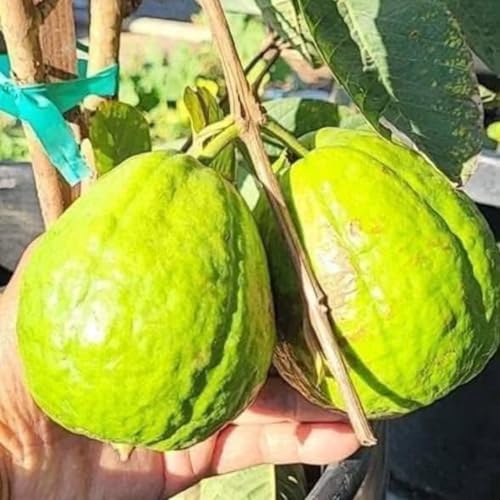
Sweet White Guava Tree Live Plant, 8-10" in Tall Tropical Fruit Tree, Zones 9-11 for Outdoor Indoor Planting


HEALTHY LIVE STARTER PLANT: Receive one 4-to-8-inch tall soursop (Guanabana) starter tree. Each plant is carefully nurtured, well-rooted, and ready to thrive in its new home.
Fastest Growing Fruit Trees
Some fruit trees stand out for their short maturation period. Consider these speedy options:
- Fig Trees: Typically bear fruit within 2 to 3 years. They thrive in warm climates and produce sweet fruits.
- Peach Trees: Yield fruit in about 3 to 4 years. They flourish in temperate regions and provide juicy peaches.
- Cherry Trees: Often produce cherries within 3 to 5 years. They require good care and suitable climates for optimal growth.
- Apple Trees: Depending on the variety, they can bear fruit in 3 to 5 years. They adapt well to various climates.
These trees offer quicker results for those who prefer faster harvests and provide enough variety to suit different tastes.
Average Timeframes for Common Trees
Understanding the average timeframes for fruit-bearing trees helps set realistic expectations. Here are some common trees and their timelines:
| Tree Species | Average Time to Bear Fruit |
|---|---|
| Olive Trees | 5 to 12 years |
| Durian Trees | 8 to 10 years |
| Pecan Trees | 6 to 10 years |
| Mango Trees | 3 to 6 years |
| Walnut Trees | 5 to 7 years |
Timelines vary significantly based on species and local conditions. Recognizing these average times is crucial for planning your garden efficiently.
By comparing the options and understanding growth periods, you can make informed choices for your fruit tree selections. This knowledge helps you align your gardening goals with your patience level and the climate in your area.
Conclusion
Choosing the right fruit tree for your garden can be a rewarding journey. If you’re up for a little patience you might find joy in nurturing trees like olives or durians that take longer to bear fruit.
Remember that the waiting period can be influenced by various factors like climate and soil quality. By understanding these elements you can create the best environment for your trees to thrive.
So whether you opt for a long-term investment or a quicker harvest you’re setting yourself up for a fruitful experience in your gardening adventure. Happy planting!
Frequently Asked Questions
What fruit trees take the longest to bear fruit?
Some fruit trees that take the longest to bear fruit include olive trees (5 to 12 years) and durian trees (8 to 10 years). Other slow-producing trees are pecan trees (6 to 10 years) and walnut trees (5 to 7 years).
How long does it take for a mango tree to produce fruit?
Mango trees usually start bearing fruit within 3 to 6 years after planting. This timeline can vary based on the specific variety and growing conditions.
What factors influence how quickly a fruit tree produces fruit?
Factors impacting fruit production include the species of the tree, climate conditions, soil quality, and care practices such as watering and pruning.
Are there quicker options for growing fruit trees?
Yes, quicker options include fig trees (2 to 3 years), peach trees (3 to 4 years), and cherry or apple trees (3 to 5 years). These varieties can provide faster harvests for impatient gardeners.
How can I optimize fruit production in my trees?
To optimize fruit production, choose healthy seedlings, use nutrient-rich, well-draining soil, water regularly, and prune wisely to encourage growth and fruiting.
