

Do you often find your raspberries going bad too quickly in the fridge? Picture this: You buy a fresh punnet of juicy raspberries, only to discover them covered in mold after just a couple of days. Frustrating, isn’t it? In this article, I’ll show you simple yet effective ways to store your raspberries in the fridge so they stay plump and delicious for longer.
By learning the proper techniques for storing raspberries, you can extend their shelf life and reduce food waste. Imagine always having a supply of fresh berries on hand for snacking or adding to your favorite dishes. With these easy tips, you’ll no longer have to deal with mushy or spoiled raspberries. Let’s dive into the best practices for keeping your berries fresh and tasty in the refrigerator.
Key Takeaways
- Proper storage is crucial for maintaining the freshness and flavor of raspberries.
- Raspberries spoil quickly due to their delicate nature and high water content when not stored correctly.
- The quality and taste of raspberries are directly impacted by how they are stored.
- Cleaning, sorting, and drying raspberries before refrigerating them can extend their shelf life.
- Storing raspberries in optimal temperature, humidity levels, and containers can keep them fresh longer.
- Using ethylene absorbers, regular checking, and gentle rotation can help prolong the freshness of raspberries.
Importance of Proper Storage for Raspberries
When it comes to raspberries, proper storage is crucial to maintain their freshness and flavor. Understanding the importance of storing raspberries correctly can help you enjoy these delicate fruits for a longer time without worrying about them spoiling quickly.
Why Raspberries Spoil Quickly
Raspberries are highly perishable fruits due to their delicate nature and high water content. When not stored properly, raspberries can spoil quickly, leading to mold growth, mushiness, and an unpleasant taste. The fragile structure of raspberries makes them susceptible to damage from moisture and airflow, accelerating their deterioration in the fridge.
The Impact of Storage on Raspberry Quality and Taste
How you store your raspberries directly affects their quality and taste. Improper storage methods can cause raspberries to lose their firmness, vibrant color, and sweet flavor. Exposure to excess moisture or ethylene gas can speed up the ripening process and lead to a shorter shelf life for your berries. By storing raspberries in optimal conditions, you can preserve their freshness, texture, and taste for a more extended period.
Remember that by following proper storage techniques for your raspberries, you can ensure they stay fresh longer, reduce food waste, and always have delicious berries on hand for snacking or cooking. Taking care in how you store your raspberries will result in tastier treats that are perfect for enjoying in various dishes or simply as a healthy snack option.
Preparing Raspberries for Storage
To ensure your raspberries stay fresh and delicious in the fridge, follow these simple steps to prepare them correctly.
Recommended Products
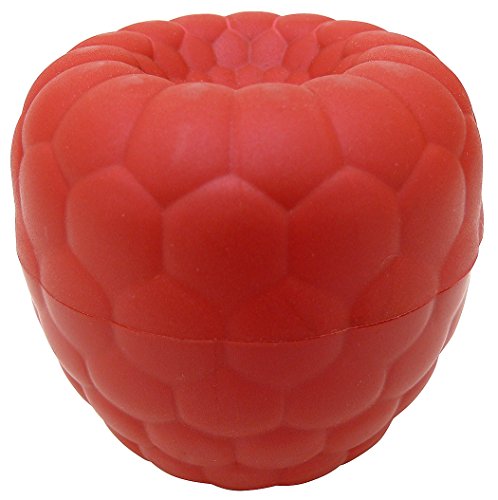
Protects delicate berries while on the go
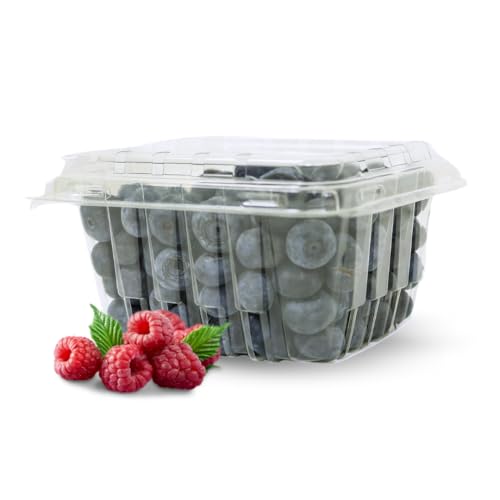
35 Pint Clamshells: Includes 35 clear plastic, pint-size containers for packing and displaying berries, tomatoes, grapes and other fresh produce.

Size & Material: 14(L)x7(W)x4(H)in. Made from polyester, lightweight. Handles Design are easy to carry and handle. The bottom is made from waterproof material, features dense small holes, ideal for bathrooms without water accumulation.
Cleaning and Sorting
Start by gently rinsing the raspberries under cold water just before you plan to store them. Avoid soaking them as excess moisture can lead to quicker spoilage. Sort through the berries and discard any that are moldy or squishy to prevent them from affecting the rest of the batch.
Drying Techniques
After washing, lay the raspberries out on a paper towel-lined tray or use a salad spinner to remove excess water. It’s essential to dry them thoroughly as any lingering moisture can accelerate decay. Once dried, transfer the raspberries to a clean, dry container lined with paper towels to absorb any residual moisture during storage.
By cleaning and drying your raspberries properly before refrigerating them, you can extend their shelf life and enjoy fresh, flavorful berries whenever you crave a healthy snack or ingredient for your favorite recipes.
How to Store Raspberries in the Fridge
When storing raspberries in the fridge, there are key factors to consider to keep them fresh and flavorful. Here’s how you can optimize their storage:
Recommended Products

Keep Berries Fresher, Longer: The ventilated, removable inner basket promotes optimal air circulation for freshness – extending the time for delicious snacking and reducing food waste

Better for different produce : You will get 4 sized fridge organizers and 4 matched colanders that could be used in the container or separate. Size from 0.32 L to 2.7 L [ 0.34 - 2.85 qt ]. Suited for berries, fruits, vegetables, meats

5 packs : You will get 5 fridge storage containers with colander size from 300 ml to 4200 ml [10 oz - 148 oz ]. Suited for Most fruits, vegetables, berries, meats.
Optimal Temperature and Humidity Levels
Store your raspberries at a temperature between 32°F to 34°F (0°C to 1°C) to maintain their freshness. Ensure the humidity levels in your refrigerator are around 90-95% to prevent the berries from drying out.
Best Containers and Wrapping Methods
Use shallow containers or clamshell packaging lined with paper towels to absorb excess moisture and prevent mold growth. Avoid washing raspberries before storing them, as moisture accelerates spoilage. Cover the container loosely with plastic wrap or a lid to allow some airflow while keeping the berries protected.
Tips to Prolong the Freshness of Raspberries
To maintain the freshness of your raspberries for longer periods, consider the following tips:
Recommended Products
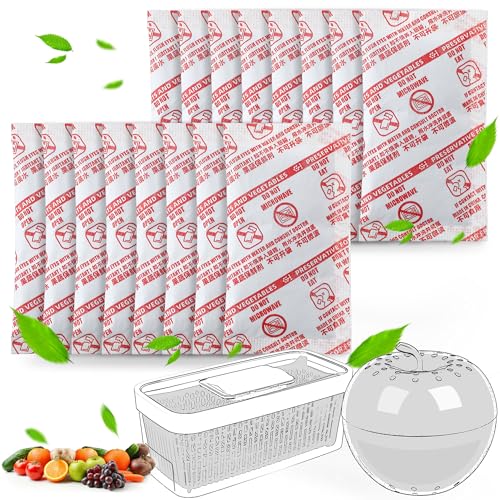
Perfect Compatibility: The ethylene gas absorber is compatible with apple shape produce freshness saver and replacement for the refill packets, for produce keeper and Crisper Inserts; Made of natural materials, you can safely use it with other fruit containers for fridge keep fresh or bags to keep food fresh
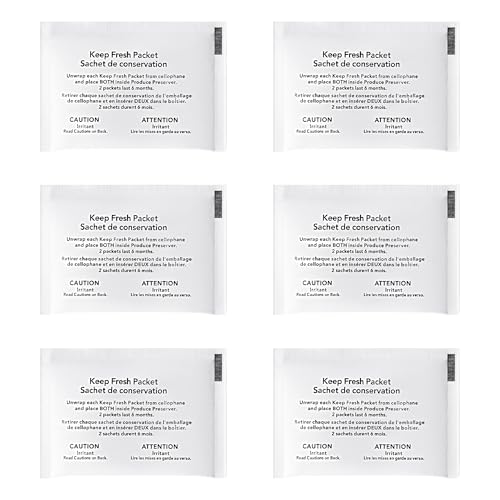
Extended Freshness – This produce preserver absorbs ethylene gas, slowing down the ripening process and keeping fruits & vegetables fresh up. Simply place the packets in your crisper drawer for optimal results.

【How to Work?】: The life of your nutritious produce by absorbing ethylene gas, which slows down the ripening process. Our ethylene gas absorber helps to keep your food fresher longer.
Usage of Ethylene Absorbers
Place ethylene absorbers in the storage container with your raspberries. Ethylene is a natural gas produced by fruits that accelerates ripening and can lead to spoilage. Using these absorbers helps slow down the ripening process, keeping your raspberries fresher for an extended time.
Regular Checking and Rotation
Regularly check your raspberry container for any signs of spoilage or mold. Remove any damaged or overripe berries promptly to prevent them from affecting others. Additionally, rotate the raspberries within the container gently to ensure even airflow and minimize pressure points that can cause bruising.
By incorporating these practices into your raspberry storage routine, you can prolong their freshness and enjoy delicious berries whenever you’re ready to indulge.
Conclusion
You’ve learned the key steps to store raspberries properly in the fridge, ensuring they stay fresh and delicious for longer. By following these guidelines, you can maintain their quality, taste, and firmness while preserving their vibrant color and flavor. Remember to clean, sort, and dry your raspberries before refrigerating them at the ideal temperature range of 32°F to 34°F (0°C to 1°C) with a humidity level of 90-95%. Incorporate new tips like using ethylene absorbers and regularly checking for spoilage to extend the lifespan of your berries. With these simple practices, you can savor mouthwatering raspberries that are perfect for snacking or adding a burst of flavor to your favorite dishes.
Frequently Asked Questions
How can I store raspberries to keep them fresh for longer?
To keep raspberries fresh, clean and dry them thoroughly before storing. Place them in a single layer on a paper towel-lined container, cover with a lid, and refrigerate at 32°F to 34°F (0°C to 1°C) with 90-95% humidity.
Why is proper raspberry storage important?
Proper storage helps maintain raspberry quality by preserving their taste, firmness, color, and flavor. Raspberries are prone to mold and mushiness due to their high water content, so correct storage techniques are essential.
What additional tips can help prolong the freshness of raspberries?
Use ethylene absorbers in the fridge to slow down ripening. Regularly check for spoilage, remove damaged berries promptly, and gently rotate raspberries for even airflow within the container.
