
Close Menu
    Fruit Tree Hub
    • Home
    • Apple Trees
    • Lemon Trees
    • Mango Trees
    • Orange Trees
    • More Trees
      • Best Fruit Trees
      • Apricot Trees
      • Cherry Trees
      • Fig Trees
      • Lime Trees
      • Mulberry Trees
      • Peach Trees
      • Pear Trees
      • Plum Trees
      • Pomegranate Trees
    • Tips and Advice
      • Tools
    • About Us
      • Contact
      • Privacy Policy
    Fruit Tree Hub
    Home»Planting»Growing Cherry Trees in Wisconsin (The Cold-Climate Manual)
    Planting

    Growing Cherry Trees in Wisconsin (The Cold-Climate Manual)

    Lucy SmithBy Lucy SmithNovember 15, 20255 Mins Read
    Share Facebook Twitter Pinterest WhatsApp Email
    Share
    Facebook Twitter LinkedIn Pinterest Telegram Email

    Growing cherry trees in Wisconsin requires careful selection of varieties that thrive in cold climates. Opt for hardy types like Montmorency or North Star to ensure successful fruit production despite the harsh winters.

    Contents show
    1 Best Cherry Varieties for Wisconsin’s Climate
    2 Soil Preparation for Wisconsin Cherry Trees
    3 Optimal Planting Techniques for Cherry Trees
    4 Seasonal Care for Wisconsin Cherry Trees
    5 Optimal Cherry Harvest Timing in Wisconsin
    6 Cherry Tree Challenges in Cold Climates

    Best Cherry Varieties for Wisconsin’s Climate

    Selecting the right cherry varieties is crucial for successful cultivation in Wisconsin’s unique climate. This section highlights the best options that thrive in cold temperatures, ensuring robust growth and fruitful harvests. Understanding these varieties will help gardeners and farmers make informed decisions for their cherry orchards.

    Choosing the correct cherry tree variety is crucial for successful cultivation in Wisconsin. The state’s cold winters necessitate varieties that can withstand low temperatures and produce fruit reliably. Two of the best options include:

    • Montmorency: A tart cherry ideal for pies and preserves. It is well-suited for the northern climate and offers a reliable harvest.

    • North Star: A dwarf sweet cherry that grows well in colder regions. It produces sweet, flavorful fruit and is easier to manage due to its size.

    Cherry VarietyHardiness ZoneFruit TypeGrowth Habit
    Montmorency4-7TartUpright
    North Star4-8SweetDwarf

    Soil Preparation for Wisconsin Cherry Trees

    Preparing the soil is a crucial step for successfully growing cherry trees in Wisconsin’s unique climate. The right soil conditions can significantly impact tree health, fruit production, and overall growth. This section will outline essential soil preparation techniques tailored for the specific needs of cherry trees in cold climates.

    MUST READ
    Growing Almond Trees in Jacksonville, FL: Subtropical Success

    Soil preparation is essential for healthy cherry tree growth. Ensure the soil is well-drained and rich in organic matter to support root development. Follow these steps:

    1. Test Soil pH: Aim for a pH between 6.0 and 7.

    2. Amend as needed.

    3. Add Organic Matter: Incorporate compost or well-rotted manure to improve soil structure.

    4. Ensure Drainage: If the soil retains water, consider raised beds or mounding to prevent root rot.

    Optimal Planting Techniques for Cherry Trees

    When growing cherry trees in Wisconsin, understanding optimal planting techniques is crucial for successful cultivation in a cold climate. This section outlines the best practices for planting, including timing, soil preparation, and spacing, to ensure healthy growth and fruitful yields. By following these guidelines, gardeners can maximize their chances of thriving cherry trees in challenging conditions.

    Proper planting techniques can significantly affect the health and productivity of cherry trees. Follow these guidelines for successful planting:

    • Choose a Sunny Location: Cherry trees require full sun for at least six hours daily.

    • Dig a Proper Hole: The hole should be twice as wide and as deep as the root ball.

    • Position the Tree Correctly: Ensure the graft union is above soil level to prevent rot.

    • Water Thoroughly: After planting, water the tree deeply to settle the soil.

    Recommended Products

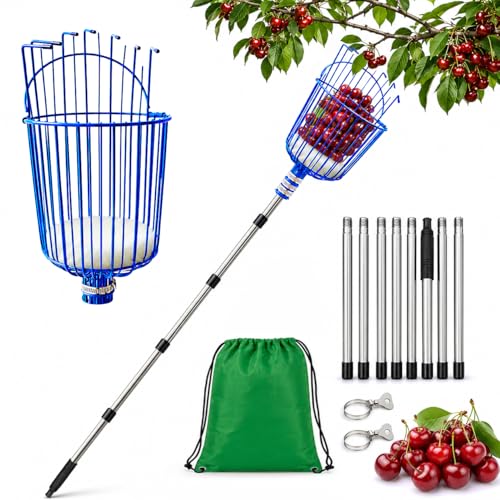
    Dreamtop Fruit Picker Pole with Rotatable Basket Telescoping - 13 FT Adjustable Pole with Soft Bag, Lightweight Stainless Steel Fruit Picking Tool for Cherry, Apple, Mango, Orange, Avocado Tree Picker
    Dreamtop Fruit Picker Pole with Rotatable Basket Telescoping - 13 FT Adjustable Pole with Soft Bag, Lightweight Stainless Steel Fruit Picking Tool for Cherry, Apple, Mango, Orange, Avocado Tree Picker

    Telescopic Pole: This fruit picker pole extends up to 13FT/4M, letting you safely harvest fruits from tall trees without ladders or climbing. The adjustable length fits different tree heights, greatly improving picking efficiency for home gardens and orchards

    MUST READ
    Growing Almond Trees in Raleigh, NC: Central Carolina Tips
    VIEW LATEST PRICE

    As an affiliate, we earn on qualifying purchases.

    Grow Your Own Mini Fruit Garden: Planting and Tending Small Fruit Trees and Berries in Gardens and Containers
    Grow Your Own Mini Fruit Garden: Planting and Tending Small Fruit Trees and Berries in Gardens and Containers
    VIEW LATEST PRICE

    As an affiliate, we earn on qualifying purchases.

    10.5FT Adjustable Cherry Fruit Picker Tool with Narrow Gaps
    10.5FT Adjustable Cherry Fruit Picker Tool with Narrow Gaps

    Narrow 0.47'' Grid Spacing Perfect for Small Fruits—Unlike common pickers with 1.2'' gaps, our fine mesh design prevents tiny fruits like cherries, plums, and apricots from slipping through. No more wasted fruit or frustration – harvest efficiently without losing your crop.

    VIEW LATEST PRICE

    As an affiliate, we earn on qualifying purchases.

    Seasonal Care for Wisconsin Cherry Trees

    Caring for cherry trees in Wisconsin requires a keen understanding of the seasonal changes that affect their growth and health. Each season presents unique challenges and opportunities for maintenance, from pruning in late winter to managing pests in summer. This section outlines the essential care practices tailored to the cold-climate conditions of Wisconsin, ensuring robust cherry tree development.

    Ongoing maintenance is vital for cherry tree health and productivity. Implement these practices throughout the year:

    • Prune Annually: Remove dead or crossing branches to promote airflow and sunlight penetration.

    • Fertilize in Spring: Use a balanced fertilizer to support growth during the active season.

    • Monitor for Pests: Regularly inspect for common pests like aphids and cherry fruit flies. Apply organic insecticides if necessary.

    Maintenance TaskFrequencyBest Time
    PruningAnnuallyLate winter
    FertilizingOnce a yearEarly spring
    Pest MonitoringMonthlyGrowing season

    Recommended Products

    Fiskars 28” Garden Bypass Loppers, Tree Trimmer with 1.5" Cut Capacity
    Fiskars 28” Garden Bypass Loppers, Tree Trimmer with 1.5" Cut Capacity

    IDEAL BRANCH TRIMMER: 28" Steel blade garden bypass lopper that glides through up to 1.5" thick branches for easy cuts; Works well for trimming tree branches to maintain your yard and garden, and to encourage overall plant health and appearance

    MUST READ
    Cherry Trees in Louisiana: Humidity and Drainage Strategies
    VIEW LATEST PRICE

    As an affiliate, we earn on qualifying purchases.

    The Beginner's Guide to Fruit Tree Pruning: Confident Cuts for Apples, Pears, Cherries, Plums, Peaches and Citrus in a Home Garden
    The Beginner's Guide to Fruit Tree Pruning: Confident Cuts for Apples, Pears, Cherries, Plums, Peaches and Citrus in a Home Garden
    VIEW LATEST PRICE

    As an affiliate, we earn on qualifying purchases.

    DECERK® 8.5" Professional Pruning Shears, Effortlessly Prunes 3/4" Branches
    DECERK® 8.5" Professional Pruning Shears, Effortlessly Prunes 3/4" Branches

    LONG-LASTING SHARPNESS: Japanese SK5 bypass blade with titanium coating is tested through 5,000 cuts to maintain a sharp edge and deliver clean, consistent cuts on live stems and branches

    VIEW LATEST PRICE

    As an affiliate, we earn on qualifying purchases.

    Optimal Cherry Harvest Timing in Wisconsin

    Understanding the optimal timing for cherry harvest in Wisconsin is crucial for maximizing yield and quality. This section delves into the specific seasonal indicators and environmental factors that influence when to pick cherries in the state’s unique climate. By following these guidelines, growers can ensure a successful harvest that meets both market demands and fruit quality standards.

    Harvesting cherries at the right time ensures optimal flavor and sweetness. Here’s how to determine when to pick:

    • Check Color: Look for deep red or dark purple hues, depending on the variety.

    • Taste Test: Sample a few cherries to assess sweetness.

    • Pick Carefully: Use scissors or shears to avoid damaging the tree. Harvest in dry conditions for the best quality.

    Cherry Tree Challenges in Cold Climates

    Growing cherry trees in Wisconsin presents unique challenges due to the region’s cold climate. From late frosts that threaten blossoms to the need for cold-hardy varieties, understanding these obstacles is crucial for successful cultivation. This section delves into the specific issues faced by cherry tree growers in colder areas and offers insights on how to overcome them.

    MUST READ
    Which Fruit Trees Grow in New Mexico? (High-Desert Success)

    Cherry trees can face several challenges, especially in colder climates. Be aware of these common problems:

    • Frost Damage: Late spring frosts can damage blossoms. Consider using frost cloths to protect blooms.

    • Diseases: Watch for signs of powdery mildew or leaf spot. Apply fungicides as needed.

    • Nutrient Deficiencies: Yellowing leaves may indicate a lack of nitrogen. Use a nitrogen-rich fertilizer to address this.

    Critical Warning: Always consult local extension services for specific pest and disease management strategies tailored to Wisconsin conditions.

    Share. Facebook Twitter Pinterest LinkedIn Tumblr Email
    lucy smith
    Lucy Smith
    • Website

    Lucy Smith is a highly experienced horticulturist with a passion for fruit tree cultivation. She holds a degree in Horticulture from the University of California, Davis, and has worked in various roles in the industry. With over 10 years of experience, Lucy is dedicated to using eco-friendly methods for sustainable gardening practices.

    Related Posts

    Can Olive Trees Grow in New Jersey? Garden State Growth Tips

    July 11, 2026

    Can Star Fruit Trees Grow in Missouri? Expert Variety Guide

    July 10, 2026

    How to Grow Jujube Trees in Las Vegas, NV: Desert Growth

    July 10, 2026

    Mango Trees in Illinois: Indoor and Greenhouse Growth Secrets

    July 10, 2026

    Growing Papaya Trees in Oklahoma: High Heat Resilience

    July 10, 2026

    Tamarind Trees in a Pot in Ohio (Complete Maintenance Manual)

    July 10, 2026
    Leave A Reply Cancel Reply

    Affiliate Disclosure

    As an Amazon Associate I earn from qualifying purchases.

    Recommended Reading

    Persimmon Trees in a Pot in New Jersey: Garden State Growth Manual

    Growing Banana Trees in Louisville, KY (River Valley Success)

    How Long Does Olive Tree Take to Fruit: Tips for Successful Growth and Fruiting Timeframes

    How Long Does an Avocado Tree Take to Grow Fruit: Key Factors for Faster Harvests

    Mastering Pole Pruner Saw Techniques: Complete Guide to Safe & Effective Use

    How to Keep Birds Out of Your Fruit Trees for Maximum Harvest Protection and Success

    Growing Banana Trees in Kansas City, MO: Regional Planting Guide

    Is Walnut Tree Pollen Allergenic

    Can Tamarind Trees Grow in San Francisco, CA? Soil Tips

    Can Avocado Trees Grow in Baltimore, MD? Urban Soil Management

    Fruit Tree Hub

    Fruit Tree Hub is a website dedicated to providing you everything you need to grow fruit trees successfully at in your own yard.

    Contact us at: [email protected]

    - AFFILIATE DISCLOSURE: As an Amazon Associate I earn from qualifying purchases.

    Latest Posts

    21 Colorful Halloween Crochet Motifs Featuring Pumpkins Bats and Black Cats

    23 Smart Halloween Crochet Ideas to Sell as Keychains and Coasters

    22 Fun Halloween Crochet Ideas Built Around Treat Bags and Hats

    23 Adorable Halloween Amigurumi Ideas Featuring Ghosts and Black Cats

    22 Compact Halloween Crochet Decorations for Shelves and Small Spaces

    19 Practical Halloween Crochet Decorations Designed for Tabletop Displays

    24 Cozy Halloween Crochet Decor Ideas Built Around Mantel Garlands

    19 Playful Kawaii Halloween Crochet Ideas Featuring Smiling Spooky Characters

    Categories
    • Almond Trees
    • Apple Trees
    • Apricot Trees
    • Best Fruit Trees
    • Blackberry
    • Cantaloupe
    • Cherry Trees
    • Crochet Ideas
    • Crochet Ideas for Beginners
    • Cucamelon
    • Easy Crochet Ideas
    • Easy Knitting Projects
    • Fall Crochet Ideas
    • Fig Trees
    • Grapefruit Trees
    • Grapes
    • Guava Trees
    • Halloween Crochet Ideas
    • Honeydew
    • Jujube Trees
    • Kiwi
    • Knitting For Beginners
    • Knitting Ideas
    • Knitting Inspiration
    • Lemon Trees
    • Lime Trees
    • Loquat Trees
    • Mango Trees
    • Mulberry Trees
    • Nectarine Trees
    • Olive Trees
    • Orange Trees
    • Papaya Trees
    • Peach Trees
    • Pear Trees
    • Persimmon Trees
    • Planting
    • Plum Trees
    • Pomegranate Trees
    • Quince Trees
    • Raspberry
    • Reviews
    • Small Crochet Ideas
    • Star Fruit Trees
    • Summer Crochet Ideas
    • Tamarind Trees
    • Tangerine Trees
    • Tips and Advice
    • Tools
    • Uncategorized
    • Walnut Trees
    © 2026 Fruit Tree Hub
    • Home
    • About Us
    • Contact
    • Privacy Policy
    • Terms and Conditions
    • Disclaimer
    • Editorial Policy
    • Affiliate Disclosure

    Type above and press Enter to search. Press Esc to cancel.