
Close Menu
    Fruit Tree Hub
    • Home
    • Apple Trees
    • Lemon Trees
    • Mango Trees
    • Orange Trees
    • More Trees
      • Best Fruit Trees
      • Apricot Trees
      • Cherry Trees
      • Fig Trees
      • Lime Trees
      • Mulberry Trees
      • Peach Trees
      • Pear Trees
      • Plum Trees
      • Pomegranate Trees
    • Tips and Advice
      • Tools
    • About Us
      • Contact
      • Privacy Policy
    Fruit Tree Hub
    Home»Tools»How to Use Bypass Lopper Safely for Efficient Garden Maintenance
    Tools

    How to Use Bypass Lopper Safely for Efficient Garden Maintenance

    Lucy SmithBy Lucy SmithApril 14, 20246 Mins Read
    Share Facebook Twitter Pinterest WhatsApp Email
    Share
    Facebook Twitter LinkedIn Pinterest Telegram Email

    Selecting the Right Bypass Lopper

    Contents show
    1 Selecting the Right Bypass Lopper
    2 Understanding the Parts of a Bypass Lopper
    3 Proper Techniques for Using a Bypass Lopper
    4 Maintaining and Caring for Your Bypass Lopper
    5 Recommended Safety Precautions when Using a Bypass Lopper
    6 Conclusion
    7 Frequently Asked Questions
    7.1 How often should I clean my bypass lopper blades?
    7.2 How frequently should I apply oil to my bypass lopper?
    7.3 When should I sharpen the blades of my bypass lopper?
    7.4 What are some safety precautions for using a bypass lopper?
    7.5 How should I store my bypass lopper?

    When it comes to choosing the right bypass lopper, consider these factors:

    • Blade Material: Opt for carbon steel blades for durability.
    • Cutting Capacity: Select a lopper that can handle the thickness of branches you typically prune.
    • Handle Length: Choose a handle length that fits your reach comfortably.

    Keep these points in mind to ensure you pick the best tool for your gardening needs.

    Understanding the Parts of a Bypass Lopper

    When it comes to using a bypass lopper, understanding its parts is key to making your gardening tasks easier and more efficient. Here are the main components you need to be familiar with:

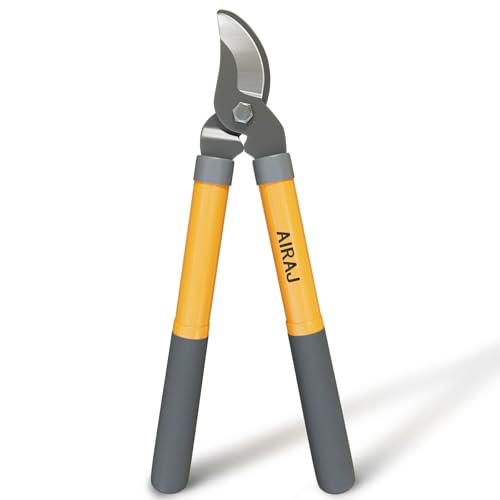
    • Blades: The blades are arguably the most important part of your bypass lopper. One blade is curved and bypasses the other, creating a scissor-like cutting action.
    • Handles: The handles provide you with the leverage you need to make clean cuts with ease. Make sure they are comfortable to grip and long enough for your reach.
    • Locking Mechanism: Many bypass loppers have a locking mechanism to keep the blades safely closed when not in use. This prevents accidents and ensures safe handling.
    • Pivot Point: The pivot point is where the blades meet and pivot during cutting. A well-designed pivot point is crucial for smooth and precise cuts.
    • Bumper or Shock Absorber: Some bypass loppers have a bumper or shock absorber near the pivot point. This feature reduces strain on your hands and arms while cutting.
    MUST READ
    Is Craftsman's 14-Foot Tree Pruner Discontinued? Find Reliable Alternatives

    Proper Techniques for Using a Bypass Lopper

    To maximize the effectiveness of your bypass lopper, it’s essential to use proper techniques. Here’s how:

    • Positioning: Stand facing your target branch with your feet shoulder-width apart for stability. Ensure a clear path for the branch to fall after cutting.
    • Hold the Lopper: Firmly grip the handles, placing one hand in the loop handle and the other on the grip handle for better control.
    • Engage the Blade: Position the blade on the branch just above the target area. Ensure the blade’s cutting edge is facing the part you want to keep.
    • Apply Pressure: With a smooth, steady motion, close the handles to engage the blade and make the cut. Avoid jerky movements to maintain precision.
    • Follow Through: Continue the cutting motion until the branch is severed cleanly. If needed, reposition the lopper to complete the cut in segments.
    • Safety First: Always wear protective gloves and eyewear when using a bypass lopper to prevent injuries from sharp branches or debris.

    Remember, mastering the proper techniques for using a bypass lopper takes practice. Start with smaller branches to build skill and confidence before tackling larger pruning tasks.

    Recommended Products

    Fiskars 28-Inch Power-Lever Garden Bypass Lopper and Tree Trimmer, Sharp Precision-Ground Steel Blade for Cutting Branches up to 1.75-Inch Diameter
    Fiskars 28-Inch Power-Lever Garden Bypass Lopper and Tree Trimmer, Sharp Precision-Ground Steel Blade for Cutting Branches up to 1.75-Inch Diameter

    IDEAL BRANCH TRIMMER: Fiskars 28-Inch Power-Lever Bypass Garden Lopper glides through branches up to 1.75" thick for easy cuts; Works well for trimming tree branches to maintain your yard and garden and encourage overall plant health and appearance
    VIEW LATEST PRICE
    MUST READ
    Optimize Your Pruning: Harnessing the Power of Echo Power Pruner Attachment with Battery Trimmer

    As an affiliate, we earn on qualifying purchases.

    Fiskars 28" Loppers for Tree Trimming, Heavy Duty, Rust-Resistant Sharp Bypass Steel Blade Loppers, Branch Cutter up to 1.5" Diameter Cut Capacity, Shock-Absorbing Handle, Garden Tools
    Fiskars 28" Loppers for Tree Trimming, Heavy Duty, Rust-Resistant Sharp Bypass Steel Blade Loppers, Branch Cutter up to 1.5" Diameter Cut Capacity, Shock-Absorbing Handle, Garden Tools

    IDEAL BRANCH TRIMMER: 28" Steel blade garden bypass lopper that glides through up to 1.5" thick branches for easy cuts; Works well for trimming tree branches to maintain your yard and garden, and to encourage overall plant health and appearance

    VIEW LATEST PRICE

    As an affiliate, we earn on qualifying purchases.

    Fiskars Bypass Lopper, Lightweight Tree Pruning Tool, Rust Resistant and Low Friction Coating, SoftGrip Handle Control with Shock-Absorbing System, 24"
    Fiskars Bypass Lopper, Lightweight Tree Pruning Tool, Rust Resistant and Low Friction Coating, SoftGrip Handle Control with Shock-Absorbing System, 24"

    IDEAL FOR PRUNING GREEN GROWTH: Bypass blade design perfect for cutting tree branches up to 1-1/2 inches

    VIEW LATEST PRICE

    As an affiliate, we earn on qualifying purchases.

    Maintaining and Caring for Your Bypass Lopper

    Taking good care of your tools prolongs their lifespan. Here are some easy tips to help maintain and ensure optimal performance of your bypass lopper:

    • Clean after each use: Wipe the blades with a cloth to remove sap and debris.
    • Apply oil regularly: Keep the blades lubricated to prevent rust and corrosion.
    • Inspect for damage: Check for loose screws, blade dullness, or any other signs of wear.
    • Sharpen the blades: Use a sharpening tool when blades start to dull for cleaner cuts.
    • Store properly: Keep your bypass lopper in a dry place to avoid rust.

    Investing a little time in caring for your bypass lopper can make a big difference in its performance and longevity.

    MUST READ
    How to Sharpen Pole Pruner Blade: Essential Maintenance Steps for Precise Tree Trimming

    Recommended Products

    Pin This Now to Remember It Later
    Pin This
    STEELHEAD Heavy-Duty 27-40" Adjustable Gear-Bypass Limb & Branch Lopper, Telescoping Extendable Handles, Ratcheting, Cuts Up to 1-3/4”, Secateurs, Shock-Absorbing, Effort-Saving, USA-Based Support
    STEELHEAD Heavy-Duty 27-40" Adjustable Gear-Bypass Limb & Branch Lopper, Telescoping Extendable Handles, Ratcheting, Cuts Up to 1-3/4”, Secateurs, Shock-Absorbing, Effort-Saving, USA-Based Support

    [COMPOUND-RATCHETING GEAR-BYPASS JAW] – Ideal for cutting back large, hard and stubborn shrubs & tress. Get up to 3x the cutting force with the ratcheting gear-bypass fulcrum. Reduces cutting effort, fatigue and shock to hands, wrists, shoulders & arms.

    VIEW LATEST PRICE

    As an affiliate, we earn on qualifying purchases.

    Tree Trimmer Loppers - Double Ratcheting Bypass Pruners - Extendable 26" - 40" Long Handles - Loppers for Tree Trimming Heavy Duty by Kings County Tools
    Tree Trimmer Loppers - Double Ratcheting Bypass Pruners - Extendable 26" - 40" Long Handles - Loppers for Tree Trimming Heavy Duty by Kings County Tools

    BYPASS LOPPERS FOR GREEN WOOD - These heavy-duty garden trimmers feature 6 pin-locked position stops and rubber grips. This style of garden cutter is designed for wet wood, great for trimming living branches and tree limbs.

    VIEW LATEST PRICE

    As an affiliate, we earn on qualifying purchases.

    Fiskars PowerGear Lopper Bypass, Hook Head (L) L78, Power Gear II system, Non-stick coating, Cutting Diameter : 5 cm, Hardened steel, Length: 70 cm, Black/Orange, 1000584
    Fiskars PowerGear Lopper Bypass, Hook Head (L) L78, Power Gear II system, Non-stick coating, Cutting Diameter : 5 cm, Hardened steel, Length: 70 cm, Black/Orange, 1000584

    Branch cutter for Fresh Wood, For tree branches, shrubs and hedges up to 5 cm in diameter, For right-and left-handed

    VIEW LATEST PRICE

    As an affiliate, we earn on qualifying purchases.

    Recommended Safety Precautions when Using a Bypass Lopper

    When it comes to using bypass loppers, your safety should always be a top priority. Follow these essential safety precautions to ensure a safe and effective lopping experience:

    • Wear protective gear: Always wear gloves and safety glasses to protect your hands and eyes from debris.
    • Mind your surroundings: Before you start cutting, check for obstacles or potential hazards in your working area.
    • Proper grip: Hold the lopper with a firm grip and maintain control throughout the cutting process.
    • Positioning: Make sure the branch is securely positioned in the jaws of the lopper before applying pressure to cut.
    • Avoid overhead cutting: Refrain from cutting branches above shoulder height to prevent accidents.
    • Use the lopper for its intended purpose: Do not use the lopper for cutting materials other than branches or shrubs to avoid damage or injury.
    • Store securely: After each use, store your lopper in a safe place out of reach of children and pets.
    MUST READ
    Enhance Your Tree Pruning: Mastering the Pole Pruner with Rope for Precision Cuts
    Safety PrecautionDescription
    Wear protective gearGloves and safety glasses protect your hands and eyes from debris.
    Mind your surroundingsCheck for obstacles or potential hazards in your working area.
    Proper gripHold the lopper with a firm grip for better control during cutting.
    PositioningSecurely position branches in the jaws of the lopper before cutting.
    Avoid overhead cuttingPrevent accidents by not cutting branches above shoulder height.
    Intended useUse the lopper only for cutting branches and shrubs to prevent damage or injury.
    Store securelyAfter use, store the lopper safely away from children and pets.

    Conclusion

    Taking care of your bypass lopper is key to its performance and durability. Remember to clean the blades, apply oil, check for damage, sharpen when necessary, and store it properly. Safety is paramount, so always wear protective gear, be mindful of your surroundings, grip securely, position branches correctly, avoid overhead cutting, use it as intended, and store it safely. By following these maintenance tips and safety precautions, you’ll ensure a smooth and accident-free lopping experience. Happy lopping!

    Frequently Asked Questions

    How often should I clean my bypass lopper blades?

    Clean the blades after each use to prevent sap buildup and maintain cutting efficiency.

    How frequently should I apply oil to my bypass lopper?

    Regularly lubricate the blades with oil to prevent rust and ensure smooth cutting.

    When should I sharpen the blades of my bypass lopper?

    Sharpen the blades whenever they start to crush stems instead of making clean cuts.

    What are some safety precautions for using a bypass lopper?

    Wear protective gear, focus on your surroundings, maintain a secure grip, position branches carefully, avoid overhead cutting, use for its intended purpose, and store safely.

    MUST READ
    How to Safely and Effectively Use a Telescopic Tree Pruner: A Step-by-Step Guide

    How should I store my bypass lopper?

    Store the lopper in a dry place to prevent rust and ensure its longevity.

    Share. Facebook Twitter Pinterest LinkedIn Tumblr Email
    lucy smith
    Lucy Smith
    • Website

    Lucy Smith is a highly experienced horticulturist with a passion for fruit tree cultivation. She holds a degree in Horticulture from the University of California, Davis, and has worked in various roles in the industry. With over 10 years of experience, Lucy is dedicated to using eco-friendly methods for sustainable gardening practices.

    Related Posts

    5 Best Cordless Pruners of 2024 – Effortless Gardening Tools Reviewed

    September 26, 2024

    The 5 Best Loppers of 2024: Pruning Made Easy and Efficient

    September 26, 2024

    The 5 Best Pruning Saws of 2024 – Cut Through Your Gardening Tasks With Ease

    September 26, 2024

    The 5 Best Pruning Shears of 2024 – Your Essential Gardening Tools

    September 26, 2024

    5 Best Heavy Duty Pruning Shears for Effortless Gardening in 2024

    September 26, 2024

    The 4 Best Pruning Blades for Reciprocating Saws: Ultimate Guide for Gardeners

    September 26, 2024
    Leave A Reply Cancel Reply

    Affiliate Disclosure

    As an Amazon Associate I earn from qualifying purchases.

    Recommended Reading

    Pruning Grapevines: Expert Tips for Healthy Growth and Bountiful Harvests

    Fruit Trees for Riverside, CA (Inland Empire Harvest Secrets)

    Fruit Trees for Michigan: Expert Secrets for Great Lakes Soil

    23 Colorful Knitting Inspiration For Bright Happy Creations

    Are Walnut Trees Suitable for Street Planting

    When Does a Meyer Lemon Tree Produce Fruit and Tips for Maximizing Your Harvest

    What Fruit Trees Can Be Grown From Cuttings: A Simple Guide for Home Gardeners

    How to Bonsai a Pomegranate Tree

    How to Keep a Fruit Tree From Freezing: Essential Tips and Effective Protection Strategies

    How Much Fruit Does a Pawpaw Tree Produce and Tips for Maximizing Your Harvest

    Fruit Tree Hub

    Fruit Tree Hub is a website dedicated to providing you everything you need to grow fruit trees successfully at in your own yard.

    Contact us at: [email protected]

    - AFFILIATE DISCLOSURE: As an Amazon Associate I earn from qualifying purchases.

    Latest Posts

    Plum Trees in Ohio (Buckeye State Growth and Harvest)

    Peach Trees in a Pot in Idaho: Cold-Climate Success Strategies

    Persimmon Trees in Houston, TX: Managing Humidity and Drainage

    Jujube Trees in Milwaukee, WI (Great Lakes Winter Secrets)

    How to Grow Fig Trees in Jersey City, NJ: Urban Tips

    Orange Trees in a Pot in Georgia (Peach State Growth Secrets)

    Can Walnut Trees Grow in a Pot in Wyoming? Pro Advice

    How to Grow Lime Trees in Winston-Salem, NC: Local Advice

    Categories
    • Almond Trees
    • Apple Trees
    • Apricot Trees
    • Best Fruit Trees
    • Blackberry
    • Cantaloupe
    • Cherry Trees
    • Cucamelon
    • Easy Knitting Projects
    • Fig Trees
    • Grapefruit Trees
    • Grapes
    • Guava Trees
    • Honeydew
    • Jujube Trees
    • Kiwi
    • Knitting For Beginners
    • Knitting Ideas
    • Knitting Inspiration
    • Lemon Trees
    • Lime Trees
    • Loquat Trees
    • Mango Trees
    • Mulberry Trees
    • Nectarine Trees
    • Olive Trees
    • Orange Trees
    • Papaya Trees
    • Peach Trees
    • Pear Trees
    • Persimmon Trees
    • Planting
    • Plum Trees
    • Pomegranate Trees
    • Quince Trees
    • Raspberry
    • Reviews
    • Star Fruit Trees
    • Tamarind Trees
    • Tangerine Trees
    • Tips and Advice
    • Tools
    • Uncategorized
    • Walnut Trees
    © 2026 Fruit Tree Hub
    • Home
    • About Us
    • Contact
    • Privacy Policy
    • Terms and Conditions
    • Disclaimer
    • Editorial Policy
    • Affiliate Disclosure

    Type above and press Enter to search. Press Esc to cancel.