

Have you ever wondered when that olive tree in your garden will finally start producing fruit? If you’re nurturing one, you know the anticipation can be both exciting and a bit frustrating. Understanding the timeline for olive trees to bear fruit can help you care for them better and manage your expectations.
Key Takeaways
- Olive trees typically start bearing fruit 3 to 5 years after planting, depending on the variety.
- Factors like climate, soil quality, watering practices, and pruning techniques significantly influence fruit production.
- Olive trees thrive in warm Mediterranean climates, preferring full sun and well-drained soil with a pH of 6 to 8.
- Regular pruning in late winter or early spring can enhance tree health and increase fruit yield.
- Common challenges include pests, diseases, and adverse weather conditions, which can impact growth and fruiting.
- Patience and proper care are essential for maximizing olive tree fruit production and ensuring healthy growth.
Understanding Olive Tree Growth
Olive trees undergo a distinct lifecycle influencing when they start bearing fruit. Understanding this growth process helps manage expectations.
Olive Tree Lifecycle
Olive trees develop through several key stages. You plant the seed or young tree, and it typically takes 3 to 5 years to begin producing fruit. The tree enters its juvenile phase, focusing on root and leaf development. After that, it transitions to the productive phase, which can last 20 to 150 years. During this time, it blossoms in spring, followed by fruit production in late summer to fall.
Factors Affecting Growth
Several factors impact the growth of olive trees and their ability to bear fruit:
- Variety: Different olive varieties mature at varying rates. Some, like ‘Arbequina,’ may bear fruit sooner than others, like ‘Frantoio.’
- Climate: Olive trees thrive in warm, dry climates. Extreme temperatures, either too hot or too cold, hinder growth.
- Soil Quality: Well-draining, nutrient-rich soil promotes healthy growth. Poor soil can stunt the tree’s development.
- Watering Practices: Adequate watering, without over-saturation, is crucial. Consistent moisture encourages fruit production.
- Pruning Techniques: Proper pruning enhances air circulation and sunlight exposure, impacting fruit yield.
By considering these factors, you can support your olive tree’s growth and fruit production effectively.
When Does An Olive Tree Bear Fruit?
Olive trees typically start bearing fruit around 3 to 5 years after planting, though some varieties may take longer. Understanding when to expect fruit aids in better care for your trees and manages your expectations effectively.
Typical Fruiting Age
Most olive tree varieties begin producing olives at approximately 3 to 5 years. Some slow-growing varieties can take up to 8 years. For example:
- Arbequina: Bears fruit in about 3 years.
- Manzanilla: Typically produces in 4 to 5 years.
- Koroneiki: May take around 6 years to bear olives.
If you’ve planted an olive tree, patience is crucial as the initial years focus on growth rather than fruiting.
Environmental Requirements
Olive trees thrive in specific environmental conditions that promote fruit production. Key requirements include:
- Climate: Prefer warm Mediterranean climates with mild winters and hot, dry summers. Temperatures between 65°F and 85°F (18°C and 29°C) support optimal growth.
- Soil: Well-drained, sandy or loamy soil offers the best conditions. Soil pH should range from 6 to 8 for ideal nutrient absorption.
- Watering: Maintain moderate watering, especially during dry spells. Overwatering can lead to root rot, while insufficient water can stress the tree.
- Sunlight: Full sun exposure for at least 6 hours daily encourages healthy fruit production.
By meeting these requirements, you enhance the chances of your olive trees bearing fruit in their expected timeframe.
Care for Olive Trees
Caring for olive trees helps maximize their fruit production. Focus on meeting their specific needs for soil, water, and pruning.
Recommended Products

KNOW BEFORE YOU GROW | Grow the healthiest, sustainable lawn and garden with the most accurate and easy to use professional soil test kit on the market

Accurate Soil pH Testing: Dewildetradingco Soil pH Test Strips offer measurements of soil pH levels (pH 3.5-9). As an essential tool for every gardener and grower, these test strips help determine the optimal pH for various plants, such as outdoor plants, indoor plants, gardens, grass lawns, fruit trees, flowers, vegetables, and forest shrubs.

Kindly NOTE: This soil tester can not be applied to test pH value of any other liquid. If the soil is too dry the indicator will not move, and water it before testing.
Soil and Water Requirements
Olive trees thrive in well-drained, sandy, or loamy soil. Ideal soil pH ranges from 6 to 8. A soil test can help determine your soil’s pH, allowing you to amend it as necessary.
Watering practices play a crucial role in tree health. Water regularly, especially in dry periods, but avoid waterlogging. When young, olive trees need more frequent watering. Once established, reduce watering to once every two weeks. Ground moisture is critical, so ensure it is consistent without drowning the roots.
Pruning Techniques
Pruning olive trees promotes healthy growth and increases fruit yield. Start pruning in late winter or early spring before the growth season kicks in. Remove dead or damaged branches first. Then, focus on thinning out dense areas to improve air circulation and sunlight exposure.
Shape the tree by encouraging an open center. This design helps sunlight reach more branches, enhancing overall growth. Limit severe pruning to every few years; minor touch-ups can occur annually. Aim to keep the tree height manageable for easy harvest.
By following these care guidelines, you help your olive trees flourish, setting the stage for fruitful years ahead.
Common Challenges
Growing olive trees comes with several challenges that can impact fruit production. Awareness of these obstacles helps you provide better care for your trees.
Recommended Products
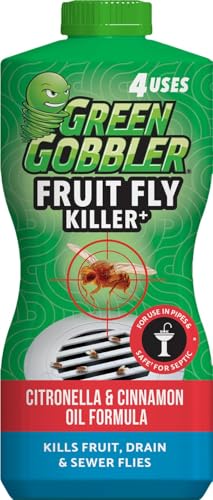
KILL FRUIT, DRAIN & SEWER FLIES: Get rid of the fly infestation and get back to enjoying your space. Green Gobbler's thick gel formula clings to pipes to eliminate annoying drain fly infestations. It kills fruit flies, drain flies and sewer flies.

DUAL ACTION - This trap is used both for mass trapping and as a monitoring system.
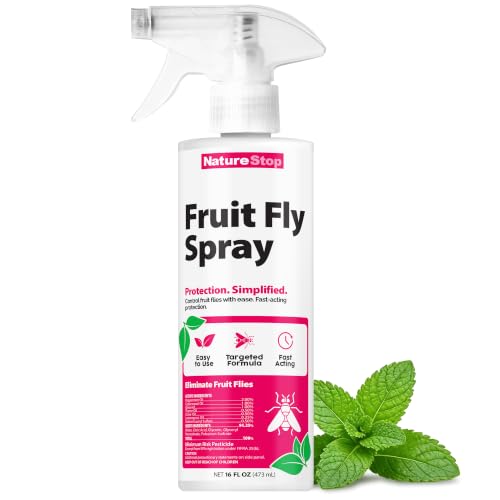
KILLS FRUIT FLIES FAST — Eliminates fruit flies to control infestations in kitchens and throughout your home.
Pests and Diseases
Pests and diseases can hinder the growth of olive trees. Common pests include the olive fruit fly and scale insects, which damage fruit and foliage. Monitor your trees regularly for signs of infestation. Use organic insecticides or beneficial insects, like ladybugs, to control pests effectively. Diseases such as peacock spot can affect leaves, leading to poor tree health. Keeping your tree healthy through proper watering and pruning reduces disease risk.
Weather Conditions
Weather conditions significantly influence olive tree growth and fruit production. Olive trees thrive in warm, dry climates, but excessive humidity or frost can cause problems. During cold snaps, protect young trees with blankets or burlap. If you’re in an area with high winds, consider windbreaks to shield your trees. Additionally, ensure proper irrigation during dry spells; olive trees prefer moderate watering to prevent stress and promote healthy fruit development.
Conclusion
Growing an olive tree can be a rewarding journey filled with anticipation. Understanding when your tree will bear fruit helps you provide the right care and manage your expectations. With the right conditions and attention to factors like soil quality and watering, you’ll be well on your way to enjoying your first harvest.
Remember that patience is key. While some varieties may take a few years to produce olives, the effort you put into nurturing your tree will pay off in the long run. Keep an eye out for pests and weather changes to ensure your olive tree stays healthy. Before you know it, you’ll be savoring the fruits of your labor. Happy gardening!
Frequently Asked Questions
When do olive trees start producing fruit?
Olive trees typically begin producing fruit 3 to 5 years after planting. However, some varieties, like Koroneiki, may take longer, up to 6 years or more. Understanding this timeline helps manage expectations while nurturing your olive trees.
What factors influence olive tree fruit production?
Several factors affect olive tree growth and fruit-bearing, including the tree variety, climate conditions, soil quality, watering practices, and pruning techniques. Ensuring optimal conditions can enhance fruit production over time.
What soil is best for olive trees?
Olive trees thrive in well-drained sandy or loamy soil with a pH of 6 to 8. Good drainage is crucial as it prevents root rot and promotes healthy growth, ultimately leading to better fruit production.
How often should I water olive trees?
Young olive trees require consistent watering to establish their root systems. Once established, olive trees need moderate watering, especially during dry spells, but be careful not to overwater, which can harm the roots.
What are some common pests that affect olive trees?
Common pests include the olive fruit fly and scale insects. Regular monitoring and using organic insecticides or introducing beneficial insects can help control these pests and protect the health of your olive trees.
How should I prune my olive trees?
Pruning is essential for promoting healthy growth and increasing yield. It’s best to prune during the dormant season to shape the tree, remove dead growth, and encourage better air circulation, which can boost fruit production.
Can olive trees survive in cold climates?
While olive trees prefer warm, dry conditions, they can survive in colder climates with proper care. Protect young trees during cold snaps and ensure adequate irrigation during dry periods to mitigate stress from temperature fluctuations.
