

Ever wondered what plants make the perfect companions for your grapevines? Picture this: you’re tending to your flourishing grapevine, but you’re curious about maximizing its growth potential. That’s where selecting the right companion plants comes into play. In this article, we’ll explore the art of companion planting with grapes and how it can benefit both your vineyard and garden.
Key Takeaways
- Companion planting with grapes can improve soil quality, reduce pests, and support pollination for healthier vine growth and better fruit production.
- Legumes like clover provide a natural nitrogen boost to the soil when planted alongside grapevines.
- Garlic, chives, and flowers such as marigolds act as natural pest repellents and attract beneficial insects for grapevine health.
- Avoid planting walnut trees near grapevines due to the toxic substance juglone they produce that can inhibit growth.
- Proper spacing, sunlight exposure, watering, and fertilization techniques are essential for maintaining healthy grapevines and ensuring abundant yields.
Benefits of Companion Planting for Grapes
Companion planting offers various advantages when cultivating grapes. Here’s why it’s beneficial:
Improved Soil Quality
By planting certain companions alongside your grapevines, you can enhance the soil quality. Plants like clover and legumes fix nitrogen in the soil, providing essential nutrients to the grapes. This natural fertilization promotes healthier vine growth and better fruit production.
Pest Reduction
Companion plants can act as a natural pest deterrent for your grapevines. For instance, planting aromatic herbs like basil or chives near your grapes can help repel pests that might damage the vines or fruits. This organic pest control method reduces the need for harmful chemicals while ensuring a thriving grape harvest.
Pollination Support
Selecting the right companion plants can also aid in pollination, improving fruit set and overall yield in your grapevines. Flowers such as marigolds attract pollinators like bees and butterflies, enhancing cross-pollination among grape flowers. This increased pollination efficiency leads to more robust grape clusters and higher-quality fruit.
Incorporating companion plants into your grapevine cultivation not only benefits the vines themselves but also contributes to a more sustainable and harmonious garden ecosystem.
Best Plants to Grow with Grapes
When considering companion plants for your grapevines, selecting the right ones can significantly benefit your garden ecosystem. Here are some excellent options to enhance the growth and health of your grapevines.
Recommended Products

Vibrant Flowers: Marigolds burst forth with large, vivid blooms, creating an enchanting garden display that adds eye-catching beauty to flowerbed borders

Fast, reliable sprouting: These Marigolds plant seeds are easy to start indoors 4–6 weeks before frost or direct sow; Marigold seeds for planting outdoors & indoors germinate in 7–21 days at 65–80 °F, plant 1/4" deep. Ideal garden seeds for beginners.

The Best Value - Organo Republic Marigold Seeds Pack includes 1 oz or approximately 9,250 Non-GMO heirloom marigold seeds. Marigold (Tagetes erecta) offers vibrant ornamental beauty and is valued in traditional medicine for its anti-inflammatory and antimicrobial benefits.
Legumes: Natural Nitrogen Boosters
Planting legumes like clover alongside your grapevines can provide a natural nitrogen boost to the soil. Legumes have the unique ability to fix nitrogen from the air into the soil, enriching it and promoting healthier vine growth. Consider planting varieties such as peas or beans near your grapes to improve soil quality organically.
Garlic and Chives: Natural Pest Repellents
Garlic and chives are not only flavorful additions to your garden but also act as natural pest repellents for grapevines. These aromatic herbs help deter common pests that may damage grape leaves or fruits, reducing the need for chemical pesticides. Planting garlic and chives around your grapevines can create a protective barrier against unwanted insects while adding culinary value to your garden.
Flowers: Enhancing Biodiversity
Integrating flowers like marigolds into your vineyard can enhance biodiversity and support pollination efforts. Marigolds attract beneficial insects that aid in pollinating grape flowers, leading to better fruit set and overall vine health. Additionally, these vibrant flowers add visual appeal to your garden while contributing to a balanced ecosystem that benefits both grapes and surrounding plant life.
By strategically choosing companion plants like legumes, garlic, chives, and flowers for your grapes, you can create a thriving garden environment that promotes sustainable growth, reduces reliance on chemicals, and improves the quality of your harvests.
Plants to Avoid Near Grapes
When planting your grapevines, it’s essential to be mindful of the vegetation you place nearby. Some plants may have adverse effects on the growth and health of your grapes. Here are some plants to avoid near grapevines:
Recommended Products

High Germination Rate: Our grape seeds ensure high germination, giving you the best chance to grow healthy grapevines at home.

Fragrant Flowers: Bloom blossoms that provide precious nectar for pollinators like bees, creating your own romantic orchard with heavy fruit and rich flavor

Prefers warm, dry weather conditions
Walnut Trees: The Juglone Effect
Walnut trees produce a substance called juglone, which can be toxic to many plants, including grapevines. The roots, leaves, and nuts of walnut trees release juglone into the soil, inhibiting the growth of neighboring plants. Avoid planting grapevines near walnut trees to prevent any negative impact on your grape harvest.
Potatoes and Tomatoes: Risk of Blight
Potatoes and tomatoes are susceptible to blight, a fungal disease that can spread easily among plants in close proximity. Planting potatoes or tomatoes near your grapevines increases the risk of blight affecting not only these vegetables but also potentially spreading to your grapes. To protect your grape crop from this disease, keep them separate from potatoes and tomatoes in your garden layout.
By being aware of which plants to avoid near your grapevines, you can ensure a healthy growing environment for your grapes and maximize their potential yield without facing unnecessary risks from incompatible plant neighbors.
Maintenance Tips for Growing Grapes
When caring for your grapevines, proper maintenance is crucial to ensure healthy growth and a bountiful harvest. Here are some essential tips to help you maintain your grape plants effectively.
Recommended Products
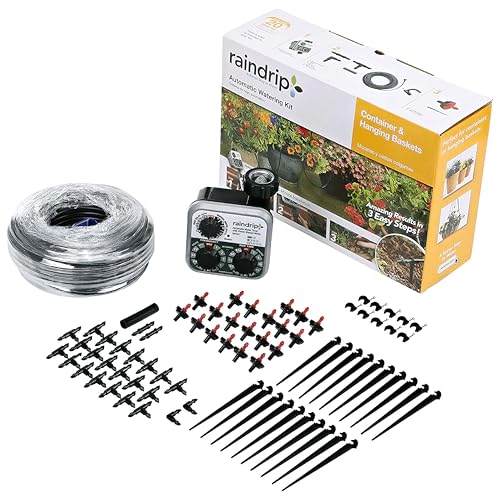
Save Time and Effort: This Raindrip drip irrigation kit includes everything you need to create a drip watering system for potted plants and precisely water up to twenty plants, saving time and effort while keeping your garden healthy

✔Comprehensive Drip Irrigation Kit:MIXC drip irrigation system, equipped with a versatile range of components, caters to all your garden watering needs.Includes essential parts such as 197ft 1/4'' irrigation tube, 33ft 1/2'' irrigation tube, 1/2‘’ Lock Barbed Tee connectors, drip emitter streams, vortex emitters, Blue Mist Nozzles, Quick connection tees, Faucet Connector, and more.
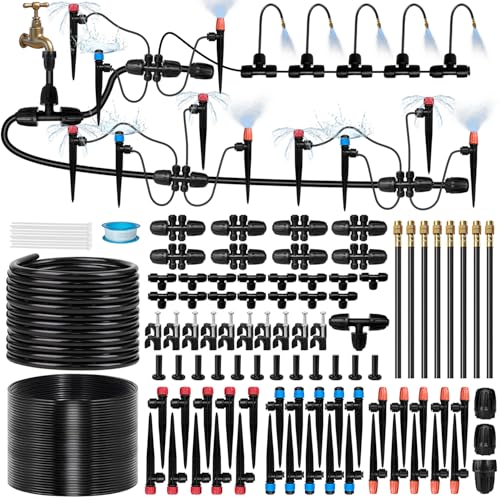
【Upgraded Tube Design & Water Saving】 Our garden watering system is upgraded to 1/2” diameter to support high water pressure. The 1/2” tee connector allows seamless splitting into 2 independent zones for customized watering schedules. By delivering moisture directly to root zones, this drip Irrigation system significantly reduces evaporation and runoff—saving more water compared to conventional sprinklers while eliminating the need for manual watering.
Proper Spacing and Sunlight
To promote optimal growth, make sure to plant your grapevines in rows with ample spacing between each plant. This allows for good air circulation, reducing the risk of diseases such as powdery mildew. Additionally, ensure that your grapevines receive plenty of sunlight, ideally at least 7-8 hours per day. Adequate sunlight exposure helps the vines photosynthesize efficiently, leading to robust vine development and high-quality fruit production.
Watering and Fertilization Techniques
Watering plays a significant role in grapevine health. It’s essential to provide consistent moisture levels without overwatering. During the growing season, water deeply but infrequently to encourage deep root growth. Consider using drip irrigation systems to deliver water directly to the roots while minimizing evaporation.
When it comes to fertilization, grapes have specific nutrient requirements for optimal growth. Conduct a soil test to determine any deficiencies and adjust your fertilizer application accordingly. Organic matter like compost can also be beneficial for enhancing soil fertility and microbial activity around the roots.
By following these maintenance tips diligently, you’ll set your grapevines up for success, ensuring vigorous growth and abundant yields in your garden or vineyard.
Conclusion
Now that you understand the significance of choosing the right plants to accompany your grapevines, you’re on track to boost their growth and overall health. By embracing companion planting, you can enrich the soil, deter pests naturally, and support pollination. Remember to steer clear of incompatible vegetation near your grapes. Follow the maintenance tips provided in this article – maintain proper spacing, ensure adequate sunlight exposure, water appropriately, and fertilize wisely – for thriving vines and a fruitful harvest. With these insights at your disposal, you’re well-equipped to create an ideal environment for your grapevines, fostering strong growth and yielding top-notch fruit. Happy planting!
Frequently Asked Questions
What are companion plants, and why are they important for grapevines?
Companion plants are vegetation strategically planted near grapevines to benefit their growth. They enhance soil quality, deter pests naturally, and aid in pollination.
What should growers be cautious about when selecting companion plants for grapevines?
Growers should avoid planting incompatible vegetation near grapevines as it can hinder growth and development.
What maintenance tips are essential for growing grapes successfully?
Proper spacing, adequate sunlight exposure, correct watering techniques, and appropriate fertilization practices are crucial for healthy vine development and productive harvests.
