
Close Menu
    Fruit Tree Hub
    • Home
    • Apple Trees
    • Lemon Trees
    • Mango Trees
    • Orange Trees
    • More Trees
      • Best Fruit Trees
      • Apricot Trees
      • Cherry Trees
      • Fig Trees
      • Lime Trees
      • Mulberry Trees
      • Peach Trees
      • Pear Trees
      • Plum Trees
      • Pomegranate Trees
    • Tips and Advice
      • Tools
    • About Us
      • Contact
      • Privacy Policy
    Fruit Tree Hub
    Home»Fruit Trees»Star Fruit Trees»How to Propagate Star Fruit Trees From Cuttings
    Star Fruit Trees

    How to Propagate Star Fruit Trees From Cuttings

    Lucy SmithBy Lucy SmithMarch 22, 20244 Mins Read
    Share Facebook Twitter Pinterest WhatsApp Email
    Share
    Facebook Twitter LinkedIn Pinterest Telegram Email

    Interested in growing your own star fruit tree from a cutting? Propagating star fruit trees from cuttings is an exciting process that can give you a plentiful supply of tropical fruits. By following a few simple steps, you can create new star fruit trees that are just like the original one.

    Contents show
    1 Key Takeaways
    2 Selecting Healthy Cuttings
    3 Preparing the Cuttings
    4 Rooting the Cuttings
    5 Transferring to Potting Soil
    6 Caring for New Plants
    7 Conclusion

    This ensures that you'll get the same great taste and quality. Want to find out how it's done? Keep reading to learn the secrets of propagating star fruit trees from cuttings and start your own backyard orchard.

    Key Takeaways

    • Select young, vigorous stems with multiple nodes for successful propagation of star fruit trees.
    • Use sharp, clean pruning shears to make a slanting cut just below a node and remove leaves from the lower half of the cutting.
    • Maintain consistent moisture in the potting mix and create high humidity by covering with plastic or using a propagation dome.
    • Provide at least 6-8 hours of direct sunlight daily and establish a regular watering schedule to keep the soil consistently moist for healthy growth and development of the new star fruit plants.

    Selecting Healthy Cuttings

    When selecting healthy cuttings for propagating star fruit trees, it's crucial to choose young, vigorous stems that are approximately 6-8 inches long with multiple nodes. Nodes are the areas on the stem where leaves emerge, and they're essential for root development. Identifying nodes is important because this is where the roots will form, so having multiple nodes on the cutting increases the chances of successful propagation.

    MUST READ
    Can Star Fruit Trees Survive Frost

    Proper hydration is also key when selecting cuttings. Look for stems that are well-hydrated and firm, rather than woody or dried out. This indicates that the cutting is still actively growing and has a better chance of successful propagation.

    Recommended Products
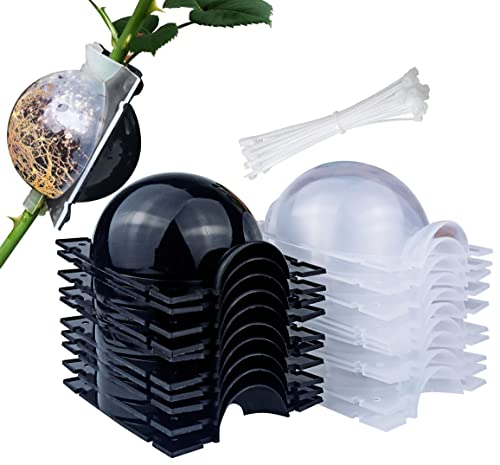
    MIIIM 10 PCS Air Layering Propagation Kit with Zip Ties, Reusable Half Transparent Grafting Ball, Air Layering Pods Clear, Plant Rooting Grafting Box for Fast Propagation Plants (Medium)
    MIIIM 10 PCS Air Layering Propagation Kit with Zip Ties, Reusable Half Transparent Grafting Ball, Air Layering Pods Clear, Plant Rooting Grafting Box for Fast Propagation Plants (Medium)

    Simplify Process & Easy to Install: Our rooting ball make the process of packing the branches much easier than the old way of using plastic wrap. Corner buckles, bottom sheets & zip ties together fix the ball at the proper place without professional.

    VIEW LATEST PRICE

    As an affiliate, we earn on qualifying purchases.

    Bonide Garden Rich Root & Grow Root Stimulator & Plant Starter
    Bonide Garden Rich Root & Grow Root Stimulator & Plant Starter

    IDEAL PLANTS - Perfect for transplants, houseplants, vegetables, fruit trees, berries, flowers, trees, shrubs, and ornamentals.
    VIEW LATEST PRICE

    As an affiliate, we earn on qualifying purchases.

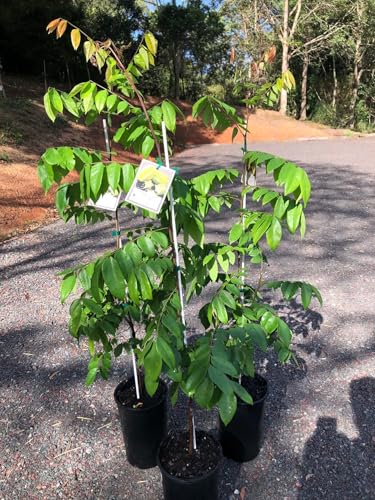
    Carambola/Starfruit/Live Fruit Tree 10inch-18inch Plant
    Carambola/Starfruit/Live Fruit Tree 10inch-18inch Plant

    Starfruit Tree Live Carambola Tree You will receive the tree, no the fruit

    VIEW LATEST PRICE

    As an affiliate, we earn on qualifying purchases.

    Preparing the Cuttings

    Selecting healthy cuttings is the first step towards successfully propagating star fruit trees. Now it's time to prepare these cuttings for the propagation process. To prepare the cuttings, follow these steps:

    • Pruning Techniques
    • Use sharp, clean pruning shears to take 6 to 8-inch cuttings from the tips of healthy, disease-free branches.
    • Make a slanting cut just below a node, and remove any leaves from the lower half of the cutting to reduce moisture loss.
    • Watering Schedule
    • After preparing the cuttings, place them in a glass of water to keep them hydrated until you're ready to plant them.
    • Change the water every few days to prevent rot and ensure the cuttings stay healthy and ready for propagation.
    MUST READ
    The Best Fertilizers for Healthy Star Fruit Trees

    Rooting the Cuttings

    To encourage the rooting of the cuttings, carefully remove any lower leaves and dip the cut end into a rooting hormone before planting them in a well-draining potting mix.

    Once planted, ensure the potting mix is consistently moist, but not waterlogged. Maintain high humidity around the cuttings by covering them with a clear plastic bag or using a propagation dome. This will help prevent excessive moisture loss while the roots are developing.

    It's important to water the cuttings regularly, ensuring the soil doesn't dry out completely. This will promote healthy root growth. Additionally, monitor the soil fertility by providing a balanced fertilizer to support the development of strong roots.

    As the cuttings begin to root and show new growth, gradually acclimate them to standard growing conditions.

    Recommended Products

    Bonide Bontone II Rooting Powder, 1.25 oz Ready-to-Use Dust for Houseplants and Transplants Speeds Root Development
    Bonide Bontone II Rooting Powder, 1.25 oz Ready-to-Use Dust for Houseplants and Transplants Speeds Root Development

    Quick Root Development: Bontone rooting powder from Bonide promotes quick root development from cuttings once applied; to apply, simply dip the end of a clipping into the powder and then place it in moist soil to help the rooting process of cuttings

    VIEW LATEST PRICE

    As an affiliate, we earn on qualifying purchases.

    Garden Safe Take Root Rooting Hormone 2 Oz, Promotes Rooting, 2 Pack
    Garden Safe Take Root Rooting Hormone 2 Oz, Promotes Rooting, 2 Pack

    PROMOTES ROOTING: Rooting hormone grows new plants from cuttings

    VIEW LATEST PRICE

    As an affiliate, we earn on qualifying purchases.

    RootBoost Rooting Hormone, Rooting Powder for Plant Cuttings, 2 Ounces
    RootBoost Rooting Hormone, Rooting Powder for Plant Cuttings, 2 Ounces

    Root hormone for cuttings are perfect for the propagation of indoor and outdoor plants

    VIEW LATEST PRICE
    MUST READ
    Why Do Star Fruit Trees Produce Star-Shaped Fruit

    As an affiliate, we earn on qualifying purchases.

    Transferring to Potting Soil

    Consider carefully transferring the rooted cuttings to potting soil, ensuring the new environment provides optimal conditions for their continued growth and development. When transferring the cuttings, keep in mind the following:

    • Watering Frequency
    • Monitor the moisture level of the potting soil and water the cuttings when the top inch of the soil feels dry to the touch. Overwatering can lead to root rot, so ensure proper drainage in the pots.
    • Soil Type
    • Use well-draining potting soil to prevent waterlogging, which can harm the newly rooted cuttings. A mix of peat moss, perlite, and compost provides good aeration and moisture retention.

    Caring for New Plants

    After ensuring the rooted cuttings are well-established in the potting soil, it's essential to provide proper care for the new plants to promote healthy growth and development.

    Start by establishing a regular watering schedule to keep the soil consistently moist but not waterlogged.

    Star fruit trees thrive in full sunlight, so ensure they receive at least 6-8 hours of direct sunlight daily.

    Keep an eye out for common pests like aphids or mites and use organic pest control methods to keep them at bay.

    When it comes to fertilization, apply a balanced fertilizer every 4-6 weeks during the growing season to provide essential nutrients for robust growth.

    Conclusion

    As you nurture your newly propagated star fruit trees, take joy in their growth and potential.

    With patience and care, you'll soon be rewarded with an abundant harvest of delicious star fruits.

    MUST READ
    Are Star Fruit Trees Self-Pollinating

    Embrace the journey of tending to these plants, and before you know it, you'll have a thriving star fruit tree adding beauty and flavor to your garden or home.

    Happy gardening!

    Share. Facebook Twitter Pinterest LinkedIn Tumblr Email
    lucy smith
    Lucy Smith
    • Website

    Lucy Smith is a highly experienced horticulturist with a passion for fruit tree cultivation. She holds a degree in Horticulture from the University of California, Davis, and has worked in various roles in the industry. With over 10 years of experience, Lucy is dedicated to using eco-friendly methods for sustainable gardening practices.

    Related Posts

    Is Star Fruit Tree Care Labor-Intensive

    March 30, 2024

    Where Star Fruit Trees Fit in a Tropical Diet

    March 30, 2024

    How to Encourage Star Fruit Trees to Bear Fruit

    March 30, 2024

    Can Star Fruit Trees Be Grafted

    March 30, 2024

    Why Do Star Fruit Trees Have a Long Harvest Season

    March 30, 2024

    The Best Mulches for Star Fruit Trees

    March 30, 2024
    Leave A Reply Cancel Reply

    Affiliate Disclosure

    As an Amazon Associate I earn from qualifying purchases.

    Recommended Reading

    How to Thin Fruit on Peach Trees for Bigger, Tastier Harvests This Season

    How to Make Coconut Tree Bear Fruit: Tips for Optimal Growth and Bountiful Harvests

    When and How to Prune Your Nectarine Tree for Healthy Growth and Fruitfulness

    How To Grow A Mulberry Tree From A Branch

    How Long for a Papaya Tree to Bear Fruit: Tips for Successful Growth and Care

    Can You Grow Grapes in Louisiana? Tips for Successful Cultivation in a Challenging Climate

    When to Fertilizer Fruit Trees: Expert Tips for Optimal Growth and Harvest

    18 Gorgeous Wool Knitting Patterns You Will Want To Try

    When to Prune Fruit Trees in California for a Healthier Harvest and Better Fruit Quality

    Quince Trees in a Pot in Jacksonville, FL (Successful Harvest)

    Fruit Tree Hub

    Fruit Tree Hub is a website dedicated to providing you everything you need to grow fruit trees successfully at in your own yard.

    Contact us at: [email protected]

    - AFFILIATE DISCLOSURE: As an Amazon Associate I earn from qualifying purchases.

    Latest Posts

    21 Colorful Halloween Crochet Motifs Featuring Pumpkins Bats and Black Cats

    23 Smart Halloween Crochet Ideas to Sell as Keychains and Coasters

    22 Fun Halloween Crochet Ideas Built Around Treat Bags and Hats

    23 Adorable Halloween Amigurumi Ideas Featuring Ghosts and Black Cats

    22 Compact Halloween Crochet Decorations for Shelves and Small Spaces

    19 Practical Halloween Crochet Decorations Designed for Tabletop Displays

    24 Cozy Halloween Crochet Decor Ideas Built Around Mantel Garlands

    19 Playful Kawaii Halloween Crochet Ideas Featuring Smiling Spooky Characters

    Categories
    • Almond Trees
    • Apple Trees
    • Apricot Trees
    • Best Fruit Trees
    • Blackberry
    • Cantaloupe
    • Cherry Trees
    • Crochet Ideas
    • Crochet Ideas for Beginners
    • Cucamelon
    • Easy Crochet Ideas
    • Easy Knitting Projects
    • Fall Crochet Ideas
    • Fig Trees
    • Grapefruit Trees
    • Grapes
    • Guava Trees
    • Halloween Crochet Ideas
    • Honeydew
    • Jujube Trees
    • Kiwi
    • Knitting For Beginners
    • Knitting Ideas
    • Knitting Inspiration
    • Lemon Trees
    • Lime Trees
    • Loquat Trees
    • Mango Trees
    • Mulberry Trees
    • Nectarine Trees
    • Olive Trees
    • Orange Trees
    • Papaya Trees
    • Peach Trees
    • Pear Trees
    • Persimmon Trees
    • Planting
    • Plum Trees
    • Pomegranate Trees
    • Quince Trees
    • Raspberry
    • Reviews
    • Small Crochet Ideas
    • Star Fruit Trees
    • Summer Crochet Ideas
    • Tamarind Trees
    • Tangerine Trees
    • Tips and Advice
    • Tools
    • Uncategorized
    • Walnut Trees
    © 2026 Fruit Tree Hub
    • Home
    • About Us
    • Contact
    • Privacy Policy
    • Terms and Conditions
    • Disclaimer
    • Editorial Policy
    • Affiliate Disclosure

    Type above and press Enter to search. Press Esc to cancel.