

Have you noticed your persimmon tree dropping fruit before it ripens? You’re not alone. Many gardeners face this frustrating issue, and it can leave you scratching your head. Understanding why this happens is key to keeping your tree healthy and productive.
Key Takeaways
- Understanding Tree Needs: Persimmon trees thrive in well-drained, organic-rich soil with a pH of 6.0 to 7.5 and need full sun exposure for optimal fruit production.
- Environmental Factors: High temperatures, inadequate sunlight, and extreme weather can stress persimmon trees, leading to premature fruit drop; proper site selection is crucial.
- Pest and Disease Management: Regularly inspect for pests such as aphids and spider mites; effective treatment is essential to prevent stress that causes fruit loss.
- Nutrient Management: Conduct soil tests and apply a balanced fertilizer to address nutrient deficiencies, ensuring the tree receives adequate potassium, nitrogen, and phosphorus.
- Proper Watering: Maintain consistent moisture levels without overwatering, using deep watering techniques and organic mulch to enhance soil retention.
- Monitoring Signs of Stress: Watch for wilting leaves, discoloration, and stunted growth to identify issues early and seek help from horticulture experts when necessary.
Understanding Persimmon Trees
Persimmon trees (Diospyros) can thrive in various climates, but they need specific conditions to produce healthy fruit. Common species include the American persimmon (Diospyros virginiana) and the Asian persimmon (Diospyros kaki). Understanding their growth patterns helps address fruit drop.
Growth Habits
Persimmon trees typically grow upright, reaching heights of 30 to 60 feet, depending on the species. They produce fragrant flowers in spring, which become fruit later in the year. If conditions aren’t optimal, trees can drop immature fruit.
Ideal Conditions
Establish well-draining soil rich in organic matter for optimal growth. A pH range of 6.0 to 7.5 effectively supports tree health. Full sun exposure, about 6 to 8 hours daily, enhances flowering and fruit set. Adequate irrigation during dry periods aids growth, but avoid overwatering, which can lead to root rot.
Pollination Requirements
Most persimmon varieties are either dioecious or self-pollinating. Dioecious trees produce male and female flowers on separate trees, while self-pollinating varieties don’t require a partner for fruit set. Planting both male and female trees promotes better fruit development.
Timing of Fruit Development
Fruit typically sets in late spring to early summer, with ripening depending on the species. If fruits drop before ripening, check for environmental stressors like drought, excess rain, or temperature fluctuations.
Pests and Diseases
Pests such as aphids, spider mites, and fruit flies can lead to premature fruit drop. Fungal diseases, including root rot and leaf spot, can weaken tree health. Regular monitoring for pests and signs of disease ensures timely intervention.
Nutrient Needs
A balanced fertilizer regimen supports tree health. Use a high-nitrogen fertilizer in early spring, followed by a low-nitrogen mix as fruit approaches ripening. Soil testing helps determine specific nutrient deficiencies.
Avoiding Overcrowding
Space persimmon trees adequately to ensure good air circulation. Overcrowded trees compete for resources, leading to stress, which can result in fruit drop. Allow at least 15 to 20 feet between trees.
By understanding your persimmon tree’s needs and growth patterns, you can enhance its health and blossom production, minimizing fruit loss.
Common Causes of Fruit Drop
Understanding why your persimmon tree drops fruit helps in addressing the issue effectively. Various factors contribute to this problem.
Recommended Products
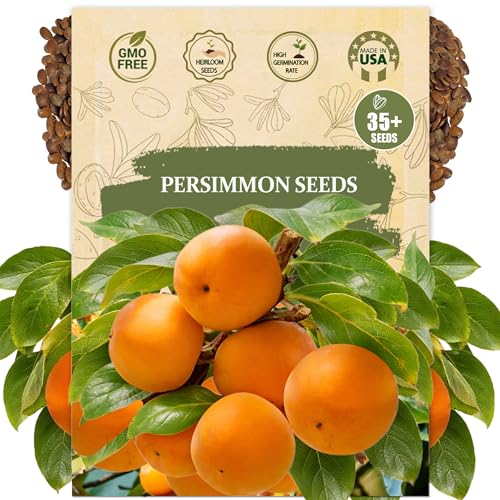
🌳 PERSIMMON TREE SEEDS FOR HOME GARDENS: Persimmon tree seeds are ideal for backyard gardens, raised beds, or seed-starting before transplanting outdoors in suitable climates.

PRODUCT IMAGE DISCLAIMER: The main image is for reference only. The plant you receive may not look exactly the same as shown in the first image

Persimmon tree adds edible fruit, seasonal foliage, and natural beauty to home gardens and outdoor landscapes
Environmental Factors
Environmental conditions significantly influence fruit retention. High temperatures, especially during flowering, can stress the tree. Cool temperatures during pollination can hinder fruit set as well. Insufficient sunlight and extreme weather events, like strong winds or heavy rain, can also lead to fruit drop. Ensure your tree gets full sun exposure and consider providing protection during harsh weather.
Pest Infestation
Pests pose a serious threat to the health of your persimmon tree. Insects such as aphids, spider mites, and fruit flies may cause stress that leads to dropping fruit. Regularly inspect your tree for signs of infestation, like sticky residue or visible pests. If you spot any, treat your tree with organic insecticides or insecticidal soap to eliminate the problem efficiently.
Nutrient Deficiencies
Nutrient imbalances can result in fruit drop as the tree struggles to support its growth. A lack of potassium, nitrogen, or phosphorus affects fruit development. Test your soil to identify deficiencies and amend it accordingly. Applying a balanced fertilizer in early spring can help ensure your tree receives adequate nutrients throughout the growing season.
Identification of Problems
Identifying issues with your persimmon tree can help you address fruit drop effectively. Pay attention to various signs that indicate stress or other problems affecting your tree.
Recommended Products

Control diseases and insects in your garden with Captain Jack’s Fruit Tree Spray Concentrate! Use on a variety of listed fruits, nuts and citrus plants.

KILLS LISTED FRUIT & CITRUS TREE INSECTS: Controls Asian Citrus Psyllid, Whiteflies, Aphids Thrips, Citrus Leafminers, Leafhoppers, Blackfly, Mealybugs, Scales, Avocado Lacebugs, Oriental Beetles, Flea Beetles, Sharpshooters, and Spittlebugs
Not Available for Sell in WA, USA
Signs of Stress in Persimmons
Look for these clear indicators of stress in your persimmon tree:
- Wilting Leaves: Leaves may droop or curl when the tree lacks water.
- Discoloration: Yellowing or browning leaves often signal nutrient deficiencies.
- Fruit Drop: Early dropping of immature fruit indicates the tree’s distress.
- Stunted Growth: Reduced growth in branches signals potential environmental issues.
- Pest Presence: Noticeable insects or webs suggest pest infestation.
Inspect your tree regularly to recognize these signs early. Addressing them quickly can minimize further damage and improve fruit production.
When to Seek Help
Consider seeking assistance if these conditions persist despite your best efforts:
- Persistent Wilting: If wilting continues despite adequate watering.
- Significant Leaf Loss: Losing large numbers of leaves can indicate severe stress.
- Infestation Spread: If pests rapidly multiply, you may require professional pest control.
- Nutrient Imbalance: If soil tests show persistent nutrient deficiencies despite fertilization.
A local extension service or horticulturist can provide tailored advice and solutions. Don’t hesitate to reach out for help, as maintaining tree health is crucial for fruit production.
Solutions to Prevent Fruit Drop
Addressing the issue of fruit drop in persimmon trees requires specific strategies. Implementing proper watering and fertilization techniques can significantly enhance fruit retention and overall tree health.
Recommended Products

Accurate Soil Moisture Detection: The XLUX Soil Moisture Meter can tell you if the soil deep inside your pot or garden is dry, moist or wet; whereas your eyes and fingers can only determine the moisture level of the soil surface. The probe is 5.5 inches (14 cm) longer than regular styles, allowing it to measure the soil moisture at the bottom of larger and deeper flower pots.

Accurate Soil Moisture Detection: The XLUX Soil Moisture Meter can tell you if the soil deep inside your pot or garden is dry, moist or wet; whereas your eyes and fingers can only determine the moisture level of the soil surface. The probe is 5.5 inches (14 cm) longer than regular styles, allowing it to measure the soil moisture at the bottom of larger and deeper flower pots.

Accurate Soil Moisture Detection: The XLUX Soil Moisture Meter detects deep soil moisture in pots or gardens (dry/moist/wet), unlike eyes or fingers that only sense surface soil.
Proper Watering Techniques
Ensure your persimmon tree receives consistent moisture without oversaturation.
- Check Soil Moisture: Use your finger to probe the soil about 2 inches deep. If it feels dry, it’s time to water.
- Water Deeply: Water the tree thoroughly to encourage deep root growth. Apply around 1 to 2 inches of water weekly, depending on weather conditions.
- Watering Schedule: Adjust your watering frequency based on rainfall. During dry spells, increase water supply.
- Mulching: Apply organic mulch around the base of the tree to retain soil moisture and regulate temperature. Summer mulch can help cool the root zone.
Fertilization Tips
Nourishing your persimmon tree correctly fosters strong growth and fruit development.
- Soil Testing: Conduct a soil test to determine nutrient levels. This helps identify any deficiencies affecting tree health.
- Use Balanced Fertilizers: Apply a balanced fertilizer, such as 10-10-10 NPK, in early spring. This supports new growth and fruit set.
- Follow Application Guidelines: Use about 1 pound of fertilizer per inch of trunk diameter. Spread it evenly around the drip line of the tree.
- Monitor Nutrient Levels: Watch for signs of deficiencies, like yellowing leaves, and adjust fertilization as needed. Adding compost can also enhance soil fertility.
- Fertilize Again Post-Harvest: After collecting fruit, reapplied a smaller dose of fertilizer can help prepare the tree for the next growing season.
Implementing these techniques can enhance the resilience of your persimmon tree and help minimize fruit drop.
Conclusion
Dealing with a persimmon tree that drops fruit can be frustrating but understanding the underlying causes can make a world of difference. By paying attention to your tree’s needs and addressing issues like soil health and pest control, you can create a thriving environment for your persimmons.
Remember to keep an eye on environmental factors and nutrient levels to ensure your tree stays healthy. With a little patience and care, you’ll be well on your way to enjoying a bountiful harvest in no time. Happy gardening!
Frequently Asked Questions
Why are my persimmon trees dropping fruit before it ripens?
Fruit drop in persimmon trees can be caused by various factors, including environmental stress, improper pollination, and pest infestations. High temperatures during flowering and cool conditions during pollination can hinder fruit set, while pests like aphids can stress the tree, leading to premature fruit loss.
What conditions do persimmon trees need for healthy fruit production?
Persimmon trees thrive in well-draining soil and require adequate sunlight, preferably six hours daily. Proper irrigation is also crucial; the soil should maintain consistent moisture without becoming waterlogged. Fertilizing with balanced nutrients can further enhance fruit development.
How can I manage pest problems on my persimmon trees?
Regularly inspect your persimmon trees for pests such as aphids and spider mites, which can lead to stress and fruit drop. If you notice infestations, consider using organic insecticides and maintain tree health by ensuring proper watering and nutrient levels.
What should I do if my persimmon tree shows signs of nutrient deficiency?
If your persimmon tree exhibits wilting leaves or stunted growth, it may have nutrient deficiencies. Conduct soil tests to identify imbalances in potassium, nitrogen, or phosphorus, and apply balanced fertilizers in early spring to support healthy growth and fruit production.
When should I seek professional help for my persimmon trees?
Consult a professional if you notice persistent wilting, significant leaf loss, rapid insect infestations, or ongoing nutrient imbalances despite fertilization efforts. Local horticulturists or extension services can provide tailored advice to maintain your tree’s health and productivity.
