

Wondering when to fertilize your fruit trees? You’re not alone. Many gardeners face this question, hoping to boost their tree’s health and fruit production. Timing can make all the difference in how well your trees thrive.
Imagine nurturing your fruit trees only to find they’re not producing as you expected. It can be frustrating, but the right fertilization schedule can change that. This article will guide you through the best times to fertilize, ensuring your trees get the nutrients they need at just the right moments. With a little knowledge, you can enjoy a bountiful harvest and vibrant trees that bring joy to your garden.
Key Takeaways
- Optimal Timing for Fertilization: Fertilize fruit trees in late winter to early spring, shortly after blooming, and when fruit starts to set for maximum nutrient uptake and growth.
- Soil Testing Importance: Conduct a soil test to identify nutrient deficiencies and determine the best fertilizer type and application schedule based on soil type.
- Organic vs. Synthetic Fertilizers: Use organic fertilizers like compost for gradual nutrient release or balanced synthetic fertilizers following product guidelines for effective growth support.
- Recognizing Nutrient Deficiencies: Look for signs such as yellowing leaves, poor fruit development, and stunted growth to guide your fertilization efforts.
- Avoiding Over-Fertilization: Always adhere to recommended application rates to prevent harm to your trees from excessive fertilizer use.
- Tree Variety Considerations: Tailor fertilization strategies to the specific needs of different fruit tree varieties to optimize their growth and fruiting potential.
Understanding Fruit Tree Fertilization
Fertilizing fruit trees involves careful planning and timing. Understanding the growth stages of your trees helps determine the right fertilization schedule.
Recommended Products

🍋 EXPLOSIVE HARVEST: GardenWise ignites a remarkable yield boost. Its scientific blend, featuring 6% nitrogen for growth, 4% phosphorus for flowering, and 6% potassium for fruit quality, culminates in an abundance of flavorful, aromatic fruits. This is more than growth; it's a nutrient-powered revolution in your citrus yield.

Package contains 4 Pounds organic fruit and citrus fertilizer grains and is produced to avoid wasteful runoff, mess, hazards and smells
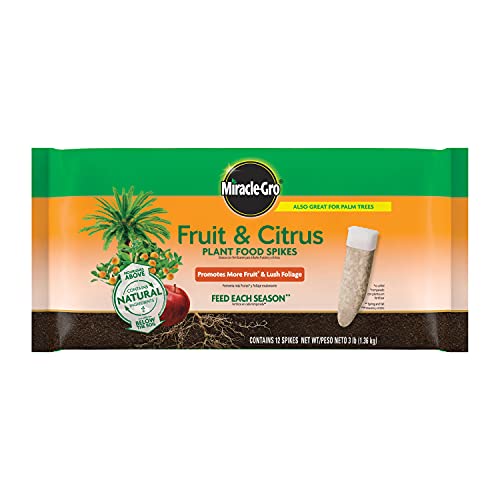
FORMULATED FOR CITRUS AND FRUIT TREES: Use these citrus fertilizer spikes on apple, orange, lemon, lime, and avocado trees; this formula is also great for feeding palm trees
Key Growth Stages
- Dormant Stage
Fertilize in late winter to early spring before new growth starts. This timing provides nutrients when trees begin to awaken from dormancy. - Early Growth Stage
Apply fertilizer shortly after blooming. This boost supports fruit and leaf development during the critical growth period. - Fruit Development Stage
Fertilize again when the fruit starts to set. Providing nutrients now enhances fruit size and quality.
Types of Fertilizers
- Organic Fertilizers
Use compost or well-rotted manure. They improve soil quality and provide a slow-release nutrient source. - Synthetic Fertilizers
Choose balanced N-P-K (Nitrogen, Phosphorus, Potassium) fertilizers. Follow product instructions for the correct application rate.
Application Tips
- Soil Testing
Conduct a soil test before fertilizing. Testing reveals nutrient deficiencies, guiding your fertilizer choice. - Watering Before Application
Water your trees thoroughly a day before applying fertilizer. Moist soil helps nutrients penetrate effectively. - Even Distribution
Scatter fertilizer evenly around the root zone. Avoid direct contact with the trunk to prevent burn.
- What if I miss the fertilization window?
Fertilizing later can still benefit your trees, though earlier application usually yields better results. - How often should I fertilize?
Generally, fertilize once in spring and again in early summer for optimal results. - Can I over-fertilize?
Yes, over-fertilization can harm trees. Always follow the recommended amounts for your specific tree types.
Understanding these concepts ensures adequate nutrition for your fruit trees, leading to a bountiful harvest.
Factors Influencing Fertilization Timing
Several factors impact when you should fertilize fruit trees. Understanding these influences helps maximize growth, health, and fruit production.
Soil Type
Soil type plays a critical role in determining fertilization timing. Sandy soils drain quickly and require more frequent fertilization, often in early spring. Clay soils retain moisture and nutrients longer, allowing for a later fertilization schedule. Loamy soils, which are ideal, balance moisture and nutrient retention. Conduct a soil test to determine nutrient levels, pH, and organic matter content. This information guides you on the specific needs of your trees and timing adjustments.
Tree Variety
Tree variety significantly affects fertilization needs. Different fruit trees, such as apple, peach, or citrus, have distinct growth patterns. For instance, early-blooming varieties require fertilization soon after flowering, while late-blooming types benefit from later application. Always consider the specific requirements of your tree species to optimize growth potential. Consulting local extension services or gardening resources provides insights tailored to your varieties.
Best Times to Fertilize Fruit Trees
Understanding the best times to fertilize fruit trees enhances growth and fruit production. Timing varies by season and tree needs.
Recommended Products

Down to Earth Fruit Tree is a five pound box of all natural fertilizer with 6-2-4 formula and is listed by the Organic Materials Review Institute (OMRI) for use in organic production

Package contains 9 fruit and citrus fertilizer spikes and is produced to avoid wasteful runoff, mess, hazards and smells

🌿 Balanced 10-10-10 Granular Fertilizer for Outdoor & Indoor Plants: All-purpose plant food with 10% Nitrogen, 10% Phosphorus, and 10% Potassium. Perfect for outdoor vegetable gardens, fruit trees, evergreens, shrubs, lawns, and flowers. Also great for potted plants and indoor gardening. One solution for all your plant needs!
Spring Fertilization
Fertilizing in spring is crucial for a robust growing season. Apply fertilizer when trees begin to leaf out, typically in late winter to early spring, depending on your climate. Use a balanced fertilizer or organic options like compost. This initial feeding supports new growth and prepares the tree for fruit production.
- Monitor buds: As buds swell and leaves emerge, it’s time to fertilize.
- Consider soil type: Sandy soils may require an earlier application, while clay retains nutrients longer.
Summer Applications
Summer applications maintain vigor throughout the growing season. Fertilize again after the tree has set fruit, usually in mid-summer. This replenishment supports fruit growth and overall tree health.
- Use slow-release fertilizers: Slow-release options provide nutrients over weeks, reducing the risk of over-fertilization.
- Observe tree health: Yellowing leaves indicate a potential nutrient deficiency, suggesting a need for additional fertilizer.
Applying fertilizer at these key times supports healthy fruit tree development, leading to a fruitful harvest.
Signs Your Fruit Trees Need Fertilization
Fertilizing your fruit trees at the right time boosts their health and fruit production. Recognizing the signs that indicate a need for fertilization helps ensure your trees thrive.
Recommended Products

Produce abundant and vibrant fruit and blooms! This product works by strengthening your plant's roots to increase nutrient uptake… enabling it to bloom and produce like you've never seen!

Let our professionally formulated plant food help your fruit tree grow healthy, strong AND abundantly producing

Produce abundant and vibrant fruit and blooms! This product works by strengthening your plant's roots to increase nutrient uptake… enabling it to bloom and produce like you've never seen!
Nutrient Deficiency Symptoms
- Yellowing Leaves: Leaves turning yellow, especially older leaves, highlight nitrogen deficiency.
- Poor Fruit Development: Small, underdeveloped fruit often signals inadequate nutrients.
- Stunted Growth: Trees showing little new growth during spring suggest nutrient shortages.
- Leaf Drop: Unusual leaf drop can indicate several nutrient deficiencies, including potassium.
- Discolored New Growth: Brown or purple hues in new growth often indicate phosphorus deficiency.
- Delayed Budding: Late blooming or leafing often points to insufficient nutrients.
- Weak Branches: Weak or spindly branches indicate a lack of essential nutrients for strong growth.
- Reduced Flowering: Fewer flowers than previous years can suggest nutrient deficits.
- Shortened Fruiting Season: A shorter season for fruit production can signal the need for fertilization.
These symptoms can help you determine when to apply fertilizer, ensuring your fruit trees reach their full potential.
Conclusion
Fertilizing your fruit trees at the right time is key to ensuring they thrive and produce a bountiful harvest. By paying attention to their growth stages and specific needs, you can provide the nutrients they require to flourish. Remember to conduct soil tests and choose the right type of fertilizer for your trees.
Keep an eye out for signs of nutrient deficiency and adjust your fertilization schedule accordingly. With a little care and attention, your fruit trees will reward you with delicious fruits and vibrant growth. Happy gardening!
Frequently Asked Questions
When is the best time to fertilize fruit trees?
Fertilizing fruit trees is best done during key growth stages. Apply fertilizer in late winter to early spring while trees are dormant. Fertilizing again shortly after flowering supports early growth, and another application during mid-summer enhances fruit development.
What type of fertilizer should I use for fruit trees?
Organic options like compost and well-rotted manure are highly recommended. Balanced synthetic fertilizers are also effective. Choose slow-release fertilizers to lower the risk of over-fertilization and ensure steady nutrient availability.
How often should I fertilize my fruit trees?
Generally, fruit trees benefit from fertilization twice a year. The first application should be in late winter to early spring. The second can occur in mid-summer after fruit has set. However, adjust frequency based on soil type and tree variety.
What should I do if I missed the fertilization window?
If you miss the fertilization window, don’t worry. Apply the fertilizer as soon as you can, but be cautious not to over-fertilize, especially if the trees are already showing signs of stress. Monitor their health and adjust future applications accordingly.
How can I tell if my fruit trees need fertilization?
Signs of nutrient deficiency include yellowing leaves, stunted growth, poor fruit development, and unusual leaf drop. If you notice these symptoms, it’s a good indication that your fruit trees need fertilization to recover and thrive.
