

Are you dreaming of homegrown fruit but unsure when to plant those trees? Timing can make all the difference in your harvest. If you’ve ever planted a tree only to watch it struggle, you know how frustrating it can be.
Key Takeaways
- Timing is Crucial: The best times to plant fruit trees are in spring (after the last frost) and fall (before the first frost), depending on the tree types.
- Types of Fruit Trees: Understand the differences between deciduous (e.g., apple, peach) and evergreen (e.g., citrus) fruit trees for successful planting based on your environment.
- Soil and Climate Considerations: Soil quality and local climate (hardiness zones) are critical for healthy tree growth; well-draining soil with a pH of 6.0 to 7.5 is ideal.
- Benefits of Planting: Planting fruit trees provides fresh produce, improves air quality, enhances property value, and contributes to a sustainable lifestyle.
- Proper Preparation: Prioritize site selection, soil testing, and proper spacing to create a conducive environment for fruit tree growth.
Understanding Fruit Trees
Planting fruit trees involves more than just digging a hole. Understanding the different types and their benefits helps you make informed decisions for your garden.
Types of Fruit Trees
Fruit trees primarily fall into two categories: deciduous and evergreen.
- Deciduous Trees: These trees lose their leaves in winter, often producing fruit in the warmer months. Examples include apple, peach, and cherry trees.
- Evergreen Trees: These trees maintain their foliage year-round. They typically produce fruit continuously. Examples include citrus trees like orange and lemon.
Additionally, consider dwarf varieties. These trees grow smaller and adapt well to smaller spaces, making them suitable for urban gardens.
Benefits of Planting Fruit Trees
Planting fruit trees offers numerous advantages for your yard and lifestyle.
- Fresh Produce: Enjoy fresh fruit right from your garden, which can taste significantly better than store-bought options.
- Environmental Impact: Trees help improve air quality, provide habitats for wildlife, and contribute to local ecosystems.
- Property Value: Well-maintained fruit trees can enhance your property’s aesthetic appeal and increase its value.
You’re not just planting trees; you’re cultivating a sustainable lifestyle.
Factors to Consider
Planting fruit trees requires careful thought about several key factors. Understanding these variables helps ensure healthy growth and bountiful harvests.
Climate and Hardiness Zones
Climate plays a crucial role in determining when to plant fruit trees. You should know your local hardiness zone, which indicates the temperature ranges your area experiences. For example, USDA hardiness zones range from 1 (coldest) to 13 (warmest). Most fruit trees thrive in specific zones. Apple trees prefer zones 3-8, while citrus trees thrive in zones 9-11. To find your zone, use the USDA plant hardiness map, which helps you choose the right trees for your climate.
Soil Conditions
Soil quality significantly affects fruit tree growth. Well-draining soil with a pH of 6.0 to 7.5 suits most fruit trees. You can improve soil conditions by testing the pH and nutrient levels. If the soil is too acidic or basic, add amendments like lime to raise pH or sulfur to lower it. Additionally, mix in organic matter, such as compost, to enhance soil structure and fertility. Always ensure the planting site gets sufficient sunlight, ideally 6-8 hours a day, for optimal growth.
What Time of Year to Plant Fruit Trees
Timing matters when planting fruit trees. Spring and fall present the best opportunities for successful growth, but the ideal season often depends on the specific type of fruit tree.
Recommended Products

4 kinds of the most popular fruits, individually packaged, 50pcs Lemon seeds 50pcs Cherry seeds 50pcs Orange seeds 50pcs Apple seeds Fresh seeds, all fruit seeds are packed in tear and moisture resistant zipper sealed bags for your long term storage.
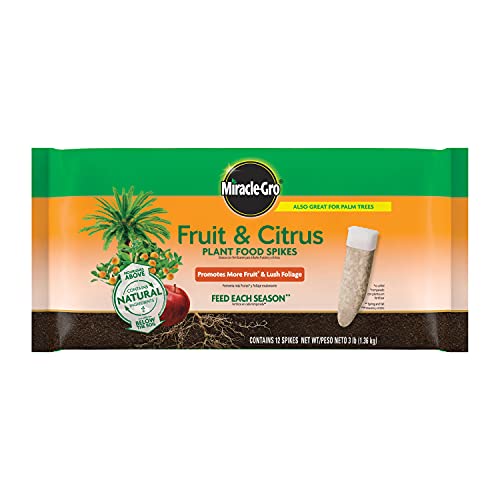
FORMULATED FOR CITRUS AND FRUIT TREES: Use these citrus fertilizer spikes on apple, orange, lemon, lime, and avocado trees; this formula is also great for feeding palm trees

Thrives in well-drained soil, ensuring optimal growth conditions and longevity.
Spring Planting
Spring planting provides warmer temperatures and abundant rainfall, creating excellent conditions for roots to establish. Aim to plant fruit trees after the last frost date in your area. This generally falls between March and May, depending on your zone.
Examples of fruit trees suited for spring planting include:
- Apple trees
- Pear trees
- Cherry trees
To plant in spring, follow these steps:
- Choose a location with full sun and well-draining soil.
- Dig a hole twice as wide and as deep as the root ball.
- Place the tree in the hole, ensuring the graft union is above soil level.
- Backfill with native soil and water thoroughly.
Fall Planting
Fall planting offers another opportunity to grow fruit trees, particularly in regions with mild winters. Planting ideally occurs 6 to 8 weeks before the first expected frost, typically between September and November.
Fruit trees that thrive when planted in the fall include:
- Peach trees
- Plum trees
- Fig trees
For a successful fall planting, use these guidelines:
- Select a sunny site with good drainage.
- Prepare the planting hole to the same specifications as for spring.
- Position the tree correctly and fill the hole with soil.
- Water deeply to encourage root development before winter.
Considering both spring and fall planting seasons enhances your chances of a bountiful harvest.
Preparation Steps
Preparation is crucial for successfully planting fruit trees. Taking the right steps ensures healthy growth and a fruitful harvest.
Recommended Products

Quick, at home results for Soil pH, Nitrogen, Phosphorous and Potash Innovative and inexpensive soil test kit features an easy-to-use capsule system and patented color comparators

KNOW BEFORE YOU GROW | Grow the healthiest, sustainable lawn and garden with the most accurate and easy to use professional soil test kit on the market

Accurate Soil pH Testing: Dewildetradingco Soil pH Test Strips offer measurements of soil pH levels (pH 3.5-9). As an essential tool for every gardener and grower, these test strips help determine the optimal pH for various plants, such as outdoor plants, indoor plants, gardens, grass lawns, fruit trees, flowers, vegetables, and forest shrubs.
Selecting the Right Trees
Selecting the appropriate trees involves matching your climate and soil conditions with the needs of the fruit trees. Research various fruit types to identify those that flourish in your hardiness zone.
- Apple Trees: Thrive in zones 3-8, offering varieties like Granny Smith and Fuji.
- Citrus Trees: Ideal for warmer zones 9-11, with options like lemon and orange.
- Peach Trees: Prefer zones 5-9, popular varieties include Redhaven and Elberta.
Visit local nurseries or consult extension services to find healthy, disease-free saplings. Choose trees suited to your taste preferences, and consider how much space you have available for growth.
Site Preparation
Proper site preparation sets the foundation for tree growth. Assess the planting area for sunlight, drainage, and accessibility.
- Sunlight: Ensure the site receives at least 6-8 hours of direct sunlight daily.
- Soil Quality: Test soil for pH, targeting a range of 6.0 to 7.5. Amend with compost or soil conditioner as needed.
- Drainage: Check for good drainage by observing water pooling after rainfall. If drainage is poor, consider raised beds.
Clear the area of weeds, rocks, and debris. Dig a hole that’s twice as wide as the root ball but no deeper than the root system. Loosen the soil at the bottom to encourage root growth. Finally, ensure that the spacing between multiple trees accommodates their mature size, typically 15-20 feet apart for standard varieties.
Following these preparation steps enhances the likelihood of thriving fruit trees in your garden.
Conclusion
Timing’s everything when it comes to planting fruit trees. By choosing the right season you’re setting the stage for healthy growth and fruitful harvests. Whether you opt for spring or fall planting it’s essential to consider your local climate and soil conditions.
Remember that preparation plays a huge role too. With the right site selection and care you can enjoy the many benefits of homegrown fruit. So grab your gardening tools and get ready to nurture your very own orchard. Happy planting!
Frequently Asked Questions
What is the best time to plant fruit trees?
Planting fruit trees is best done in spring or fall. Spring planting occurs after the last frost (March to May) for trees like apple and cherry, while fall planting should happen 6 to 8 weeks before the first frost (September to November) for varieties like peach and plum.
Why is timing important for planting fruit trees?
Timing is crucial because it affects growth and fruit production. Planting at the wrong time can lead to poor growth, struggles with health, and ultimately a disappointing harvest.
How do I choose the right fruit tree for my area?
Selecting the right fruit tree involves knowing your local climate and hardiness zone. Apple trees thrive in zones 3-8, while citrus trees prefer zones 9-11, so pick varieties that match your local conditions.
What soil conditions are ideal for fruit trees?
Fruit trees prefer well-draining soil with a pH range of 6.0 to 7.5. Testing soil quality and making necessary amendments can enhance growth and ensure healthier trees.
How should I prepare the site before planting fruit trees?
Preparing the site involves ensuring adequate sunlight exposure, testing soil pH, and clearing debris. It’s also essential to dig a hole twice the width of the root ball and maintain proper spacing between trees.
What advantages do fruit trees offer?
Planting fruit trees provides access to fresh produce, promotes environmental benefits, and can increase property value. They contribute to a sustainable lifestyle while enhancing your garden’s beauty.
