
Close Menu
    Fruit Tree Hub
    • Home
    • Apple Trees
    • Lemon Trees
    • Mango Trees
    • Orange Trees
    • More Trees
      • Best Fruit Trees
      • Apricot Trees
      • Cherry Trees
      • Fig Trees
      • Lime Trees
      • Mulberry Trees
      • Peach Trees
      • Pear Trees
      • Plum Trees
      • Pomegranate Trees
    • Tips and Advice
      • Tools
    • About Us
      • Contact
      • Privacy Policy
    Fruit Tree Hub
    Home»Planting»Top Fruit Trees for Atlanta, GA: Southern Success and Soil Prep
    Planting

    Top Fruit Trees for Atlanta, GA: Southern Success and Soil Prep

    Lucy SmithBy Lucy SmithJanuary 31, 20256 Mins Read
    Share Facebook Twitter Pinterest WhatsApp Email
    Share
    Facebook Twitter LinkedIn Pinterest Telegram Email

    Selecting the right fruit trees for Atlanta, GA ensures a successful harvest in the region’s unique climate. The ideal choices thrive in the warm, humid summers and mild winters, making them perfect for local gardeners.

    Contents show
    1 Best Fruit Trees for Atlanta’s Humid Climate
    2 Soil Amendments for Atlanta Fruit Trees
    2.1 Planting Tools for Southern Fruit Trees
    3 Optimal Planting Times for Atlanta Fruit Trees
    3.1 Ideal Planting Sites for Fruit Trees
    4 Pests and Diseases Threatening Atlanta Fruit Trees
    4.1 Pest Management Strategies for Fruit Trees
    5 Fruit Tree Watering and Care Guidelines

    Best Fruit Trees for Atlanta’s Humid Climate

    Atlanta’s humid climate presents unique challenges and opportunities for growing fruit trees. Selecting the right varieties can lead to a bountiful harvest, thriving in the region’s warm temperatures and moisture-rich environment. This section explores the best fruit trees suited for Atlanta, ensuring both beauty and productivity in your garden.

    Atlanta’s climate is classified as humid subtropical, which influences the types of fruit trees that flourish. When choosing trees, consider varieties that can withstand the heat and occasional frost. The following trees are well-suited for the region:

    • Peach Trees: Known for their sweet fruit, these trees thrive in full sun and well-drained soil.

    • Apple Trees: Varieties like ‘Anna’ and ‘Dorsett Golden’ are low-chill and adapt well to the climate.

    • Fig Trees: Figs grow easily and produce fruit quickly, making them a favorite for local gardeners.

    • Blueberry Bushes: While not a tree, they are essential for a home orchard and thrive in acidic soil.

    Soil Amendments for Atlanta Fruit Trees

    To cultivate thriving fruit trees in Atlanta, understanding the local soil conditions is essential. The region’s clay-heavy soil often requires specific amendments to enhance drainage and nutrient availability. This section will explore effective soil amendments that can help ensure your fruit trees flourish in Atlanta’s unique environment.

    MUST READ
    Can Banana Trees Grow in South Dakota? (High Plains Secrets)

    Proper soil preparation is crucial for the health of your fruit trees. Atlanta’s soil can be clay-heavy, which may hinder drainage. Follow these steps to prepare the soil:

    1. Test Soil pH: Use a soil testing kit to determine acidity levels. Aim for a pH between 6.0 and 6.8 for most fruit trees.

    2. Amend Soil: Incorporate organic matter such as compost or well-rotted manure to improve soil structure and fertility.

    3. Improve Drainage: If drainage is an issue, consider adding sand or perlite to the soil mix.

    4. Mulch: Apply a layer of mulch around the base of the trees to retain moisture and suppress weeds.

    Planting Tools for Southern Fruit Trees

    When planting fruit trees in Atlanta’s unique climate, having the right tools can make all the difference. From soil preparation to planting techniques, the right equipment ensures healthy growth and fruitful yields. This section highlights essential tools that will help you successfully establish your southern fruit trees.

    Having the right tools makes planting more efficient. Gather the following before starting:

    • Shovel: For digging holes.

    • Trowel: For smaller adjustments and planting.

    • Rake: To level the soil.

    • Watering Can or Hose: For initial watering.

    ToolPurpose
    ShovelDigging holes
    TrowelPlanting and adjusting soil
    RakeLeveling soil
    Watering CanWatering newly planted trees

    Optimal Planting Times for Atlanta Fruit Trees

    Understanding the best planting times for fruit trees in Atlanta is crucial for ensuring a successful harvest. The region’s unique climate and seasonal variations play a significant role in determining when to plant various tree species. This section will guide you through the optimal times to plant fruit trees, maximizing their growth potential and fruit yield.

    MUST READ
    Fruit Trees for Tennessee: Expert Tips for Mountain and Valley

    Timing is critical for successful planting. The best time to plant fruit trees in Atlanta is during the early spring or late fall. This allows the trees to establish roots before the heat of summer.

    • Spring Planting: Trees benefit from the warm soil and ample rainfall.

    • Fall Planting: Offers cooler temperatures, allowing roots to grow without the stress of heat.

    Ideal Planting Sites for Fruit Trees

    Choosing the right planting site is crucial for the success of fruit trees in Atlanta’s unique climate and soil conditions. Understanding factors such as sunlight exposure, drainage, and proximity to structures can significantly impact growth and fruit production. This section explores the best locations to plant fruit trees for optimal health and yield in the Atlanta area.

    Selecting the right location for your fruit trees impacts their growth. Ensure the chosen spot meets these criteria:

    • Sunlight: At least six hours of direct sunlight daily.

    • Wind Protection: Plant near structures or other trees to shield from strong winds.

    • Space: Allow enough room for mature tree growth to prevent overcrowding.

    Pests and Diseases Threatening Atlanta Fruit Trees

    Atlanta’s warm climate and fertile soil make it an ideal location for growing fruit trees, but these conditions also attract various pests and diseases. Understanding the specific threats that can impact your trees is crucial for successful cultivation. This section delves into the common pests and diseases that pose risks to fruit trees in the Atlanta area and offers insights on prevention and management.

    Understanding potential threats to your fruit trees helps maintain their health. Common pests and diseases in Atlanta include:

    Pin This Now to Remember It Later
    Pin This
    MUST READ
    Neem Oil on Guava Trees: Professional Pest Control Solutions
    • Peach Tree Borer: Affects peach trees; monitor for signs of damage.

    • Cedar-Apple Rust: A fungal disease affecting apple trees; requires proper spacing and air circulation.

    • Scale Insects: Can infest various trees; use horticultural oil for control.

    Recommended Products

    BioAdvanced Organics Brand Neem Oil, Ready-to-Use, 24 oz
    BioAdvanced Organics Brand Neem Oil, Ready-to-Use, 24 oz

    INSECT KILLER: BioAdvanced Organics Brand Neem Oil spray controls aphids, whiteflies, spider mites, and other listed pests

    VIEW LATEST PRICE

    As an affiliate, we earn on qualifying purchases.

    Garden Safe Brand Insecticidal Soap Insect Killer, 32 Fluid Ounces, For Organic Gardening, Kills Bugs Through Contact
    Garden Safe Brand Insecticidal Soap Insect Killer, 32 Fluid Ounces, For Organic Gardening, Kills Bugs Through Contact

    READY-TO-USE CONTACT SPRAY: No mixing required. Thoroughly spray insecticide on all plant parts, including the underside of leaves. Pests must be sprayed directly to achieve control

    VIEW LATEST PRICE

    As an affiliate, we earn on qualifying purchases.

    Bonide Captain Jack's Insecticidal Super Soap, 32 oz Ready-to-Use Spray For Organic Gardening and Outdoor Plants
    Bonide Captain Jack's Insecticidal Super Soap, 32 oz Ready-to-Use Spray For Organic Gardening and Outdoor Plants

    PEST DEFENSE - Insecticidal Super Soap controls species of adelgid, ant, aphid, borer, caterpillar, spider mite, cricket, chinch bug, weevil, fly, thrip, & more.

    VIEW LATEST PRICE

    As an affiliate, we earn on qualifying purchases.

    Pest Management Strategies for Fruit Trees

    Effective pest management is crucial for maintaining healthy fruit trees in Atlanta’s unique climate. This section explores various strategies tailored to the region, helping you protect your trees from common pests while ensuring a fruitful harvest. Understanding these methods will equip you with the knowledge to foster a thriving orchard in your backyard.

    Implementing preventive measures can reduce pest and disease issues. Consider these strategies:

    • Regular Inspections: Check trees weekly for signs of pests or disease.

    • Proper Pruning: Remove dead or diseased branches to improve air circulation.

    • Organic Treatments: Use neem oil or insecticidal soap as needed.

    MUST READ
    Cherry Trees in Vermont: New England Cold-Hardiness Tips

    Fruit Tree Watering and Care Guidelines

    Proper watering and care are essential for ensuring the health and productivity of fruit trees in Atlanta’s unique climate. Understanding the specific needs of your trees will help them thrive, especially during the hot summer months. This section outlines key guidelines for watering and maintaining fruit trees to achieve optimal growth and fruit yield.

    Regular watering and maintenance are essential for the health of your fruit trees. Follow these guidelines:

    • Watering Schedule: Water deeply once a week, adjusting based on rainfall.

    • Fertilizing: Use a balanced fertilizer in early spring and mid-summer.

    • Pruning: Prune annually to shape trees and remove dead wood.

    Maintenance TaskFrequency
    WateringWeekly
    FertilizingTwice a year
    PruningAnnually

    Regular attention to these aspects will enhance the growth and productivity of your fruit trees.

    Recommended Products
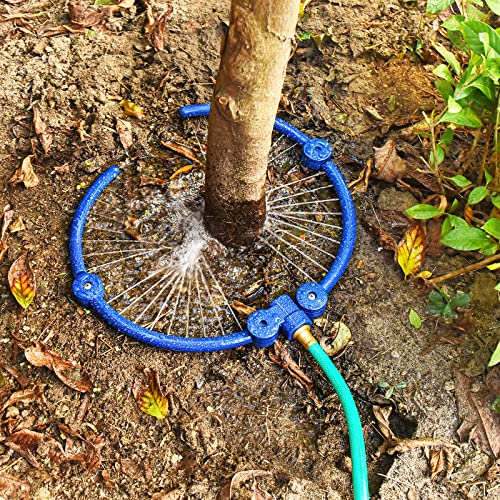
    20 Gallon Tree Water Bags, Slow Release Watering Bag System - Gator Style Ring for New Trees,Treegator Bags for Drip Irrigation, Fruit Protection, Tree Storage (3 Pack)
    20 Gallon Tree Water Bags, Slow Release Watering Bag System - Gator Style Ring for New Trees,Treegator Bags for Drip Irrigation, Fruit Protection, Tree Storage (3 Pack)

    Deep Water Saturation is Key : Our tree watering bags slow release targets moisture deep down where roots develop, promoting vigorous growth and reducing transplant shock & drought stress. By forming a consistent irrigation ring around your tree, this innovative tree bag delivers water directly to the root zone.

    VIEW LATEST PRICE

    As an affiliate, we earn on qualifying purchases.

    Rain Bird LNDDRIPKIT Drip Irrigation Landscape/Garden Watering Kit with Drippers, Micro-Bubblers, Micro-Sprays
    Rain Bird LNDDRIPKIT Drip Irrigation Landscape/Garden Watering Kit with Drippers, Micro-Bubblers, Micro-Sprays

    Comprehensive 108-piece kit for flower beds, gardens and landscaped areas; eliminates hand watering, saves time and money

    VIEW LATEST PRICE

    As an affiliate, we earn on qualifying purchases.

    MUST READ
    Growing Cherry Trees in Wisconsin (The Cold-Climate Manual)
    All New Extra Large 20 Gallon Tree Watering Ring/Bag(2 Pack),Deep Root&Slow Release&Automatic Drip Irrigation Watering System, Low-Profile Great for Multi-Trunk Newly Planted Small Trees and Shrubs
    All New Extra Large 20 Gallon Tree Watering Ring/Bag(2 Pack),Deep Root&Slow Release&Automatic Drip Irrigation Watering System, Low-Profile Great for Multi-Trunk Newly Planted Small Trees and Shrubs

    ✔️ 20Gallon Tree Watering Ring, 33% More Capacity than Market 15Gallon.Tree bags for watering typically can slow release water approximately 6 to 8 hours, water release times may vary depending on certain factors, such as: ground surface, soil types, weather conditions, tree types and size, etc.

    VIEW LATEST PRICE

    As an affiliate, we earn on qualifying purchases.

    Share. Facebook Twitter Pinterest LinkedIn Tumblr Email
    lucy smith
    Lucy Smith
    • Website

    Lucy Smith is a highly experienced horticulturist with a passion for fruit tree cultivation. She holds a degree in Horticulture from the University of California, Davis, and has worked in various roles in the industry. With over 10 years of experience, Lucy is dedicated to using eco-friendly methods for sustainable gardening practices.

    Related Posts

    Can Fig Trees Grow in Garland, TX? North Texas Success

    May 20, 2026

    Olive Trees in New York City, NY: Urban Backyard Tips

    May 20, 2026

    Mango Trees in a Pot in Vermont (Winter Greenhouse Growth Secrets)

    May 20, 2026

    Papaya Trees in Wisconsin (Surviving Northern Winter Climates)

    May 20, 2026

    How to Grow Lime Trees in New Hampshire: Regional Guide

    May 20, 2026

    Plum Trees in a Pot in Alaska (Indoor and Winter Care Guide)

    May 20, 2026
    Leave A Reply Cancel Reply

    Affiliate Disclosure

    As an Amazon Associate I earn from qualifying purchases.

    Recommended Reading

    Fig Trees in North Dakota (Surviving Harsh Winter Climates)

    How to Grow Cantaloupe in a Pot: A Complete Guide for Successful Home Cultivation

    Exploring Where the Grapes of Wrath Are Stored: From Emotions to Expression

    Optimizing Sunlight for Seedling Grapefruit Trees: Key Tips for Healthy Growth

    Fig Trees in Nashville, TN: Success in Middle Tennessee

    How to Propagate Walnut Trees From Seeds

    Top Fruit Trees for Nashville, TN: Success in the Middle Tennessee

    Do You Need 2 Apple Trees to Bear Fruit: Essential Tips for Successful Orchard Growing

    Can Almond Trees Be Used for Shade

    Do DC Cherry Trees Produce Fruit and What You Need to Know About Their Varieties

    Fruit Tree Hub

    Fruit Tree Hub is a website dedicated to providing you everything you need to grow fruit trees successfully at in your own yard.

    Contact us at: [email protected]

    - AFFILIATE DISCLOSURE: As an Amazon Associate I earn from qualifying purchases.

    Latest Posts

    Can Fig Trees Grow in Garland, TX? North Texas Success

    Olive Trees in New York City, NY: Urban Backyard Tips

    Mango Trees in a Pot in Vermont (Winter Greenhouse Growth Secrets)

    22 Festive Christmas Crochet Ideas For Handmade Holiday Magic

    22 Fun Halloween Crochet Ideas For Spooky Cute Creations

    21 Kawaii Crochet Ideas That Feel Playful And Whimsical

    17 Romantic Valentine Crochet Ideas For Sweet Handmade Gifts

    23 Aesthetic Crochet Ideas For A Soft Pinterest Worth Vibe

    Categories
    • Almond Trees
    • Apple Trees
    • Apricot Trees
    • Best Fruit Trees
    • Blackberry
    • Cantaloupe
    • Cherry Trees
    • Crochet Ideas
    • Crochet Ideas for Beginners
    • Cucamelon
    • Easy Crochet Ideas
    • Easy Knitting Projects
    • Fig Trees
    • Grapefruit Trees
    • Grapes
    • Guava Trees
    • Honeydew
    • Jujube Trees
    • Kiwi
    • Knitting For Beginners
    • Knitting Ideas
    • Knitting Inspiration
    • Lemon Trees
    • Lime Trees
    • Loquat Trees
    • Mango Trees
    • Mulberry Trees
    • Nectarine Trees
    • Olive Trees
    • Orange Trees
    • Papaya Trees
    • Peach Trees
    • Pear Trees
    • Persimmon Trees
    • Planting
    • Plum Trees
    • Pomegranate Trees
    • Quince Trees
    • Raspberry
    • Reviews
    • Small Crochet Ideas
    • Star Fruit Trees
    • Summer Crochet Ideas
    • Tamarind Trees
    • Tangerine Trees
    • Tips and Advice
    • Tools
    • Uncategorized
    • Walnut Trees
    © 2026 Fruit Tree Hub
    • Home
    • About Us
    • Contact
    • Privacy Policy
    • Terms and Conditions
    • Disclaimer
    • Editorial Policy
    • Affiliate Disclosure

    Type above and press Enter to search. Press Esc to cancel.