

Wondering when to prune your fruit trees for the best harvest? You’re not alone. Many gardeners face the same dilemma, unsure whether to tackle those branches in winter or wait until spring. The timing can make a huge difference in fruit quality and tree health.
Key Takeaways
- Optimal Pruning Seasons: Late winter is generally the best time to prune most fruit trees, while early spring is suitable for specific species, and summer pruning focuses on controlling growth.
- Pruning Techniques: Utilize thinning cuts for better air circulation and sunlight penetration, heading cuts to stimulate lateral growth, and rejuvenation cuts for older trees needing new growth.
- Benefits of Pruning: Regular pruning improves tree health, enhances fruit production, and facilitates easier harvesting by managing tree shape and structure.
- Species-Specific Timing: Different fruit trees have unique pruning requirements; research your specific tree type to ensure effective timing and techniques.
- Common Pruning Mistakes: Avoid pruning at the wrong time, over-pruning, using dull tools, and neglecting tree shape to ensure optimal tree health and fruit yield.
- Tools and Safety: Use appropriate, sharp tools like pruning shears and loppers, and always prioritize safety by wearing gloves during pruning activities.
Understanding Pruning
Pruning fruit trees involves removing specific parts of the tree to enhance growth, yield, and health. Understanding when and how to prune helps you achieve the best results.
Goals of Pruning
- Improve Air Circulation: Better airflow reduces disease risk.
- Enhance Sunlight Penetration: Sunlight encourages fruit development.
- Shape the Tree: Pruning guides the overall form for easier maintenance.
- Remove Dead or Diseased Wood: Eliminating unhealthy branches prevents the spread of pathogens.
Best Seasons for Pruning
- Late Winter: This period is ideal for most fruit trees, as trees enter dormancy. Pruning just before bud break stimulates healthy growth in spring.
- Early Spring: If you miss late winter, prune as buds begin to swell. However, avoid this for flowering trees, as you may remove potential blooms.
- Summer: Pruning in summer helps control growth and shape the tree but should focus on removing water sprouts and suckers.
Types of Cuts
- Thinning Cuts: Removes entire branches back to the branch collar, allowing better circulation.
- Heading Cuts: Reduces branch length, stimulating growth of lateral buds. Use this technique to encourage bushier growth.
- Rejuvenation Cuts: Drastically reduce older trees to encourage new growth. Conduct this carefully for older or neglected trees.
Tools for Pruning
- Pruning Shears: Use for small branches and delicate work.
- Loppers: Ideal for thicker branches up to two inches.
- Pruning Saw: Necessary for larger limbs.
- Safety Gloves: Protect your hands during cutting.
- What if I prune at the wrong time?: Late pruning can lead to fewer fruits, while early pruning may expose trees to frost damage.
- How much should I prune?: Aim for 20-30% removal of the canopy. Excessive pruning can stress the tree.
- Can I prune fruit trees myself?: Yes, with the right tools and techniques, you can effectively prune your trees.
Understanding these aspects of pruning sets the foundation for healthy trees and fruitful harvests.
Benefits of Pruning Fruit Trees
Pruning fruit trees offers essential benefits that enhance both tree health and fruit yield. Regular pruning can lead to more robust growth and a bountiful harvest.
Improved Tree Health
Pruning improves tree health by promoting better air circulation and sunlight penetration. Cutting back crowded branches reduces the risk of diseases like mold and mildew. For instance, removing dead or diseased branches prevents the spread of infections to healthy parts of the tree. Eliminating weak growth allows nutrients and energy to focus on stronger branches, fostering overall vitality.
Enhanced Fruit Production
Pruning enhances fruit production by encouraging trees to allocate resources efficiently. By selectively thinning branches, you improve light exposure and airflow, leading to larger, juicier fruits. For example, pruning a peach tree in late winter can lead to a better crop, as it directs energy to fewer, but healthier, fruiting buds. Regular pruning helps maintain an ideal shape for trees, allowing for better fruit access and harvesting. Maintaining balance in fruit production also prevents overloading branches, which can lead to breakage.
Factors Influencing Pruning Timing
Several factors determine the best time to prune fruit trees. Understanding these elements helps you achieve optimal results.
Tree Species
Different tree species require varying pruning times. For instance, apple and pear trees benefit from winter pruning, while peach and cherry trees thrive with early spring pruning. Some trees blossom on old wood, necessitating post-flowering cuts. Also, consult specific guidelines for your fruit tree species to ensure proper timing and techniques.
Climate Considerations
Climate greatly influences pruning timing. In regions with harsh winters, late winter is ideal, as dormancy protects trees from cold damage. Conversely, milder climates may allow for early spring pruning. Monitor local temperatures, as trees may break dormancy earlier than expected. Be aware of seasonal weather conditions, as they affect tree health and recovery post-pruning.
Best Times to Prune Different Fruit Trees
Timing matters when it comes to pruning fruit trees. Each type of tree has specific needs. Here’s a breakdown of the best times for pruning various fruit trees.
Recommended Products
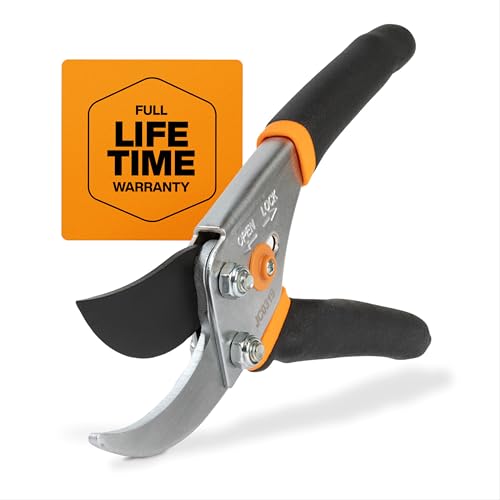
CLEAN CUTS FOR LIVE GROWTH: Bypass blade design is ideal for pruning delicate flower stems and green growth, helping reduce crushing and plant damage while cutting stems and small branches up to 5/8” in diameter

IDEAL BRANCH TRIMMER: 28" Steel blade garden bypass lopper that glides through up to 1.5" thick branches for easy cuts; Works well for trimming tree branches to maintain your yard and garden, and to encourage overall plant health and appearance
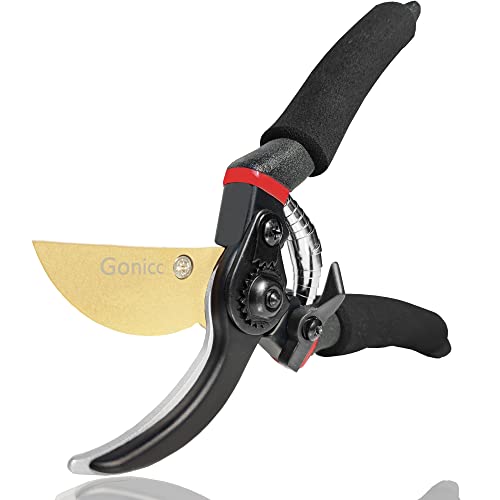
Drop-forged construction delivers exceptional durability and sturdiness for long-term heavy garden use.
Spring Pruning
Prune spring-blooming trees, like cherry and plum, after they flower. This timing helps you avoid cutting off future buds. Aim for early spring, when new growth starts but before leaf emergence. For peach and apricot trees, prune them shortly after the last frost to promote healthy growth.
- Cherry Trees: Prune immediately after blooming for the best blooms next year.
- Peach Trees: Cut back right after the last frost for robust new shoots.
- Plum Trees: Spring pruning after flowering encourages optimal fruit production.
Winter Pruning
Winter is ideal for most bare-root trees, such as apple and pear. Prune during dormancy, usually from late winter to early spring. This approach minimizes stress and promotes healing once the growing season starts.
- Apple Trees: Prune in late winter to shape the tree and enhance fruiting.
- Pear Trees: Winter pruning allows you to remove unwanted branches and improve tree structure.
- Citrus Trees: Prune in late winter to early spring, focusing on removing dead or damaged limbs.
Following these guidelines ensures healthier fruit trees and better yields. Adjust timing based on your local climate and specific tree varieties for best results.
Common Mistakes to Avoid
Avoiding common mistakes during fruit tree pruning helps ensure healthy growth and bountiful harvests. Here are key pitfalls to sidestep:
- Pruning at the Wrong Time
Pruning too early or too late can shock the tree. For example, winter pruning encourages robust growth, while summer pruning can inhibit it on certain species. - Over-Pruning
Removing excessive branches stresses the tree. Aim to prune no more than 25% of the tree’s canopy in a single season. - Ignoring the Tree Species
Each fruit tree has specific pruning needs. Research the species before cutting. For instance, apple trees respond well to winter pruning, while peach trees thrive with spring cuts. - Using Dull Tools
Dull or inappropriate tools can harm the tree. Always use clean, sharp tools like pruning shears or loppers for precise cuts. - Neglecting Tree Shape
Many gardeners overlook the importance of maintaining the tree’s natural shape. Trimming to promote balance and avoid overcrowding enhances both health and aesthetics. - Failing to Disinfect Tools
Using contaminated tools risks spreading diseases. Clean your tools with disinfectant between cuts, especially when moving between different trees. - Skipping the Cleanup
Leaving pruned branches and leaves under the tree can attract pests and diseases. Remove all debris promptly to maintain hygiene. - Forgetting to Observe Growth
Not monitoring growth after pruning can result in missed opportunities for further adjustments. Regularly check the tree’s health and adjust care methods accordingly.
By avoiding these mistakes, you can enhance tree health and fruit production effectively.
Recommended Products

LONG-LASTING SHARPNESS: Japanese SK5 bypass blade with titanium coating is tested through 5,000 cuts to maintain a sharp edge and deliver clean, consistent cuts on live stems and branches

· ULTRA-SHARP SK5 STAINLESS STEEL - Engineered with premium SK5 stainless steel, these heavy duty pruning shears deliver razor-sharp precision and maximum hardness. The rust-resistant blades are designed to stay sharp longer, effortlessly resisting corrosion and sap buildup for smooth, friction-free garden shears performance year after year.

DUAL CUTTING POWER: VERSATILE PRUNING COMBO --- With both Pruning Shears and Pruning Snip, this combo delivers unmatched versatility. Whether you're delicately trimming flowers and shrubs, tackling thicker tree branches, or tending to your vegetable and fruit garden, our combo pack excels in all areas. They're also perfect for landscaping projects and maintaining the health and appearance of indoor plants. With this pack, you have a versatile tool that simplifies your gardening tasks.
Conclusion
Pruning your fruit trees at the right time is key to enjoying a bountiful harvest. Whether you choose to prune in late winter or early spring depends on the type of fruit tree you have and your local climate. By understanding the specific needs of your trees and avoiding common mistakes, you can promote their health and maximize fruit production.
Remember to keep an eye on seasonal changes and be mindful of your tree’s growth patterns. With a little care and attention to detail, you’ll be well on your way to nurturing thriving fruit trees that reward you with delicious fruits for years to come. Happy pruning!
Frequently Asked Questions
When is the best time to prune fruit trees?
Pruning is typically best done in late winter for most fruit trees. However, early spring can be suitable for flowering trees with caution. Summer pruning is also effective for controlling growth.
What are the goals of pruning fruit trees?
The main goals of pruning include improving air circulation, enhancing sunlight penetration, shaping the tree, and removing dead or diseased wood to promote tree health and fruit production.
What types of cuts are used in pruning?
There are three main types of cuts in pruning: thinning cuts, which remove entire branches; heading cuts, which shorten branches for growth control; and rejuvenation cuts, which significantly reduce older wood to encourage new growth.
What tools are necessary for pruning fruit trees?
Essential tools for pruning include pruning shears for small branches, loppers for thicker wood, and pruning saws for larger limbs. Using sharp, clean tools helps ensure healthy cuts and reduces the risk of infection.
What happens if I prune fruit trees at the wrong time?
Pruning at the wrong time can expose trees to stress, reduce fruit quality, and even increase susceptibility to pests and diseases. It’s crucial to follow recommended pruning schedules for each tree species.
How much should I prune my fruit trees?
It’s generally recommended to prune about one-third of a tree’s canopy per year. Over-pruning can stress the tree and diminish fruit production, so it’s important to maintain a balanced approach.
Can I prune my fruit trees myself?
Yes, DIY pruning is feasible, especially for small gardens. However, it’s essential to research proper techniques for specific tree species and follow best practices to avoid damaging the trees.
What common mistakes should I avoid when pruning?
Avoid pruning at the wrong time, over-pruning, neglecting the tree’s natural shape, using dull tools, skipping sanitation, and failing to observe tree growth post-pruning. These mistakes can hinder tree health and yield.
How does pruning benefit fruit trees?
Pruning improves tree health by enhancing air circulation and sunlight penetration, reducing disease risk, and allowing nutrients to focus on stronger branches. This leads to larger, juicier fruits and better harvests.
What factors influence the timing of pruning?
Factors influencing pruning timing include the specific tree species, local climate conditions, and seasonal weather patterns. Consult guidelines for each species and monitor local temperatures for optimal results.
