

Have you ever looked at your jujube tree and wondered why it’s not producing any fruit? You’re not alone. Many gardeners face this frustrating situation, especially after putting in the time and effort to nurture their trees.
Understanding the reasons behind a jujube tree’s lack of fruit can help you turn things around. This article will walk you through common factors that affect fruiting, from environmental conditions to care practices. By the end, you’ll have the insights you need to encourage your tree to thrive and produce those sweet, delicious fruits you’ve been waiting for.
Key Takeaways
- Understanding Environmental Needs: Jujube trees require well-draining sandy loam soil, full sun (6-8 hours daily), and consistent watering for optimal fruit production.
- Pollination Importance: While many jujube varieties are self-pollinating, having multiple trees nearby enhances fruit set, so consider planting compatible varieties.
- Nutrient Management: Balance nitrogen levels with phosphorus and potassium in your fertilizer routine to promote fruit production instead of excessive leaf growth.
- Regular Care Practices: Proper pruning improves air circulation and sunlight exposure; regular monitoring for pests and diseases is crucial for tree health.
- Identifying Stress Signs: Look for yellowing leaves, wilting, and stunted growth as indicators of stress that may hinder fruiting, prompting timely intervention.
- Consulting Experts: If persistent issues or unusual symptoms arise, seeking professional advice can provide tailored solutions for your jujube tree’s health problems.
Understanding Jujube Trees
Jujube trees, known for their resilience and adaptability, can thrive in various climates. These deciduous trees produce small, sweet fruits resembling dates. Understanding their growth requirements helps identify reasons for non-fruiting.
Environmental Factors
- Soil Type: Jujube trees prefer well-draining, sandy loam soil with a pH between 6.0 and 8.0. Heavy clay soils can hinder root development, affecting fruit production.
- Watering: Deep, infrequent watering promotes strong root systems. Overwatering can lead to root rot, while underwatering stresses the tree, causing fewer flowers and fruits.
- Sunlight: Jujube trees thrive in full sun, needing at least 6 to 8 hours of direct sunlight daily. Insufficient sunlight stunts growth and reduces fruit yield.
Planting Considerations
- Spacing: Plant jujube trees at least 10 to 15 feet apart to avoid competition for nutrients and sunlight. Crowded roots can inhibit growth and fruiting.
- Pollination: Some jujube varieties are self-pollinating, while others require cross-pollination for fruit set. Ensure you have compatible varieties nearby to enhance fruit production.
Care Practices
- Pruning: Regular pruning encourages healthy growth and maximizes sunlight exposure. Remove dead or overcrowded branches to promote air circulation.
- Fertilization: Use a balanced fertilizer in early spring to support growth. Too much nitrogen can lead to lush foliage at the expense of fruit.
- Common Pests: Watch for aphids and scale insects, which can damage leaves and inhibit fruiting. Regular monitoring helps catch infestations early.
- Disease Prevention: Maintain healthy air circulation around the tree to prevent diseases like powdery mildew. Applying fungicide during wet conditions can help mitigate risks.
Focusing on these factors ensures your jujube tree gets everything it needs to fruit successfully.
Common Reasons for Lack of Fruiting
Several factors can contribute to your jujube tree’s failure to produce fruit. Understanding these issues helps you take the right steps for better results.
Pollination Issues
Pollination plays a crucial role in fruiting. Jujube trees are mostly self-pollinating, but having multiple trees nearby increases fruit set. Limited pollinators like bees may also hinder pollination. If you notice few flowers or no fruit, consider planting a second tree or attracting more pollinators by planting flowering plants nearby.
Environmental Factors
Environmental factors significantly affect fruit production. Jujube trees thrive in full sun, requiring at least 6–8 hours of sunlight daily. Insufficient sunlight can lead to poor flowering. Soil quality is also important. Well-drained, sandy loam supports healthy roots. Water stress, whether too much or too little, negatively impacts fruiting. Aim for consistent moisture, but allow the soil to dry out between waterings. Lastly, temperature extremes can cause problems; jujube trees prefer temperatures between 60°F and 100°F.
Nutrient Deficiencies
Nutrient deficiencies can impede fruit development. Too much nitrogen fosters leaf growth at the expense of flowers and fruit. Aim for a balanced fertilizer that provides essential nutrients like potassium and phosphorus instead. Signs of nutrient deficiencies include yellowing leaves or stunted growth. Regular soil testing helps identify needs, allowing you to adjust your fertilization practices accordingly.
Care Requirements for Jujube Trees
Jujube trees thrive with proper care, ensuring healthy growth and fruiting. Focus on the following key aspects to encourage your tree to produce fruit.
Recommended Products

CONTINUOUS RELEASE NUTRITION: Osmocote Smart-Release Plant Food Plus Outdoor & Indoor1 granular fertilizer contains 11 essential nutrients and feeds live plants up to 6 full months
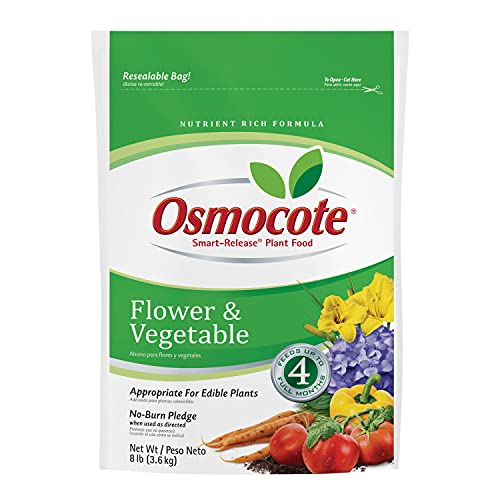
OSMOCOTE’S HIGHEST TOTAL NUTRIENT FORMULA: 14-14-14 NPK - favored for seasonal vegetables and perennials; use this plant food outdoors to promote strong roots as well as vigorous and bountiful above-ground growth.

LASTING COLOR: Miracle-Gro Tree & Shrub Plant Food Spikes are fertilizer spikes for trees and shrubs; they promote vibrant color and foliage for trees and shrubs in your yard
Proper Watering Techniques
Water jujube trees deeply but infrequently. Allow the soil to dry out between watering sessions. This approach encourages strong root development. During the growing season, aim for about 1 inch of water per week, either from rainfall or irrigation. In the spring, adjust watering if the soil feels excessively dry. It’s crucial to avoid waterlogging, which can damage roots and stunt growth.
Soil Quality and Fertilization
Choose well-draining soil with a pH level between 6.0 and 7.5 for optimal growth. Jujube trees prefer sandy loam, which provides good drainage while retaining some moisture. Test your soil to determine nutrient levels. If deficiencies exist, use a balanced, slow-release fertilizer with equal parts nitrogen, phosphorus, and potassium. Apply fertilizer in early spring as new growth appears. Avoid excessive nitrogen, which can promote foliage growth over fruit production. Regularly monitor soil quality and adjust fertilization practices as necessary.
Identifying and Solving Problems
Identifying issues with your jujube tree involves recognizing signs of stress and knowing when to seek professional help.
Recommended Products

Quick, at home results for Soil pH, Nitrogen, Phosphorous and Potash Innovative and inexpensive soil test kit features an easy-to-use capsule system and patented color comparators

Kindly NOTE: This soil tester can not be applied to test pH value of any other liquid. If the soil is too dry the indicator will not move, and water it before testing.

Accurate Soil pH Testing: Dewildetradingco Soil pH Test Strips offer measurements of soil pH levels (pH 3.5-9). As an essential tool for every gardener and grower, these test strips help determine the optimal pH for various plants, such as outdoor plants, indoor plants, gardens, grass lawns, fruit trees, flowers, vegetables, and forest shrubs.
Signs of Stress in Jujube Trees
You can spot stress in your jujube tree through various indicators:
- Discoloration of Leaves: Yellowing or browning leaves often signal nutrient deficiencies or overwatering.
- Wilting: Wilting leaves can indicate underwatering or root rot due to excessive moisture.
- Stunted Growth: Lack of new growth may suggest poor soil conditions or insufficient nutrients.
- Falling Leaves: Shedding leaves, especially during fruiting season, often signifies environmental stressors.
Address these signs quickly to help your tree recover and improve its chances of fruiting.
When to Consult an Expert
You might consider consulting an expert under these circumstances:
- Persistent Issues: If problems like dropping leaves or stunted growth continue despite your interventions.
- Disease Symptoms: If you observe unusual spots, mold, or insect infestations on your tree.
- Soil Concerns: If soil pH and nutrient levels remain unbalanced even after testing and amendments.
Seeking expert advice can provide tailored solutions for your jujube tree’s specific challenges.
Conclusion
If your jujube tree isn’t fruiting it can be disheartening but don’t lose hope. By paying attention to factors like soil quality watering practices and sunlight exposure you can create the perfect environment for your tree to thrive. Remember to consider pollination needs and ensure your tree has the right companions nearby. Regular care and monitoring for stress signs will go a long way in promoting fruit production. With a little patience and the right approach your jujube tree can reward you with delicious fruits in no time. Happy gardening!
Frequently Asked Questions
Why aren’t my jujube trees producing fruit?
Jujube trees may not produce fruit due to insufficient pollination, poor soil quality, or lack of sunlight. Also, excessive nitrogen can hinder fruit development. Ensure proper care and planting conditions to maximize fruiting.
How can I improve pollination for my jujube trees?
While jujube trees are mostly self-pollinating, planting multiple trees nearby can enhance pollination and fruit set. Attracting pollinators like bees will also help improve the chances of fruit production.
What soil type is best for jujube trees?
Jujube trees thrive in well-draining sandy loam soil with a pH between 6.0 and 7.5. Good soil quality is essential for healthy growth and fruit production.
How often should I water my jujube trees?
Water jujube trees deeply but infrequently to encourage strong root development. Avoid overwatering and waterlogging, which can harm the roots and reduce fruiting potential.
What are some signs of stress in jujube trees?
Signs of stress include leaf discoloration, wilting, stunted growth, and falling leaves. Addressing these issues quickly is important for improving the tree’s health and chances of fruiting.
How can I ensure balanced fertilization for my jujube trees?
Regular soil testing will help identify nutrient deficiencies. Use balanced, slow-release fertilizers to maintain adequate nutrient levels, but avoid excessive nitrogen, which can inhibit fruit development.
When should I consult an expert about my jujube trees?
Consult an expert if you notice persistent problems, disease symptoms, or unbalanced soil conditions. They can provide specialized advice to help your trees thrive and produce fruit.
