

Are you dreaming of a backyard filled with fresh, juicy fruit? Planting fruit trees can be a rewarding experience, but timing is everything. If you live in South Carolina, knowing when to plant can make all the difference in your harvest.
Key Takeaways
- Understand Your Climate: South Carolina’s climate, falling within USDA zones 7b to 9a, influences the suitable timing and variety of fruit trees you can plant.
- Optimal Planting Seasons: The best times to plant fruit trees in SC are during spring (mid-March to early April) and fall (late September to early November) to capitalize on favorable weather conditions.
- Soil and Site Preparation: Ensure well-draining, nutrient-rich soil with a pH between 6.0 and 6.8. Choose a sunny location and space trees appropriately for optimal growth.
- Select the Right Varieties: Popular fruits for South Carolina include apples, peaches, citrus, persimmons, figs, and pomegranates. Choose varieties that are disease-resistant and appropriate for your area’s hardiness zone.
- Monitor Watering Needs: New plantings require consistent hydration, especially in spring and after fall planting, to support root establishment and prevent stress.
- Consider Long-Term Care: Factor in the need for pollination, growth size (dwarf vs. standard), and harvest intervals when selecting fruit trees to align with your gardening goals.
Understanding the Climate in SC
South Carolina’s climate significantly influences the timing for planting fruit trees. Understanding this climate helps you make informed decisions for your garden.
Importance of Hardiness Zones
Hardiness zones indicate the minimum temperatures in your area, guiding your choices for fruit tree varieties. South Carolina primarily falls within USDA zones 7b to 9a. This range allows for a diverse selection of fruit trees, such as apple, peach, and citrus varieties. Knowing your specific zone lets you select trees suited to your climate, enhancing growth and fruit production.
Seasonal Weather Patterns
Seasonal weather patterns in South Carolina impact planting schedules. Spring typically brings warm temperatures, making it an ideal time for planting. Aim for mid to late March through early April for most fruit trees. However, be aware of potential late frosts, particularly in higher elevations. Summer brings heat and humidity, which can stress new plantings, so consider early morning or late afternoon planting times. Fall offers another opportunity for planting, especially for root establishment before winter. Choosing the right season maximizes your chances for healthy fruit trees.
Best Times to Plant Fruit Trees in SC
Timing plays a crucial role in the success of your fruit trees. In South Carolina, two main seasons provide optimal conditions for planting: spring and fall.
Recommended Products

Product Quantity: 180+ premium bonsai fruit seeds across 5 varieties; Individual packs contain 40+ apple, 40+ lemon, 40+ orange, 20+ blueberry, and 40+ cherry seeds; Perfect for starting a diverse miniature orchard

Product Quantity: Five+ dwarf peach tree seeds per packet; Premium selection for optimal viability; Perfect for starting your own backyard orchard

Grow Your Own Famous Honey Crisp Apples - Cultivate the world's most popular apple variety right in your backyard! Experience the perfect sweet-tart crunch and explosive juiciness that made Honey Crisp apples a global sensation - fresh from your own tree.
Spring Planting
Spring planting in South Carolina occurs between mid to late March and early April. This timing aligns with the end of winter when the danger of frost diminishes.
- Soil Temperature: Ensure soil temperatures have warmed to around 50°F.
- Varieties: Focus on planting apple, peach, or citrus trees, which thrive in the state’s climate.
- Watering Needs: Monitor hydration closely after planting. Spring rains help, but you may need to supplement with watering during dry spells.
Spring is also ideal for older trees or those requiring more care. You can expect robust growth during this season, as trees begin to break dormancy.
Fall Planting
Fall planting, typically from late September through early November, allows trees to establish roots before winter.
- Root Development: Cooler temperatures encourage root growth without the stress of heat.
- Varieties: Consider planting persimmons, figs, or pomegranates, which adapt well to the Southeast’s climate.
- Pruning: Ensure to prune your trees as needed during this time, promoting healthy growth for the next season.
Fall planting creates an opportunity for trees to thrive when spring arrives. With proper preparation, you increase the chances for healthy, productive trees.
Preparing Your Site for Planting
Before planting your fruit trees, focus on both soil preparation and the right location. Proper preparation sets the foundation for healthier trees and a more fruitful harvest.
Recommended Products

Accurate Soil pH Testing: Dewildetradingco Soil pH Test Strips offer measurements of soil pH levels (pH 3.5-9). As an essential tool for every gardener and grower, these test strips help determine the optimal pH for various plants, such as outdoor plants, indoor plants, gardens, grass lawns, fruit trees, flowers, vegetables, and forest shrubs.

Kindly NOTE: This soil tester can not be applied to test pH value of any other liquid. If the soil is too dry the indicator will not move, and water it before testing.

KNOW BEFORE YOU GROW | Grow the healthiest, sustainable lawn and garden with the most accurate and easy to use professional soil test kit on the market
Soil Preparation
Ensure the soil is well-draining and rich in nutrients. Begin by testing the soil pH; it should range between 6.0 and 6.8 for most fruit trees. Amend the soil as needed by incorporating organic matter such as compost or well-rotted manure. This improves fertility and enhances drainage.
Dig a hole twice the width of the tree’s root ball and as deep as necessary to place the roots without crowding. Remove any debris or rocks from the hole. If you encounter heavy clay or compacted soil, consider replacing it with a mix of native soil and compost to improve aeration and drainage.
Choosing the Right Location
Select a location that receives full sun for at least six hours daily. Proximity to a water source simplifies irrigation. Observe existing trees or structures that may cast shade. Avoid low-lying areas where cold air settles, as these can be prone to frost.
Consider air circulation when choosing the site. A breezy area can reduce disease risk. Space trees with enough distance for air and sunlight to reach each one, allowing for optimal growth. For example, apple trees typically need 15 to 20 feet apart, while peach trees require about 12 to 15 feet.
With the right soil and location, your fruit trees can thrive and yield delicious harvests each season.
Selecting the Right Fruit Trees for SC
Choosing the right fruit trees for South Carolina involves understanding what thrives in the local climate. Some trees grow well in the warmer temperatures, while others may need more attention to flourish.
Recommended Products

🍎 3 Live Apple Tree Saplings: Receive three healthy young apple tree saplings ready to plant and grow in your garden, backyard orchard, or container. Plants ship dormant (not leaves or fruit) in spring.

Produces large, tropical-like fruits with a sweet, custard-like flavor
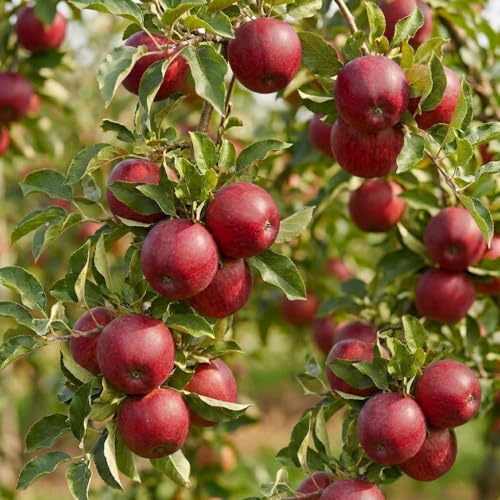
🍎 3 Live Apple Tree Saplings: Receive three healthy young apple tree saplings ready to plant and grow in your garden, backyard orchard, or container. Plants ship dormant (not leaves or fruit) in spring.
Popular Fruit Trees
- Apple Trees: Look for varieties like ‘Arkansas Black’ and ‘Golden Delicious.’ These adapt well to South Carolina’s climate and provide fruit in late summer and early fall.
- Peach Trees: Varieties such as ‘Elberta’ and ‘Redskin’ are favorites. They thrive with plenty of sunlight and can produce sweet, juicy peaches in late summer.
- Citrus Trees: Opt for orange or lemon trees. Varieties like ‘Navel Orange’ and ‘Improved Meyer Lemon’ flourish in warmer zones and yield fruit throughout the year.
- Persimmon Trees: Fuyu and American persimmons grow well in SC. Their unique taste can add variety to your garden.
- Fig Trees: Consider ‘Brown Turkey’ or ‘Celeste’ figs. They love heat and provide plentiful fruit by late summer.
- Pomegranate Trees: ‘Wonderful’ pomegranate thrives in South Carolina’s conditions, producing beautiful, flavorful fruit in fall.
- Climate Compatibility: Select trees suited for USDA zones 7b to 9a. This ensures they’ll handle local weather conditions effectively.
- Disease Resistance: Choose varieties known for their robustness against local diseases. For example, look for apple varieties that resist apple scab.
- Fruit Type: Decide on the fruit you enjoy most. If you love peaches, focus on peach trees. If citrus is your passion, plant several citrus varieties.
- Size of Tree: Consider dwarf or standard sizes based on your available space. Dwarf trees like ‘Pixie’ peaches can fit smaller gardens.
- Pollination Needs: Some trees, like apples, require cross-pollination for good fruit set. Ensure you have compatible varieties nearby for optimal pollination.
- Harvest Interval: Assess how quickly you want fruit. Some trees like figs bear fruit within a couple of years, while others may take longer.
When planning your fruit tree selection, think about personal preferences and growing conditions. The right choice enhances your garden’s productivity.
Conclusion
Planting fruit trees in South Carolina can be a rewarding experience when you get the timing right. By choosing to plant in spring or fall, you set the stage for healthy growth and bountiful harvests. Remember to prepare your soil and select the right varieties that thrive in your local climate.
With a little care and attention, you’ll enjoy the fruits of your labor for years to come. So grab your gardening tools and get ready to create a fruitful oasis in your backyard. Happy planting!
Frequently Asked Questions
What are the best times to plant fruit trees in South Carolina?
Fruit trees in South Carolina are best planted in spring, from mid to late March through early April, and in fall, from late September through early November. Spring planting allows trees to grow during warmer months, while fall planting helps establish roots before winter.
Which fruit trees grow well in South Carolina?
Common fruit trees that thrive in South Carolina include apples such as ‘Arkansas Black’ and ‘Golden Delicious,’ peaches like ‘Elberta’ and ‘Redskin,’ and citrus varieties such as ‘Navel Orange’ and ‘Improved Meyer Lemon.’ These varieties are well-suited to the local climate.
How important is site preparation before planting?
Site preparation is crucial for successful fruit tree growth. Ensure the soil is well-draining, nutrient-rich, and has a pH of 6.0 to 6.8. Adequate sunlight, air circulation, and proper spacing also contribute to optimal growth conditions.
Why is timing important for planting fruit trees?
Timing impacts the health and productivity of fruit trees. Planting at the right time helps avoid late frosts in spring and allows trees to establish roots during cooler temperatures in fall, maximizing the chances of a successful harvest.
How often should I water newly planted fruit trees?
Newly planted fruit trees require regular watering, especially during spring planting. Monitor soil moisture and water as needed to keep the soil evenly moist, ensuring the trees establish strong roots and thrive in their new environment.
