

Ever found yourself struggling to reach those high branches while pruning your trees? Wondering how to make this task easier and more efficient? That’s where a pole pruner comes in. Imagine effortlessly trimming those out-of-reach branches without the need for a ladder. Sounds like a game-changer, right?
Picture this: you’re enjoying a sunny day in your garden, but those overgrown branches are casting shadows over your perfect spot. With a pole pruner, you can easily tackle those branches without breaking a sweat. Say goodbye to precarious climbing and hello to a simpler way to maintain your trees.
Benefits of Using a Pole Pruner
Using a pole pruner offers efficiency and safety benefits when trimming trees:
- Prevents Accidents: Avoid risky climbs on ladders.
- Increased Reach: Trim high branches without difficulty.
- Saves Time: Complete tree pruning tasks quicker.
- Reduced Strain: Minimize physical exertion on your body.
Keep these advantages in mind next time you engage in tree maintenance.
Types of Pole Pruners
Types of Pole Pruners
When it comes to pole pruners, there are a few different types to choose from based on your specific needs:
Manual Pole Pruners:
- Require physical effort to operate, but are typically lightweight and easy to use.
- Ideal for smaller pruning jobs and can reach branches up to 12 feet high.
Electric Pole Pruners:
- Powered by electricity, offering more cutting power without the need for manual effort.
- Suitable for medium-sized trees and branches up to 14 inches in diameter.
- Provide the most cutting strength and can handle larger branches with ease.
- Great for professional landscapers or those with extensive pruning tasks.
Each type of pole pruner comes with its own set of benefits and considerations, so choose the one that aligns best with your pruning requirements.
How to Choose the Right Pole Pruner
When picking a pole pruner, consider the following factors to find the best one for your tree maintenance needs:
- Tree Size: Match the blade length and cutting capacity of the pole pruner to the size of branches you’ll be pruning.
- Type of Branches: Determine if you’ll be mainly dealing with thinner or thicker branches to select the appropriate cutting mechanism.
- Reach: Ensure the pole pruner can extend to the height necessary for your pruning tasks.
- Weight: Opt for a pole pruner that you can comfortably handle for extended periods to prevent fatigue.
- Power Source: Choose between manual, electric, or gas-powered pole pruners based on the convenience and power level you require.
- Maintenance Needs: Consider the upkeep required for each type of pole pruner to ensure it fits your maintenance routine.
By evaluating these aspects, you can make an informed decision and select the right pole pruner for your tree maintenance projects.
Recommended Products

[No Ladder Required, High Safety Range] The 39-inch long handle design provides 35 inches more safety range than ordinary pruners. Easily prune high branches or harvest fruit from tall trees while standing on the ground, eliminating the need for wobbly ladders and reducing the risk of falls.

IDEAL BRANCH TRIMMER: Tree pruner that extends from 7.9 to 12 feet; Lightweight aluminum pole weighing less than five pounds to help minimize fatigue; Ideal for cutting high branches, or making low cuts without bending or kneeling

10FT POLE TREE PRUNER WITH SAW FUNCTION: Designed primarily for high branch trimming with pull-rope pruning shears, while the integrated saw provides an additional cutting option when needed. This manual tree pruner combines pruning and sawing functions in one long-reach tool for routine tree care in yards, gardens, and orchards.
Tips for Using a Pole Pruner Safely
- Inspect Your Pole Pruner Before Use
- Check for any loose parts or damage.
- Wear Safety Gear
- Always wear gloves, goggles, and a helmet.
- Maintain Proper Body Positioning
- Stand firmly on the ground and keep a stable posture.
- Avoid Overreaching
- Move the pole pruner gradually to prevent strain.
- Be Mindful of Surroundings
- Watch out for power lines and other obstacles.
- Use Two Hands
- Ensure a secure grip on the pole pruner.
- Keep the Cutting Blade Sharp
- A sharp blade helps you work more efficiently and safely.
| Safety Tips | |
|---|---|
| Inspect Pole Pruner | Check for damage or loose parts before using. |
| Wear Safety Gear | Always wear gloves, goggles, and a helmet. |
| Maintain Body Position | Stand firmly and maintain a stable posture while pruning. |
| Avoid Overreaching | Move the pole pruner gradually to prevent straining. |
| Be Mindful of Surroundings | Watch out for any obstacles, including power lines. |
| Use Two Hands | Ensure a secure grip by holding the pole pruner with both hands. |
| Keep Blade Sharp | Regularly sharpen the cutting blade for efficient and safe cutting. |
Maintenance and Care of Your Pole Pruner
Taking proper care of your pole pruner is essential to ensure its longevity and efficiency. Here are some tips to help you maintain your tool in top condition:
- Cleaning: After each use, wipe down the pole pruner with a damp cloth to remove any residue or debris.
- Inspect Regularly: Check for any signs of wear and tear, loose parts, or damage. Address any issues promptly.
- Lubrication: Keep moving parts lubricated to prevent rust and ensure smooth operation.
- Storage: Store your pole pruner in a dry place away from direct sunlight to prevent damage.
Remember, regular maintenance not only extends the life of your pole pruner but also ensures safe and effective tree pruning.
Recommended Products

Perfectly fits TP26, RY15520, RY52604 pole saw and pole pruner with exact size.

Significant Upgrade: The battery capacity has been substantially increased to 4,000mAh, delivering outstanding battery life. Additionally, we've thoughtfully included a replacement blade to ensure a consistently fresh experience for you
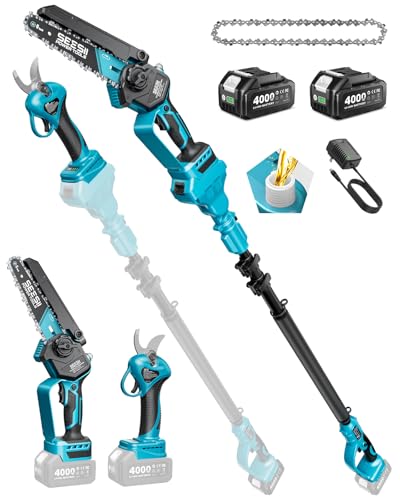
Ultimate 4-in-1 Pruning Solution: Experience the versatility of SEESII's electric pole saw and pruning shears combo. With a 6-inch pole saw designed for high branches and precision electric pruning shear for detailed work, you can seamlessly transition between tasks without changing tools. Whether you're maintaining your backyard or tackling a major landscaping project, this pole pruner system handles everything from delicate vines to thick overhead limbs
Conclusion
Taking care of your pole pruner is key to ensuring it stays in top condition for years to come. By following simple maintenance tips like cleaning, inspecting, lubricating, and storing your tool properly, you not only prolong its lifespan but also enhance your tree pruning experience. Remember, a well-maintained pole pruner is not just a tool, but a reliable companion in your outdoor tasks. So, show your pole pruner some love, and it’ll reward you with effortless and efficient tree trimming every time. Happy pruning!
Frequently Asked Questions
How often should I clean my pole pruner?
After each use, it is recommended to clean your pole pruner to prevent sap buildup and ensure smooth operation.
What should I check for during regular inspections?
Regularly inspect your pole pruner for any signs of wear and tear, such as loose bolts, dull blades, or cracks in the handle.
Why is it important to lubricate the moving parts?
Lubricating the moving parts of your pole pruner helps prevent rust and corrosion, ensuring the tool operates smoothly and lasts longer.
Where should I store my pole pruner?
Store your pole pruner in a dry place away from direct sunlight to prevent rust and maintain its cutting efficiency.
How does regular maintenance contribute to safe tree pruning?
Regular maintenance of your pole pruner ensures that the tool is in optimal condition, reducing the risk of accidents and injuries during tree pruning.
